Naruto Leaders in the Ninja World: Hierarchy, History, and Governance
Leadership in the Naruto universe is defined by the Kage, the supreme military and administrative heads of the Five Great Shinobi Nations. These individuals govern their respective hidden villages, manage diplomatic relations, and comm...
Leadership in the Naruto universe is defined by the Kage, the supreme military and administrative heads of the Five Great Shinobi Nations. These individuals govern their respective hidden villages, manage diplomatic relations, and command vast shinobi forces. Supported by Feudal Lords (Daimyo), these leaders maintain the delicate balance of power across the ninja world.
Contents
The leadership structure of the shinobi world is a complex fusion of feudal politics and military meritocracy. While the popular focus remains on the immense combat prowess of the Kage, their roles involve significant administrative burdens, including budgeting, mission allocation, and legislative oversight. As of 2026, the legacy of these leaders is viewed through the lens of the post-Fourth Shinobi World War era, where the traditional "Hidden Village" model has evolved into a more integrated global community.
The Dual-Structure of Leadership: Daimyo vs. Kage
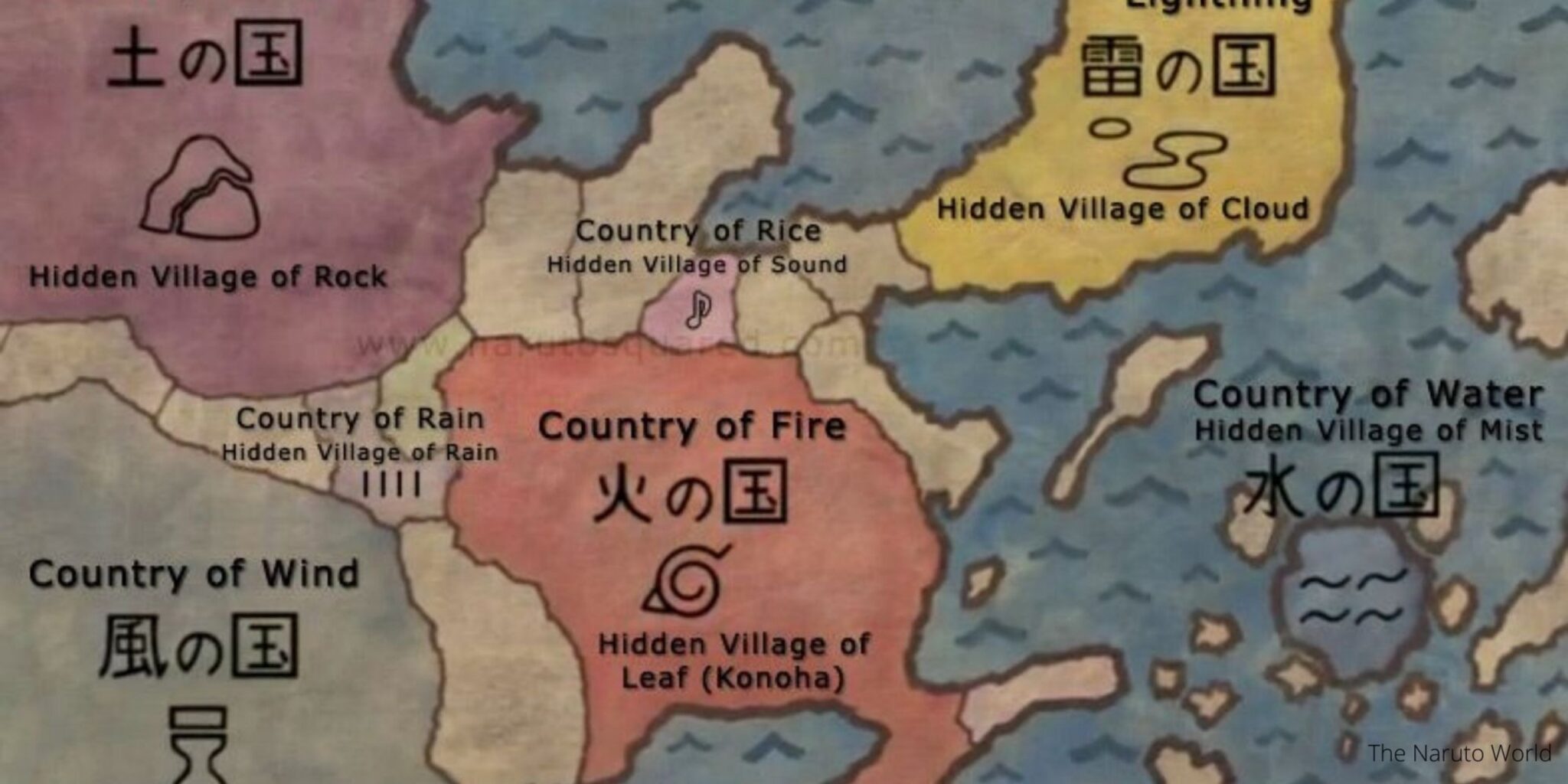
To understand leadership in this world, one must first distinguish between political sovereignty and military administration. The ninja world is divided into various "Lands" (countries), each governed by a Daimyo (Feudal Lord). The Daimyo holds the ultimate political authority, managing the country’s economy, civil laws, and overall territory.
However, the military strength of each Land is concentrated in its "Hidden Village." The Kage serves as the leader of this village. This "One Village, One Country" system, established by Hashirama Senju and Madara Uchiha, created a symbiotic relationship: the Daimyo provides the funding and legitimacy for the village, while the Kage provides the protection and specialized labor (shinobi services) necessary for the Land to prosper.
The Role of the Council of Elders
No Kage rules in a vacuum. Most villages, particularly Konohagakure (the Hidden Leaf), employ a Council of Elders. These are typically retired high-ranking shinobi who provide historical context and advisory support. While the Kage has the final word on tactical and administrative matters, the Elders often hold significant sway over succession and long-term political strategy. In times of crisis or transition, the Council serves as the stabilizing force that prevents the village from falling into anarchy.
The Five Kage: Pillars of the Shinobi Nations
The "Gokage" or Five Kage represent the pinnacle of leadership. Each title corresponds to the elemental nature of their respective Land.
The Hokage (Hidden Leaf - Land of Fire)
The Hokage is arguably the most influential leader due to the Land of Fire’s central geographic location and economic power. The title has been held by legendary figures who shaped the very concept of the ninja world.
- Hashirama Senju (First Hokage): Known for his "Will of Fire" philosophy, which prioritizes the village as a family unit.
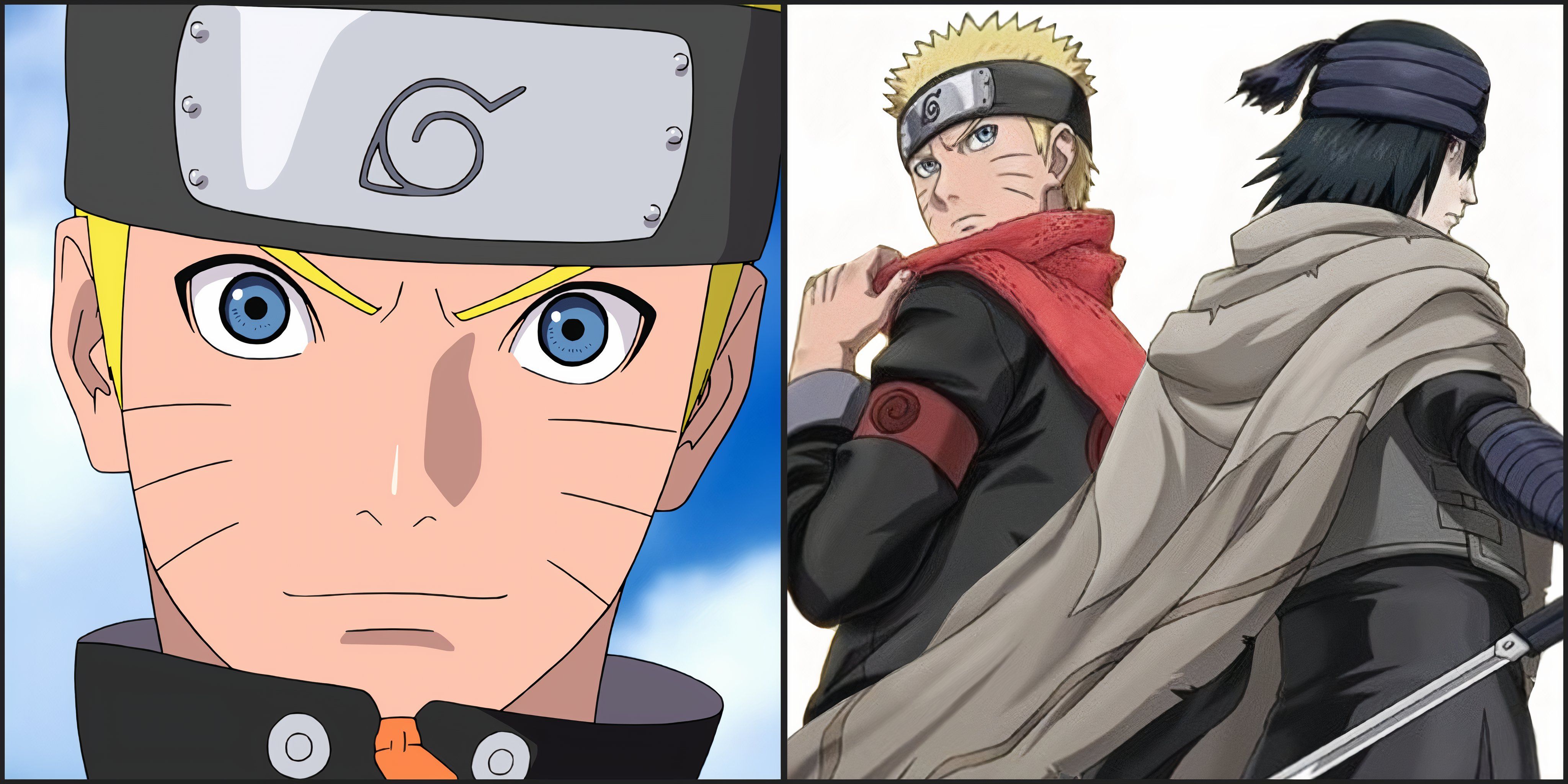
- Naruto Uzumaki (Seventh Hokage): A transformative leader who transitioned the world from a state of constant warfare to a technological and diplomatic renaissance.
- Shikamaru Nara (Eighth Hokage): In the current 2026 landscape of the Boruto era, Shikamaru represents a shift toward intellectual and strategic leadership, managing the village during its most technologically advanced but volatile period.
The Kazekage (Hidden Sand - Land of Wind)
Leadership in the Hidden Sand is historically fraught with internal strife and economic hardship. The Kazekage must be a master of resource management, as the Land of Wind consists mostly of desert. Gaara, the Fifth Kazekage, redefined this role by moving away from the village's history as a mercenary state and becoming a key architect of the Shinobi Allied Forces.
The Raikage (Hidden Cloud - Land of Lightning)
The Raikage is traditionally characterized by strength and decisiveness. Based in the mountainous regions of the Land of Lightning, the Raikage oversees a village known for its military discipline and pursuit of powerful ninjutsu. The "A" lineage (successive leaders named A) established a tradition of absolute authority and physical dominance.
The Tsuchikage (Hidden Stone - Land of Earth)
The Tsuchikage manages a village protected by natural stone fortifications. Onoki, the Third Tsuchikage, was one of the longest-serving leaders in history, emphasizing the "Will of Stone"—a philosophy of stubborn resilience. His leadership style was characterized by cautious diplomacy and a focus on the village's autonomy.
The Mizukage (Hidden Mist - Land of Water)
The Hidden Mist underwent the most radical leadership transformation. Once known as the "Bloody Mist" due to the brutal reign of the Fourth Mizukage (controlled by Obito Uchiha), the village was reformed by Mei Terumi and later Chojuro. Modern Mizukage focus on undoing the isolationist policies of the past and integrating the Land of Water into the global trade network.
Comparison of the Five Great Shinobi Villages
| Village | Title | Primary Elemental Affinity | Core Leadership Philosophy |
|---|---|---|---|
| Konohagakure | Hokage | Fire | The Will of Fire (Community & Sacrifice) |
| Sunagakure | Kazekage | Wind | Survival and Resource Independence |
| Kumogakure | Raikage | Lightning | Military Might and Centralized Power |
| Iwagakure | Tsuchikage | Earth | The Will of Stone (Resilience & Stability) |
| Kirigakure | Mizukage | Water | Reformation and Global Integration |
The Selection Process and Succession
The process of becoming a leader in the ninja world is rarely democratic in the modern sense. It is a mixture of appointment, recommendation, and merit.
- Nomination: The current Kage typically nominates a successor. If the Kage dies in office without a nominee, the Council of Elders and the Land's Daimyo must convene to select a candidate.
- Jonin Approval: In some villages, such as the Hidden Leaf, a vote of confidence from the Jonin (high-ranking ninja) is required to confirm the nomination. This ensures the leader has the respect of the military wing.
- Daimyo Confirmation: As the ultimate sovereign, the Daimyo must formally approve the appointment. This is often a formality, but it serves to maintain the legal link between the Land and the Village.
The Shadow Kage (Support Roles)
Effective leadership in the Naruto world also relies on "Shadow" roles. The most famous example is Sasuke Uchiha, often referred to as the "Supporting Kage" (Sasage). This role involves handling high-level threats and intelligence gathering outside the village walls, allowing the primary Kage to focus on administration and internal security. This dual-leadership model became essential during the era of peace following the Fourth War, as the scope of threats became interdimensional rather than just geopolitical.
Leadership Challenges in the Modern Era (2026 Perspective)
As we look at the state of ninja leadership in 2026, the challenges have shifted from inter-village conflict to managing rapid modernization. The introduction of Scientific Ninja Tools has forced leaders to reconsider what it means to be a shinobi.
- Technological Integration: Leaders must now regulate the use of technology that can replicate high-level ninjutsu, potentially making traditional training obsolete.
- Diminishing Autonomy: With the Five Nations more closely linked than ever, the Kage must act more like a collective board of directors than independent warlords.
- The Threat of Non-State Actors: Organizations like Kara or the Claw Grime (linked to the Shinju) represent threats that transcend national borders, requiring a level of intelligence sharing and military cooperation never before seen in the era of the First or Second Hokage.
FAQs About Naruto Leaders
Who was the youngest Kage in history?
Gaara of the Hidden Sand became the Fifth Kazekage at approximately 15 years old. His appointment was a strategic move by the village elders to stabilize the village following the death of the Fourth Kazekage and to utilize Gaara’s immense power as a Jinchuriki to deter invaders.
Can a Kage be removed from power?
Yes, though it is rare. A Kage can be removed if they are deemed unfit by the Daimyo or the Council of Elders, or if they lose the support of the Jonin commanders. However, most Kage serve until death or voluntary retirement. Danzo Shimura, for instance, acted as a "Candidate" Hokage but was never fully inaugurated due to his death and the lack of broad support.
Are there leaders in smaller villages?
While the title "Kage" is legally reserved for the Five Great Nations, smaller villages have their own leaders. For example, Amegakure (Hidden Rain) was led by Hanzo and later Pain (Nagato). These leaders often hold power equal to a Kage but lack the formal international recognition and the seat at the Five Kage Summit.
What is the difference between a Kage and a Jonin Commander?
The Kage is the head of state and military, whereas the Jonin Commander is the highest-ranking officer who represents the interests of the ninja corps. The Jonin Commander acts as a bridge between the Kage's administrative office and the active-duty shinobi, often participating in high-level strategy meetings.
Why did Hashirama create the Kage system?
Hashirama Senju created the system to end the era of Warring States, where clans like the Uchiha and Senju were hired as mercenaries to fight one another. By consolidating clans into a single village protected by a national government, he aimed to create a sustainable peace and protect the younger generation from constant combat.
Summary of Next Steps for Enthusiasts
For those seeking to understand the deep lore of ninja leadership, the next logical step is to study the Five Kage Summit arcs in both the Naruto Shippuden and Boruto series. These arcs provide a direct look at the diplomatic tensions, the voting processes, and the logistical realities of governing a ninja village. Additionally, examining the Hiden and Shinden light novels offers deeper insight into the administrative challenges faced by leaders like Kakashi Hatake and Gaara during their respective tenures.
Image Gallery