Understanding the Purpose of Recombinant DNA Technology
Recombinant DNA technology serves to combine genetic material from multiple sources to create unique DNA sequences that do not occur naturally. Its primary purpose is to enable the precise manipulation of organisms to produce essential...
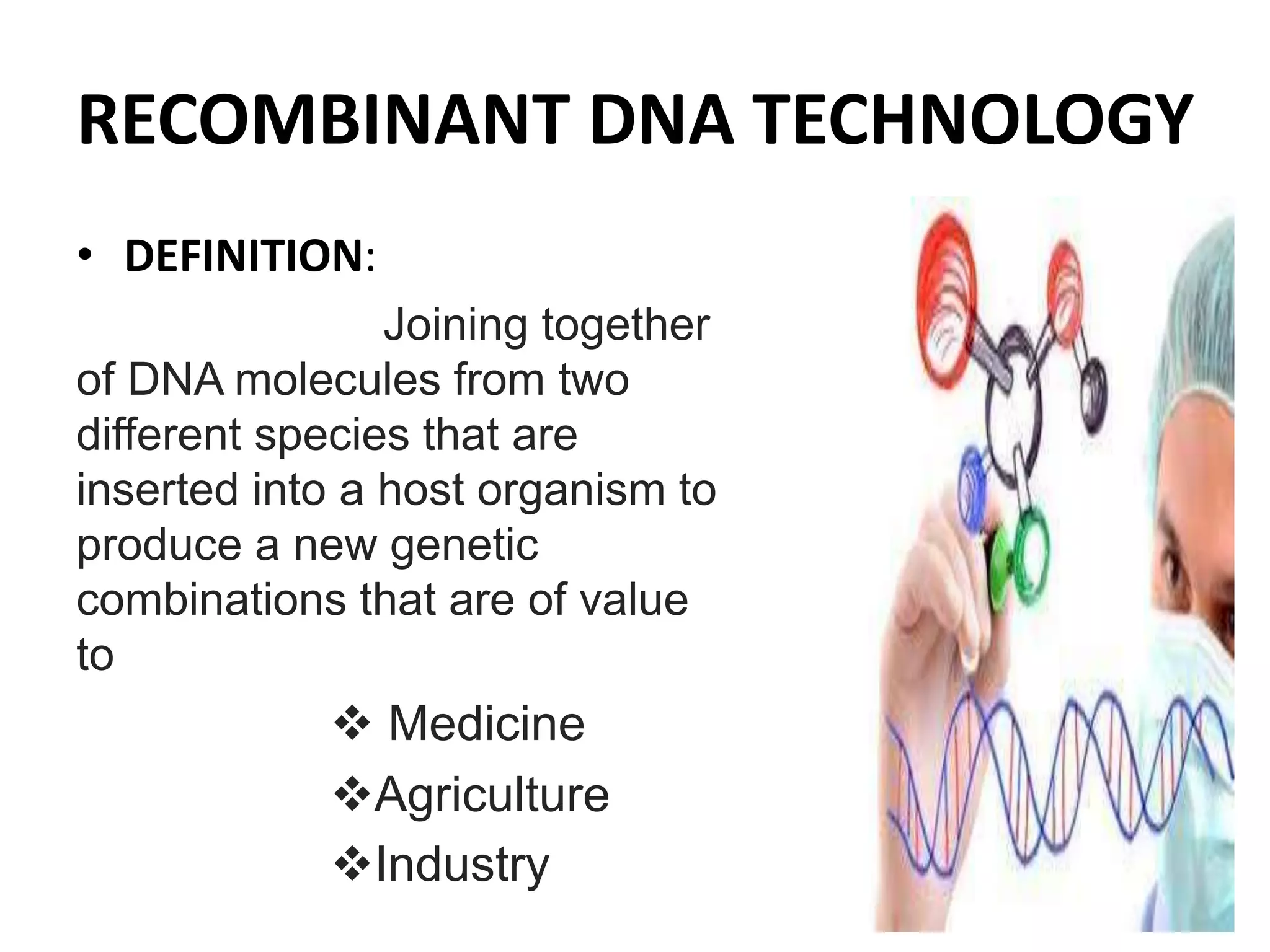
Recombinant DNA technology serves to combine genetic material from multiple sources to create unique DNA sequences that do not occur naturally. Its primary purpose is to enable the precise manipulation of organisms to produce essential proteins, enhance agricultural resilience, and develop targeted medical therapies for genetic and infectious diseases.
Contents
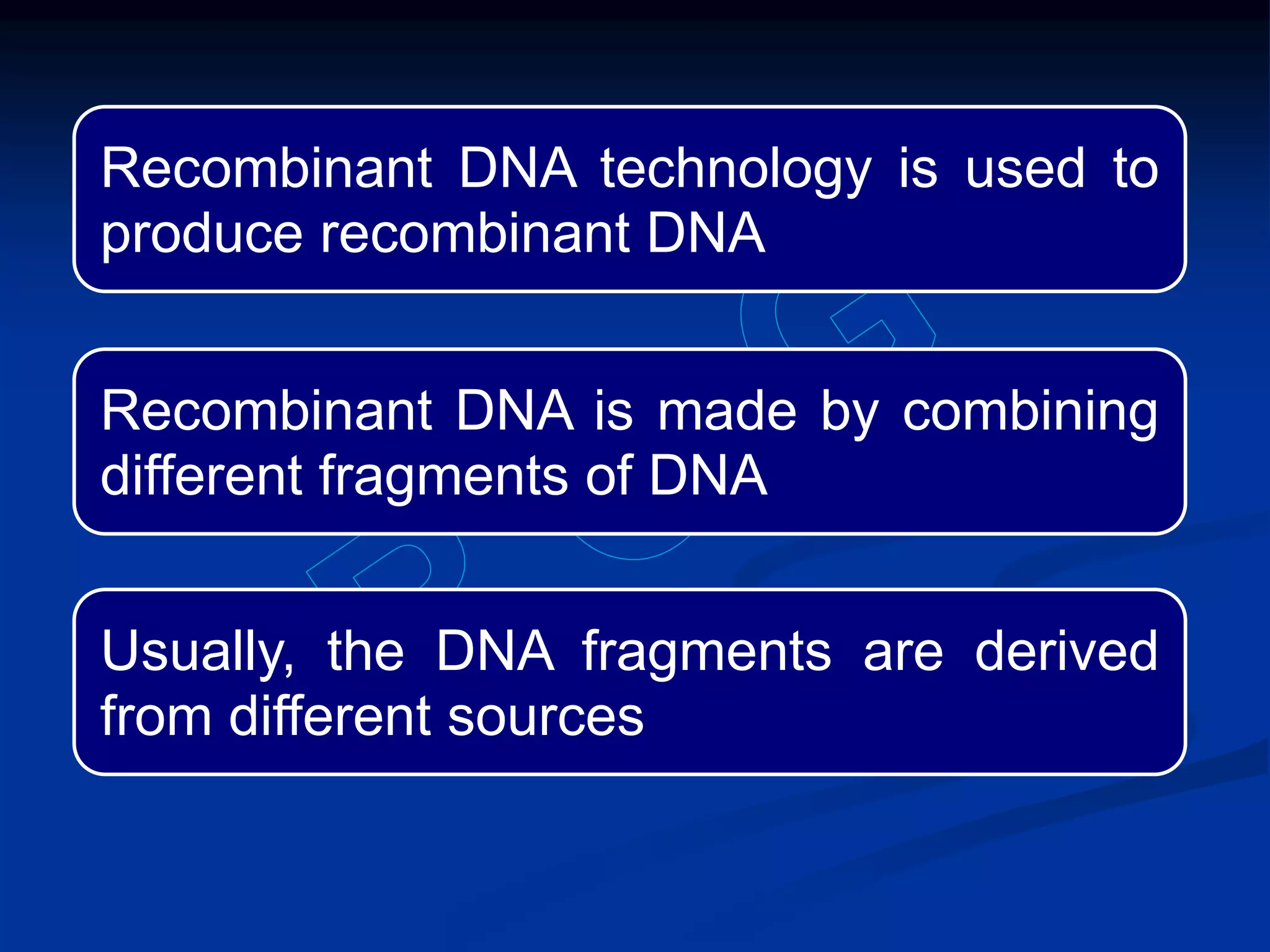
Recombinant DNA (rDNA) technology, often referred to as genetic engineering, represents one of the most significant leaps in modern biological sciences. By allowing scientists to "cut and paste" specific genes from one organism into the genome of another, this technology has moved beyond theoretical research into a foundational tool for global health, food security, and industrial sustainability. As of 2026, rDNA technology is no longer an emerging field but a standardized pillar of biotechnology used daily in laboratories and manufacturing plants worldwide.
The Core Objectives of Recombinant DNA Technology
The overarching purpose of recombinant DNA technology is to give an organism a new trait or function by introducing specific genetic information. Unlike traditional cross-breeding, which reshuffles thousands of genes at once and is limited to closely related species, rDNA technology is surgical and versatile.
Protein Production and Molecular Pharming
One of the most immediate purposes of rDNA is the mass production of human proteins. Before the advent of this technology, therapeutic proteins like insulin were harvested from the pancreases of slaughtered cows and pigs. This was inefficient and occasionally caused allergic reactions in patients. rDNA technology allows scientists to insert the human insulin gene into E. coli bacteria or yeast cells. These "cellular factories" then produce chemically identical human insulin in massive quantities within bioreactors.
Genetic Improvement and Trait Modification
In both agriculture and animal husbandry, the purpose of rDNA is to bypass the slow pace of natural evolution. By identifying genes responsible for drought tolerance, pest resistance, or enhanced nutritional content, scientists can transfer these traits directly into crops. This targeted approach is essential for maintaining global food supplies in the face of changing climate patterns and increasing population demands.
Functional Genomics and Basic Research
Beyond commercial applications, rDNA technology serves a critical role in basic science. It allows researchers to "knock out" or overexpress specific genes to observe the resulting changes in an organism. This helps in mapping the human genome and understanding the underlying causes of complex diseases like cancer, Alzheimer’s, and cystic fibrosis.
The Technical Mechanisms: How rDNA Achieves Its Purpose
Understanding the purpose of rDNA technology requires a look at the specialized tools that make genetic manipulation possible. The process relies on a suite of molecular tools that act as the "machinery" of the laboratory.
Molecular Scissors: Restriction Endonucleases
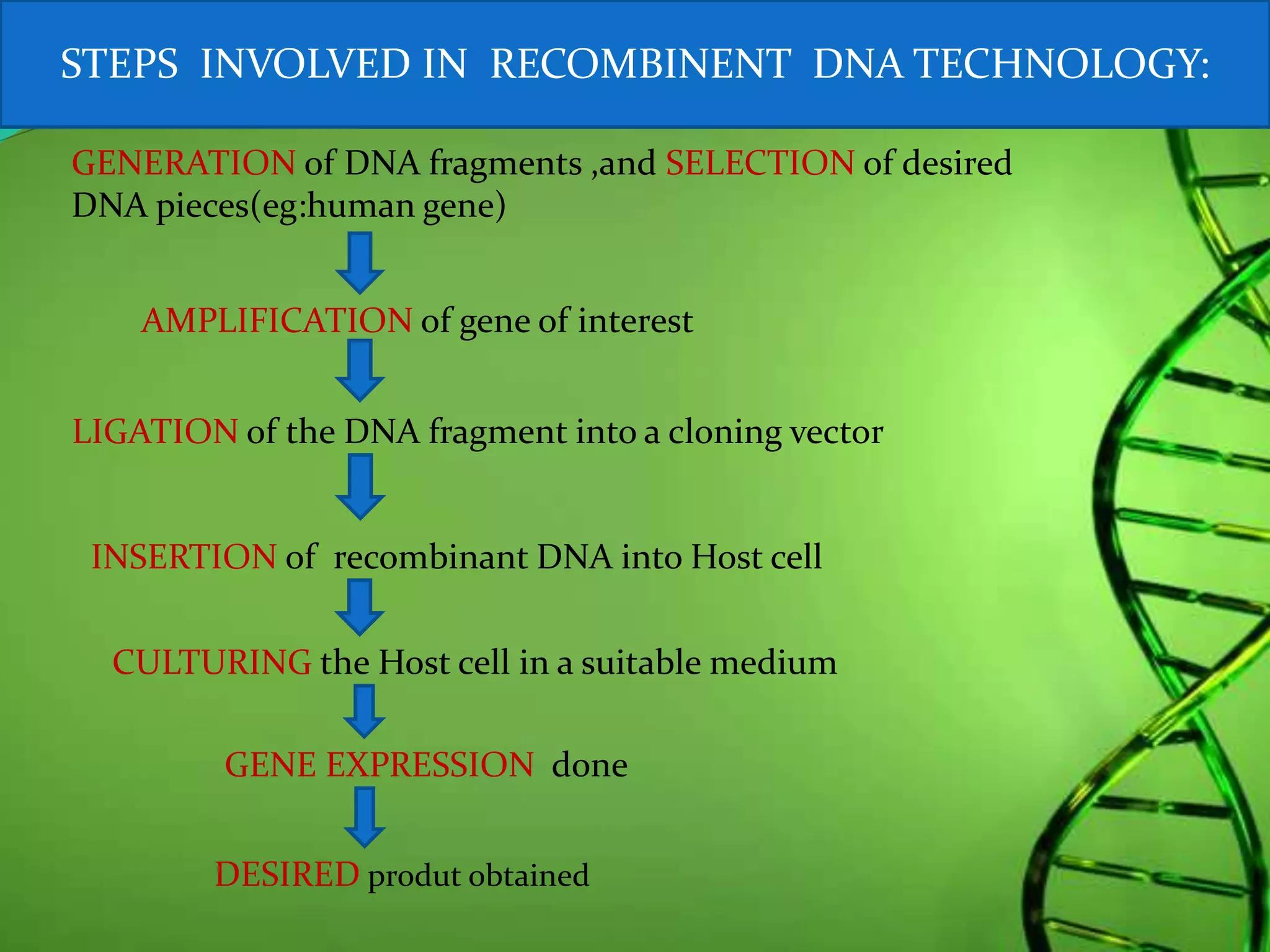
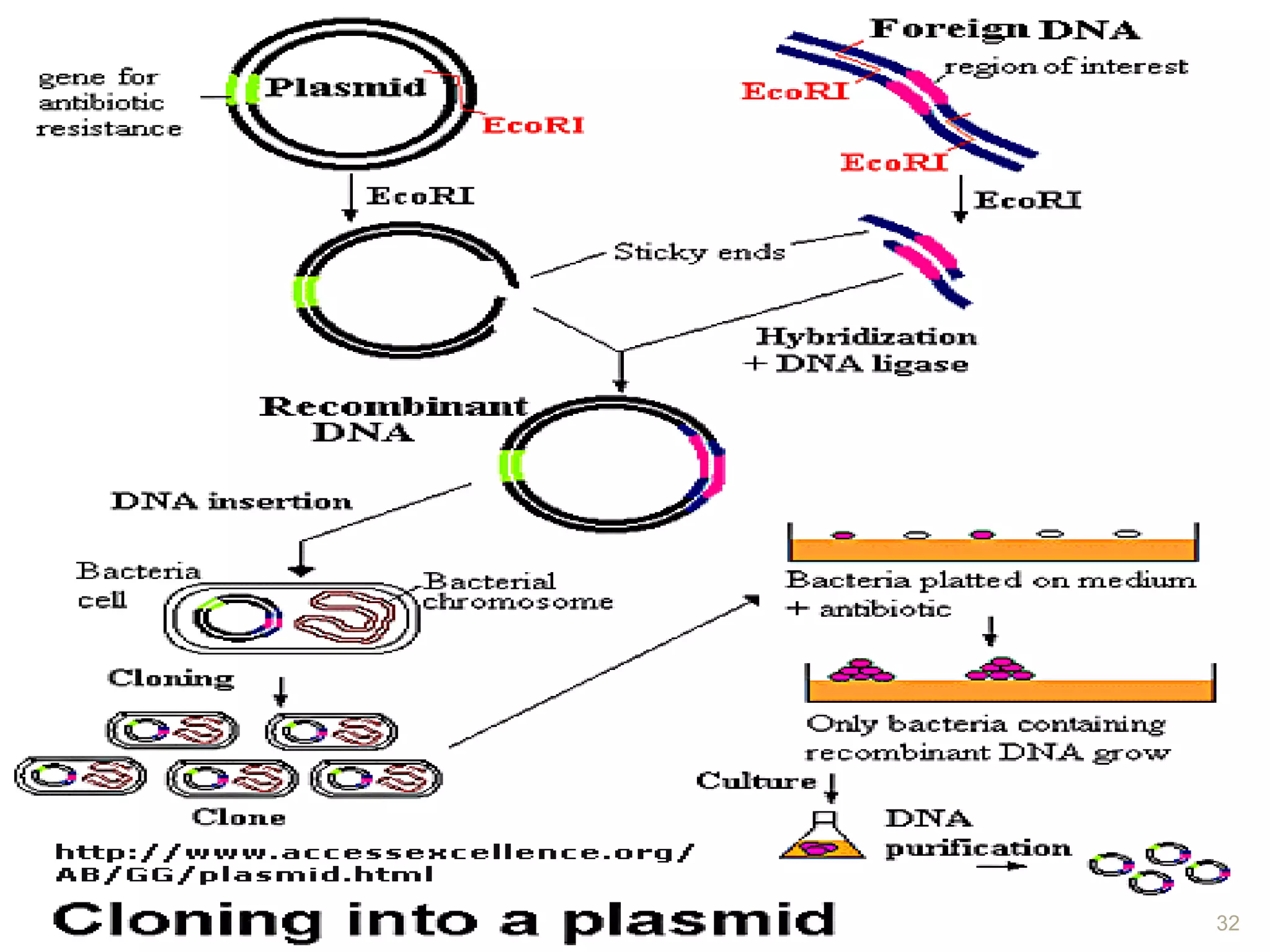
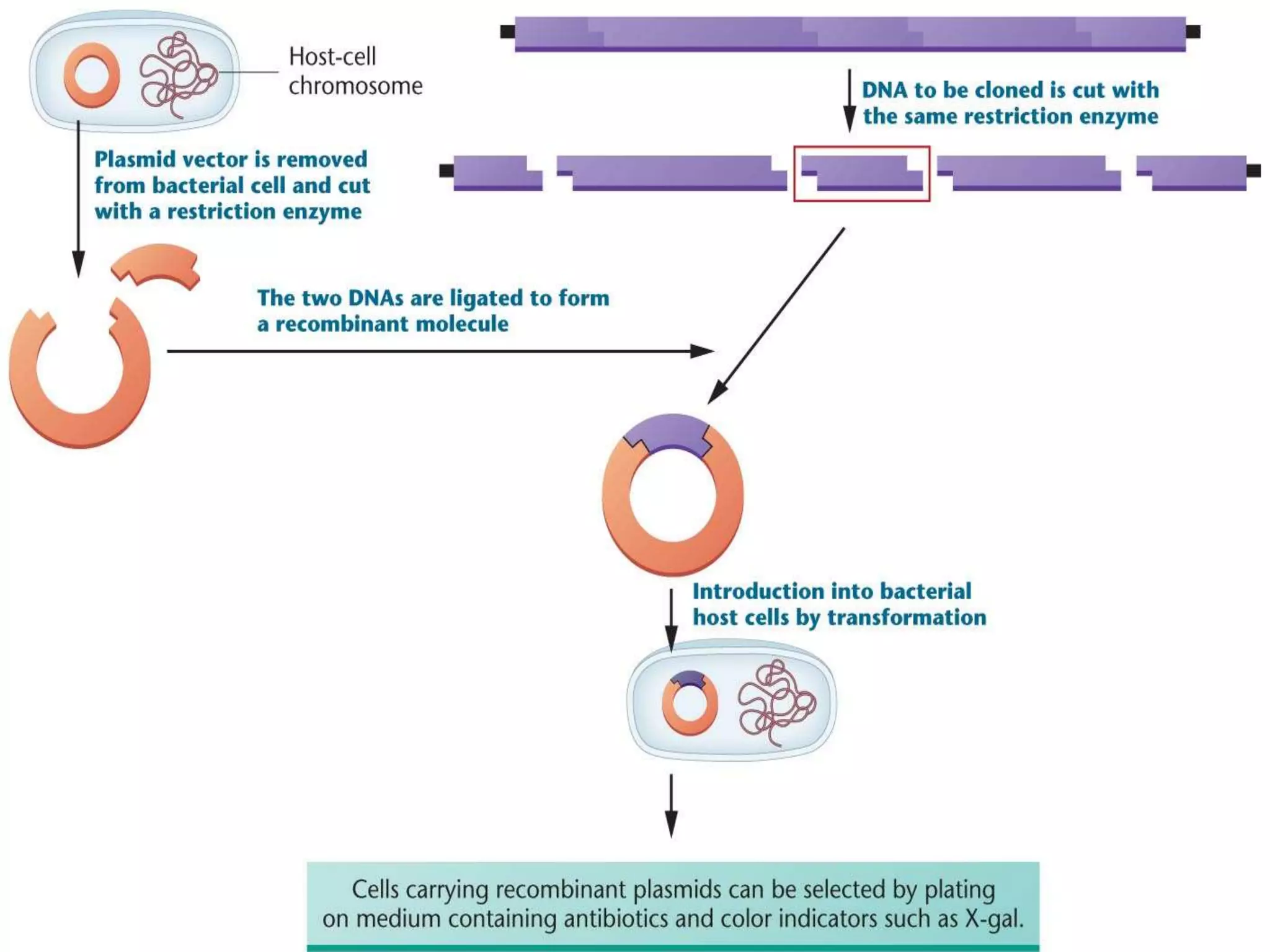
Restriction enzymes are the cornerstone of rDNA technology. Their purpose is to recognize specific sequences of DNA and cut the strands at precise locations. These enzymes are naturally found in bacteria, where they serve as a defense mechanism against viral DNA. In the lab, they allow scientists to isolate a "gene of interest" with surgical accuracy.
Molecular Glue: DNA Ligase
Once a gene is isolated and a "gap" is created in a host's DNA, the two pieces must be joined. DNA ligase is the enzyme responsible for sealing the phosphate backbone of the DNA strands. This creates a continuous, stable molecule of recombinant DNA.
Vectors: The Genetic Delivery Vehicles
DNA cannot simply be dropped into a cell; it requires a vehicle to transport it and ensure it is replicated. Plasmids (small, circular DNA molecules found in bacteria) and viruses are the most common vectors. Their purpose is to carry the foreign genetic material into the host cell and integrate it into the host's biological machinery.
Major Applications in Modern Medicine
The medical field has been the primary beneficiary of rDNA advancements. As we look at the landscape in 2026, the integration of rDNA with other technologies has refined our ability to treat previously incurable conditions.
Recombinant Vaccines
Traditional vaccines often used weakened or killed viruses. The purpose of rDNA in vaccinology is to produce "subunit" vaccines. By cloning the gene for a specific viral surface protein and expressing it in yeast or bacteria, scientists can create a vaccine that triggers an immune response without any risk of causing the disease itself. The Hepatitis B vaccine is a classic example of this application.
Gene Therapy
Gene therapy uses rDNA technology to treat the root cause of genetic disorders. Instead of managing symptoms, the purpose is to replace a faulty or missing gene with a functional one. In 2026, refined delivery systems (often utilizing adeno-associated viruses) have made gene therapy a viable option for a growing list of retinal diseases, blood disorders like hemophilia, and certain types of neuromuscular atrophy.
Monoclonal Antibodies (mAbs)
Recombinant DNA technology is essential for the production of monoclonal antibodies, which are used to treat various cancers and autoimmune diseases. These engineered proteins are designed to bind to specific targets—such as cancer cell markers—and either neutralize them or "flag" them for destruction by the patient's immune system.
Impact on Global Agriculture and Food Security
The application of rDNA in agriculture focuses on three main pillars: productivity, protection, and nutrition. By modifying the genetic makeup of staple crops, scientists aim to create a more stable and sustainable food system.
- Pest and Disease Resistance: Genes from the bacterium Bacillus thuringiensis (Bt) have been inserted into corn and cotton. The purpose is to allow the plants to produce a protein toxic to specific insect pests, significantly reducing the need for chemical pesticides.
- Herbicide Tolerance: Crops can be engineered to withstand specific herbicides. This allows farmers to spray fields to kill weeds without harming the crop itself, streamlining weed management and reducing soil erosion from excessive tilling.
- Biofortification: rDNA technology is used to increase the levels of essential vitamins and minerals in food. "Golden Rice," engineered to produce beta-carotene (a precursor to Vitamin A), was developed specifically to combat blindness and death in regions where Vitamin A deficiency is a major public health crisis.
Industrial and Environmental Utility
While medicine and agriculture receive the most attention, the purpose of rDNA technology extends into heavy industry and environmental protection.
Bioremediation
Scientists use rDNA to engineer bacteria that can "eat" environmental pollutants. These specialized microbes are designed to break down oil spills, neutralize heavy metals in mining runoff, or decompose plastic waste. The purpose is to provide a biological solution to man-made environmental disasters.
Biofuel Production
The search for sustainable energy has led to the engineering of algae and yeast that can efficiently convert plant cellulose or sunlight into ethanol and biodiesel. rDNA technology optimizes the metabolic pathways within these organisms to maximize fuel yield and reduce production costs.
Comparing Traditional Breeding vs. Recombinant DNA Technology
The following table highlights the functional differences between conventional genetic improvement and modern recombinant methods.
| Feature | Traditional Selective Breeding | Recombinant DNA Technology |
|---|---|---|
| Precision | Low; involves mixing entire genomes. | High; targets single or specific sets of genes. |
| Timeframe | Slow; requires many generations (years/decades). | Rapid; changes are made directly in the lab. |
| Species Barrier | Limited to cross-breeding related species. | No barrier; can move genes between any kingdom. |
| Unintended Traits | High risk of carrying unwanted traits. | Minimal; specific gene sequences are isolated. |
| Predictability | Variable and often unpredictable. | Highly predictable and measurable. |
Ethical Considerations and Regulatory Frameworks
As of 2026, the use of rDNA technology is governed by stringent international and national regulations. The purpose of these frameworks is to balance innovation with safety and ethical responsibility.
- Biosafety: Ensuring that genetically modified organisms (GMOs) do not negatively impact biodiversity or escape into ecosystems where they might outcompete native species.
- Food Safety: Rigorous testing by agencies like the FDA and EFSA to ensure that rDNA-derived foods are non-toxic and non-allergenic.
- Intellectual Property: Addressing the ethics of patenting genetic sequences and ensuring that developing nations have equitable access to life-saving technologies.
- Human Germline Editing: There remains a global consensus and strict legal limitations against modifying the human germline (eggs, sperm, or embryos) in ways that would be heritable, focusing instead on somatic cell therapy.
Common Obstacles and Troubleshooting in rDNA Research
Despite its power, rDNA technology is not without challenges. Successful recombination requires overcoming several biological hurdles:
- Gene Silencing: Sometimes a host cell recognizes foreign DNA and "shuts it down," preventing the production of the desired protein. Scientists use specialized promoter sequences to keep the gene active.
- Vector Instability: In large-scale industrial fermentation, bacteria may lose their recombinant plasmids over time. Maintaining selective pressure (often through antibiotic resistance markers) is necessary to ensure only the modified cells survive.
- Protein Folding: Bacteria often lack the complex machinery required to fold human proteins into their correct 3D shapes. This often requires the use of eukaryotic hosts, like yeast or mammalian cell lines, which increases the cost and complexity of production.
Frequently Asked Questions
What is the difference between rDNA technology and CRISPR?
Recombinant DNA technology is a broad field that involves combining DNA from different sources. CRISPR is a specific, highly precise tool used within that field to edit existing DNA sequences. Think of rDNA as the concept of "editing a book," while CRISPR is the specific "find and replace" function on a word processor.
Is insulin made with rDNA technology safe?
Yes. In fact, recombinant human insulin is safer than the animal-derived insulin used in the past. Because it is genetically identical to the insulin produced by the human pancreas, it is less likely to cause allergic reactions and can be produced with much higher purity and consistency.
Can rDNA technology be used to "design" babies?
Current regulations and international scientific consensus strictly prohibit "designer babies" or heritable genetic modifications in humans. The purpose of rDNA in human medicine is limited to treating diseases in existing patients (somatic therapy), not changing the traits of future generations.
How does rDNA technology benefit the environment?
It benefits the environment by reducing the need for chemical pesticides in agriculture, creating more efficient biofuels to replace fossil fuels, and enabling "bioremediation," where engineered microbes clean up toxic waste and pollutants.
Are GMOs safe to eat?
Extensive research by organizations like the World Health Organization (WHO) and the National Academy of Sciences has consistently found that GMOs currently on the market are as safe to eat as their non-GMO counterparts. Each new product undergoes years of safety testing before being approved for public consumption.
Future Outlook and Next Actions
The purpose of recombinant DNA technology continues to evolve. In the coming years, we expect to see "synthetic biology" take the lead, where entirely new genetic circuits are designed from scratch to solve complex problems in medicine and manufacturing.
For those looking to engage with this field—whether as a student, investor, or informed citizen—the next step is to monitor the integration of AI with genetic sequencing. AI-driven models are now predicting how recombinant proteins will fold and interact with drugs, potentially shortening the development time for new therapies by years. Staying informed through peer-reviewed journals such as Nature Biotechnology or official updates from the National Institutes of Health (NIH) is recommended for following these rapid developments.
Image Gallery