The FTC Budget Explained for Policy Makers: Funding Mechanisms and Strategic Priorities
The Federal Trade Commission (FTC) operates under a hybrid funding model that combines direct congressional appropriations with offsetting collections from filing fees. As of 2026, the agency’s fiscal health is increasingly tied to the...
The Federal Trade Commission (FTC) operates under a hybrid funding model that combines direct congressional appropriations with offsetting collections from filing fees. As of 2026, the agency’s fiscal health is increasingly tied to the volume of large-scale corporate mergers, supplemented by tax-funded allocations intended to bolster consumer protection and digital market oversight.
Contents
For policy makers, the FTC’s budget is more than a mere line item; it is a reflection of national priorities regarding antitrust enforcement and data privacy. Unlike many executive agencies that rely solely on the Treasury, the FTC’s resources fluctuate based on the "user fees" paid by corporations during the merger review process. This complexity requires a granular understanding of how funds are requested, collected, and ultimately deployed across the agency’s three main bureaus.
The Dual-Stream Funding Model: Appropriations vs. Offsetting Collections
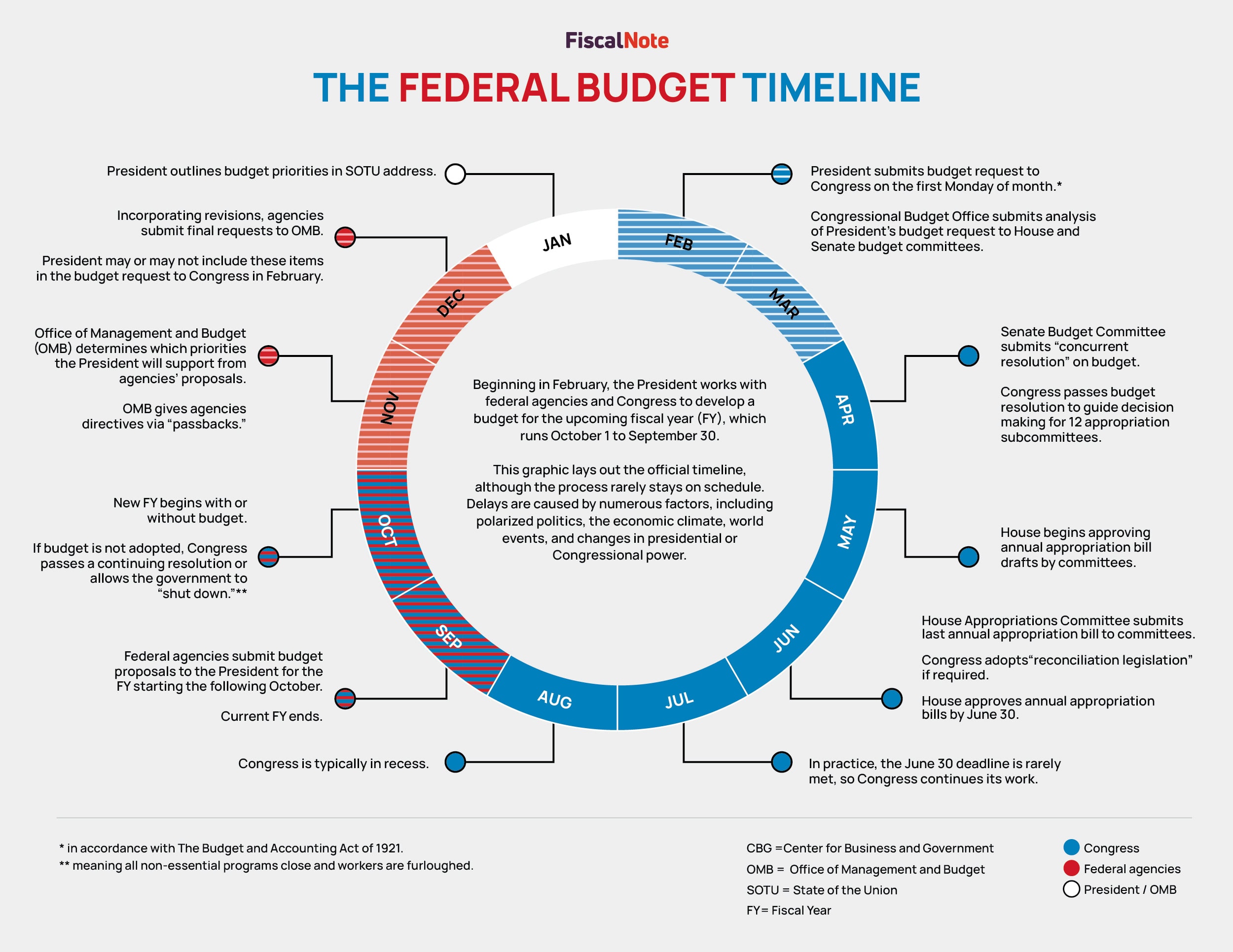
The primary mechanism defining the FTC budget is the interplay between discretionary appropriations and offsetting collections. This structure was designed to ensure that the industries necessitating the most oversight—specifically those engaged in significant merger activity—bear a portion of the administrative costs.
Direct Congressional Appropriations
Congress provides a specific "budget authority" for each fiscal year. This figure represents the maximum amount the FTC is authorized to spend. However, the amount the Treasury actually pays out (the net appropriation) is often significantly lower than the total budget authority because it is offset by the fees the agency collects. For policy makers, the key figure is the "Total Budget Authority," which represents the agency's actual operational capacity.
Offsetting Collections: The Hart-Scott-Rodino (HSR) Fees
The vast majority of the FTC’s non-appropriated funding comes from fees mandated by the Hart-Scott-Rodino (HSR) Antitrust Improvements Act of 1976. Companies planning a merger or acquisition above certain valuation thresholds must file a notification with both the FTC and the Department of Justice (DOJ).
In 2022, the passage of the Merger Filing Fee Modernization Act fundamentally restructured these fees. By 2026, the impact of this legislation is fully realized, having shifted the financial burden toward larger transactions. Fees for deals valued at $5 billion or more have increased substantially, while fees for smaller transactions have been adjusted to reflect inflation. These collections are split equally between the FTC and the Antitrust Division of the DOJ.
Strategic Allocation Across the Three Bureaus
Once the budget is secured, it is distributed among the FTC’s three primary operational arms. Each bureau has distinct requirements for staffing, expert testimony, and litigation support.
1. The Bureau of Competition
The Bureau of Competition is the agency’s antitrust arm. Its budget is primarily consumed by long-term litigation against alleged monopolies and the intensive review of proposed mergers. In 2026, a significant portion of this bureau's funding is dedicated to the Antitrust Division, which requires high-level economists and specialized legal counsel to challenge complex vertical and horizontal integrations in the technology and healthcare sectors.
2. The Bureau of Consumer Protection
This bureau focuses on "unfair or deceptive acts or practices." Its budget covers everything from telemarketing fraud and "Made in USA" claim verification to massive data privacy investigations. In recent years, the Bureau of Consumer Protection has required increased funding for its Division of Privacy and Identity Protection, reflecting the rise in AI-driven scams and large-scale data breaches that require sophisticated forensic auditing.
3. The Bureau of Economics
The Bureau of Economics provides the empirical foundation for the other two bureaus. Its staff conducts the cost-benefit analyses and market studies that determine whether a merger will likely lead to higher prices for consumers. Because this bureau relies heavily on Ph.D.-level economists and data scientists, its budget is heavily weighted toward human capital and data procurement.
The Role of the Office of Technology
A critical development in the FTC’s budgetary evolution has been the formalization and expansion of the Office of Technology (OT). Established to keep pace with rapid developments in artificial intelligence, algorithmic decision-making, and digital advertising markets, the OT represents a shift in how the FTC views its resource needs.
Policy makers must note that the OT’s budget is not just for hardware; it is for specialized talent. To compete with the private sector, the FTC must offer competitive salaries for technologists who can reverse-engineer algorithms or identify dark patterns in user interfaces. This technical capacity is now a prerequisite for effective enforcement in nearly every sector the FTC oversees, making it a permanent and growing fixture of the annual budget justification.
Fiscal Year 2026: Budgetary Benchmarks and Trends
To understand the current fiscal landscape, it is helpful to examine the trend of budget authority over the past several years. The following table provides a representative overview of the FTC’s funding components based on recent historical data and the 2026 projections.
| Fiscal Component | FY 2024 (Actual) | FY 2025 (Enacted) | FY 2026 (Projected/Request) |
|---|---|---|---|
| Total Budget Authority | $425.7 Million | $450.0 Million | $535.0 Million |
| Offsetting Collections (Fees) | $190.0 Million | $220.0 Million | $250.0 Million |
| Net Appropriation (Tax-Funded) | $235.7 Million | $230.0 Million | $285.0 Million |
| Full-Time Equivalents (Staff) | 1,350 | 1,420 | 1,600 |
Note: Figures are representative of the Congressional Budget Justifications and reflect the agency's push for expanded enforcement capacity.
The data indicates a clear trajectory: a reliance on both higher filing fees and increased net appropriations to support a larger workforce. The increase in Full-Time Equivalents (FTEs) is a primary driver of the budget, as the FTC is a labor-intensive agency where the "product" is legal and economic analysis.
Litigation Costs and the Expert Witness Gap
A significant portion of the FTC’s non-salary budget is allocated to litigation support. When the FTC sues to block a merger or stop a fraudulent scheme, it must hire external expert witnesses. These individuals are often academic experts or industry specialists who charge high hourly rates.
If the FTC’s budget does not keep pace with the rising costs of these experts, the agency may be forced to settle cases it would otherwise litigate or decline to investigate complex matters altogether. Policy makers should recognize that a "stagnant" budget in nominal terms is often a "decreasing" budget in real terms due to the inflation of legal and technical services.
The Impact of Supreme Court Rulings on Budgetary Needs
The 2021 Supreme Court decision in AMG Capital Management, LLC v. FTC significantly altered the agency’s financial landscape. The Court ruled that the FTC could no longer use Section 13(b) of the FTC Act to seek equitable monetary relief (such as restitution or disgorgement) directly in federal court.
Previously, the FTC could return billions of dollars to defrauded consumers through this mechanism. Without this tool, the FTC has had to pivot its strategy toward more complex administrative proceedings or rely on other statutes like the COVID-19 Consumer Protection Act or the Telemarketing Sales Rule. This shift has increased the administrative burden on the agency, requiring more staff hours to achieve the same level of consumer redress, which in turn increases the necessary budget to maintain historical levels of protection.
Frequently Asked Questions
Does the FTC keep the money it wins in lawsuits?
No. When the FTC wins a judgment or reaches a settlement that involves monetary redress, that money is typically returned to the affected consumers. If direct redress is not possible, the funds are usually deposited into the U.S. Treasury. The FTC’s operational budget is strictly limited to what Congress appropriates and what is collected via specific filing fees; it cannot "fund itself" through fines.
How do HSR fee changes affect the budget?
When merger activity in the economy slows down, the "offsetting collections" from HSR fees decrease. If Congress does not increase the net appropriation to compensate for this shortfall, the FTC may face a budget gap. Conversely, during periods of high merger activity, the fees may cover a larger portion of the budget, reducing the burden on the general taxpayer.
Why has the FTC budget increased so much recently?
The increases are primarily driven by three factors: the growing complexity of the digital economy, the need for specialized technical staff (the Office of Technology), and the rising costs of litigating against well-resourced multinational corporations. Additionally, post-2022 legislation explicitly authorized higher fees to ensure the agency had the resources to handle a surge in large-scale acquisitions.
What happens if the FTC exceeds its budget?
Like all federal agencies, the FTC is bound by the Anti-Deficiency Act, which prohibits spending in excess of congressional appropriations. If the agency faces a shortfall—often due to lower-than-expected fee collections—it must either receive a supplemental appropriation from Congress or reduce its operational expenses, which usually results in hiring freezes or a reduction in new investigations.
Who oversees how the FTC spends its money?
The FTC’s spending is overseen by the Office of Inspector General (OIG), which conducts audits to prevent waste, fraud, and abuse. Additionally, the agency must provide an annual Congressional Budget Justification, a detailed report that explains exactly how every dollar was spent and why the requested amount for the following year is necessary.
Recommendations for Policy Analysis
Policy makers evaluating the FTC budget for the 2026-2027 cycle should prioritize the following actions:
- Assess the Fee-to-Appropriation Ratio: Determine if the current HSR fee structure is sufficiently covering the costs of merger review without placing an undue burden on the Treasury.
- Monitor Staffing Levels in the Office of Technology: Ensure that the agency is successfully recruiting and retaining technical talent, as this is the primary bottleneck for enforcement in the AI and privacy sectors.
- Evaluate Litigation Support Funding: Review whether the "Non-Salary" portion of the budget is adequate for the agency to challenge large-scale mergers effectively in federal court.
- Address the Redress Gap: Consider legislative fixes to restore the agency’s ability to seek consumer redress directly, which would improve the efficiency of the Bureau of Consumer Protection’s spending.
The FTC's budget is a vital indicator of the federal government's commitment to maintaining competitive markets. In 2026, as technology continues to reshape commerce, the agency's fiscal adequacy will determine the boundary between a regulated market and one dominated by unchecked consolidation.
Image Gallery