The Impact of Medicare Advantage Ads on Beneficiaries and Healthcare Coverage
Medicare Advantage advertisements significantly shape how millions of older adults choose their healthcare coverage. While these marketing campaigns raise awareness about zero-dollar premiums and additional perks like dental or vision...
Medicare Advantage advertisements significantly shape how millions of older adults choose their healthcare coverage. While these marketing campaigns raise awareness about zero-dollar premiums and additional perks like dental or vision care, aggressive tactics frequently obscure network limitations, prior authorization rules, and potential out-of-pocket expenses. Consequently, federal regulators have enacted strict marketing oversight to protect beneficiaries from misleading claims.
Contents
The Rise and Reach of Medicare Advantage Marketing
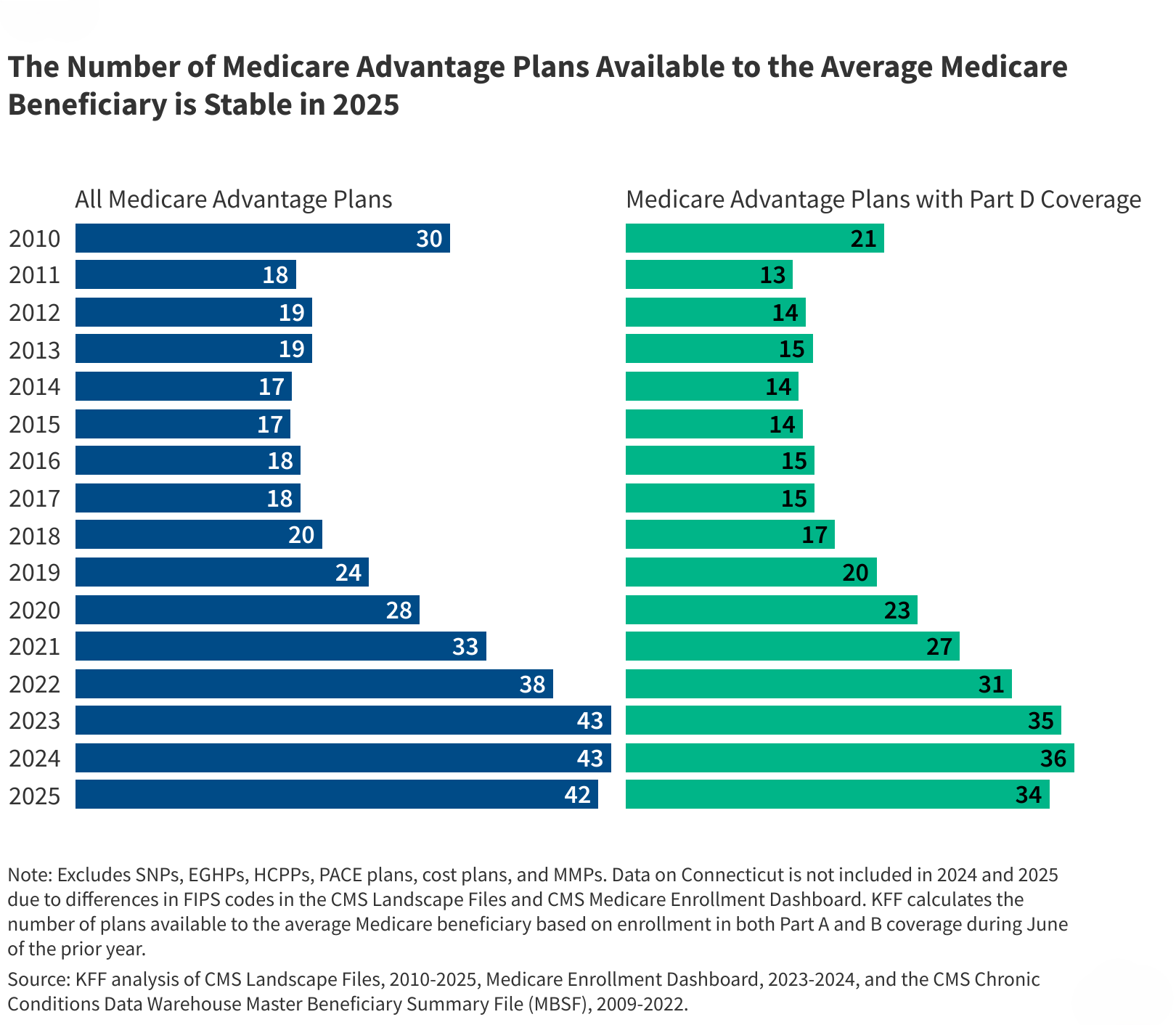
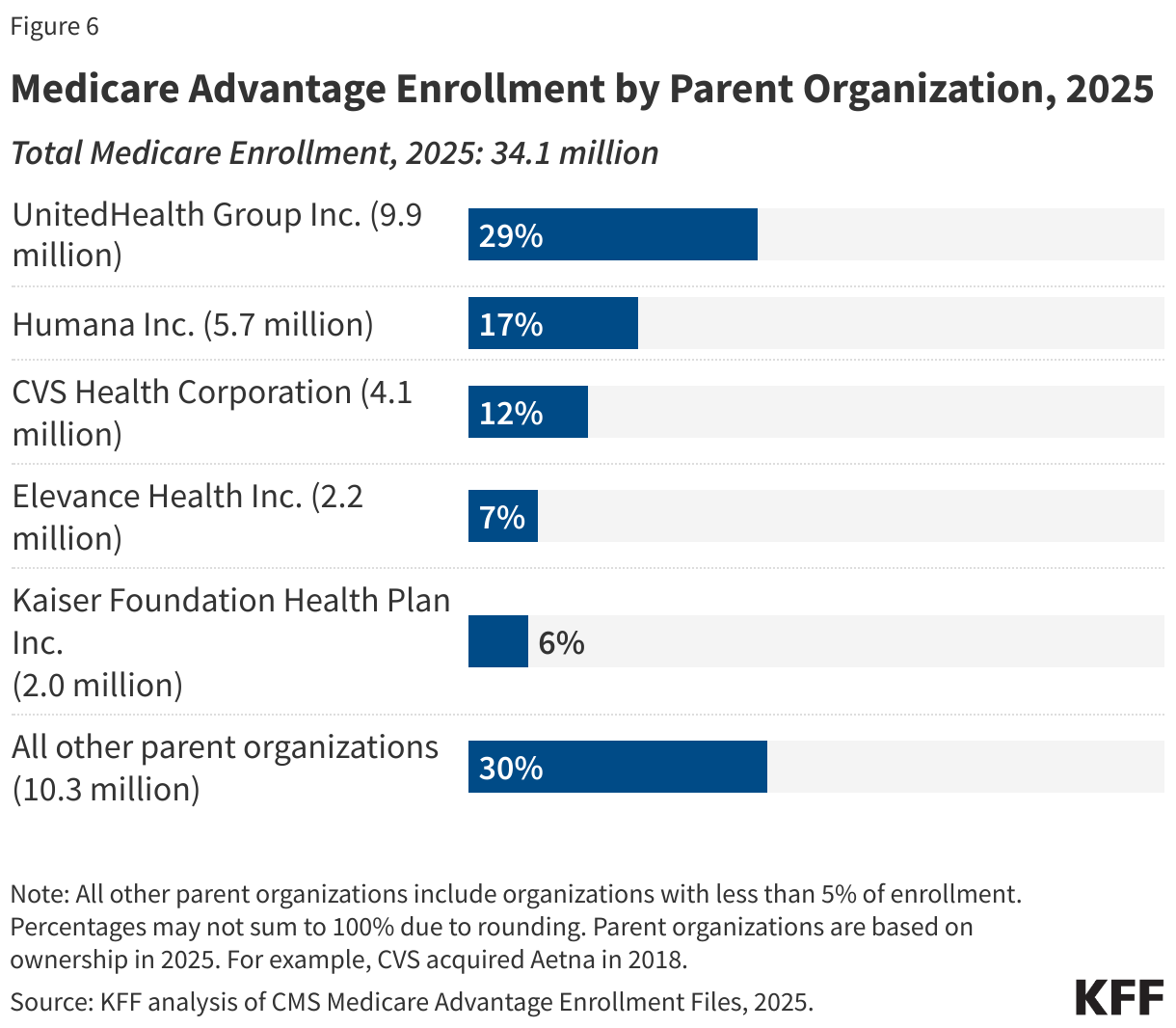
Over the past decade, enrollment in Medicare Advantage (Medicare Part C) has grown to represent over half of all eligible Medicare beneficiaries. Parallel to this enrollment growth is a massive expansion in marketing expenditures. Private health insurance companies and Third-Party Marketing Organizations (TPMOs) deploy multi-channel advertising strategies spanning television commercials, digital search ads, direct mail, and automated phone calls.
A substantial portion of this advertising is driven by lead-generation firms rather than health plans directly. TPMOs capture consumer attention through high-volume television ads—frequently featuring recognizable celebrity endorsers or urgent warnings about deadlines—and route interested callers to field marketing organizations or independent brokers.
According to research from the KFF (Kaiser Family Foundation), television advertising during the annual Medicare Open Enrollment Period heavily emphasizes financial savings and supplemental benefits that are not included in Original Medicare. However, these national advertising campaigns often fail to explain that benefit availability, premium costs, and provider networks vary significantly depending on the beneficiary's specific county and zip code.
How Marketing Shapes Beneficiary Decision-Making
Medicare Advantage advertisements heavily influence how beneficiaries perceive their coverage options. By highlighting attractive incentives while omitting operational rules, marketing campaigns create specific cognitive biases that affect plan selection.
- Aggressive Ad Campaigns
- Promotes: $0 Premiums, Flex Cards, Dental/Vision
- Uninformed Plan Selection
- Beneficiary enrolls based on broad promotional perks
- Real-World Care Obstacles
- Narrow Networks • Prior Authorization • Out-of-Pocket
The Appeal of "Zero-Dollar" Premiums and Flex Cards
The central focal point of most Medicare Advantage commercials is the $0 monthly plan premium. Advertisements routinely frame these plans as a way to receive free healthcare or "get money back" in a Social Security check through Part B premium giveback provisions.
While $0 premium plans are widely available, they are not completely cost-free. Beneficiaries must continue paying their monthly Medicare Part B premium unless they qualify for specific low-income assistance programs or reside in an area offering a full Part B rebate. Furthermore, plans offset zero-dollar monthly premiums by utilizing copayments, coinsurance, and deductibles at the point of care, alongside strict annual out-of-pocket maximums.
Similarly, "flex cards"—debit cards loaded with pre-funded allowances for over-the-counter items, groceries, or utility payments—are frequently advertised as universal benefits. In reality, the highest debit card amounts are generally restricted to Special Needs Plans (SNPs) designed for individuals who are dual-eligible for Medicare and Medicaid or manage specific chronic conditions.
Obscuring Care Restrictions: Networks and Prior Authorization
While commercials emphasize supplemental benefits like free gym memberships or routine dental cleanings, they rarely mention the primary structural differences between Original Medicare and Medicare Advantage:
- Provider Networks: Medicare Advantage plans utilize Health Maintenance Organization (HMO) or Preferred Provider Organization (PPO) networks. Seeing an out-of-network physician can lead to higher out-of-pocket costs or complete denial of coverage, whereas Original Medicare allows beneficiaries to see any provider nationwide who accepts Medicare.
- Prior Authorization: Private insurers frequently require prior authorization before approving specialized testing, complex procedures, inpatient rehabilitation, or skilled nursing care. Commercials almost never mention these administrative hurdles, which can cause treatment delays or coverage denials.
- Mid-Year Network Changes: Hospitals and medical groups may contractually exit a Medicare Advantage network mid-year, leaving enrolled patients without access to their long-term specialists without triggering a Special Enrollment Period to switch plans.
Regulatory Responses to Misleading Advertisements
The sharp increase in consumer complaints regarding deceptive sales practices prompted detailed investigations by the U.S. Senate Finance Committee. Congressional findings highlighted rampant instances of misleading TV ads, aggressive telemarketing, and improper plan switching performed without explicit consumer consent.
In response, the Centers for Medicare & Medicaid Services (CMS) instituted sweeping regulatory updates designed to curb predatory marketing and restore transparency to the Medicare Advantage market.
CMS Regulatory Chronology
- 2022-2023: Senate Inquiry & Consumer Reports
- 2024: Pre-Clear Rules & Imagery Limits
- 2025-2026: Broker Cap Rules & Opt-In Protocols
Key CMS Marketing Rules
Recent regulatory actions enforced by CMS include strict guidelines governing how health plans and third-party marketers interact with prospective enrollees:
- Pre-Clearance of TPMO Advertisements: All television, radio, and digital advertisements created by TPMOs that promote generic Medicare Advantage benefits must be submitted to CMS for review prior to broadcast or distribution.
- Prohibition of Official Branding: Advertisers are banned from using the official Medicare name, logo, or official Medicare card imagery in ways that imply federal endorsement or deceive seniors into believing they are contacting a government entity.
- Limits on Non-Plan Specific Benefit Advertising: Commercials cannot advertise specific dollar amounts or benefit details (such as flex card balances) unless the ad clearly identifies the specific health plan offering that benefit and the geographic area where it is available.
- Restrictions on Cold Contact and Data Reselling: Lead generation agencies are prohibited from selling beneficiary contact information to multiple third parties without explicit, opt-in permission for each individual contact channel.
- Broker Compensation Rules: CMS updated agent and broker compensation caps to eliminate administrative payments from insurers that historically incentivized brokers to steer seniors into specific commercial plans rather than recommending the most medically appropriate option.
To safeguard consumers against unfair deceptive trade practices in lead generation, the Federal Trade Commission (FTC) collaborates with healthcare regulators to monitor telemarketing activities and enforce compliance across corporate lead buyers.
Comparing Marketing Claims vs. Plan Realities
Understanding the difference between what advertisements promise and how plans operate in practice helps beneficiaries evaluate their options accurately.
| Advertised Benefit / Claim | Common Advertising Framing | Plan Reality & Operational Nuance | Verification Checklist for Enrollees |
|---|---|---|---|
| "Zero-Dollar Monthly Premium" | Implies the plan costs nothing to join or maintain. | Beneficiaries must still pay the standard Medicare Part B premium unless fully subsidized. | Verify whether the plan requires Part B premium payment and review copayments for medical care. |
| "Money Back in Your Check" | Framed as a cash refund added directly to Social Security payments. | Refers to Part B Premium Giveback benefits, which are only available in select zip codes and specific plans. | Check if the giveback applies to your zip code and whether it reduces other core medical benefits. |
| "Comprehensive Dental & Vision" | Suggested as unlimited routine and specialty dental coverage. | Often subject to low annual coverage caps (e.g., $1,000–$1,500 total), narrow dental networks, or strict coinsurance. | Review the Evidence of Coverage (EOC) document for annual benefit maximums and covered procedure codes. |
| "Flex Cards for Expenses" | Promoted as hundreds of dollars per month in cash-equivalent allowance for all enrollees. | Often restricted to Special Needs Plans (SNPs) or conditional on qualifying chronic illnesses and financial status. | Confirm eligibility requirements with the plan prior to enrollment rather than relying on general ads. |
| "Keep Your Own Doctor" | Implies broad, unrestricted provider choices identical to Original Medicare. | Doctors must belong to the plan's specific network (HMO or PPO) and agree to accept the plan's contracted payment terms. | Call your preferred doctors and hospitals directly to confirm active network participation for the exact plan ID. |
How to Navigate Medicare Advantage Advertising Safely
Consumers, caregivers, and advocates must approach Medicare Advantage advertising critically. By using official evaluation tools and following a structured review process, beneficiaries can select coverage that aligns with their actual medical needs and financial constraints.
1. Cross-Reference Claims on Medicare.gov
Never enroll in a plan based solely on a phone call or television commercial. Instead, use the official Medicare Plan Finder tool hosted on Medicare.gov. By entering your specific zip code, primary care physicians, preferred hospital systems, and exact prescription medications, the Plan Finder displays an objective, side-by-side comparison of:
- Estimated total annual out-of-pocket spending (including drug costs).
- Star ratings reflecting plan quality, customer service, and care management.
- Comprehensive drug formularies and tier structures.
- Specific network participation status for local providers.
2. Consult Unbiased Counseling Resources
Beneficiaries seeking assistance without commercial bias can contact their local State Health Insurance Assistance Program (SHIP). SHIP provides free, objective, one-on-one counseling through trained volunteers who do not sell insurance or receive commissions from health plans.
3. Identify Marketing Red Flags
Be alert to deceptive marketing practices during phone calls, online ads, or in-person seminars. Red flags include:
- Callers claiming to represent "Medicare," the "Social Security Administration," or the federal government.
- High-pressure tactics claiming you will lose your Medicare benefits if you do not sign up immediately.
- Claims that a specific plan is "recommended by Medicare."
- Agents attempting to sell non-health products, such as life insurance or annuities, during a Medicare Advantage sales presentation.
- Solicitations asking for your Medicare number or banking information before you have formally reviewed and selected a plan.
Frequently Asked Questions
Do Medicare Advantage ads come directly from the federal government?
No. The federal government operates Original Medicare (Part A and Part B) and does not air commercial ads endorsing specific private plans. Advertisements for Medicare Advantage are produced by private commercial insurance companies or independent Third-Party Marketing Organizations (TPMOs). While CMS regulates these ads, it does not create or sponsor them.
What should I do if I was enrolled in a plan without my knowledge or based on misleading information?
If you believe you were enrolled in a Medicare Advantage plan due to deceptive marketing or without your clear consent, contact 1-800-MEDICARE (1-800-633-4227) immediately to file a formal complaint. CMS maintains a Special Enrollment Period (SEP) for individuals impacted by marketing misrepresentation, allowing affected beneficiaries to disenroll or switch back to Original Medicare or another plan.
Are supplemental benefits like dental, vision, and flex cards guaranteed for the full year?
While covered benefits listed in a plan's official Evidence of Coverage (EOC) document remain active for the calendar year, specific details—such as participating dental providers or over-the-counter item catalogs—can adjust. Additionally, Medicare Advantage contracts are renewed annually between health plans and CMS, meaning benefits, copays, and networks can change from one calendar year to the next.
Why do some Medicare Advantage ads promise money back in my Social Security check?
Some Medicare Advantage plans offer a "Part B Premium Reduction" benefit (often called a giveback). If a plan includes this benefit, the insurer pays a portion of your monthly Medicare Part B premium on your behalf. That amount is credited back through your Social Security check or reduced on your monthly Part B premium bill. However, this feature is only offered by specific plans in certain regions and is not universally available.
How does prior authorization work under Medicare Advantage?
Prior authorization requires your doctor to request approval from your Medicare Advantage plan before performing specific procedures, ordering specialized diagnostic scans, prescribing certain drugs, or admitting you to post-acute care facilities. If the plan determines the care is not medically necessary according to its internal criteria, it may deny coverage, requiring you or your doctor to submit a formal appeal.
Strategic Guidance and Next Steps
Evaluating Medicare coverage requires balancing upfront cost savings against long-term access to specialized medical care. To protect yourself or a family member from misleading commercial claims, follow these practical steps:
- Document Your Healthcare Needs: Create a comprehensive list of your current primary care doctors, specialists, preferred hospitals, and monthly prescription medications (including exact dosages).
- Review Official Notices Annually: If currently enrolled in a Medicare Advantage plan, review the Annual Notice of Change (ANOC) sent every September to check for upcoming changes to your plan's premiums, copays, formulary, or provider network.
- Verify Plan Networks Directly: Do not rely on generic broker assurances regarding network status. Call your primary care physician and key specialists directly to confirm that they will remain in-network for the specific plan contract number you are considering.
- Use Official State and Federal Support: Conduct plan searches through Medicare.gov or schedule a counseling session with your state's SHIP agency before making mid-year or open enrollment choices.
Disclaimer: This article provides general educational information regarding Medicare options and marketing regulations. Healthcare decisions should be made in consultation with licensed professionals, official CMS guidance, or certified state health counselors.
Image Gallery