Elvis Illegitimate Son Claim Examined: Evidence, DNA, and Legal Realities
To date, no individual claiming to be the illegitimate son of Elvis Presley has been legally recognized or biologically verified through the Presley Estate or court-sanctioned DNA testing. While several men, most notably Phillip Stanic...
To date, no individual claiming to be the illegitimate son of Elvis Presley has been legally recognized or biologically verified through the Presley Estate or court-sanctioned DNA testing. While several men, most notably Phillip Stanic (Elvis Presley Jr.), have sought to prove paternity through physical resemblance and anecdotal accounts, the official lineage remains limited to his daughter, the late Lisa Marie Presley, and her descendants.
Contents
Throughout the decades following the death of the "King of Rock and Roll" in 1977, the public's fascination with his private life has fueled numerous claims of secret offspring. These claims typically emerge from individuals born between the mid-1950s and the early 1960s, coinciding with the height of Elvis's touring career and his time in the U.S. Army. Examining these claims requires a multi-faceted approach involving genealogical records, the complexities of Y-chromosomal DNA testing, and the stringent legal standards maintained by Elvis Presley Enterprises (EPE).
The Most Prominent Claimants and Their Histories
The phenomenon of the "Elvis illegitimate son" is not limited to a single person; rather, it is a collection of high-profile cases that have surfaced periodically. Each claimant presents a unique narrative, often involving a brief encounter between their mother and the singer, followed by a lifetime of searching for validation.
Phillip Stanic (Elvis Presley Jr.)
Perhaps the most well-known claimant is Phillip Stanic, who legally changed his name to Elvis Presley Jr. in 1985. Born in 1961 in Gary, Indiana, Stanic claims that he was the result of a liaison between Elvis and a young woman named Angelique Anne Pettyjohn. According to Stanic’s narrative, he was given up for adoption and only later discovered his alleged heritage.
Stanic’s claim is unique because he successfully petitioned a court to use the name "Elvis Presley Jr." However, it is vital to distinguish between a legal name change and a legal finding of paternity. The court granted the name change based on the absence of objection and the claimant's professional use of the name, not on biological proof. In the years since, Stanic has built a career as an Elvis tribute artist, leaning heavily on his physical resemblance to the star. Despite his public presence, no DNA evidence connecting him to the Presley family has ever been released or verified by the estate.
John Smith and the "Galiher Case"
Another notable figure is John Smith, who authored books and presented documents suggesting he was the son of Elvis and a woman named Elizabeth Stephanie Galiher. Smith's claim often relies on what he describes as "hushed up" legal settlements and private acknowledgments by members of Elvis’s inner circle, the "Memphis Mafia." Like Stanic, Smith provides a compelling narrative, yet the lack of verifiable forensic evidence has prevented his claim from gaining traction beyond the realm of tabloid interest.
The Science of Verification: DNA and the Presley Lineage
In 2026, genetic genealogy has reached a level of precision that makes proving paternity theoretically simple, yet the "Elvis" case remains complex due to the lack of available reference samples and the cooperation of the estate.
The Role of Y-DNA Testing
For a male claiming to be Elvis’s son, the most definitive tool is Y-chromosomal DNA (Y-DNA) testing. Because the Y-chromosome is passed virtually unchanged from father to son, a legitimate male heir would share the exact Y-DNA profile as Vernon Presley (Elvis’s father) and Elvis himself.
To verify this, a claimant would need to compare their DNA against:
- A known direct sample: Rare, as samples taken during Elvis’s autopsy are not publicly available and are strictly guarded.
- Collateral male relatives: Descendants of Vernon Presley’s brothers or other male-line Presley relatives.
While several independent "Presley DNA Projects" exist on platforms like FamilyTreeDNA, they focus on broad genealogical history. No claimant has successfully matched a verified Vernon Presley male-line descendant in a way that has satisfied legal or academic scrutiny.
Autosomal DNA and "Cousin Matches"
With the rise of consumer DNA databases, some claimants have sought to find "cousin matches" among the extended Presley and Smith (Gladys Presley’s maiden name) families. While these matches can suggest a biological link, they do not specifically prove that Elvis was the father. A match could indicate a relationship to a different branch of the family or a more distant common ancestor, which is common in Southern genealogical lines with deep roots in specific counties.
Legal Barriers and the Presley Estate’s Position
The legal landscape surrounding illegitimate claims is fraught with obstacles. Under Tennessee law, and the laws of most jurisdictions, establishing paternity after the death of the father requires a high burden of proof, often involving "clear and convincing evidence."
| Legal Obstacle | Description | Impact on Claimants |
|---|---|---|
| Statute of Limitations | Most jurisdictions have specific timeframes in which a paternity claim must be filed following the father's death. | Many claims were brought forward decades too late to affect inheritance. |
| The 1985 Name Change Precedent | Courts distinguish between the right to a name and the right to an estate. | Claimants can call themselves "Presley" without being legal heirs. |
| Estate Privacy Rights | Elvis Presley Enterprises (EPE) is a private entity that protects the brand and intellectual property. | The estate is under no legal obligation to provide DNA samples to private individuals. |
| Succession Laws | Following Lisa Marie Presley's passing, the trust moved to her heirs (Riley Keough). | The current trust structure is legally robust and difficult for "new" heirs to penetrate. |
As of 2026, the estate, now overseen by Riley Keough as the sole trustee of the Promenade Trust, maintains the long-standing policy of not recognizing any claims of illegitimate children. The estate’s focus remains on the preservation of Graceland and the management of the Elvis brand, viewing these paternity claims as unsubstantiated rumors.
Analyzing Physical Resemblance and "The Look"
A common thread in "Elvis illegitimate son" claims is the striking physical resemblance the claimants often share with the singer. However, forensic experts and genealogists caution against using "the look" as primary evidence.
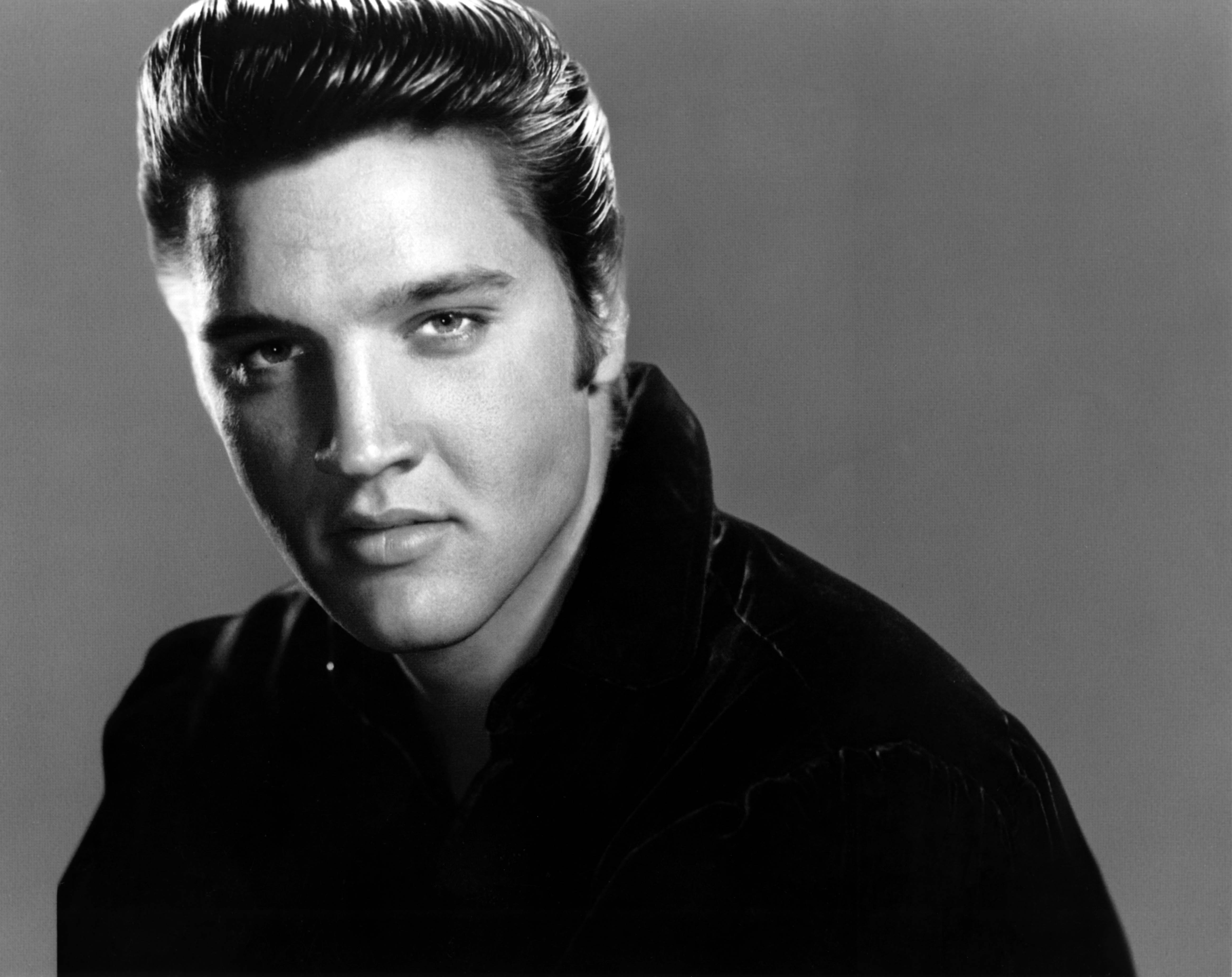
Elvis Presley’s features—the heavy eyelids, the specific jawline, and the dark hair (which he famously dyed)—have become iconic. In a population of millions, many men share these features naturally or enhance them through styling. Furthermore, the phenomenon of "look-alike" bias often leads observers to ignore differences and focus on similarities when a person is introduced as a potential relative. Without the "biological blueprint" of a DNA match, physical appearance remains purely circumstantial.
The Psychological and Cultural Appeal
Why do these claims persist decades after Elvis's death? Culturally, Elvis represents a mythological figure in American history. The idea of a "lost prince" or a hidden heir adds to the mystique of the Presley legend. For the claimants, the search is often about more than money; it is about identity and a desire to be connected to a cultural icon.
For the public, these stories mirror the archetypal "hero’s journey" where a common man discovers he is of "royal" lineage. This psychological appeal ensures that as long as Elvis’s music and image remain popular, new claims will likely continue to surface, regardless of the scientific or legal evidence to the contrary.
Frequently Asked Questions
Has any DNA test ever proven Elvis had a son?
No. There has never been a DNA test result published in a peer-reviewed journal or recognized by a court of law that proves the existence of a biological son of Elvis Presley. While some individuals claim to have private test results, these lack the chain of custody and comparative samples required for verification.
Why doesn't the Presley Estate just do a DNA test to settle this?
The estate has no legal or financial incentive to do so. Opening the door to DNA testing for one claimant would likely lead to a flood of others. From a management perspective, the estate views the matter as settled by the fact that only Lisa Marie was recognized by Elvis during his lifetime and listed in his will.
Can someone claim the estate now that Lisa Marie Presley has passed?
It is extremely unlikely. The estate transitioned into a trust (The Promenade Trust) that has clear succession lines. Any new claimant would have to overcome significant legal hurdles, including the statute of limitations for challenging a will and the rigorous requirements for proving paternity post-mortem.
Who is currently in charge of the Presley legacy in 2026?
Following the legal settlements in 2023, Riley Keough, the daughter of Lisa Marie Presley, serves as the sole trustee. She oversees the interests of the family and the management of Graceland, while Elvis Presley Enterprises continues to handle the commercial aspects of the brand.
Are there any female claimants?
Yes, there have been several women who claimed to be Elvis's illegitimate daughters. Like the male claimants, these cases often involve stories of brief encounters during the 1950s or 60s, but none have been verified or legally accepted by the Presley family.
Recommendation for Further Inquiry
If you are researching the genealogy of the Presley family or investigating specific paternity claims, it is essential to rely on primary source documents. Look for:
- Birth certificates: Original, non-amended certificates are vital.
- Court records: Review the specific findings of name-change petitions, which often state that the name change does not imply biological kinship.
- Genealogical Databases: Use Y-DNA projects to understand the genetic markers of the broader Presley family line.
Avoid relying on tabloid reports or self-published biographies that do not provide verifiable forensic data. In the absence of a court-ordered DNA comparison against a verified sample from the Presley line, the claim of an illegitimate son remains a matter of folklore rather than fact.
Image Gallery