Essential Types of Insurance and When Life Insurance Is Necessary
Life insurance becomes a financial necessity when your death would cause a significant financial hardship for others. It is primarily required for individuals with dependents, such as children or a non-working spouse, those with signif...
Life insurance becomes a financial necessity when your death would cause a significant financial hardship for others. It is primarily required for individuals with dependents, such as children or a non-working spouse, those with significant co-signed debts, or business owners needing to ensure continuity and succession planning.
Contents
Choosing the right insurance structure is a foundational element of a 2026 comprehensive financial plan. While the core concept of life insurance—providing a death benefit to beneficiaries—remains constant, the specific "when" and "how" of its application depend on evolving economic factors, family structures, and long-term wealth goals. Understanding the distinct types of coverage allows you to transition from being "covered" to being "strategically protected."
Determining When Life Insurance Is Factually Necessary
The necessity of life insurance is not dictated by age, but by financial liability and the presence of dependents. In the current 2026 economic environment, where the cost of living and education remains a primary concern for households, life insurance serves as a risk-mitigation tool that replaces the "human life value"—the present value of an individual's future earnings.
Supporting Financial Dependents
The most common trigger for life insurance is the birth or adoption of a child. If your income supports a minor or a person with a disability who cannot provide for themselves, life insurance is essential to cover future expenses like housing, healthcare, and education. Even for stay-at-home parents, coverage is necessary because the cost of replacing their domestic services (childcare, transportation, and home management) is a significant financial burden that the surviving parent would otherwise have to bear.
Managing Co-signed and Shared Debt
While some debts, like federal student loans, are often discharged upon death, many others are not. If you have a mortgage, a co-signed private student loan, or a joint business loan, the surviving co-signer or your estate remains liable for that debt. Life insurance ensures that your partner or co-signer is not left with a debt they cannot service on a single income, preventing potential foreclosure or insolvency.
Business Continuity and Buy-Sell Agreements
For entrepreneurs and partners in a firm, life insurance is a professional prerequisite. In a "buy-sell" agreement, life insurance provides the liquidity needed for surviving partners to buy out the deceased partner’s shares from their heirs. This prevents the heirs from being forced into a business they may not want to run, while ensuring the business can continue operations without a sudden capital drain.
Primary Types of Life Insurance: Term vs. Permanent
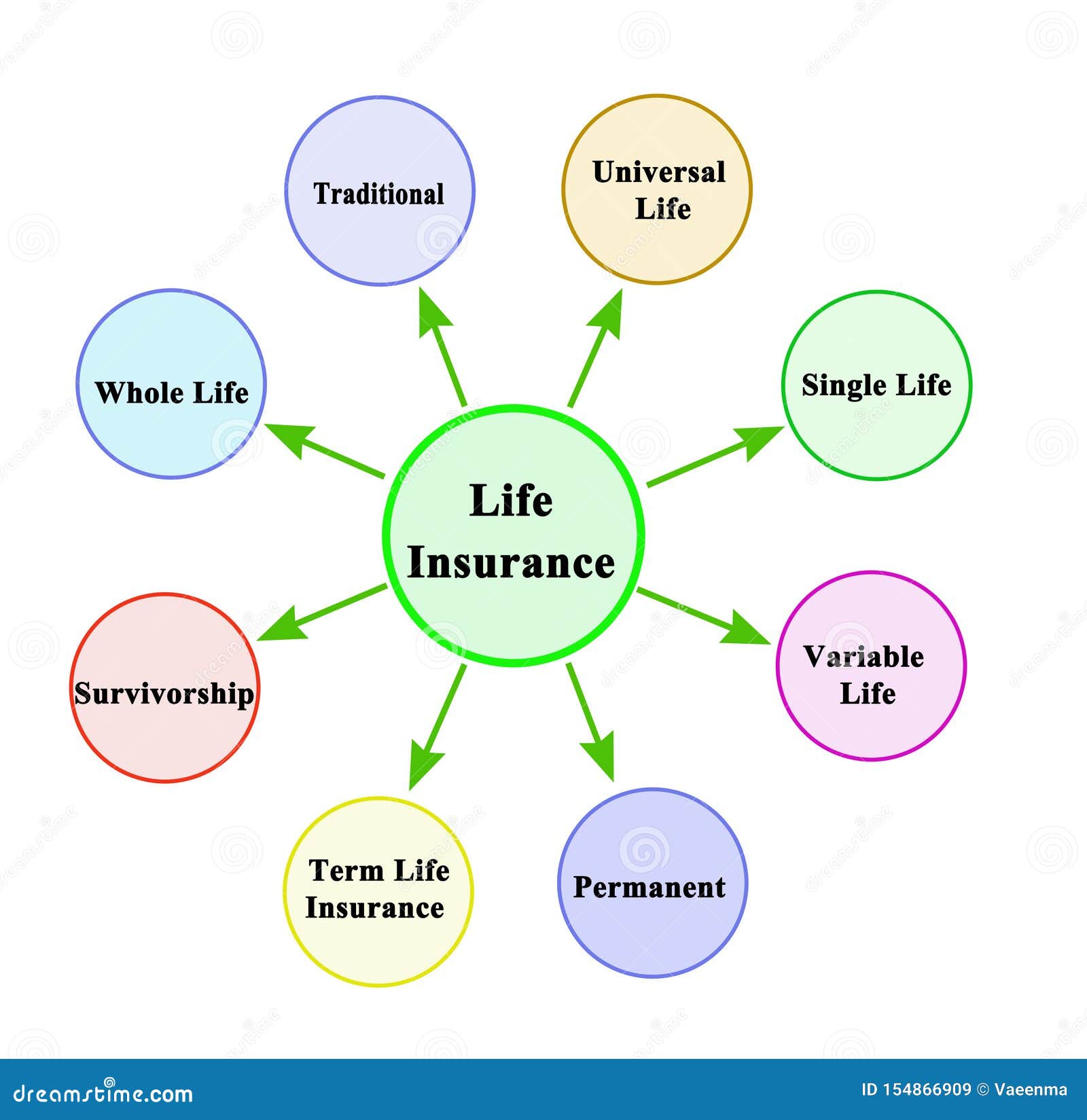
Once the necessity is established, the next step is selecting the vehicle. In 2026, the market is broadly divided between term policies, which offer temporary protection, and permanent policies, which combine a death benefit with a cash-value component.
Term Life Insurance
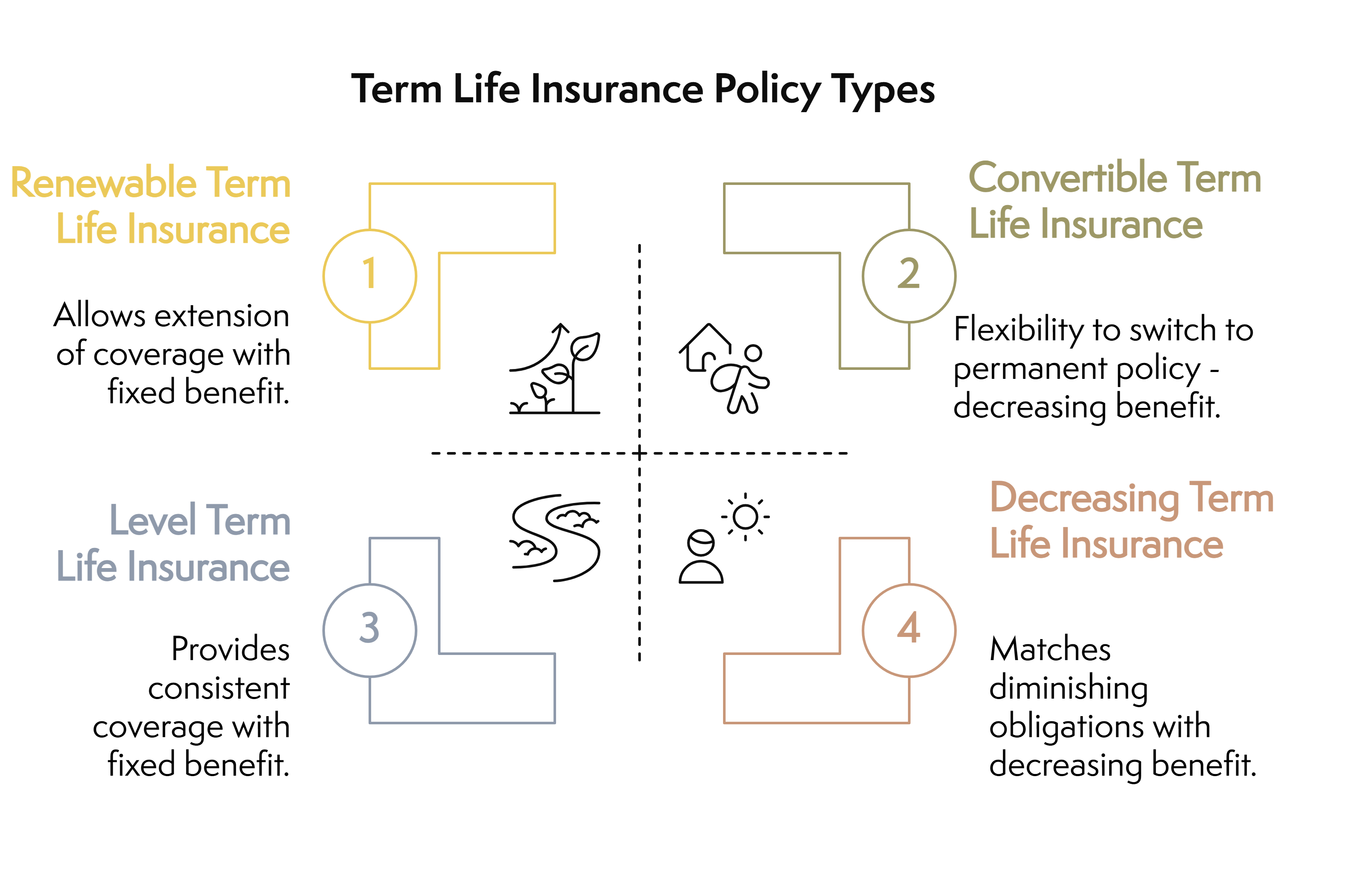
Term life insurance is the most straightforward and affordable type of coverage. It provides protection for a specific period, typically 10, 20, or 30 years. If the insured passes away during the term, the beneficiaries receive the death benefit; if the insured survives the term, the policy simply expires unless it is renewed at a significantly higher rate.
This type is ideal for "bridging" a period of high financial risk. For example, a parent might take out a 20-year term policy to cover the years until their children graduate from university and their mortgage is substantially paid down. In 2026, many carriers offer "convertible term," which allows the policyholder to switch to a permanent policy without a new medical exam, providing a valuable safety net if their health declines during the term.
Whole Life Insurance
As a form of permanent insurance, Whole Life provides coverage for the insured's entire lifetime, provided premiums are paid. It features a guaranteed death benefit and a cash-value component that grows at a fixed rate set by the insurer.
The primary advantage of Whole Life is its predictability and the "living benefits" of the cash value. Policyholders can borrow against the cash value for emergencies or use it to supplement retirement income. However, because a portion of the premium goes toward the cash value and the insurance is guaranteed for life, the premiums are significantly higher than term insurance—often five to ten times more expensive for the same death benefit.
Universal Life Insurance
Universal Life (UL) is a flexible-premium permanent policy. It allows policyholders to adjust their premium payments and death benefits as their financial situation changes. The cash value in a UL policy earns interest based on current market rates or a minimum guaranteed rate.
- Indexed Universal Life (IUL): These policies tie the cash value growth to a specific market index, such as the S&P 500, but usually include a "floor" to prevent losses during market downturns. In 2026, IULs are frequently used by high-net-worth individuals as a tax-advantaged vehicle for wealth accumulation.
- Variable Universal Life (VUL): This type allows the policyholder to invest the cash value in sub-accounts (similar to mutual funds). While it offers the highest potential for growth, it also carries the highest risk, as the cash value and even the death benefit can fluctuate based on market performance.
Specialized Insurance for Specific Life Scenarios
Beyond the standard term and permanent structures, there are specialized insurance products designed for niche financial needs.
Final Expense Insurance
Often referred to as "burial insurance," Final Expense is a small whole life policy designed specifically to cover end-of-life costs, such as funeral services and medical bills. These policies typically have a lower death benefit (ranging from $5,000 to $50,000) and are easier to qualify for, making them a common choice for seniors who no longer have dependents but want to ensure their family isn't burdened by funeral costs.
Accidental Death and Dismemberment (AD&D)
AD&D is not a substitute for traditional life insurance, but rather a supplement. It pays out only if the death is the result of a covered accident, or if the insured loses a limb, sight, or hearing. Because the "trigger" for payment is so specific, AD&D is much cheaper than standard life insurance, but it provides no protection against death by natural causes or illness, which account for the vast majority of fatalities.
Comparison of Life Insurance Types
The following table compares the most common insurance structures to help identify which aligns with specific financial goals in 2026.
| Feature | Term Life | Whole Life | Universal Life (UL/IUL) |
|---|---|---|---|
| Duration | Fixed period (10–30 years) | Entire lifetime | Entire lifetime |
| Premium Cost | Lowest | Highest (Fixed) | Moderate to High (Flexible) |
| Cash Value | None | Guaranteed growth | Performance-based growth |
| Death Benefit | Fixed | Guaranteed | Flexible/Adjustable |
| Best For | Income replacement, debt | Estate planning, lifelong legacy | Wealth accumulation, flexibility |
| Risk Level | Low | Low | Moderate to High |
Determining the Necessary Amount of Coverage
Deciding you need life insurance is only half the battle; the other half is determining the "how much." In 2026, financial advisors generally move away from simple "10x your salary" rules of thumb in favor of more precise calculations.
The DIME Formula
A common method used is the DIME formula, which stands for Debt, Income, Mortgage, and Education.
- Debt: Sum all outstanding debts (credit cards, car loans).
- Income: Multiply your annual salary by the number of years your family would need support.
- Mortgage: Include the total payoff amount for your home.
- Education: Estimate the future cost of university for all children.
By totaling these four categories, you arrive at a coverage amount that is tailored to your actual liabilities rather than a generic estimate.
Life Insurance as an Asset Class
For individuals who have already maximized their retirement accounts (like 401(k)s or IRAs), life insurance—specifically permanent policies—is often viewed as an additional asset class. The cash value grows tax-deferred, and death benefits are generally paid out income-tax-free to beneficiaries under Internal Revenue Code Section 101(a). This makes it a powerful tool for estate equalization and tax-efficient wealth transfer.
Common Mistakes to Avoid
Even when insurance is necessary, several pitfalls can undermine its effectiveness:
- Waiting Too Long: Life insurance premiums are based on age and health. Every year you wait increases the cost, and a sudden medical diagnosis can make you uninsurable.
- Relying Solely on Employer Policies: Many people believe their group life insurance through work is sufficient. However, these policies are usually limited to 1x or 2x your salary and typically do not follow you if you change jobs.
- Naming Minors as Beneficiaries: Insurance companies cannot pay a death benefit directly to a minor. If a minor is named without a trust or legal guardian established, the court may have to intervene, delaying the payout significantly.
Frequently Asked Questions
Is life insurance taxable in 2026?
Generally, the death benefit paid to a beneficiary is not considered taxable income. However, if the policy is part of a very large estate that exceeds federal or state estate tax thresholds, it may be subject to estate taxes. Additionally, any interest earned on the death benefit before it is paid out is taxable.
Can I have multiple life insurance policies?
Yes, it is common to "layer" policies. For example, you might have a 30-year term policy to cover your mortgage and a separate whole life policy to cover final expenses. As long as your total coverage is justifiable based on your income and assets, insurance companies allow multiple policies.
What happens if I outlive my term life policy?
If you outlive the term, the coverage ends. You will not receive any money back unless you have a "Return of Premium" (ROP) rider, which is more expensive. At the end of the term, you can often renew the policy on an annual basis, but the premiums usually become prohibitively expensive as you age.
Does my health status affect the type of insurance I can get?
Yes. Standard term and permanent policies require medical underwriting. If you have significant health issues, you may be steered toward "Simplified Issue" or "Guaranteed Issue" policies, which do not require a medical exam but have much higher premiums and lower coverage limits.
When should I review my life insurance needs?
You should review your coverage during major life events: marriage, divorce, the birth of a child, a significant increase in income, or the purchase of a new home. A review every three to five years is recommended to ensure the coverage still matches your current financial reality.
Practical Next Steps for 2026
If you have identified a need for life insurance, start by conducting a comprehensive audit of your current debts and future financial obligations. Use the DIME formula to establish a baseline coverage amount. Consult with an independent insurance agent who can compare quotes from multiple highly-rated carriers (those with an A.M. Best rating of A or higher) to ensure you are getting the most competitive rate for your health profile. Prioritize securing a policy while you are young and healthy to lock in the lowest possible premiums for the duration of your need.
Image Gallery