How Financial Aid Is Disbursed: A Complete Guide to Timing and Methods
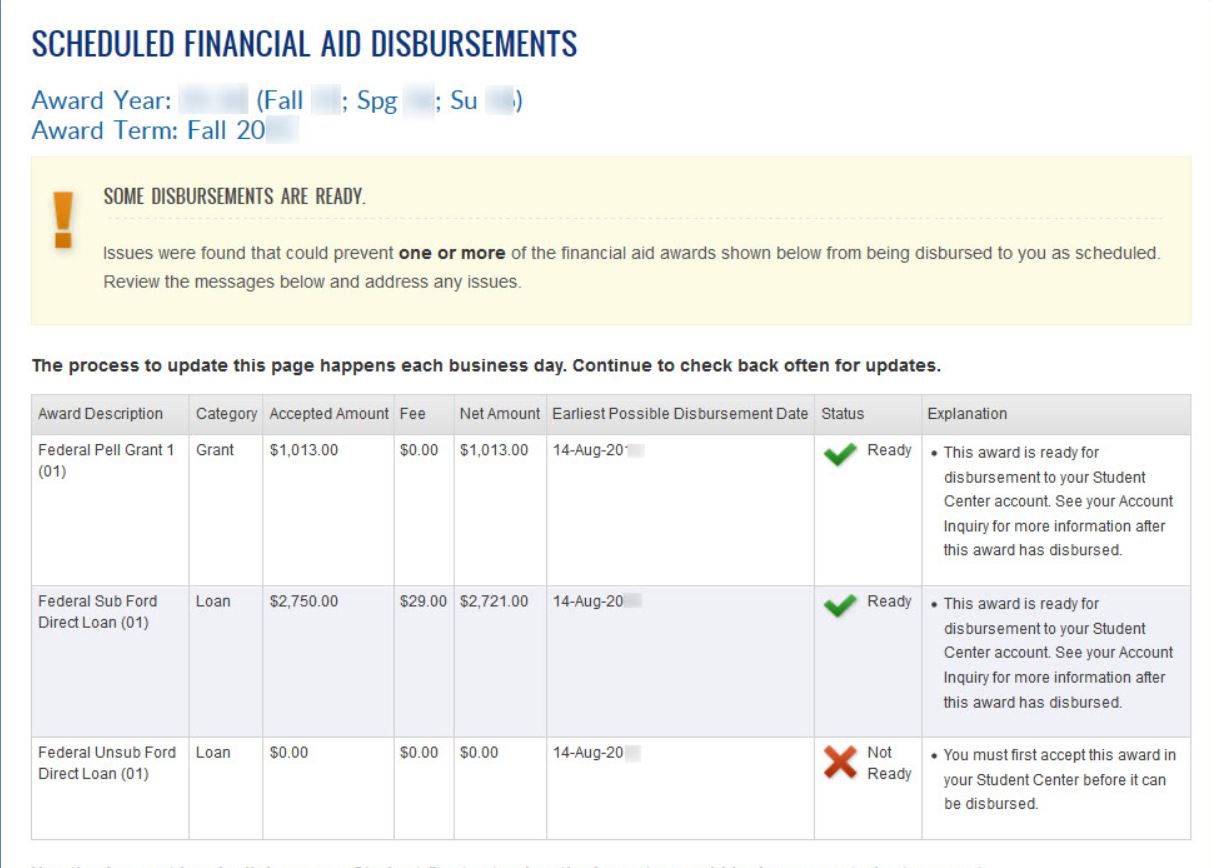
Financial aid is disbursed when your college or career school receives funds from federal, state, or private sources and applies them directly to your student account. This money is first used to cover tuition, fees, and on-campus hous...
Financial aid is disbursed when your college or career school receives funds from federal, state, or private sources and applies them directly to your student account. This money is first used to cover tuition, fees, and on-campus housing; any remaining funds are then issued to you as a refund for other educational expenses.
Contents
The process of receiving financial aid is often misunderstood as a single lump-sum payment delivered directly to the student. In reality, disbursement is a highly regulated, multi-step transaction managed by your school’s financial aid and bursar offices. Understanding the mechanics of this process for the 2026-2027 academic year is essential for budgeting and ensuring you have the necessary funds for books, supplies, and living expenses before classes begin.
The Prerequisites: What Must Happen Before Disbursement
Before a single dollar moves from a lender or the government to your school, several administrative requirements must be satisfied. These steps ensure that the student is eligible for the funds and understands the terms of any debt they are incurring. Failure to complete these "pre-flight" tasks is the most common reason for disbursement delays.
Completion of the FAFSA and Verification
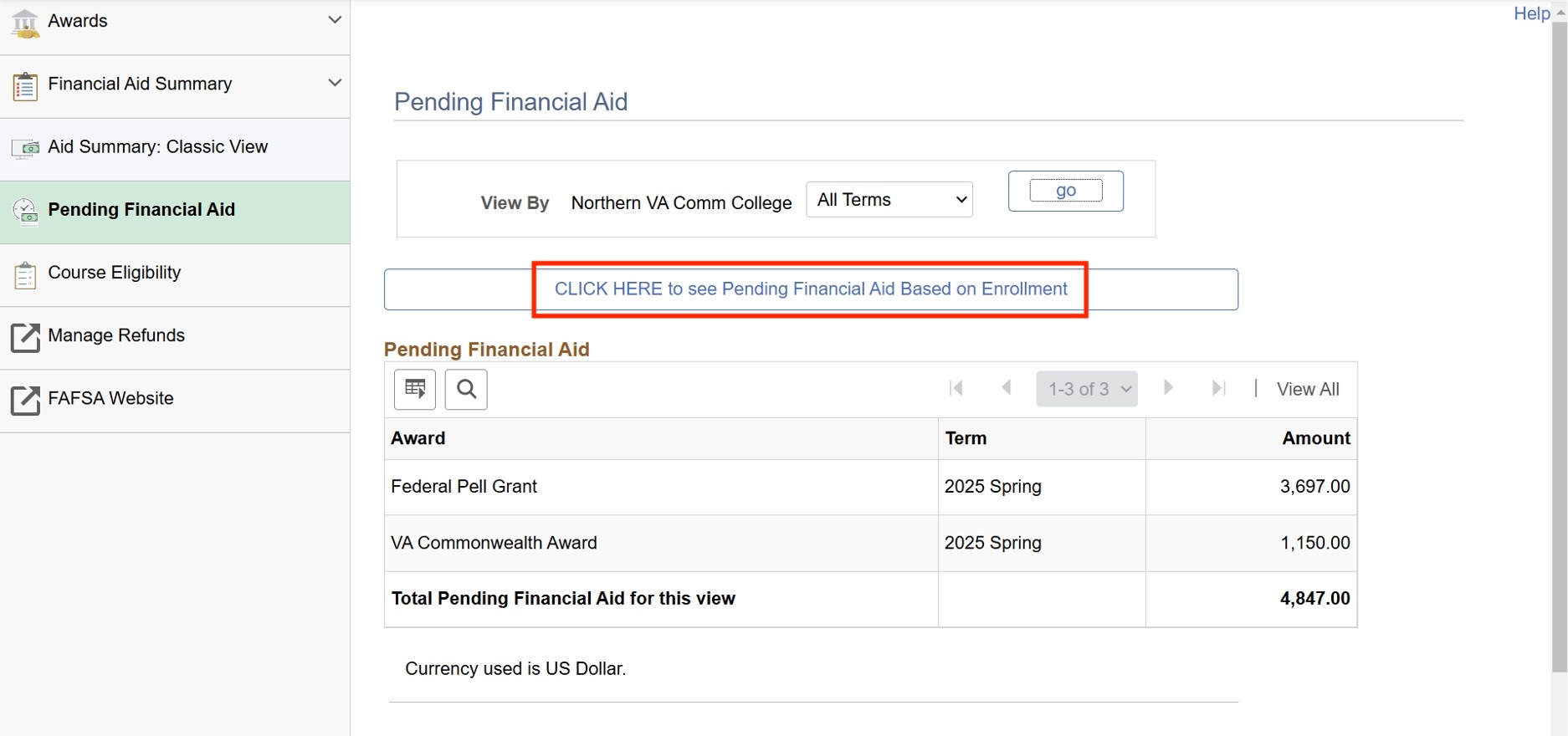
The journey begins with the Free Application for Federal Student Aid (FAFSA). For the 2026-2027 cycle, your FAFSA Submission Summary (FSS) outlines your eligibility. However, many students are selected for a process called "verification." This is essentially a financial audit where the school asks for tax transcripts or other documentation to prove the data on your FAFSA is accurate. Disbursement cannot occur until verification is fully resolved and your financial aid package is "accepted" in your student portal.
The Master Promissory Note (MPN) and Entrance Counseling
If your financial aid package includes federal Direct Loans, the government requires two specific actions. First, you must sign a Master Promissory Note (MPN), which is a legal document in which you promise to repay your loans and any accrued interest and fees. Second, first-time borrowers must complete Entrance Counseling. This mandatory session explains the obligations of the loan, interest rates, and repayment options. If these are not completed, the Department of Education will not release the funds to your school.
Enrollment and Attendance Requirements
Most financial aid programs require at least half-time enrollment to trigger a disbursement. Furthermore, schools are required to verify that students have actually begun attending their classes. In 2026, many institutions use "census dates"—usually a week or two into the semester—to finalize enrollment numbers before releasing the bulk of the financial aid. If you drop a class before this date and fall below half-time status, your disbursement may be canceled or significantly reduced.
The Disbursement Cycle: How the Money Moves
The actual movement of money follows a strict chronological order. It is important to distinguish between the date the school receives the money (disbursement) and the date you receive any leftover funds (refund).
The School as the Intermediary
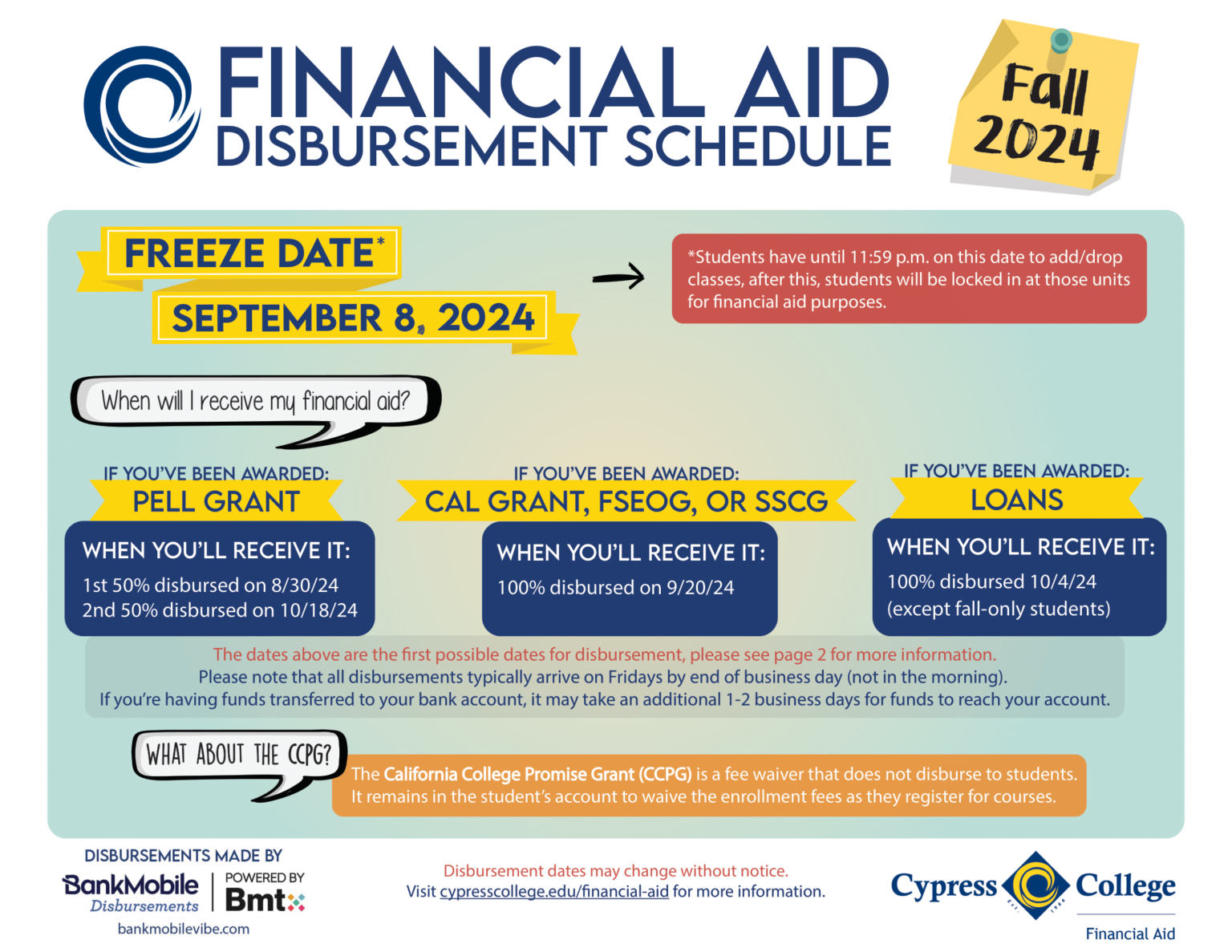
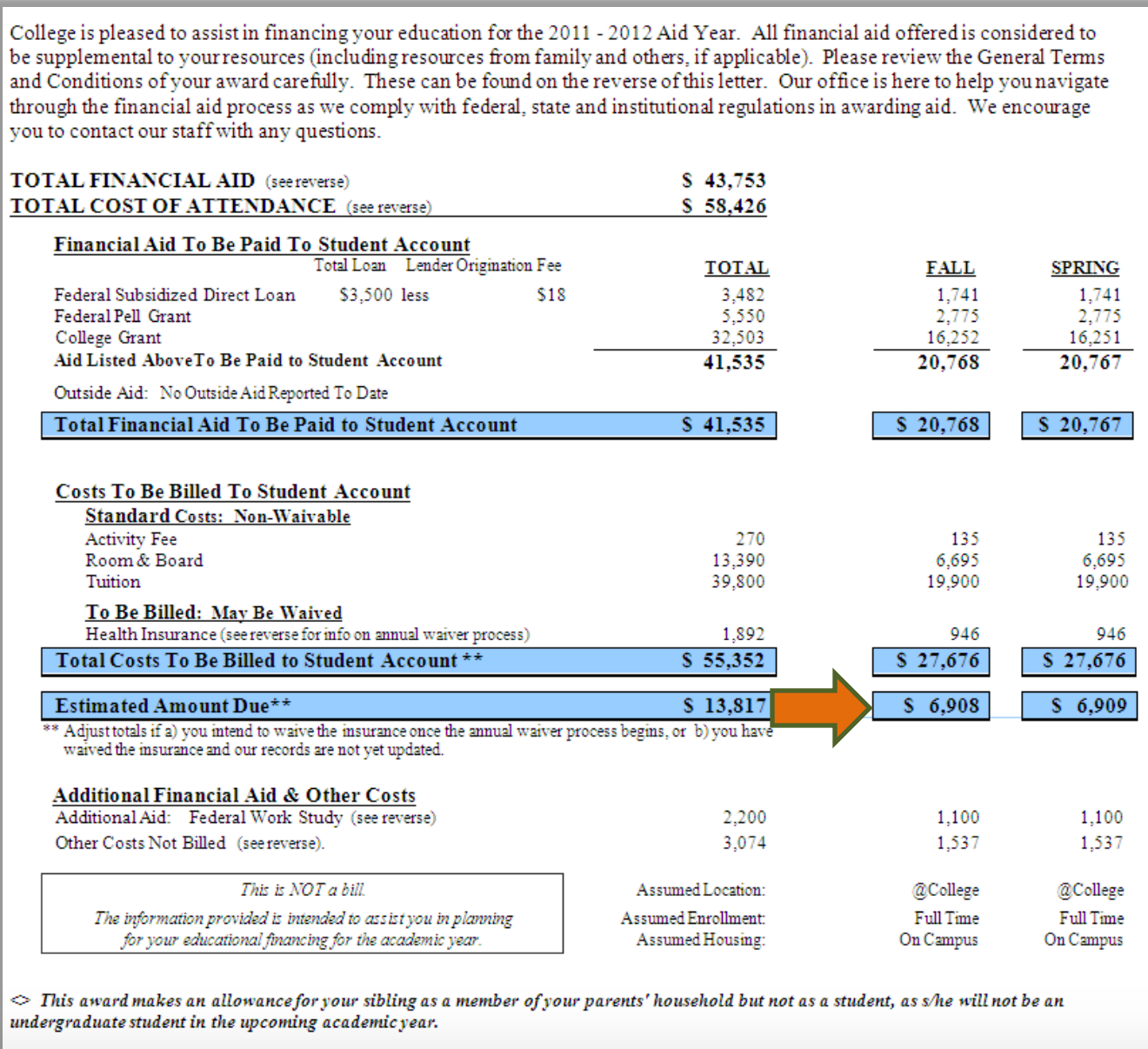
Federal law dictates that for most programs, the school must be the first recipient of the funds. When the disbursement date arrives—typically no earlier than 10 days before the first day of classes—the funds are electronically transferred to the school. The school then applies these funds to your "allowable" charges. These primarily include:
- Tuition and mandatory institutional fees.
- Room and board (if you live in campus-owned housing).
- Other institutional charges, such as lab fees or health insurance, provided you have given written authorization for aid to cover them.
Managing the "Credit Balance"
Once the school has deducted the costs of tuition and fees, there is often money left over, especially if you have maximized your federal student loans or received significant grants. This leftover amount is known as a credit balance. Under federal regulations, schools generally have 14 days from the date the credit balance occurred to pay that money to the student. This is the "refund" that students use for off-campus rent, groceries, and textbooks.
Multi-Term Distribution
Financial aid is almost never disbursed in one giant payment for the whole year. Instead, it is split equally across the academic terms. For a standard semester system, you will receive half in the fall and half in the spring. For quarter systems, the aid is split into thirds. This ensures that students have a consistent stream of funding throughout the year and prevents the total exhaustion of funds in the first few months of the academic cycle.
Comparison of Aid Types and Disbursement Characteristics
Not all financial aid is handled the same way. The source of the money often dictates the timing and the method of delivery.
| Aid Type | Disbursement Timing | Primary Delivery Method | Special Requirements |
|---|---|---|---|
| Federal Pell Grants | Once per term, usually at start | Applied to student account | Must maintain Pell eligibility and enrollment |
| Direct Subsidized/Unsubsidized Loans | Once per term | Applied to student account | MPN and Entrance Counseling required |
| Federal Work-Study | Ongoing throughout the term | Payroll check or direct deposit | Must find a job and work assigned hours |
| Private Student Loans | Usually once or twice per year | Electronic transfer to school | Often requires school certification of costs |
| Institutional Scholarships | Varies by school policy | Applied to student account | May require specific GPA or major |
How You Receive Your Refund
Once the school has cleared your tuition bill and identified a credit balance, they must deliver the remaining funds to you. In 2026, most schools offer three primary methods for receiving these funds, and your choice can impact how quickly you get your money.
Direct Deposit (Electronic Funds Transfer)
This is the fastest and most secure method. By linking your personal checking or savings account to your student portal, the school can trigger an electronic transfer as soon as the refund is processed. Funds typically appear in your account within 1 to 3 business days after the school initiates the transfer.
School-Issued Debit Cards
Some institutions partner with third-party financial services to issue "campus cards" that double as student IDs and debit cards. While these can provide immediate access to funds, students should be wary of potential fees associated with ATM withdrawals or monthly maintenance. You are not required to use these cards; federal law requires schools to offer at least one other "frictionless" way to receive your refund.
Paper Checks
While increasingly rare, paper checks are still an option at most institutions. This is generally the slowest method, as it relies on the postal service. Furthermore, students who do not have a permanent address on file may experience significant delays or lost payments. If you choose this method, ensure your mailing address is updated in the school’s registrar system well before the semester begins.
Factors That Can Delay Your Disbursement
Even if you have done everything correctly, external or institutional factors can sometimes pause the flow of funds. Identifying these early can prevent a financial crisis during the first week of school.
Satisfactory Academic Progress (SAP)
To remain eligible for federal and most state aid, you must meet your school’s Satisfactory Academic Progress standards. This typically involves maintaining a minimum GPA (usually 2.0) and completing a certain percentage of the courses you attempt. If you fall below these standards, your aid will be put on hold until you successfully appeal or improve your academic standing.
Late Application or Missing Documents
The "priority deadline" exists for a reason. Students who file their FAFSA or submit requested verification documents late in the summer may find themselves in a processing backlog. If the financial aid office hasn't finalized your package by the time the first tuition bill is due, the disbursement will be delayed, and you may be subject to late fees from the bursar’s office.
First-Year, First-Time Borrower Rules
Under federal regulations, some schools are required to delay the first disbursement of federal Direct Loans for 30 days for first-year, first-time undergraduate borrowers. This is a fraud-prevention measure. If your school falls into this category, you must be prepared to cover your initial educational expenses out of pocket or through other aid sources until that 30-day window closes.
Managing the Funds After Disbursement
The moment the refund hits your bank account, the responsibility shifts to you. It is important to remember that most of these funds—specifically the loans—must be repaid with interest.
Budgeting for the Full Term
Because you receive a single refund check to cover several months of living expenses, it is easy to overspend in the first few weeks. Financial advisors recommend dividing your refund by the number of months in the semester to create a monthly allowance. This ensures you can cover rent and utilities in December as easily as you did in September.
Returning Unused Loan Funds
If you receive a refund and realize you do not need the full amount for your education-related expenses, you have the right to cancel all or part of your loan. Usually, you have a window (often 14 to 30 days) to return the money to the school or the lender without being charged interest or fees on the returned portion. This is a highly effective way to reduce your overall student debt burden.
Frequently Asked Questions
Can my financial aid be disbursed if I am taking a gap semester?
No. Financial aid is tied to active enrollment. If you take a leave of absence or a gap semester, your aid for that period will be canceled. If you have already received a disbursement and then withdraw, you may be required to return a portion of those funds under the "Return to Title IV" regulations.
Why did my disbursement amount change at the last minute?
This usually happens due to a change in enrollment status. For example, if you were packaged as a full-time student but only registered for nine credits (three-quarter time), the school must recalculate your Pell Grant and other aid to match your actual enrollment level.
Will I receive my scholarship and my federal loans at the same time?
Not necessarily. While schools try to coordinate all aid to hit your account simultaneously, different sources have different processing times. Private scholarships, in particular, may arrive later in the semester if the donor sends a physical check to the school that requires manual processing.
What happens if my financial aid doesn't cover my full tuition bill?
If your disbursed aid is less than your total institutional charges, you are responsible for paying the "gap" or remaining balance. Most schools offer tuition payment plans that allow you to pay the difference in monthly installments rather than one lump sum.
Does financial aid cover my books before classes start?
Some schools offer a "book voucher" or "book advance" system. If you have an expected credit balance, the school may allow you to spend a portion of that credit at the campus bookstore before the actual disbursement date. However, if you plan to buy books from third-party retailers, you will likely need to pay out of pocket and reimburse yourself once your refund is processed.
Next Steps for Students
To ensure your 2026-2027 financial aid is disbursed without incident, log into your institution's student portal today. Check your "To-Do List" or "Action Items" for any missing documents, such as tax transcripts or the Master Promissory Note. Confirm that your direct deposit information is current and that your registered credit hours match the enrollment status listed on your financial aid offer. If you notice any discrepancies, contact your school’s financial aid office immediately to resolve them before the start-of-semester rush.
Image Gallery