Understanding Why the 2012 Lincoln MKZ Tire Size Matters for You
Selecting the correct tire size for a 2012 Lincoln MKZ is essential for maintaining the vehicle's handling, fuel efficiency, speedometer accuracy, and overall safety. Because tire dimensions directly influence how the car interacts wit...
Selecting the correct tire size for a 2012 Lincoln MKZ is essential for maintaining the vehicle's handling, fuel efficiency, speedometer accuracy, and overall safety. Because tire dimensions directly influence how the car interacts with the road, installing incorrect sizes can trigger electronic system errors, compromise braking distances, and accelerate suspension wear, necessitating a strict adherence to manufacturer specifications.
Contents
The Role of Tire Specifications in Vehicle Performance
The 2012 Lincoln MKZ was engineered with a specific tire-to-wheel relationship in mind. When engineers developed the suspension geometry and the Anti-lock Braking System (ABS) for this model, they calibrated these systems based on the tire's diameter, width, and aspect ratio. Deviating from these factory-recommended specifications forces the vehicle's onboard computers to process data that falls outside of their programmed parameters.
For the driver, this manifests in several ways. If the overall diameter of a new tire is significantly larger or smaller than the original factory equipment, the speedometer and odometer will read incorrectly. A larger tire will cause the speedometer to show a slower speed than the actual travel speed, potentially leading to unintentional speeding, while a smaller tire will cause the odometer to accumulate mileage faster than reality. Beyond simple accuracy, improper tire sizes can confuse the traction control system, which relies on rotational speed data to detect wheel slip. If your tires do not match the expected rolling diameter, these systems may engage prematurely or fail to activate when truly needed.
Decoding Your 2012 Lincoln MKZ Tire Size
To identify the correct size for your vehicle, you must look at the sidewall of the tires currently installed or refer to the tire information placard located on the driver-side door jamb. This placard is the primary source of truth, as it details the tire size, cold tire pressure, and load index specified by Lincoln for your specific trim level.
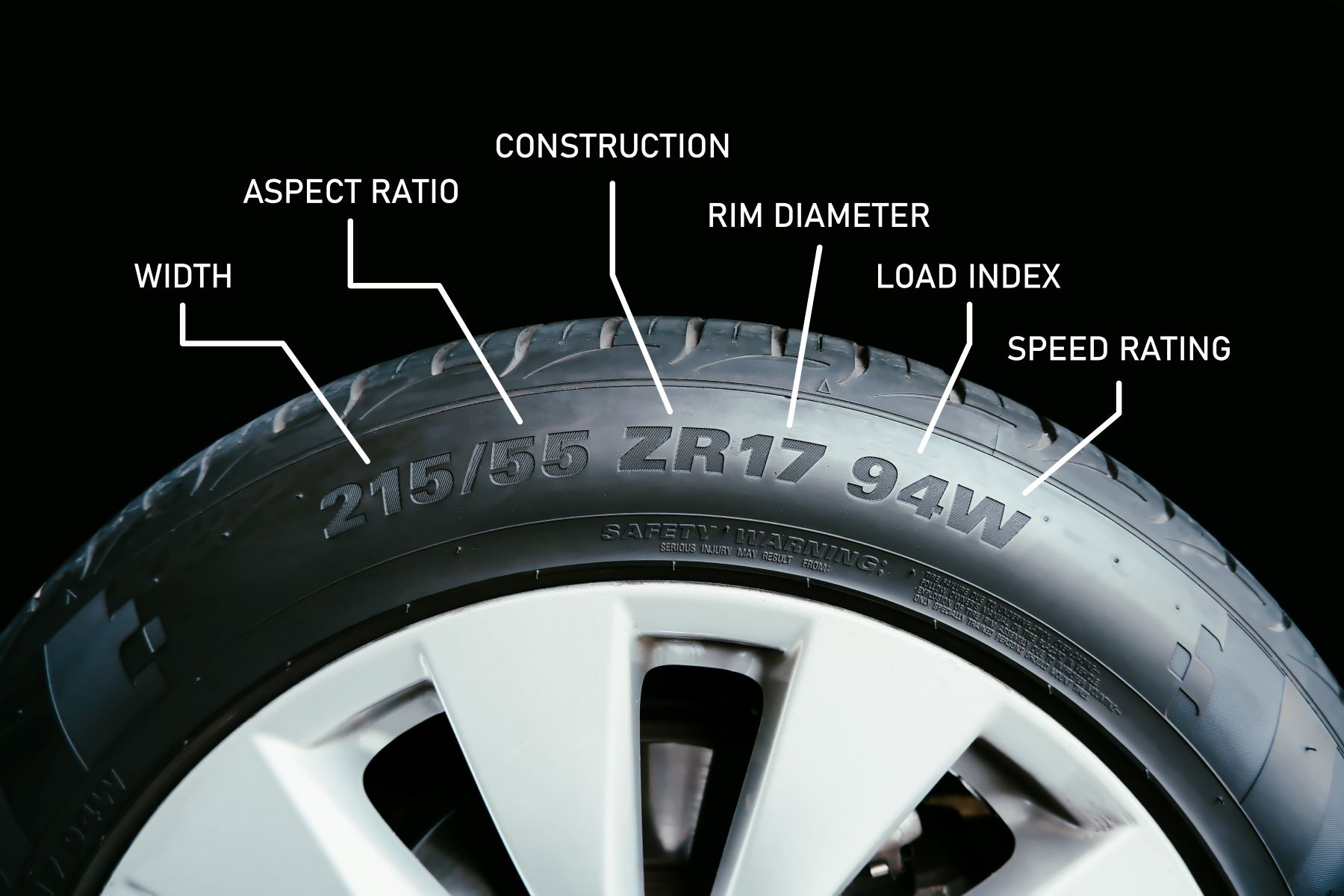
A typical tire sidewall marking for this vehicle appears as a sequence such as 225/50R17. Understanding this string is straightforward:
- 225: This is the section width of the tire in millimeters, measured from sidewall to sidewall.
- 50: This represents the aspect ratio, which is the height of the tire’s sidewall expressed as a percentage of the width. In this case, the height is 50% of the 225mm width.
- R: This indicates the radial construction of the tire, which is the industry standard for modern passenger vehicles.
- 17: This denotes the diameter of the wheel in inches that the tire is designed to fit.
It is common for the 2012 Lincoln MKZ to feature either 17-inch or 18-inch wheels, depending on whether the vehicle is the standard model or equipped with an optional appearance package. Never assume the size currently on the vehicle is correct, especially if you purchased the car used, as previous owners may have installed incorrect sizes.
Comparing Common Factory Tire Configurations
While the 2012 Lincoln MKZ generally calls for specific dimensions, different trim levels and optional equipment packages changed the requirements. Refer to the table below to understand the common factory configurations. Always cross-reference this with your vehicle’s door placard to ensure compatibility with your specific trim.
| Trim / Option Level | Tire Width (mm) | Aspect Ratio | Wheel Diameter (in) | Load/Speed Rating |
|---|---|---|---|---|
| Standard Trim | 225 | 50 | 17 | 94V |
| Optional/Appearance | 225 | 45 | 18 | 95V |
| Hybrid Model | 225 | 50 | 17 | 94V |
Note that the "Load Rating" (e.g., 94 or 95) and the "Speed Rating" (e.g., V) are just as critical as the physical dimensions. The load rating represents the maximum weight each tire can support, while the speed rating indicates the maximum speed the tire can sustain under recommended operating conditions. Fitting a tire with a lower load index than specified can lead to structural failure, especially when the vehicle is fully loaded with passengers or cargo.
The Impact of Incorrect Sizing on Suspension and Fuel Economy
The suspension system of the 2012 Lincoln MKZ is tuned for specific unsprung weight. Unsprung weight refers to the components of the car not supported by the suspension, such as wheels, tires, and brake assemblies. If you choose a tire size or a heavy aftermarket rim that significantly alters this weight, you disrupt the balance the engineers intended. This can lead to a harsh ride, premature failure of control arm bushings, and accelerated wear on wheel bearings.
Furthermore, fuel efficiency is directly tied to the rolling resistance and the overall weight of the tire. A wider, heavier tire may increase the rotational mass, forcing the engine to work harder to accelerate the vehicle from a standstill. For a driver concerned with maximizing the efficiency of the 2012 Lincoln MKZ, especially the Hybrid variant, sticking to the standard narrow, low-rolling-resistance tire specifications is the most effective way to maintain predicted gas mileage.
Why Load Index and Speed Rating Matter
Many drivers focus exclusively on the physical size of the tire while ignoring the load index and speed rating. This is a significant safety oversight. The load index is a numerical code that corresponds to the maximum carrying capacity of the tire. If your replacement tires have a lower load index than the original equipment, they may not be able to handle the weight of the vehicle during emergency maneuvers or when carrying a full complement of passengers.
Similarly, the speed rating ensures the tire can safely handle the heat generated during highway driving. While you may not drive your MKZ at its maximum speed capacity, a higher speed-rated tire generally utilizes a different rubber compound and internal construction that provides better stability and steering response. Downgrading to a lower speed rating can result in "mushy" handling or unpredictable behavior during high-speed cornering or sudden lane changes.
Practical Steps for Purchasing New Tires
When the time comes to replace your tires, follow this systematic approach to ensure you get the right product:
- Verify the Placard: Always check the driver-side door jamb sticker. This is the only way to be 100% certain of what the manufacturer required for your VIN.
- Match the Set: Always replace tires in sets of four, or at least in pairs on the same axle. Mixing different sizes, brands, or tread patterns on the same vehicle can cause dangerous handling imbalances.
- Check for Clearance: If you are considering changing your wheel size or opting for a different tire width, ensure there is adequate clearance in the wheel well. At full steering lock or during heavy suspension compression, an improperly sized tire can rub against the fender liner or suspension components, causing damage.
- Consider Seasonal Needs: Ensure the tires selected match your local climate. If you live in an area with harsh winters, verify that the replacement size is available in a dedicated winter compound, as all-season tires may not provide sufficient grip in freezing temperatures.
Frequently Asked Questions
Does changing my tire size void my insurance or warranty? While the 2012 Lincoln MKZ is no longer covered under the original manufacturer warranty, your auto insurance policy may be affected. If an accident occurs and it is determined that incorrect tires significantly contributed to the failure to stop or control the vehicle, some insurance providers may contest the claim. It is always safest to adhere to the manufacturer's specified tire sizes to ensure vehicle compliance.
Can I put wider tires on my 2012 Lincoln MKZ for better grip? You may be able to fit a slightly wider tire, but it is rarely recommended without professional guidance. Increased width can lead to rubbing, reduced fuel economy, and potential interference with the steering rack geometry. Unless you are upgrading the entire wheel and tire package with verified offset and clearance specs, it is best to stick to the factory width.
What happens if I mix tire sizes on the front and rear axles? Mixing tire sizes (staggered fitment) is not recommended for the 2012 Lincoln MKZ. Because it is primarily a front-wheel-drive platform, the vehicle relies on uniform tire rolling diameters for consistent handling and optimal operation of the ABS and traction control systems. Mismatched tires will cause these safety systems to function incorrectly.
How often should I check my tire pressure? Regardless of the tire size you choose, check your tire pressure at least once a month using a reliable gauge. The cold tire pressure indicated on the door placard is the baseline. Driving on under-inflated tires increases the risk of tire failure due to heat buildup and reduces the life of the tread.
Final Recommendation
To maintain the safety and performance of your 2012 Lincoln MKZ, prioritize tires that meet the exact size, load index, and speed rating listed on your driver-side door jamb. When purchasing, consult with a reputable tire retailer who can verify these specifications against your VIN to avoid common pitfalls associated with improper fitment. Always maintain the recommended tire pressure and rotate your tires every 5,000 to 7,500 miles to ensure even wear and longevity.
Image Gallery