Understanding the Turnover of SNL Cast Members Not Returning
The departure of Saturday Night Live (SNL) cast members is a cyclical phenomenon that occurs at the conclusion of each production season. Whether due to expired contracts, the pursuit of individual creative projects, or strategic shift...
The departure of Saturday Night Live (SNL) cast members is a cyclical phenomenon that occurs at the conclusion of each production season. Whether due to expired contracts, the pursuit of individual creative projects, or strategic shifts in the show’s ensemble balance, these departures significantly impact the show's comedic direction. Understanding the transition requires looking at contract structures, historical patterns of exit, and the influence of the show's executive production team on ensemble longevity.
Contents
The Dynamics of Cast Member Departures
Saturday Night Live functions as a unique incubator in the entertainment industry. Unlike traditional sitcoms where the cast remains static for years, SNL is designed for churn. The show relies on a constant influx of new talent to keep its sketches fresh and culturally relevant. When cast members announce they are not returning, it is usually the result of a deliberate, behind-the-scenes negotiation process that concludes in the late spring or early summer, following the end of the show’s broadcast season in May.
The primary driver for departures is often the natural conclusion of a performer's contract. Most new cast members sign multi-year deals. As these contracts near their expiration date, both the production team and the talent assess the performer's trajectory. If a performer has developed a successful film career or if the writers' room finds their comedic style no longer aligns with the show's current aesthetic, the decision is made to part ways.
Contractual Obligations and Creative Agency
When a performer is listed as a cast member not returning, it is frequently a mutual decision. A performer who has spent five to ten years on the show often reaches a point of diminishing returns. The intense schedule—which involves writing, table reads, and live performance every week—limits a performer's ability to take on lead roles in major motion pictures or develop their own series.
For the production, keeping a high-profile cast member who is increasingly unavailable can be counterproductive. Replacing a veteran with a new, hungry talent can invigorate the show’s writing and improve the ensemble's overall energy. This "refresh" cycle is a vital component of the show's survival, ensuring that it remains the preeminent venue for comedy sketch work in the United States.
Historical Patterns of Ensemble Rotation
Throughout its history, SNL has seen various waves of turnover. Some transitions are quiet, involving lesser-known feature players who depart after a single season. Others are monumental, such as the mass departures that occurred during transition years in the late 1980s or the post-pandemic era of the early 2020s.
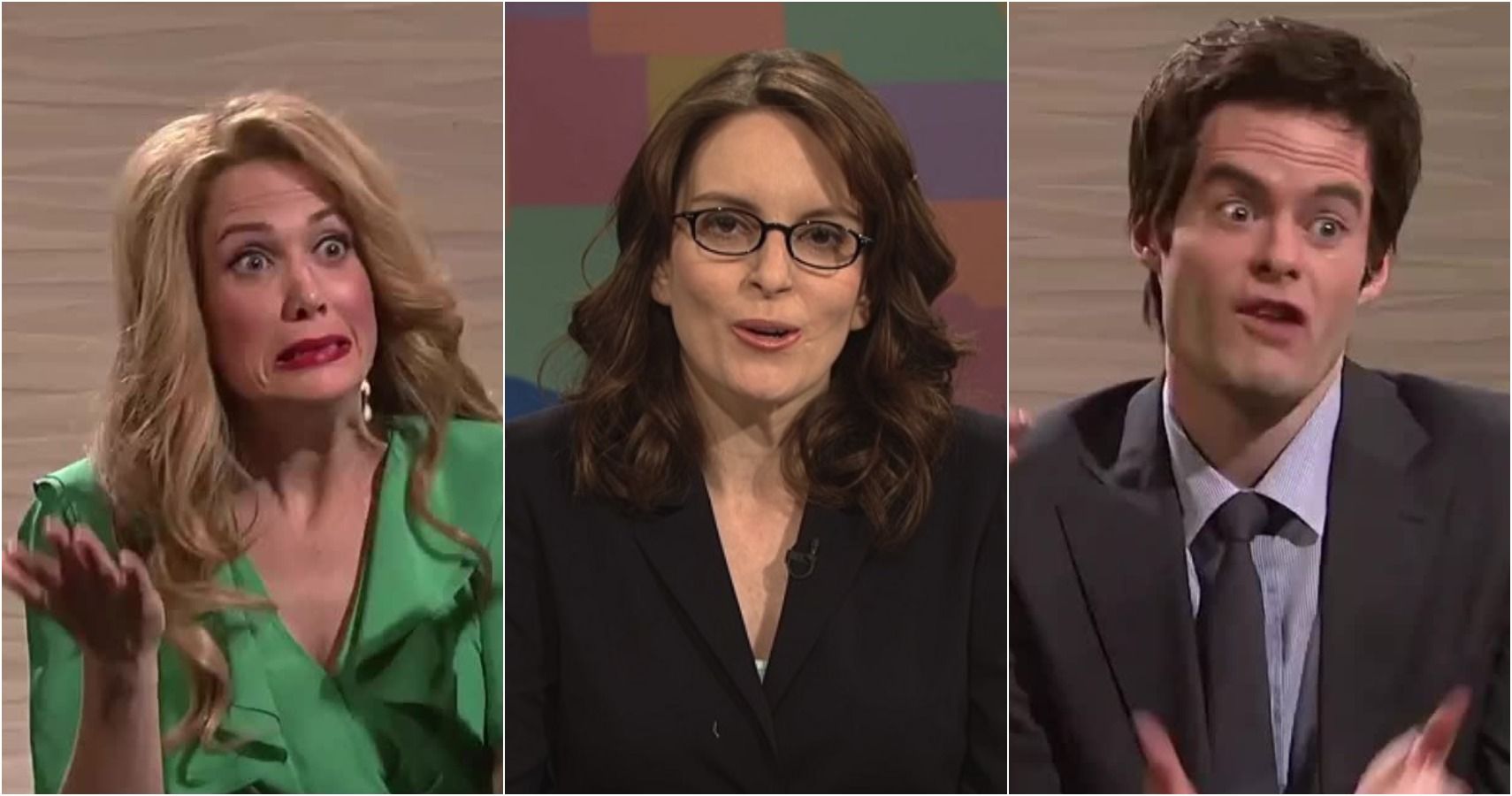
In 2026, the industry perspective on SNL departures remains consistent: the show is the star. While fans often associate the brand with specific icons like Eddie Murphy, Tina Fey, or Bill Hader, the model has proven resilient enough to survive the departure of any single performer. The transition period between seasons is the most active time for these announcements. Once the season finale airs, the show enters a quiet period where media outlets and production insiders begin tracking which performers remain in the fold for the upcoming autumn premiere.
Factors Influencing Departure Decisions
To understand why a cast member might not return, one must analyze the institutional pressures of the show. The following table categorizes the common drivers behind these exits.
| Reason for Departure | Description | Impact on Production |
|---|---|---|
| Contract Expiration | The standard multi-year term concludes without an extension. | Allows for a clean, non-adversarial exit. |
| External Projects | The actor has secured a film or series lead role. | Forces a departure due to scheduling conflicts. |
| Creative Stagnation | A lack of sketch time or reduced screen presence. | Enables the performer to seek new opportunities. |
| Strategic Refresh | Producers rotate talent to shift the show's comedic tone. | Introduces new voices and modern perspectives. |
The Impact of Succession Planning
The departure of a seasoned performer is not a crisis; it is a calculated element of the show's operational strategy. When a major player leaves, it creates a "void" that must be filled. This is the moment when "featured players"—the lower-tier cast members—often receive the opportunity to break out.
Succession planning in the writers' room is equally important. When a performer who specialized in specific character types or celebrity impressions leaves, the writers must adjust their sketches accordingly. The show’s leadership, including the executive producers and the writing supervisors, must identify which remaining cast members can absorb the "heavy lifting" left behind. This structural shift is what prevents the show from becoming stagnant, even after decades of continuous broadcasting.
How Talent is Managed During Transitions
The management of talent departures is handled with professional discretion. In many cases, the show’s public relations department works in tandem with the performer’s representation to announce the news. These announcements are rarely sudden; they are managed to ensure that the departing performer receives a proper tribute, often featuring a final sketch or a "best of" segment to celebrate their contributions. This maintains the prestige of the show as a stepping stone for future comedy legends.
Frequently Asked Questions
How are departures officially announced?
Departures are typically confirmed through a combination of trade press reporting and official social media statements by the network or the performer. There is no standard "last day" announcement, but news usually breaks in the months following the May season finale.
What is the difference between a repertory player and a featured player?
A repertory player is a senior cast member with a longer tenure and more contract security, while a featured player is typically a newer hire with a probationary contract. Departures are more common among featured players who are still establishing their fit within the ensemble.
Do cast members ever return after leaving?
Yes, former cast members frequently return to host the show or appear in cameo roles. A departure from the full-time cast does not end a performer's relationship with the show, and many maintain strong ties to the studio.
How does the show decide who to let go?
The decision involves a complex evaluation of the performer’s growth, the show’s current budget, and the creative vision of the executive producers. It is an internal business decision that balances the need for audience familiarity with the necessity of constant innovation.
Why do some cast members leave mid-season?
Mid-season departures are rare and usually occur due to unforeseen circumstances, such as sudden health issues, family emergencies, or unexpected professional opportunities that the performer and producers agree cannot be passed up.
Moving Forward: The Next Season
For viewers tracking which SNL cast members are not returning, the best approach is to monitor the official announcements released by the network during the summer hiatus. If you are a fan of a specific performer, follow their verified social media accounts, as they often provide the most personal context regarding their transition to new projects.
The cycle of departure and renewal is the heartbeat of Saturday Night Live. As we look ahead to upcoming seasons, expect to see the same pattern: veteran performers moving on to develop their own creative ventures, providing the necessary room for a new generation of writers and comedians to step into the spotlight.
Image Gallery