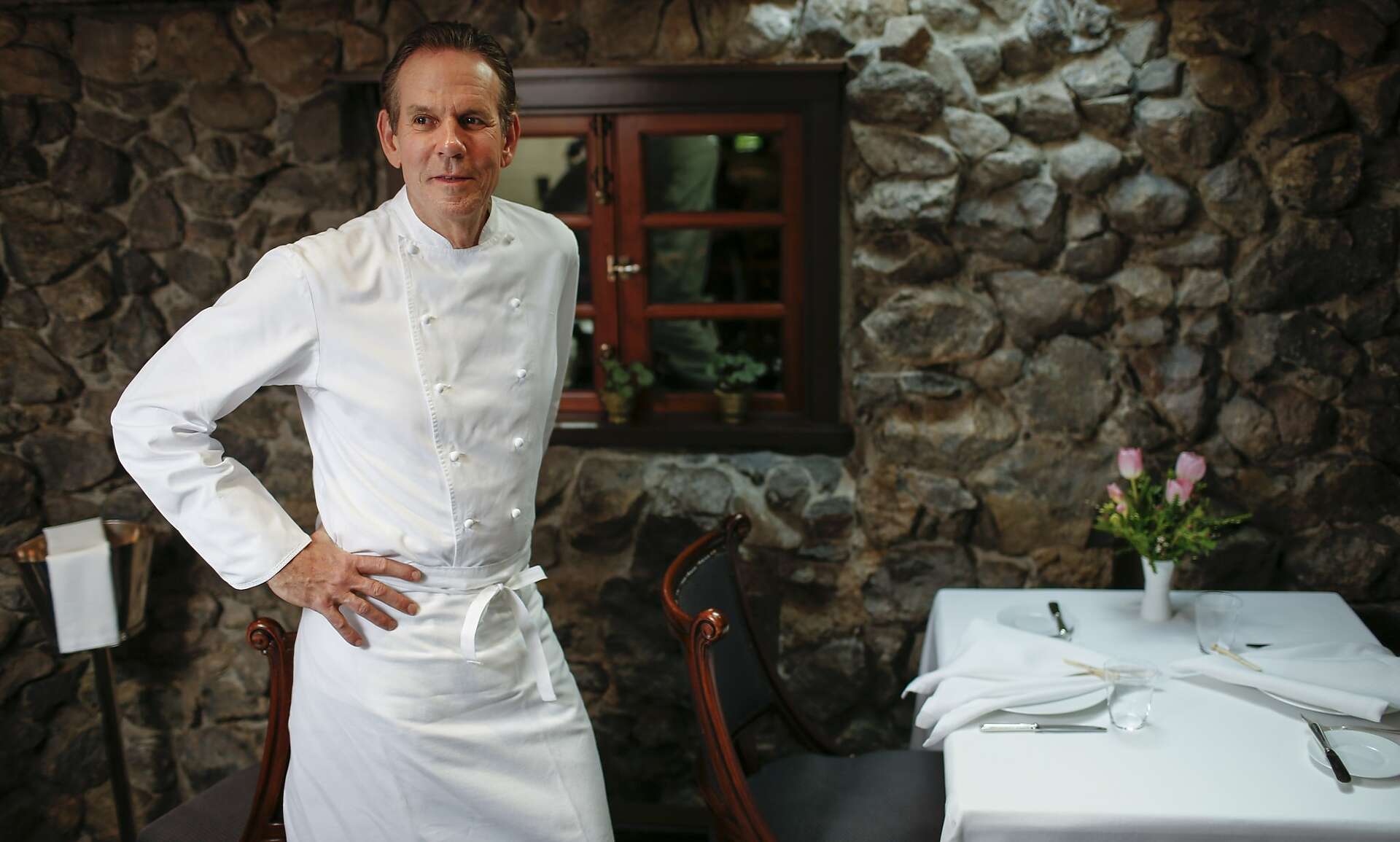
Why Is Thomas Keller Nice? Understanding the Chef’s Philosophy of Respect and Excellence
Chef Thomas Keller is widely regarded as "nice" due to his pioneering shift away from traditional, abusive kitchen dynamics toward a leadership culture grounded in quiet discipline, mutual respect, and continuous mentorship. Instead of...
Chef Thomas Keller is widely regarded as "nice" due to his pioneering shift away from traditional, abusive kitchen dynamics toward a leadership culture grounded in quiet discipline, mutual respect, and continuous mentorship. Instead of managing through intimidation, Keller emphasizes finesse, meticulous organization, and hospitality extended equally to culinary staff and dining guests.
Contents
The Origin of Keller’s Leadership Philosophy
For decades, elite professional kitchens—particularly those steeped in the traditional French brigade de cuisine system—were notorious for intense hostility, shouting, and physical intimidation. High-pressure environments often normalized toxic behavior as a necessary price for culinary perfection. Thomas Keller, the legendary chef and proprietor behind world-renowned establishments like The French Laundry in Yountville, California, and Per Se in New York City, deliberately chose a different path.
When Keller began building his restaurant empire in the early 1990s, he recognized that emotional volatility in the kitchen was inefficient. He believed that fear stifled creativity, caused unnecessary mistakes, and burnt out talented cooks. By replacing hostility with calm, structured guidance, Keller demonstrated that achieving three Michelin stars did not require ruling by terror. His reputation for being "nice" is not about a lack of rigor; rather, it reflects his belief that true excellence stems from psychological safety, mutual respect, and clarity of purpose.
- Traditional Brigade Culture
- Leadership by fear
- Volatile emotional tone
- High turnover & burnout
- Keller’s Disciplined Hospitality
- Quiet, clear communication
- Leadership by example
- Focus on mentorship & growth
Keller’s temperament was forged through years of relentless hard work, beginning as a dishwasher in his youth. Having experienced every tier of restaurant operations, he developed a deep empathy for back-of-house workers. That perspective laid the groundwork for a calm, composed, and encouraging leadership style that redefined modern fine dining management.
Core Pillars of Thomas Keller’s Kitchen Culture
Understanding why Thomas Keller is perceived as a warm, respectful, and composed figure requires examining the operational standards he established across his kitchens. His approach combines strict discipline with deep consideration for human dignity.
1. Quiet Communication and Emotional Control
In a typical Thomas Keller kitchen, screaming is strictly forbidden. Keller established a rule that feedback must be delivered calmly and constructively. Instead of yelling across the pass when a dish fails to meet standards, Keller or his executive chefs pull the cook aside to explain precisely what went wrong and how to correct it.
This commitment to quiet communication creates a focused atmosphere. Cooks can concentrate on delicate culinary tasks—such as saucing a plate or butchering delicate proteins—without the ambient noise and anxiety common in chaotic kitchens.
2. The Concept of "Finesse" and Attention to Detail
Keller defines finesse as doing something extra when no one else would notice, simply because it raises the baseline of quality. This philosophy applies to kitchen etiquette just as much as food preparation.
- Cleanliness as Respect: Kitchen counters are wiped continuously, and tools are kept in immaculate order. Keller believes a clean workspace reflects respect for the ingredients, the customer, and one's colleagues.
- Precision in Action: Even mundane tasks, such as cutting blue painter's tape with scissors rather than tearing it jaggedly, are treated as opportunities to practice mindfulness and pride in craftsmanship.
By instilling pride in small details, Keller eliminates the chaos that often leads to short tempers and angry outbursts in high-stress environments.
3. Leading by Example and the Blue Apron Tradition
Unlike chefs who stand at the pass wearing pristine white jackets while delegating all physical labor, Keller frequently works alongside his team. His staff observe him performing basic prep work, sweeping floors, and clearing stations.
Every member of Keller’s culinary team, from stagiaires to head chefs, wears a simple blue apron. This uniform tradition serves as a constant reminder of shared purpose and humility. By showing that no task is beneath him, Keller earns genuine respect rather than demanding obedience through authority.
Mentorship and Cultivating Culinary Talent
Another key reason behind Keller’s positive reputation is his extraordinary commitment to mentorship. Where some head chefs view ambitious subordinates as competitive threats, Keller actively invests in his staff's long-term professional development.
Nurturing World-Class Alumni
Keller’s kitchens have functioned as premier incubators for culinary talent. A remarkable number of acclaimed international chefs attribute their foundational skills and work ethic to their time working under Keller.
Notable alumni from Keller's establishments include:
- Grant Achatz: Owner and chef of the three-Michelin-starred Alinea in Chicago, who frequently cites Keller’s discipline and encouragement as instrumental to his career.
- Corey Lee: Founder of the three-Michelin-starred Benu in San Francisco, who served as head chef at The French Laundry for several years.
- Jonathan Benno: Former chef de cuisine at Per Se who went on to lead highly regarded dining programs in New York.
- Timothy Hollingsworth: Winner of Netflix’s The Final Table and former chef de cuisine at The French Laundry.
Instead of retaining talent forcefully or harboring resentment when cooks leave to launch their own projects, Keller actively supports their transitions. He frequently acts as an advisor, investor, or advocate for former employees embarking on independent restaurant ventures.
Supporting the Broader Culinary Community
Keller’s generosity extends beyond his own restaurant groups. As a co-founder of the ment'or Young Chefs Fellowship Program (formerly the Bocuse d'Or USA Foundation) alongside chefs Daniel Boulud and Jérôme Bocuse, Keller has dedicated significant resources to funding educational opportunities, stages, and international culinary competitions for aspiring American cooks.
Through this foundation, young culinary professionals receive grants and structured mentorship to train in world-renowned kitchens globally, raising standards across the entire culinary industry.
Comparing Culinary Leadership Styles
To better understand why Keller’s polite, disciplined demeanor stands out, it helps to contrast his model with traditional fine dining management approaches:
| Leadership Dimension | Traditional High-Pressure Kitchen | Toxic/Aggressive Management | Thomas Keller’s Disciplined Model |
|---|---|---|---|
| Primary Incentive | Fear of reprimand | Public humiliation | Pursuit of personal mastery |
| Communication Style | Loud, aggressive, directive | Hostile, erratic | Quiet, explicit, educational |
| Error Handling | Harsh punishment or dismissal | Screaming, throwing objects | Immediate correction and coaching |
| Workplace Atmosphere | Tense, defensive | Anxiety-ridden, volatile | Calm, focused, collaborative |
| Mentorship Approach | Sink-or-swim trial | Exploitative | Structured growth and sponsorship |
| Staff Retention | High turnover, widespread burnout | Extremely high turnover | High loyalty, strong alumni network |
The Extension of Hospitality Inward
A fundamental tenet of Keller’s professional ideology is that true hospitality cannot be purely external. A restaurant cannot genuinely care for its guests if it mistreats its own staff.
- PHILOSOPHY OF HOSPITALITY
- INTERNAL HOSPITALITY
- Staff dignity
- Clear expectations
- Psychological safety
- Drives Quality to External Hospitality
- EXTERNAL HOSPITALITY
- Unrivaled service
- Guest warmth
- Lasting memories
- INTERNAL HOSPITALITY
Keller popularized the concept that hospitality begins at the back door. This perspective manifests in practical kitchen policies:
- Family Meals with Purpose: Staff meals across Keller’s properties are prepared with care and eaten together respectfully, reinforcing team cohesion before service begins.
- Ergonomic and Thoughtful Environment Design: Kitchens at The French Laundry and Per Se are engineered with exceptional lighting, wide aisles, top-tier ventilation, and sound-dampening elements to minimize physical and mental strain.
- Encouraging Curiosity: Staff are encouraged to ask questions about farm origins, wine pairings, and culinary techniques, fostering an environment of intellectual growth rather than blind execution.
By treating culinary work as a noble, respected profession, Keller fosters an atmosphere where kindness and professionalism naturally flourish.
Frequently Asked Questions
Does Thomas Keller ever get angry in the kitchen?
While Thomas Keller maintains strict standards and addresses errors immediately, he avoids explosive anger or screaming. If standards are not met, Keller addresses the issue with firm, quiet seriousness. He treats mistakes as learning opportunities unless there is a persistent lack of effort or attention.
What is the meaning behind the blue apron at Thomas Keller's restaurants?
At Keller's restaurants, every kitchen team member wears the same standard blue apron. This practice promotes egalitarianism, humility, and collective responsibility. It serves as a reminder that regardless of title or experience, everyone is working together to serve the guest.
How did Thomas Keller influence modern kitchen management?
Keller helped dismantle the stereotype that elite culinary excellence requires verbal abuse and chaotic kitchen environments. By demonstrating that a calm, quiet, and highly organized kitchen could earn three Michelin stars, he provided a viable model for healthier, more sustainable kitchen management worldwide.
What is Thomas Keller's main philosophy on hospitality?
Keller views hospitality as a sense of emotional connection and care. He emphasizes that while cooking is a technical skill, hospitality is about how people feel. He insists that this spirit of care must extend to suppliers, staff, and guests alike.
Is Thomas Keller accessible to young cooks and culinary students?
Yes. Through his involvement with the Ment'or Foundation, masterclasses, book publishing, and visits to culinary institutions, Keller regularly engages with aspiring cooks. He is known for spending time answering questions and offering guidance to young professionals.
Conclusion and Key Takeaways
Chef Thomas Keller is recognized as "nice" not because he compromises on standards, but because he redefined how high standards are achieved. His legacy proves that culinary perfection does not require intimidation; it flourishes through organization, respect, continuous learning, and quiet discipline.
For leaders across any industry, Keller's approach offers several clear takeaways:
- Emotional composure fosters precision: High-stress environments benefit from quiet, decisive leadership rather than emotional outbursts.
- Prioritize internal hospitality: The way a team is treated directly dictates the quality of product or service delivered to the customer.
- Invest in mentorship: Developing and supporting talent builds long-term institutional success and elevates the broader industry.
- Value small details: Finesse in daily operations creates a culture of pride, reducing chaos and preventable mistakes.
By prioritizing human dignity alongside technical mastery, Thomas Keller transformed fine dining kitchen culture into a workplace model grounded in respect and enduring excellence.
Image Gallery