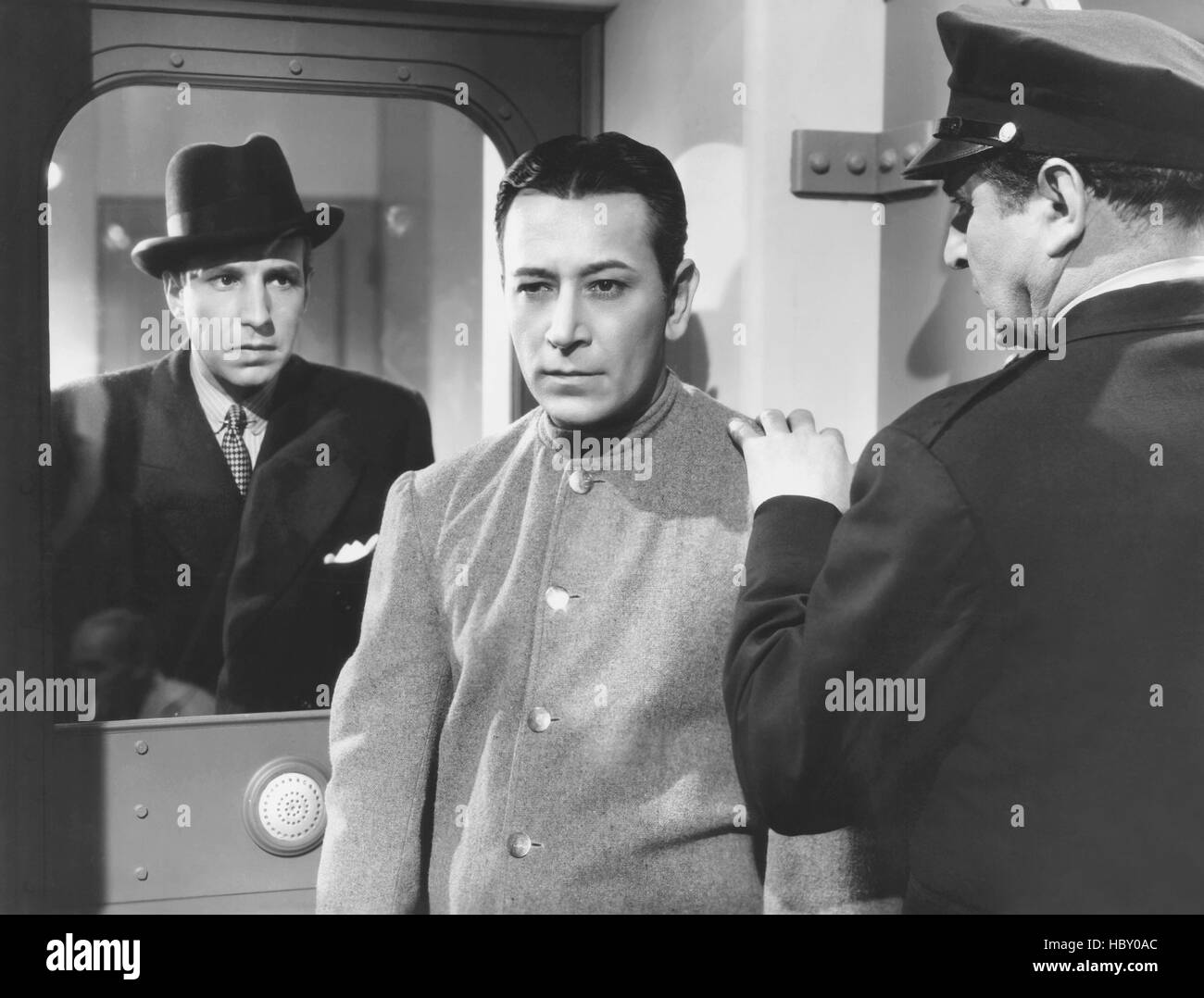
George Raft Net Worth in the Spotlight: The Financial Legacy of Hollywood’s Original Tough Guy
At the time of his death in 1980, George Raft’s net worth was estimated to be approximately $100,000. While he earned millions during his peak years in the 1930s and 1940s as one of Hollywood's highest-paid stars, a combination of extr...
At the time of his death in 1980, George Raft’s net worth was estimated to be approximately $100,000. While he earned millions during his peak years in the 1930s and 1940s as one of Hollywood's highest-paid stars, a combination of extravagant living, chronic gambling, significant tax liabilities, and poorly timed career decisions significantly depleted his estate by the end of his life.
Contents
The Ascent to Stardom: Building a Fortune in the Golden Age
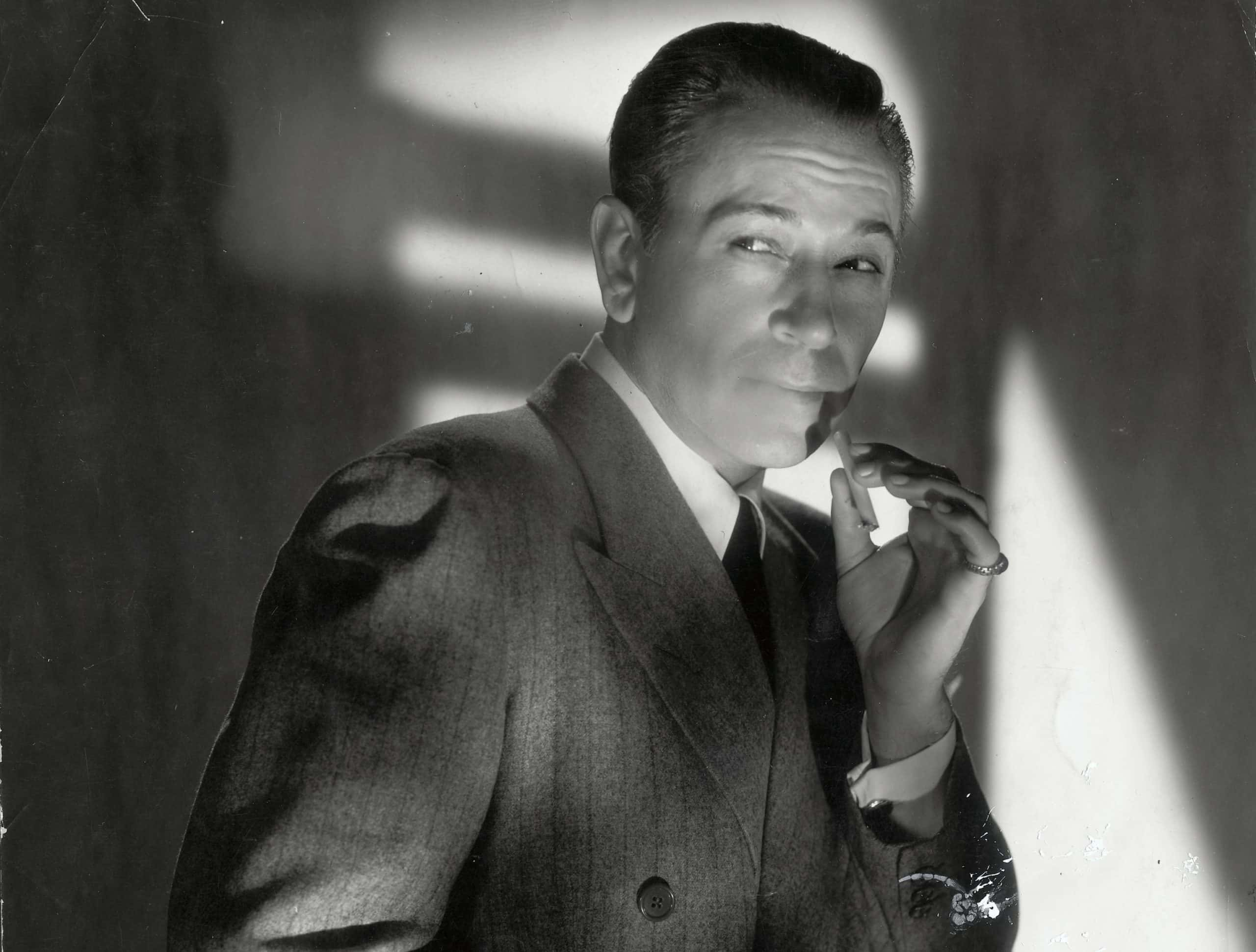
George Raft’s journey to the "spotlight" of Hollywood wealth began not in a studio, but in the tough neighborhoods of Hell's Kitchen, Manhattan. Before he became a cinematic icon of the gangster genre, Raft was a professional dancer, a boxer, and a driver for organized crime figures. These early experiences provided the authentic "tough guy" persona that would eventually make him a millionaire.
By the early 1930s, Raft’s career pivoted toward Hollywood. His breakout role as Guino Rinaldo in the 1932 classic Scarface catapulted him into the top tier of leading men. At his peak, Raft was signed to lucrative contracts with Paramount Pictures and later Warner Bros. During an era when the average American salary was less than $2,000 a year, Raft was commanding upwards of $3,000 to $5,000 per week.
The studio system of the 1930s operated on long-term contracts. Raft’s ability to draw audiences meant he could negotiate clauses that were rare for the time, including script approval and influence over casting. This financial leverage placed him in the same bracket as stars like Clark Gable and James Cagney. However, as we examine the George Raft net worth narrative, it becomes clear that earning money was never Raft’s problem; retaining it was.
The Turning Point: Fatal Career Decisions and Lost Earnings
One cannot discuss George Raft’s financial history without addressing the "What Ifs" that cost him tens of millions in potential lifetime earnings. Raft was notoriously selective and often stubborn about the roles he accepted, frequently turning down scripts that he felt didn't suit his image or that required his character to die on screen.
The Bogart Shift
In the early 1940s, Raft famously turned down three roles that would eventually define the career of Humphrey Bogart:
- High Sierra (1941): Raft rejected the role of "Mad Dog" Roy Earle because he did not want his character to die.
- The Maltese Falcon (1941): Raft declined the role of Sam Spade, citing his contract's "no-remake" clause and a lack of faith in first-time director John Huston.
- Casablanca (1942): While there is historical debate over whether the role of Rick Blaine was officially offered to Raft, he was heavily considered.
The financial impact of these rejections was staggering. While Raft’s career began to stagnate, Bogart ascended to the status of the world’s biggest movie star. The residuals, prestige, and subsequent contract bumps that Raft forfeited by refusing these roles effectively capped his net worth at a time when he should have been reaching his financial zenith.
Lifestyle and Liabilities: Where the Millions Went
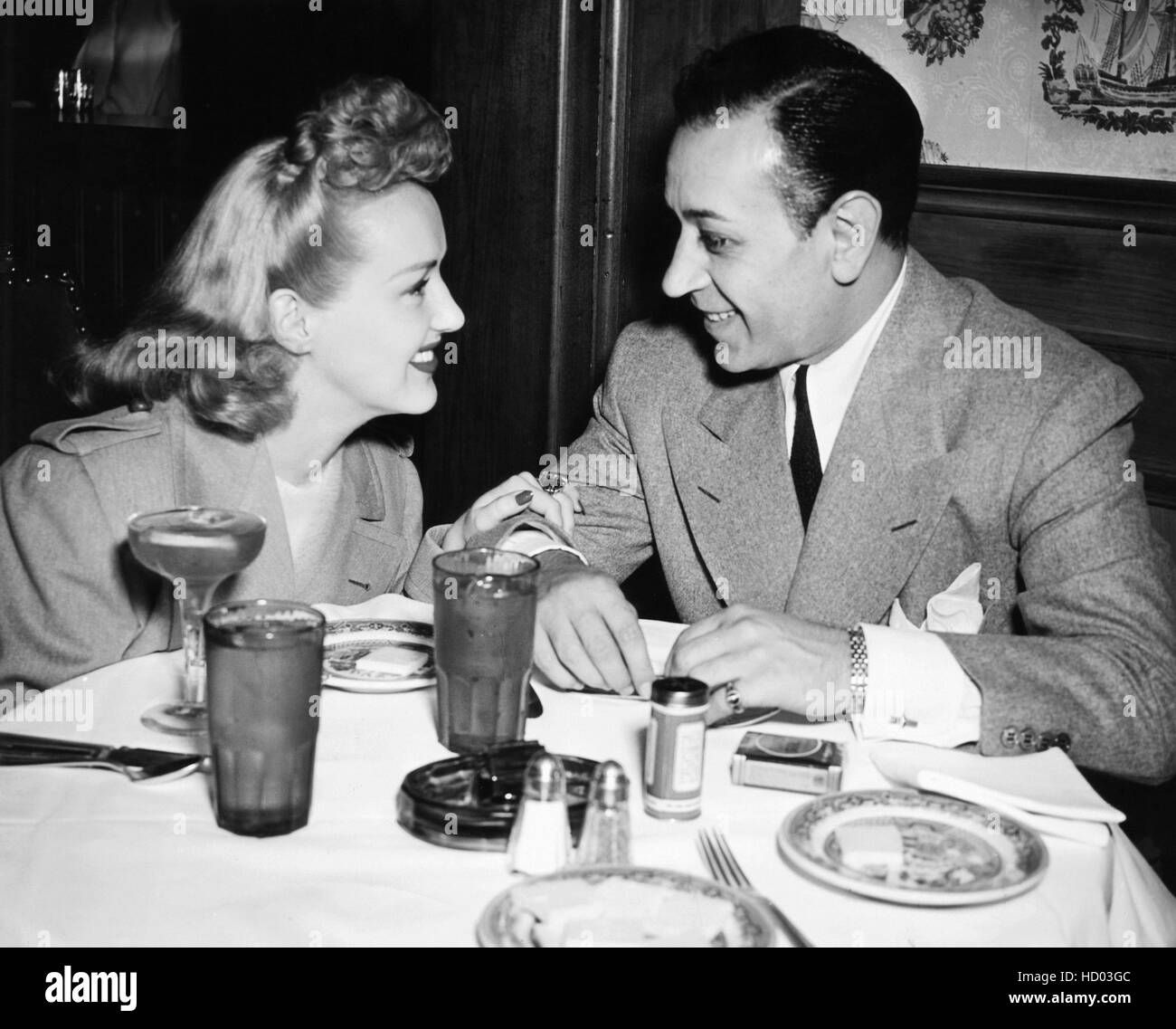
George Raft lived the life he portrayed on screen. He was known for his impeccably tailored suits—reportedly owning hundreds at a time—and a penchant for high-stakes gambling that followed him from the underground clubs of New York to the casinos of Havana and London.
The IRS and Tax Troubles
Like many stars of the Golden Age who were used to the "cash and carry" lifestyle of the Prohibition era, Raft struggled to reconcile his spending with the increasingly stringent requirements of the Internal Revenue Service (IRS). By the late 1950s, Raft was under heavy scrutiny. In 1965, the IRS filed a tax lien against him for over $75,000 in unpaid taxes dating back years.
For a man whose income had dwindled as he moved into supporting roles and television, this was a devastating blow. Raft was forced to sell off assets, including property and personal effects, to satisfy his debts. His financial situation was so precarious at points that he took jobs as a celebrity "greeter" or "host" at international casinos to maintain a semblance of his former lifestyle.
The Mob Connection and Financial Risk
Raft’s lifelong friendships with organized crime figures like Owney Madden and Bugsy Siegel were more than just social associations; they had financial implications. While these connections helped him secure his role in Scarface and gave him access to exclusive circles, they also made him a target for federal investigators. In 1967, Raft was banned from entering the United Kingdom due to his association with the Colony Club, a casino with alleged underworld ties. This effectively shut off a significant stream of "hosting" income that he had relied on during his later years.
Comparing Hollywood Earnings: Then vs. Now (2026 Perspective)
To understand the scale of Raft’s fortune, it is helpful to look at how his earnings translate into the modern economy. Using 2026 as our point of reference, we can see that while his nominal net worth at death was low, his career earnings were substantial.
| Financial Metric | 1930s/40s Value | Estimated 2026 Equivalent |
|---|---|---|
| Peak Weekly Salary | $5,000 | ~$115,000 |
| Average Film Fee | $100,000 | ~$2,300,000 |
| Total Estimated Career Earnings | $10,000,000+ | $150,000,000+ |
| Net Worth at Death (1980) | $100,000 | ~$395,000 |
| Tax Liens/Debts (Late Career) | $75,000 | ~$730,000 |
This table illustrates the classic "fame vs. fortune" paradox. Despite generating what would be considered elite-level wealth by today's standards, the lack of modern financial planning tools, high tax rates for top earners in the mid-20th century (sometimes reaching 90%), and a lack of diversified investments meant that Raft’s liquidity remained low.
The Later Years: Residuals and the Decline of Wealth
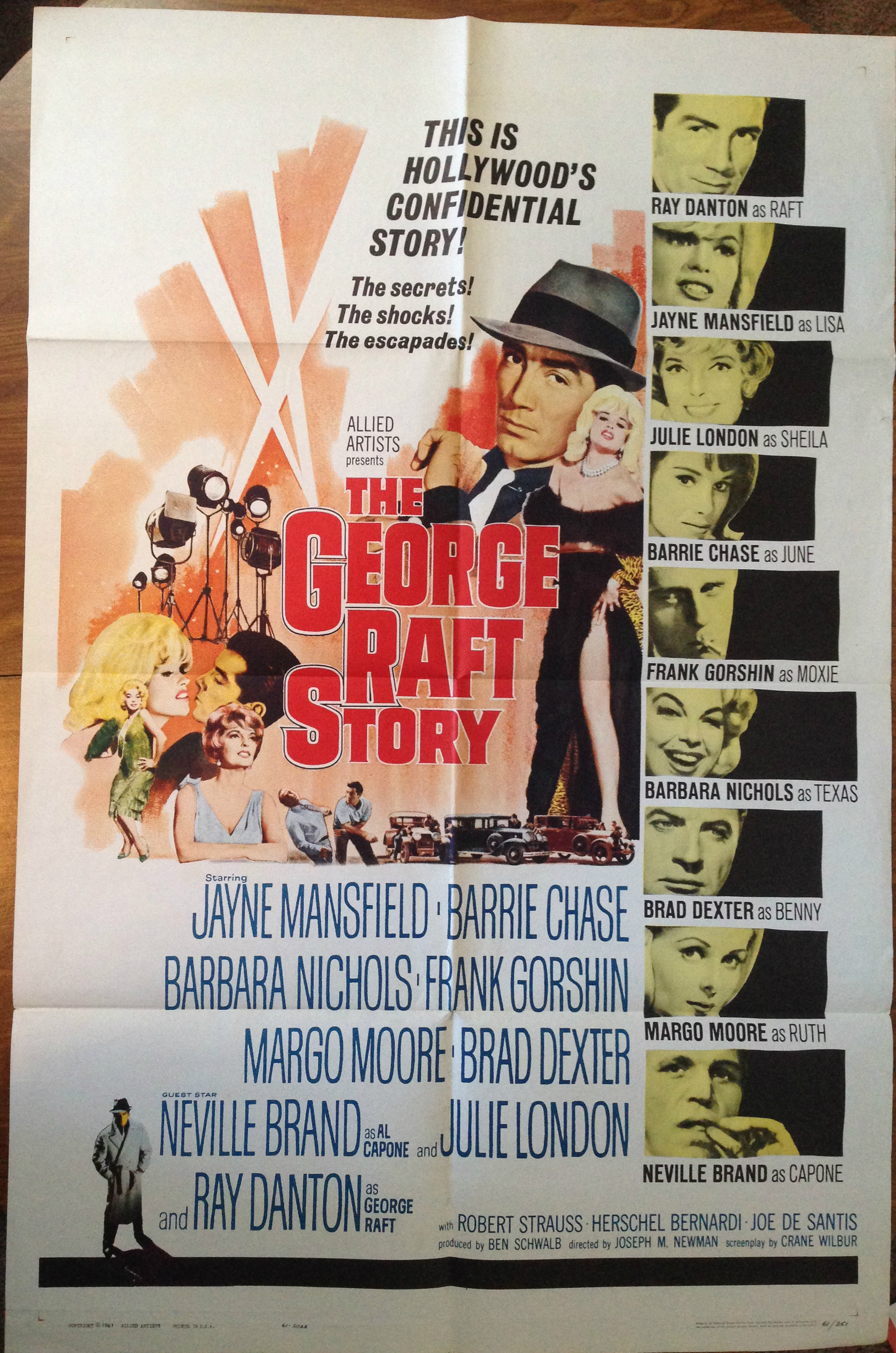
In the 1960s and 1970s, George Raft transitioned from a leading man to a nostalgia act. He made appearances in films like Ocean's 11 (1960) and The Ladies Man (1961), often playing parodies of his own gangster persona. However, the Hollywood of the 1970s was very different from the studio system he had mastered.
One of the biggest factors in the depletion of the George Raft net worth was the lack of residuals. Unlike modern actors who receive ongoing payments for television reruns, streaming rights, and home media, actors of Raft's era often signed away their rights for a flat fee. When his classic films were broadcast on television in the 70s, Raft saw very little, if any, of that revenue.
His final film appearance was in Sextette (1978), alongside Mae West. By this point, Raft was living in a relatively modest apartment in Century City. While he was never "penniless" in the way some sensationalist biographies suggest—thanks in part to the support of friends and small pensions from the Screen Actors Guild—the "spotlight" on his net worth revealed a man who had outlived his fortune.
FAQ: Understanding George Raft’s Financial Legacy
Did George Raft die broke?
Not technically. While his net worth of $100,000 in 1980 was a fraction of what he had earned, he was not destitute. He had enough to maintain a comfortable, albeit diminished, lifestyle in Los Angeles. His estate was sufficient to cover his final expenses and minor bequests.
How much did George Raft lose by turning down Casablanca?
It is difficult to put a precise dollar amount on it because the true loss was in "career capital." Had Raft starred in Casablanca, his market value would have remained at a premium for another decade. Conservative estimates suggest that the roles he turned down in the early 40s cost him at least $1 million in immediate salary and tens of millions in long-term career value.
What happened to George Raft's money from the Havana Riviera?
Raft had a financial interest and a promotional role in the Havana Riviera hotel-casino in Cuba during the late 1950s. When the Cuban Revolution occurred in 1959, the government nationalized all casinos. Raft, along with many other American investors and associates, lost his entire investment and his source of income from the island almost overnight.
Did his mob ties help or hurt his net worth?
In the short term, they helped. They provided him with the "authenticity" that made him a star and gave him high-paying side gigs in the casino industry. In the long term, they hurt him significantly. These ties led to his ban from the UK, multiple IRS audits, and a reputation that made major studios hesitant to cast him as he aged.
Who inherited George Raft's estate?
George Raft was married to Grace Mulrooney in 1923. Although they separated soon after, they never divorced due to her religious beliefs. She passed away in 1970. Upon Raft's death in 1980, his remaining assets were distributed among a small circle of friends and long-time associates, as he had no children.
Practical Lessons from the Raft Estate
The story of George Raft’s net worth serves as a cautionary tale for high-earners in any era, including 2026. His trajectory highlights several key financial principles:
- The Importance of Diversification: Raft kept much of his wealth in "lifestyle" assets—clothes, cars, and cash for gambling. Had he invested a fraction of his 1930s salary into real estate or the burgeoning post-war stock market, his net worth at death would have been in the millions regardless of his career choices.
- Tax Compliance is Non-Negotiable: The IRS liens were a recurring theme in Raft’s later life. For modern professionals, the lesson is clear: aggressive tax planning is beneficial, but evasion or negligence can lead to a total loss of liquidity in one's retirement years.
- Adaptability to Industry Shifts: Raft was a product of the studio system. When that system collapsed and moved toward independent production and different acting styles (like Method acting), he struggled to adapt his "tough guy" brand, which limited his earning potential in his 50s and 60s.
George Raft remains one of the most fascinating figures of Hollywood’s Golden Age. While his net worth in the spotlight may have dimmed toward the end, his cultural impact as the man who taught cinema how to be "cool" remains an invaluable part of film history.
Image Gallery