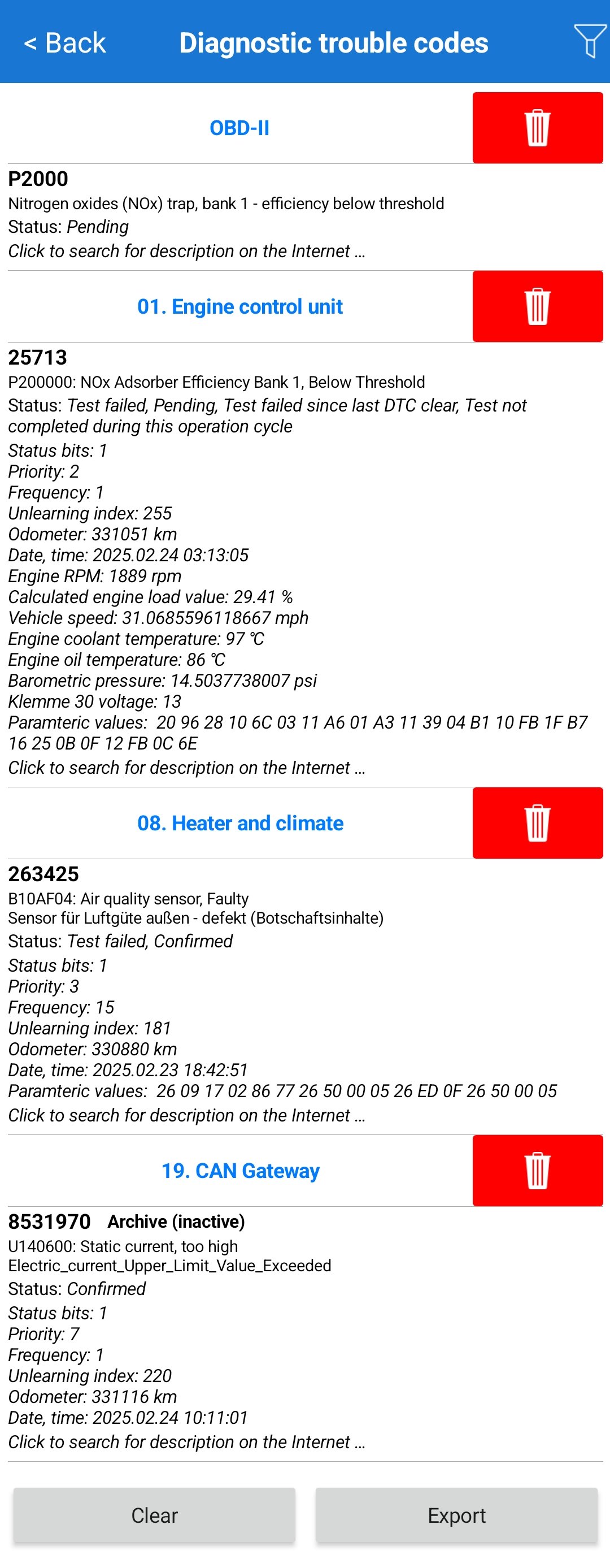
Comprehensive Guide to OBD-II Diagnostic Trouble Code P2000 in 2026
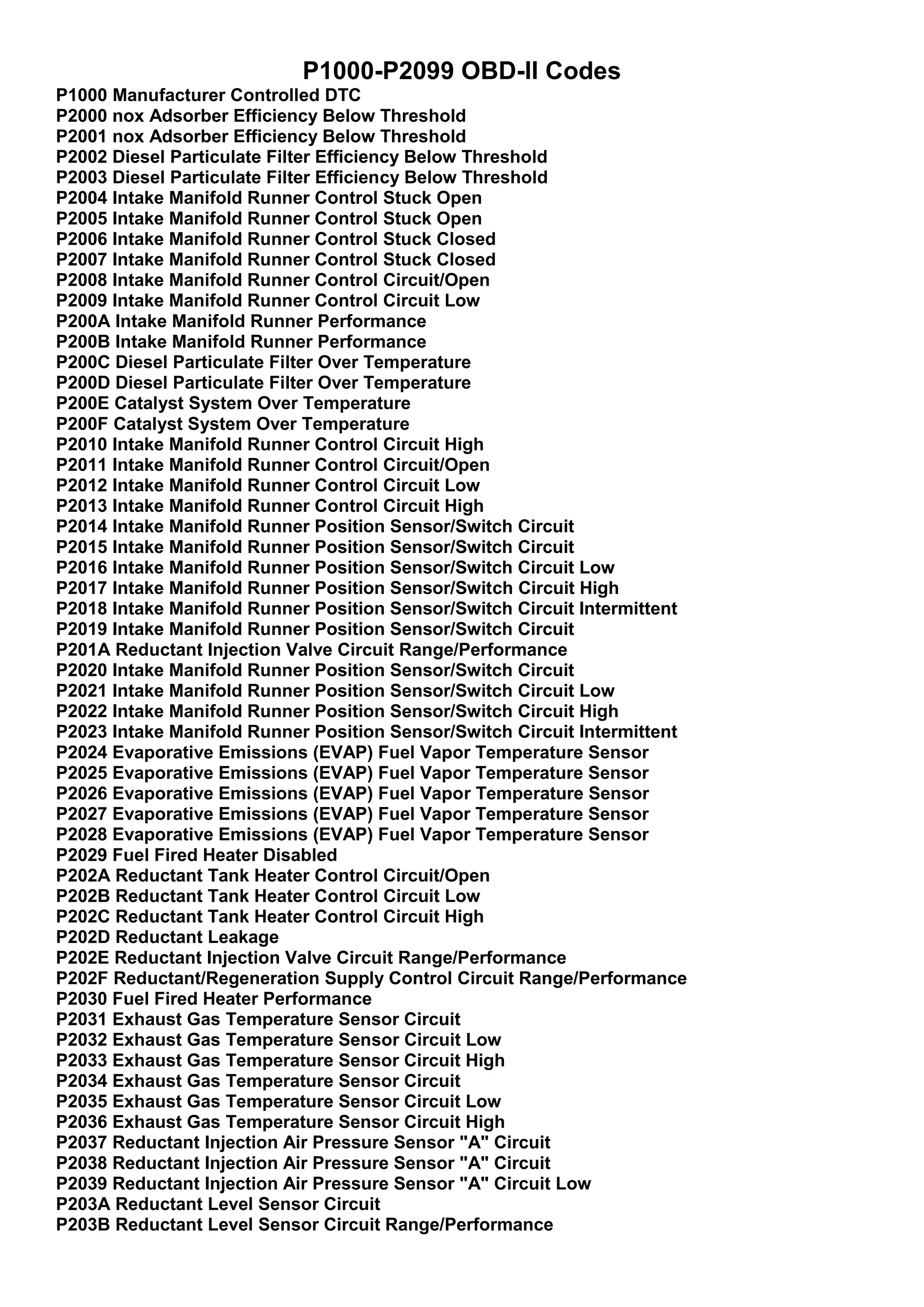
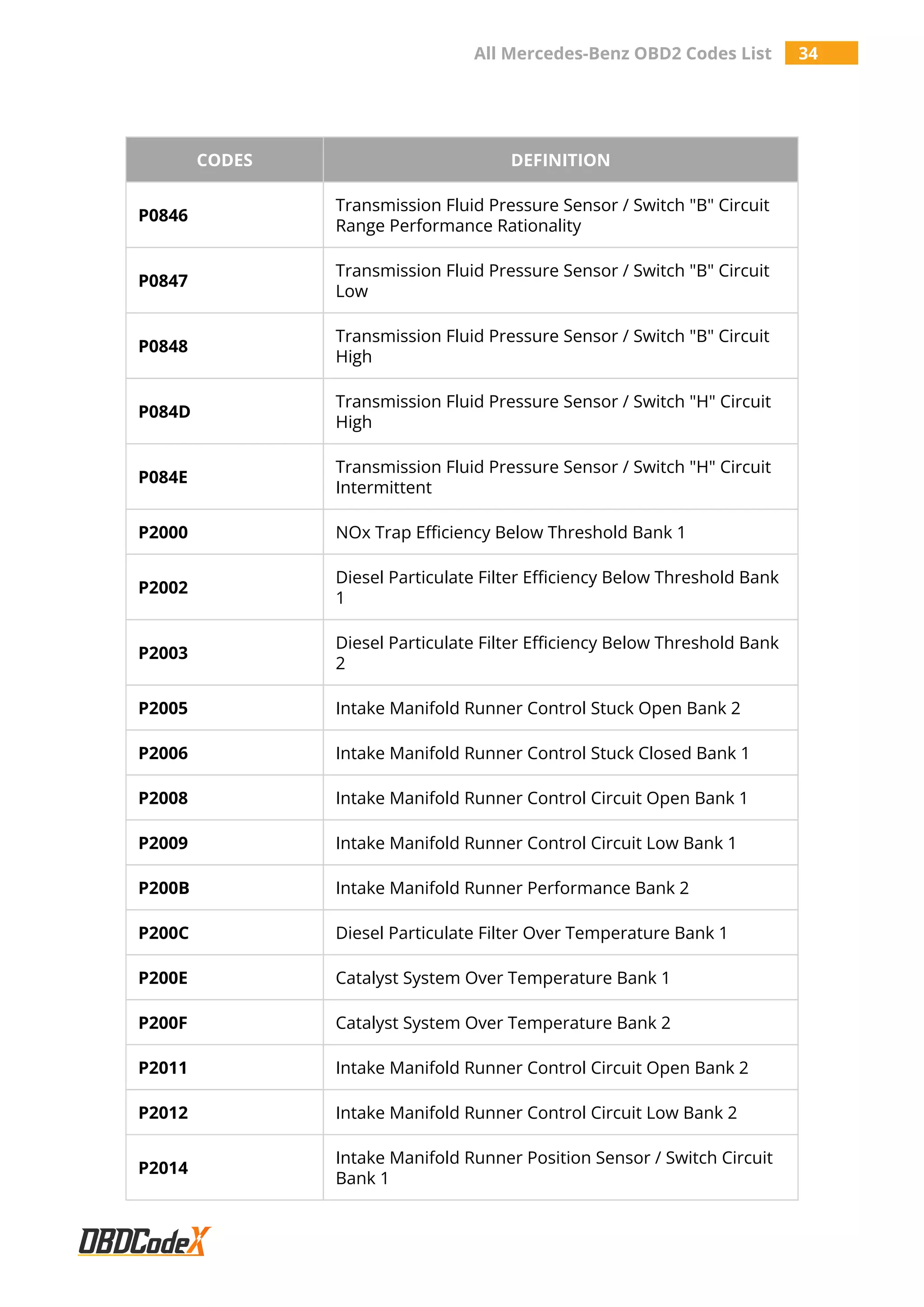
The P2000 Diagnostic Trouble Code indicates a critical issue within your vehicle's emissions control system: NOx Trap Efficiency Below Threshold (Bank 1). As automotive emissions standards tighten globally, understanding and diagnosing...
The P2000 Diagnostic Trouble Code indicates a critical issue within your vehicle's emissions control system: NOx Trap Efficiency Below Threshold (Bank 1). As automotive emissions standards tighten globally, understanding and diagnosing the P2000 code requires precise knowledge of modern exhaust aftertreatment technologies, electronic control units, and sensor communication protocols.
Contents
Understanding the Anatomy of the P2000 Code
The P2000 code is a generic powertrain fault code applicable to all OBD-II equipped vehicles, predominantly found in modern diesel-powered passenger cars, light trucks, and select advanced lean-burn gasoline direct injection (GDI) engines.
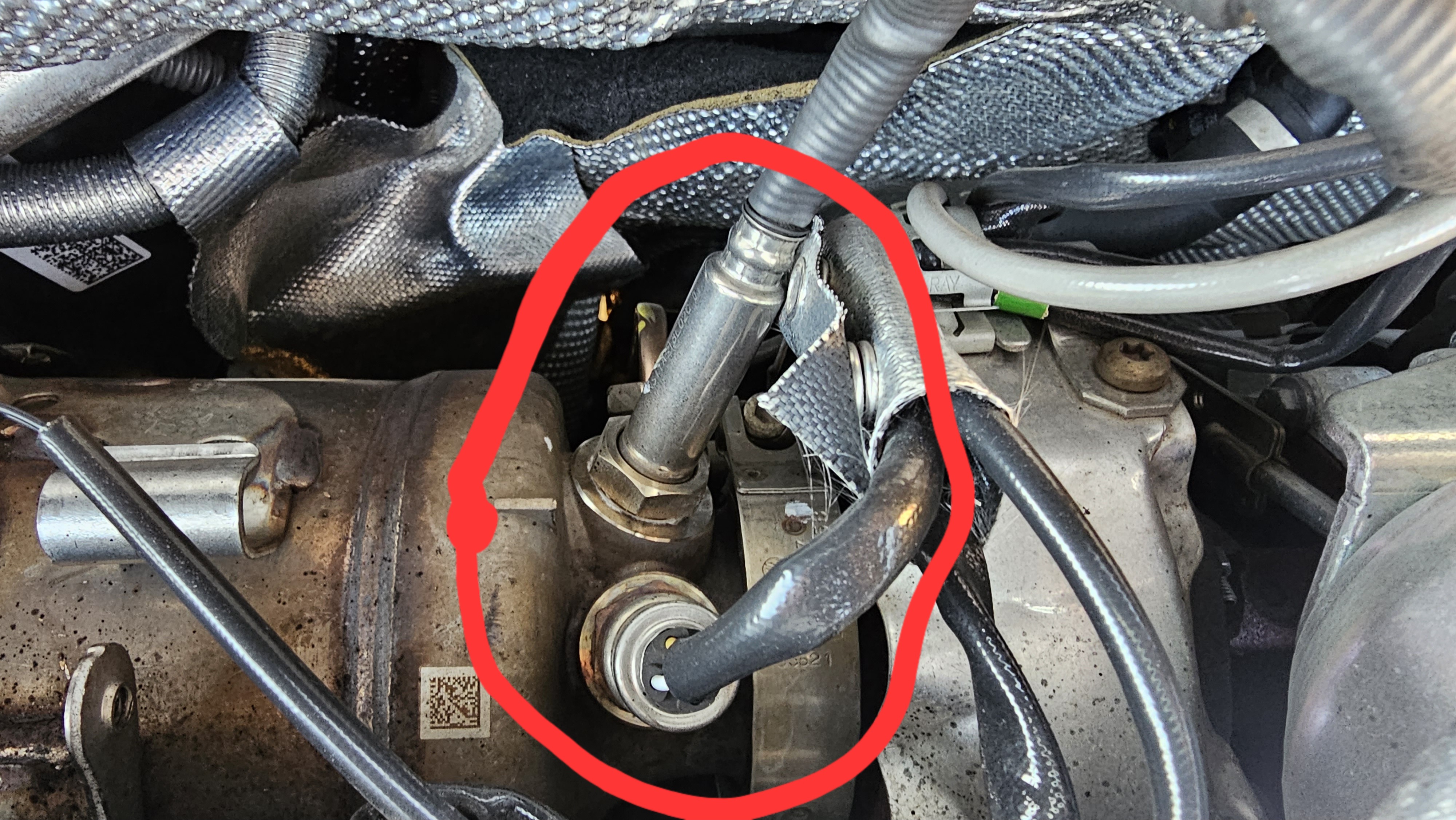
When your vehicle operates under lean conditions, the combustion chamber utilizes excess air relative to fuel. While this improves fuel economy, it generates high levels of nitrogen oxides (NOx). To comply with stringent environmental regulations, manufacturers install a specialized catalytic converter known as a NOx trap or Lean NOx Trap (LNT) in the exhaust stream.
Technical Definition and Parameters
- System Category: Powertrain (P-Code)
- Subsystem: Auxiliary Emission Controls
- Affected Area: Bank 1 Exhaust System (the side of the engine containing cylinder number one)
- Primary Trigger: The Powertrain Control Module (PCM) detects that the NOx storage capacity or reduction efficiency of the trap has fallen below acceptable manufacturing parameters.
The PCM continuously monitors upstream and downstream NOx sensors. During regular driving, the trap absorbs NOx gases. Periodically, the PCM initiates a regeneration cycle by momentarily enriching the air-fuel mixture, injecting unburned hydrocarbons into the exhaust to reduce trapped NOx into harmless nitrogen gas and carbon dioxide. If the downstream sensor detects that NOx levels remain too high despite these regeneration attempts, the P2000 code is stored, and the Check Engine Light illuminates.
Root Causes Behind the P2000 Fault Code
Pinpointing the exact catalyst for a P2000 code requires systematic troubleshooting, as several interrelated components can trigger the efficiency warning. Modern diagnostic technicians look beyond the immediate catalyst failure to evaluate the broader operational environment.
- Exhaust Leaks: Cracks in the exhaust manifold, loose pipe flanges, or damaged gaskets upstream of the NOx trap allow ambient air to enter the exhaust stream. This skews sensor readings and prevents proper chemical reduction inside the trap.
- Faulty NOx Sensors: Both upstream and downstream NOx sensors operate in harsh thermal environments. Internal heater circuit failures, sensor element contamination from soot, or corrupted signal wires can transmit inaccurate data to the PCM.
- Fuel Injector Malfunctions: During regeneration events, specific cylinders must deliver precisely timed fuel pulses into the exhaust. Leaking, clogged, or electrically weak fuel injectors disrupt this enrichment process.
- Exhaust Gas Recirculation (EGR) System Failures: A stuck or carbon-clogged EGR valve alters combustion temperatures and baseline NOx production, overwhelming the capacity of the LNT.
- Exhaust Aftertreatment Contamination: The use of improper engine oils, excessive fuel additives, or contaminated diesel fuel can deposit ash or sulfur compounds onto the precious metal washcoat of the NOx trap, permanently poisoning the catalyst.
Diagnostic Procedures and Testing Protocols
Resolving a P2000 fault demands specialized tools, including an advanced OBD-II diagnostic scanner capable of reading live sensor data, a digital multimeter, and a smoke machine for detecting exhaust leaks.
| Step | Diagnostic Phase | Action Item | Expected Finding / Threshold |
|---|---|---|---|
| 1 | Initial Scan & Freeze Frame | Retrieve all stored and pending diagnostic trouble codes, freeze-frame data, and monitor status. | Note engine load, coolant temperature, and RPM when P2000 occurred. |
| 2 | Visual & Physical Inspection | Inspect all wiring harnesses, connectors, and exhaust components from the manifold to the tailpipe. | Look for soot trails indicating exhaust leaks or frayed sensor wires. |
| 3 | NOx Sensor Verification | Monitor live data for upstream and downstream NOx sensor voltages and PPM readings during engine operation. | Upstream should fluctuate; downstream should show significantly lower NOx levels under normal load. |
| 4 | Forced Regeneration | Use a bi-directional scan tool to command a manual stationary or dynamic catalyst regeneration cycle. | Monitor if the PCM successfully completes the cycle without throwing secondary temperature or pressure codes. |
| 5 | Backpressure Testing | Measure exhaust backpressure using a pressure gauge threaded into the oxygen or NOx sensor port. | Excessive backpressure indicates physical clogging of the particulate filter or NOx trap. |
Professional Diagnostic Warning Never replace an expensive Lean NOx Trap assembly based solely on the presence of a P2000 code. Upstream wiring faults, minor exhaust gaskets leaks, or failing sensors frequently mimic total catalyst failure. Always verify sensor integrity and system command execution before condemning the hardware component.
Comparing Diagnostic Scenarios: P2000 vs. Related Codes
Technicians often encounter supplementary emission codes alongside P2000. Differentiating between these codes prevents misdiagnosis and unnecessary component replacement.
| Trouble Code | Primary Description | Likely Fault Area | Resolution Strategy |
|---|---|---|---|
| P2000 | NOx Trap Efficiency Below Threshold (Bank 1) | Lean NOx Trap, NOx Sensors, Exhaust Leaks | Check for leaks, test sensor accuracy, perform forced regeneration. |
| P2002 | Diesel Particulate Filter Efficiency Below Threshold | DPF Core, Differential Pressure Sensor | Clean or replace DPF, check fuel injection timing. |
| P2200 | NOx Sensor Circuit (Bank 1 Sensor 1) | Upstream NOx Sensor Wiring or Internal Failure | Test sensor power, ground, and communication lines. |
| P0401 | Exhaust Gas Recirculation Flow Insufficient Detected | EGR Valve, Intake Manifold Passages | Clean carbon buildup from EGR passages and valve assembly. |
Practical Pros and Cons of Servicing Modern Emission Systems
Maintaining modern clean-diesel or high-efficiency gasoline direct-injection systems involves balancing regulatory compliance, operating costs, and vehicle reliability.
Advantages of Addressing Emissions Codes Promptly
- Restores optimal fuel economy by ensuring correct air-fuel management and combustion efficiency.
- Prevents catastrophic secondary damage to expensive exhaust aftertreatment components, such as the selective catalytic reduction (SCR) system or particulate filters.
- Ensures immediate compliance with state and regional vehicle emissions inspection standards.
Challenges and Complications
- Replacement costs for genuine OEM Lean NOx Traps and high-precision electronic NOx sensors are exceptionally high.
- Modern emission architectures are complex, often requiring specialized dealer-level diagnostic software to reset learned parameters after hardware replacement.
- Recurring failures may point to underlying engine mechanical issues, such as oil consumption or fuel dilution, requiring extensive internal engine repairs.
Frequently Asked Questions
What does the P2000 code mean for my vehicle?
The P2000 code means your vehicle's engine computer has detected that the NOx trap on Bank 1 is no longer storing and reducing nitrogen oxides efficiently. This points to a degradation of the catalyst material, a faulty sensor, or an upstream exhaust leak.
Can I drive my car with a P2000 code active?
Yes, you can typically drive short distances as the vehicle will remain operational, but you should address the issue promptly. Ignoring the code can lead to reduced engine power, failed state inspections, and irreversible damage to downstream exhaust hardware.
Will clearing the P2000 code with a scanner fix the problem?
Clearing the code with an OBD-II scanner only turns off the Check Engine Light temporarily. Because the PCM continuously monitors sensor inputs and catalyst efficiency, the P2000 code will return within a few drive cycles unless the underlying mechanical or electrical fault is repaired.
How much does it cost to repair a P2000 trouble code?
Repair costs vary significantly depending on the root cause, ranging from minor expenses like replacing an exhaust gasket or sensor wire to significant investments if the entire Lean NOx Trap assembly must be replaced.
Is the P2000 code related to Diesel Particulate Filters (DPF)?
While both are components of modern diesel emission systems, the P2000 specifically targets gaseous nitrogen oxide storage, whereas DPF codes (like P2002) target particulate matter and soot accumulation. However, a failing DPF can sometimes contribute to secondary exhaust flow issues affecting the NOx trap.
Next Steps for Professional Service
If your vehicle has logged a P2000 code and requires expert diagnostic validation, precise sensor calibration, or emissions system repair, contact our certified technical service center today to schedule a comprehensive diagnostic evaluation with our master technicians.
Image Gallery