How Much Does a Real T-Rex Skull Cost: A Guide to Paleontological Valuation
Acquiring a genuine Tyrannosaurus rex skull is a monumental financial undertaking that typically ranges from $2 million to over $10 million, depending on specimen completeness, scientific significance, and provenance. Because these fos...
Acquiring a genuine Tyrannosaurus rex skull is a monumental financial undertaking that typically ranges from $2 million to over $10 million, depending on specimen completeness, scientific significance, and provenance. Because these fossils are exceptionally rare and subject to intense international interest, they are rarely sold through public retail channels, appearing instead at high-end auction houses or through private specialized brokerages.
Contents
The Rarity of the King of Dinosaurs
To understand the cost of a T. rex skull, one must first recognize the extreme scarcity of the object. Tyrannosaurus rex lived during the Late Cretaceous period, approximately 68 to 66 million years ago. While they were apex predators, their population density was low compared to herbivorous dinosaurs. Furthermore, the taphonomic process—the sequence of events from death to fossilization—is remarkably unforgiving.
Most T. rex specimens are fragmented. A complete, articulated skull with minimal crushing is a "holy grail" for both museums and private collectors. When a specimen comes to market, the price is not dictated by material volume but by its historical scientific value, the percentage of original bone present versus restored material, and the aesthetic preservation of the teeth and cranial arches.
Factors Influencing the Market Price
When you inquire about the price of a T. rex skull, you are dealing with a market defined by unique assets rather than commodities. Unlike gold or real estate, there is no standardized price-per-pound for prehistoric bone. Instead, valuation is determined by several critical factors:
- Completeness and Integrity: A skull that contains 80% or more of the original fossilized material commands a exponential premium over one that is only 30% complete and relies on synthetic resin casting for the remainder.
- Scientific Provenance: Fossils that have been documented in peer-reviewed scientific literature or were recovered from specific, well-studied geological formations (like the Hell Creek Formation in Montana) carry more prestige.
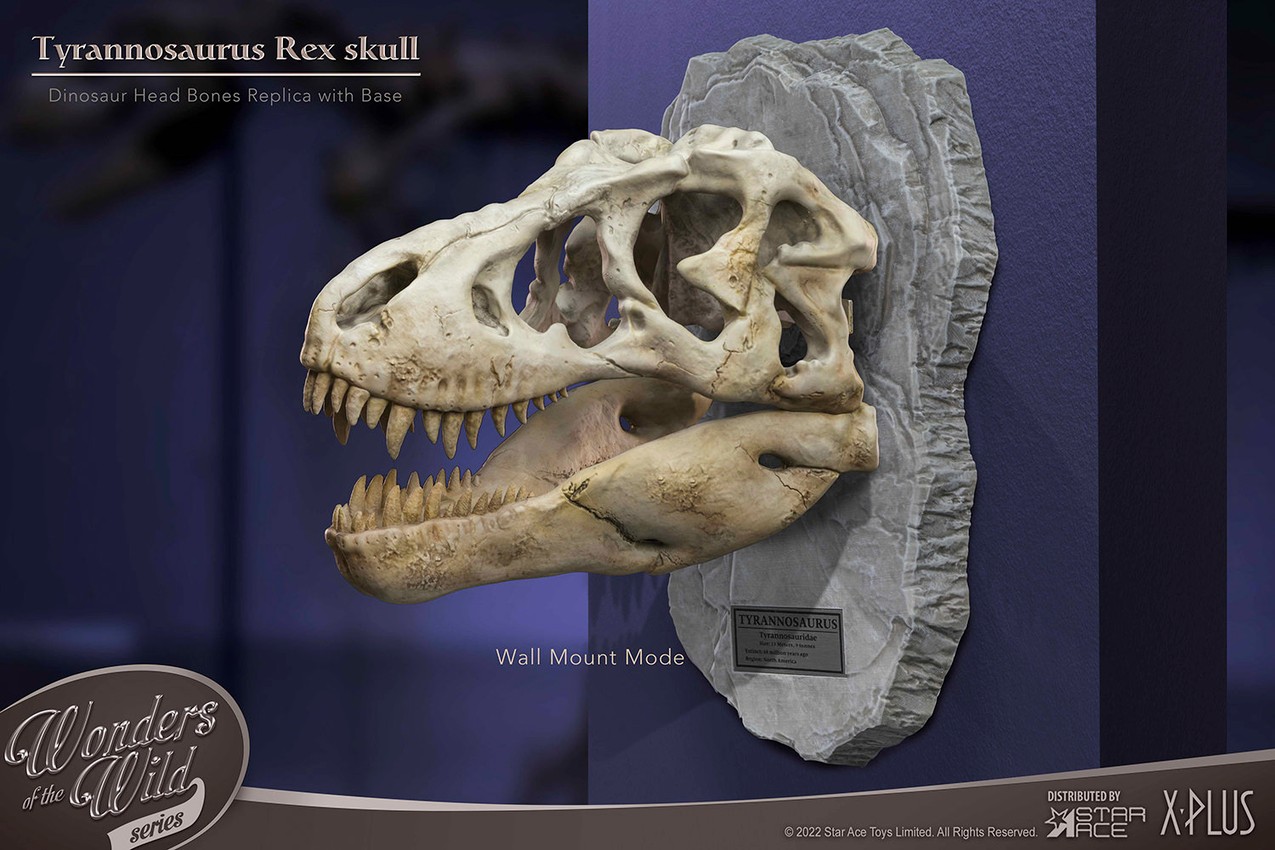
- Aesthetic Preservation: The "displayability" of the skull is paramount. Features such as the length and sharpness of the teeth, the structural integrity of the orbits (eye sockets), and the overall "menacing" posture of the skull significantly drive up value.
- Legal History: Documentation proving that the fossil was excavated legally from private land—with all necessary permits and mineral rights secured—is essential. Fossils recovered from public land in the United States cannot be legally sold, which creates a sharp distinction between "marketable" fossils and those destined for permanent museum collections.
Market Dynamics: Auctions vs. Private Sales
The market for high-tier paleontological specimens has shifted over the last decade. Historically, fossils were sold quietly between wealthy collectors and private dealers. However, the rise of "trophy" collecting has pushed more T. rex material into major auction houses like Christie’s, Sotheby’s, and Heritage Auctions.
Auction houses provide a transparent, albeit highly volatile, price discovery mechanism. When a T. rex skull or a complete skeleton hits the auction block, the final price is often driven by competitive bidding from high-net-worth individuals, investment funds, and international institutional representatives. In a private sale, the transaction is shielded from public view, often involving non-disclosure agreements and complex international export logistics.
Comparative Valuation of Prehistoric Material
To help contextualize the investment, the following table illustrates the general market segments for various paleontological assets. Note that these figures are estimates for high-quality, legally documented specimens available on the private market as of 2026.
| Specimen Type | Rarity | Estimated Market Range |
|---|---|---|
| T. rex Teeth (Single, high quality) | Moderate | $5,000 – $50,000 |
| T. rex Partial Skull/Cranial Elements | High | $500,000 – $1.5 Million |
| T. rex Near-Complete Skull | Extremely High | $2 Million – $10 Million+ |
| Triceratops/Hadrosaur Skulls | Moderate | $50,000 – $250,000 |
| T. rex Full Skeleton | Ultra-Rare | $6 Million – $30 Million+ |
Legal and Ethical Considerations
Purchasing a T. rex skull is not merely a financial transaction; it involves complex legal due diligence. You must ensure the fossil was legally excavated from private property. In the United States, fossils found on federal land are owned by the public and held in trust by the government; they cannot be sold.
Furthermore, many nations, including Canada and parts of Europe, have strict laws regarding the export of paleontological heritage. If you purchase a skull internationally, you must secure CITES documentation (where applicable) and export permits from the country of origin. Failure to verify the "chain of custody" can result in the seizure of the asset, significant legal fees, and total loss of your investment.
Restoration and Preparation Costs
It is important to understand that the price of a skull often includes the cost of "preparation." A skull found in the ground is rarely ready for a gallery. It must be meticulously cleaned of matrix (the surrounding rock), stabilized with chemical consolidants, and often reconstructed using steel armatures and polymer adhesives.
If you purchase a "raw" or "unprepared" specimen, you must account for the additional cost of professional preparation, which can range from $50,000 to over $200,000 depending on the complexity of the fossil and the number of labor hours required. Expert paleontology labs charge high hourly rates for this work, as it requires museum-grade precision to ensure the fossil is not damaged during cleaning.
Frequently Asked Questions
Are "real" T. rex skulls usually 100% original bone? No. Most fossilized skulls require some level of reconstruction. It is standard to use fossilized elements from other individuals or sculpted synthetic fillers for missing sections. A "real" skull is classified by the percentage of original, authentic bone present. Always demand a certificate of authenticity detailing the percentage of original material.
Can I buy a T. rex skull from a museum? No. Accredited museums generally acquire T. rex skulls through donations, long-term research partnerships, or state-funded acquisitions. They do not typically sell items from their permanent collections. If you see a skull in a museum, it is a protected educational asset.
How is a T. rex skull displayed safely? Proper display requires a custom-built, climate-controlled mount. Because the bone is millions of years old, it is susceptible to degradation from humidity, light, and temperature fluctuations. Display mounts often feature UV-filtered glass and seismic bracing to prevent structural stress on the fossil.
Is buying a T. rex skull a good financial investment? The market for rare fossils has seen significant appreciation, but it is highly illiquid. You cannot easily "sell" a T. rex skull to raise quick cash. It should be viewed as a long-term, high-risk asset that requires specialized insurance and maintenance.
Recommendation for Prospective Collectors
If you are seriously considering the acquisition of a T. rex skull, your first step should not be to browse sales listings, but to hire an independent consultant who specializes in vertebrate paleontology and high-value asset acquisitions. They will conduct the necessary background checks, verify the legitimacy of the specimen, and ensure that the legal documentation for international transport and ownership is flawless. Never finalize a purchase without a third-party, peer-reviewed evaluation of the fossil’s authenticity and condition.
Image Gallery