Selecting and Using the Best Shampoos for Dry Curly Hair
Finding the right shampoo for dry, curly hair requires a targeted approach to cleansing that removes environmental buildup without stripping the hair’s essential natural oils. Because curly hair patterns often prevent sebum from travel...
Finding the right shampoo for dry, curly hair requires a targeted approach to cleansing that removes environmental buildup without stripping the hair’s essential natural oils. Because curly hair patterns often prevent sebum from traveling easily from the scalp to the ends, dryness is a structural reality. The most effective products for this hair type prioritize humectants, emollient-rich botanical oils, and low-sulfate surfactant systems designed to maintain moisture balance while ensuring scalp health.
Contents
Understanding the Structure of Curly Hair and Dryness
Curly hair, by its physical architecture, is inherently more prone to dehydration than straight hair. The curvature of the hair shaft means that the cuticle—the outermost layer of the hair—is often slightly raised at the bends of the curl. This raised cuticle makes the hair more porous, allowing moisture to evaporate more quickly. Furthermore, the natural oils (sebum) produced by the scalp have a more difficult time navigating the twists and turns of a spiral or coiled strand, leaving the mid-lengths and ends deprived of essential lubrication.
When selecting a shampoo, the goal is to find a formula that acts as both a cleanser and a conditioner. Ingredients like glycerin, honey, and aloe vera act as humectants, pulling moisture into the hair strand, while fatty acids from ingredients like shea butter, argan oil, or coconut oil seal the cuticle to prevent moisture loss.
Identifying Key Ingredients and Avoidance Lists
Effective shampoos for dry, curly hair are defined as much by what they omit as by what they include. While traditional surfactants like Sodium Lauryl Sulfate (SLS) are efficient at creating lather, they are often too harsh for curly textures, as they can strip away the structural lipids that keep curls defined and hydrated.
Essential Ingredients to Seek
- Emollients: Look for shea butter, jojoba oil, and avocado oil. These provide the "slip" necessary for detangling and add weight to curls to reduce frizz.
- Humectants: Glycerin and panthenol (Vitamin B5) are staples. They draw water from the air into the hair fiber.
- Proteins: Hydrolyzed wheat or silk proteins can help reinforce the hair structure, especially for those with high-porosity hair that has been damaged by heat or chemical treatments.
Ingredients to Limit or Avoid
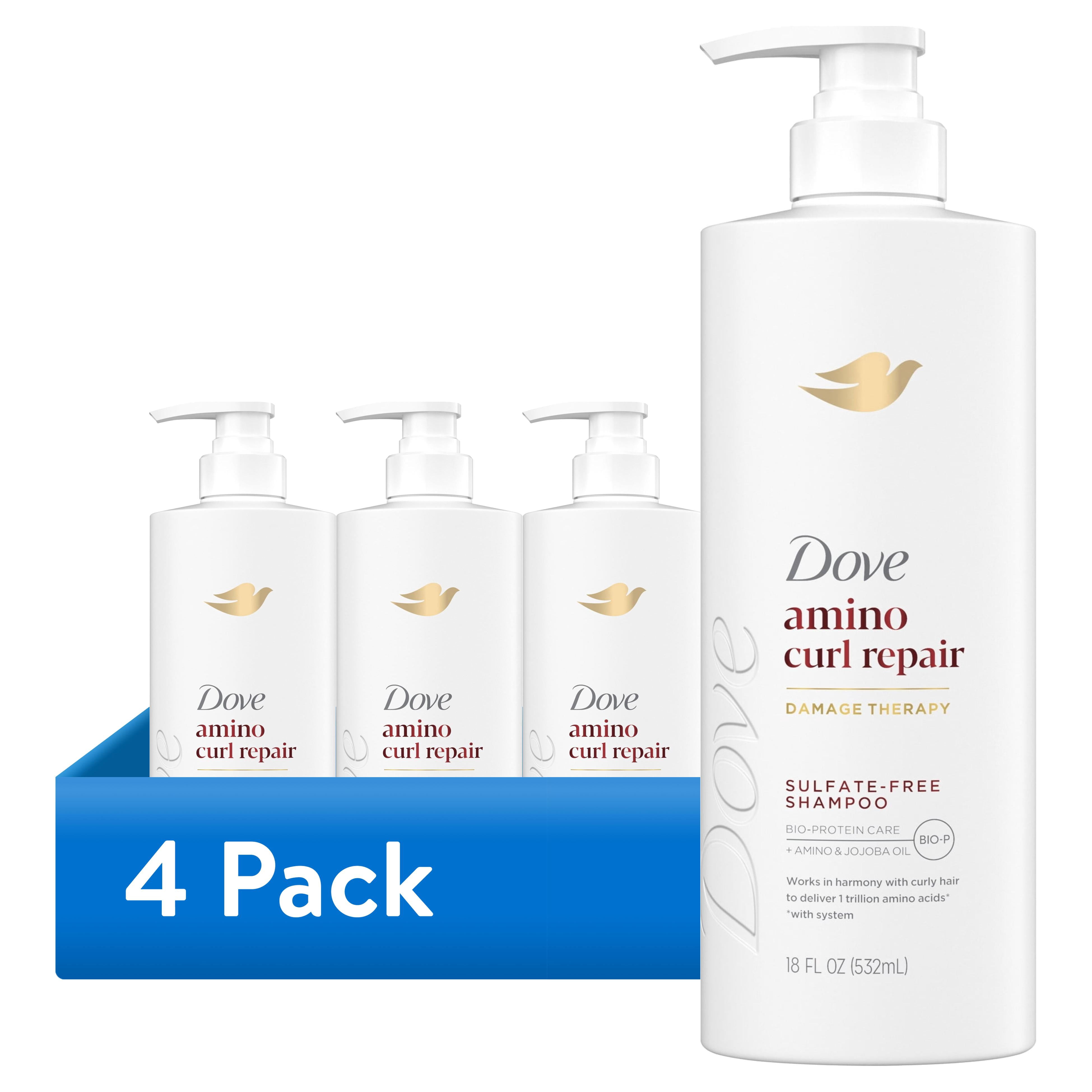
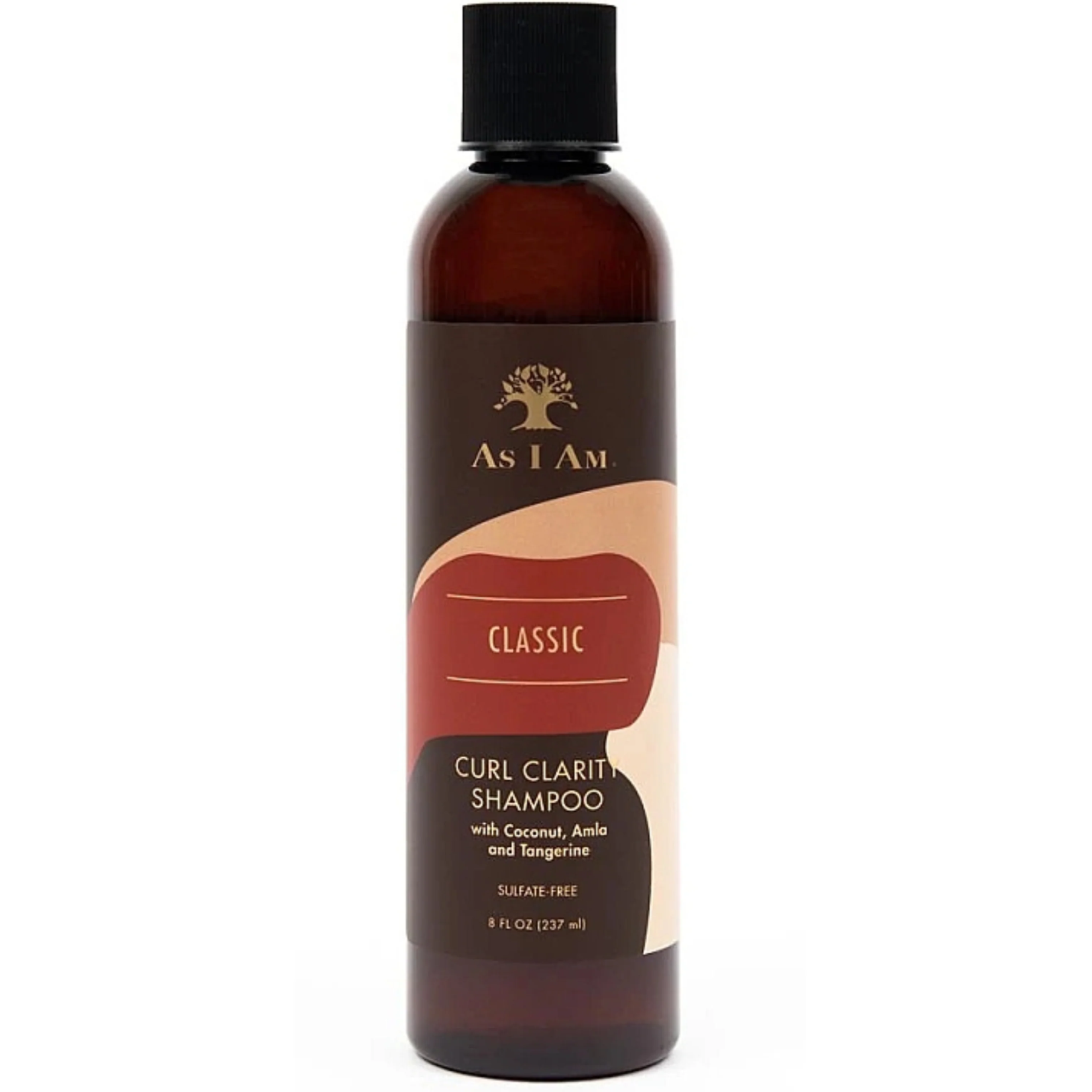
- Aggressive Sulfates: Products labeled as "sulfate-free" are generally preferred for curly hair to prevent excessive drying.
- Non-Water-Soluble Silicones: While some silicones provide shine, those that are not water-soluble can build up on curly hair over time, requiring harsh clarifying shampoos to remove, which further dries out the hair.
- Drying Alcohols: Isopropyl and propanol alcohols can strip moisture rapidly. Seek formulas that utilize "fatty alcohols" like cetyl or stearyl alcohol instead, which are moisturizing.
Comparison of Common Shampoo Formulations for Curly Hair
Choosing between a standard sulfate-free shampoo, a co-wash, and a moisturizing cleanser depends on your wash frequency and scalp oil production.
| Type | Best For | Benefit | Limitation |
|---|---|---|---|
| Sulfate-Free Shampoo | Most curly hair types | Thorough cleaning without stripping oils | Can sometimes feel less "foamy" |
| Co-Wash | Extremely dry/coarse curls | Maximum moisture and conditioning | Can cause buildup if used exclusively |
| Moisturizing Cleanser | Fine or easily weighed-down curls | Balances hydration with weightlessness | May not remove heavy product buildup |
Proper Washing Techniques for Curly Hair
The application method is just as important as the product choice. Washing curly hair too frequently or with improper technique can exacerbate dryness regardless of how high-quality the shampoo is.
- Preparation: Detangle the hair gently with a wide-tooth comb or your fingers while dry or saturated with a pre-shampoo treatment. This prevents breakage when the hair is at its most vulnerable state: wet.
- Scalp Focus: Focus the shampoo primarily on the scalp. Use the pads of your fingers to massage the skin, loosening dirt and oil. Do not pile your hair on top of your head in a tangle; instead, let the suds rinse down the lengths of the hair. This provides a gentle clean for the ends without abrasive rubbing.
- Water Temperature: Use lukewarm water. Hot water can lift the hair cuticle excessively, leading to moisture loss and frizz. A cool water rinse at the end of your shower helps to seal the cuticle, promoting shine.
- Frequency: The frequency of washing should be tailored to your scalp’s oil production. Many people with curly hair find that washing 1 to 2 times per week is sufficient, using water or a refresh spray between washes to maintain curl shape.
Troubleshooting Common Issues
Even with the best products, you may encounter challenges related to product buildup or seasonal changes in weather.
Dealing with Product Buildup
If your hair feels dull, heavy, or resists moisture despite regular washing, you may have product buildup. This is common if you use leave-in conditioners, styling gels, or curl creams. In this case, utilize a "clarifying" shampoo once or twice a month. Look for gentle clarifying options that contain apple cider vinegar or mild citrus extracts rather than heavy-duty sulfates.
High vs. Low Porosity Considerations
- Low Porosity: If your hair takes a long time to dry and products seem to sit on top of the strand, you likely have low porosity. Avoid shampoos with heavy proteins or excessive oils, as these will weigh the hair down.
- High Porosity: If your hair dries very quickly and feels rough to the touch, it is likely high porosity. These strands require deep moisture and ingredients that mimic the hair’s natural structure, such as proteins and heavier butters.
Frequently Asked Questions
Does a "sulfate-free" label guarantee a shampoo is moisturizing? Not necessarily. While sulfate-free shampoos are generally gentler, they can still contain other surfactants that are drying. Always scan the ingredient list for emollient oils and humectants near the top of the list rather than relying solely on the front-of-bottle claims.
Can I use the same shampoo every single time I wash? Many people benefit from a rotation. Use a moisturizing shampoo for most washes, and rotate in a gentle clarifying shampoo once or twice a month to prevent product buildup from blocking moisture absorption.
Is co-washing the same as using a conditioner? No. A co-wash (conditioner-only wash) is specifically formulated with mild cleansing agents that allow it to lift dirt while conditioning. A standard hair conditioner lacks the surfactants necessary to remove debris and oils from the scalp and should not be used as a substitute for a dedicated cleanser.
Why does my curly hair feel dry even after using expensive shampoos? Dryness often stems from environmental factors, internal hydration, or the lack of a proper sealing step. After shampooing, ensure you are using a rich conditioner and a leave-in styler to lock the moisture into the hair shaft before it evaporates.
How do I know if my shampoo is too heavy for my curls? If your curls appear limp, flat at the roots, or lose their bounce shortly after drying, your shampoo may contain too many heavy butters or silicones that are weighing down the hair fiber. Switch to a more lightweight, volumizing, or clarifying formula.
Final Recommendation
For most users with dry, curly hair, the most sustainable strategy is to invest in a high-quality, sulfate-free moisturizing shampoo and pair it with a consistent deep-conditioning schedule. Start by assessing your hair's porosity—if your hair feels brittle and straw-like, prioritize emollients like shea butter and argan oil. If your hair feels healthy but loses its pattern, look for lightweight formulas that clarify the scalp while leaving the strands hydrated. Always prioritize consistency over switching products frequently, as it often takes two to three wash cycles for the hair to adjust to a new moisture-balancing routine.
Image Gallery