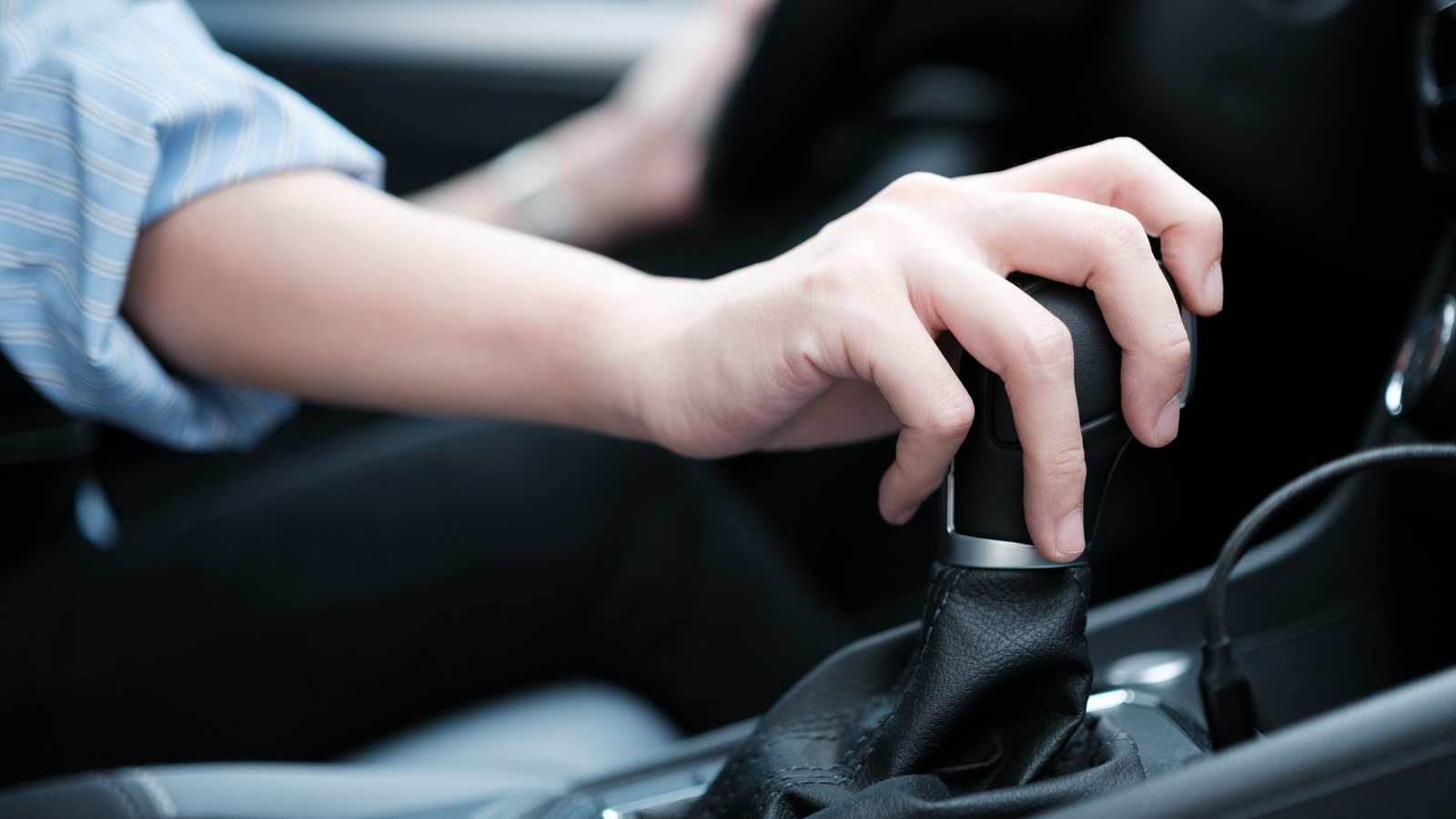
What Is Low Gear in an Automatic: A Practical Overview
Low gear in an automatic transmission, often labeled as "L," "1," or "2" on the shifter, serves to restrict the transmission from shifting into higher, more efficient gears. By holding the vehicle in a lower gear ratio, the engine main...
Low gear in an automatic transmission, often labeled as "L," "1," or "2" on the shifter, serves to restrict the transmission from shifting into higher, more efficient gears. By holding the vehicle in a lower gear ratio, the engine maintains higher RPMs, which provides increased torque for climbing steep grades and critical engine braking power for controlled descents.
Contents
Understanding Automatic Transmission Range Selection
Modern automatic transmissions are masterpieces of convenience, designed to shift through a series of gear ratios seamlessly to maximize fuel economy and driver comfort. In standard "Drive" (D) mode, the vehicle’s transmission control unit (TCU) continuously monitors speed, throttle position, and load to determine the optimal gear. However, there are specific driving environments where the automatic computer's logic—prioritizing efficiency—can conflict with the physical demands of the road.
When you shift into low gear, you are manually overriding the TCU’s ability to "upshift." While the transmission may still shift automatically within a narrow, lower range (if the selector is set to "L" or a numerical gear like "1" or "2"), it is prevented from reaching the overdrive or cruising gears that are intended for highway fuel economy. This deliberate restriction is not a malfunction or a suggestion to drive slowly; it is a mechanical tool designed for high-torque applications and controlled speed reduction.
The Two Primary Functions of Low Gear
Drivers generally engage low gear for two distinct operational reasons: power management and safety. Understanding these will help you determine when it is appropriate to use this setting.
1. Maximizing Torque for Climbing
When traversing steep inclines—especially while towing a trailer or carrying a heavy payload—your engine needs consistent, high-end torque to pull the vehicle's weight against gravity. In "Drive," the transmission may attempt to shift into a higher gear to conserve fuel. This creates a "gear hunting" effect, where the car shifts up, loses power, shifts back down, and repeats the cycle. This is not only frustrating for the driver but also puts unnecessary wear on the transmission components and generates excess heat. By selecting low gear, you ensure the engine stays in its power band, keeping the RPMs higher to provide the torque necessary to maintain a steady, controlled climb.
2. Engine Braking for Descents
The most critical safety application of low gear is engine braking. When driving down a long, steep mountain pass, relying solely on your physical friction brakes can lead to "brake fade." Friction brakes rely on pads clamping onto rotors to create heat; if they are used continuously for several miles, they can overheat, causing the brake fluid to boil or the pads to glaze over, which dramatically reduces or eliminates stopping power.
Low gear uses the internal compression of the engine to resist the forward momentum of the wheels. By choosing a lower gear, you allow the engine to act as a secondary brake. This significantly reduces the workload on your traditional braking system, keeping your pads and rotors cool and ready for an emergency stop if needed.
Practical Application: When to Shift
You do not need to be a mechanic to use low gear, but there are specific protocols to follow to ensure the longevity of your transmission.
- Entering the Grade: You should shift into low gear before beginning a long descent or a steep ascent. If you are already halfway down a mountain and your brakes begin to feel "mushy" or smell like burning, it is often too late to rely solely on downshifting.
- Speed Management: Low gear is not meant for highway speeds. If you are traveling at 65 mph and accidentally shift into "L," most modern vehicles have safety interlocks that will prevent the transmission from actually engaging that gear to avoid catastrophic engine damage. However, you should always ensure your speed is appropriate for the selected gear before engaging it.
- Returning to Drive: Once you have cleared the steep grade or the hazardous road conditions, shift back to "D" as soon as it is safe to do so. Leaving the car in low gear for extended periods on flat roads will result in poor fuel economy, high engine noise, and potential engine overheating.
Comparison of Transmission Modes
| Mode | Primary Use Case | Transmission Behavior | Best For |
|---|---|---|---|
| Drive (D) | Normal commuting | Automatic shifting for fuel efficiency | Flat roads, city driving, highway cruising |
| Low (L/1/2) | Steep inclines/declines | Restricts shifting to lower ratios | Towing, mountain passes, engine braking |
| Manual (M/S) | Performance/Control | Driver-selected shifting | Spirited driving, heavy snow, ice |
| Neutral (N) | Maintenance/Towing | Disengages engine from wheels | Short-term stops, car washes |
Common Myths and Misconceptions
A prevalent myth regarding low gear is that using it will "blow up" the engine. While it is true that driving at high RPMs for extended periods increases engine wear, the engine is designed to operate safely at these ranges. Your vehicle's tachometer usually features a "redline" area. As long as you are not forcing the engine into that red zone, using low gear is a perfectly safe, manufacturer-intended operation.
Another common misconception is that low gear is only for older, manual-style transmissions. While it is true that many newer vehicles are moving toward paddle shifters or "Sport" modes that mimic manual control, the fundamental principle remains the same. Whether you have a traditional gear selector labeled "L" or an electronic toggle, the mechanical outcome—limiting the transmission's gear range—is identical.
Safety Considerations and Limitations
While low gear is a valuable tool, it is not a cure-all for poor driving habits.
- Traction: In icy or slippery conditions, shifting into low gear can actually be counterproductive. The high torque generated by a low gear can cause your tires to lose traction and spin on ice. In these cases, many modern vehicles have a "Winter" mode or "Snow" setting that starts the car in a higher gear to prevent wheel slip.
- Fluid Heat: If you are towing exceptionally heavy loads, the combination of high engine RPM and transmission load can cause transmission fluid to heat up rapidly. Always ensure your transmission fluid is clean and at the correct level before embarking on a trip that requires extensive use of low gear.
- Professional Advice: If you find that your vehicle frequently requires low gear to manage normal hills, have your transmission checked by a certified technician. It is possible that your transmission’s sensors are not reading the load correctly, or your vehicle may be underpowered for the terrain you are covering.
Frequently Asked Questions
Can I shift into low gear while the car is moving? Yes, you can typically shift into low gear while moving, provided you are at an appropriate speed. If you are driving too fast for the lower gear to engage, the vehicle's computer will usually ignore the command or protect the transmission. Always consult your owner’s manual for specific instructions regarding your vehicle's shift-on-the-fly capabilities.
Does using low gear ruin the transmission? No, using low gear as intended—for controlling speed on hills or for climbing—does not ruin the transmission. It is a feature designed into the system. However, using it inappropriately (e.g., driving at highway speeds in low gear for hours) will cause unnecessary wear, heat, and poor fuel efficiency.
Is low gear the same as a parking brake? Absolutely not. Low gear does not lock the transmission in a way that prevents the car from rolling. When you park, you must always shift into "Park" (P) and engage the parking brake, especially when on a hill.
Why does my car make a loud noise when in low gear? The increased noise is simply the sound of the engine running at higher RPMs. When you force the transmission to stay in a lower gear, the engine must rotate more times to move the wheels the same distance. This is normal and expected behavior.
Should I use low gear in stop-and-go city traffic? Generally, no. You should keep the vehicle in "Drive" for city traffic. Using low gear in stop-and-go traffic will lead to jerky acceleration, increased fuel consumption, and unnecessary engine noise without providing any functional benefit.
Final Recommendation
The "Low" setting is a specialized tool for specific driving challenges. The next time you encounter a steep descent or a challenging incline while towing, shift into low gear before you begin the maneuver. This simple action will save your brakes, provide more consistent power, and give you a greater sense of control over your vehicle. If you are uncertain about how your specific vehicle behaves when selecting low gear, take a few minutes to review the "Driving Your Vehicle" section of your owner's manual—it contains the manufacturer's specific guidance for your exact transmission model.
Image Gallery