Understanding the Differences Between Term and Whole Life Insurance: A Clear Comparison
Term life insurance provides temporary coverage for a specific period, typically ranging from 10 to 30 years, paying out only if the policyholder dies within that timeframe. In contrast, whole life insurance is a type of permanent poli...
Term life insurance provides temporary coverage for a specific period, typically ranging from 10 to 30 years, paying out only if the policyholder dies within that timeframe. In contrast, whole life insurance is a type of permanent policy that covers the insured for their entire life, accumulates a cash value component over time, and remains in force as long as premiums are paid.
Contents
Choosing between term and whole life insurance requires an understanding of your long-term financial obligations, budget constraints, and estate planning goals. While both instruments serve the primary purpose of providing a death benefit to beneficiaries, they operate on fundamentally different financial architectures.
Core Mechanics of Term Life Insurance
Term life insurance is the most straightforward form of life protection. When you purchase a policy, you are essentially renting death benefit coverage for a pre-defined duration. If you pass away during the "term"—for instance, a 20-year window—your beneficiaries receive the face value of the policy tax-free. If you survive the term, the coverage expires, and no payout is made.
The primary appeal of term life insurance is its cost-effectiveness. Because the policy is temporary and carries no cash value, the premiums are significantly lower than permanent insurance. This makes it an ideal choice for individuals who have temporary financial responsibilities, such as a mortgage, child-rearing costs, or temporary business debts. Once these "high-need" years pass, the reliance on life insurance coverage often decreases, making the expiration of a term policy a non-issue for many policyholders.
The Permanent Nature of Whole Life Insurance
Whole life insurance falls under the broader category of "permanent life insurance." As the name implies, it is designed to last for your entire life, provided the premiums are paid. Because the insurer expects to pay out a death benefit eventually, whole life insurance functions as both a protection tool and a forced savings vehicle.
A defining feature of whole life insurance is the "cash value" component. A portion of your premium is set aside in a sub-account that grows at a guaranteed rate, determined by the insurer. Over decades, this cash value accumulates, and policyholders can often borrow against it or withdraw funds, though doing so may reduce the eventual death benefit. Because of this added utility and the fact that the policy does not expire, the premiums for whole life insurance are substantially higher—often ten times or more—than those of a comparable term policy.
Key Operational Differences
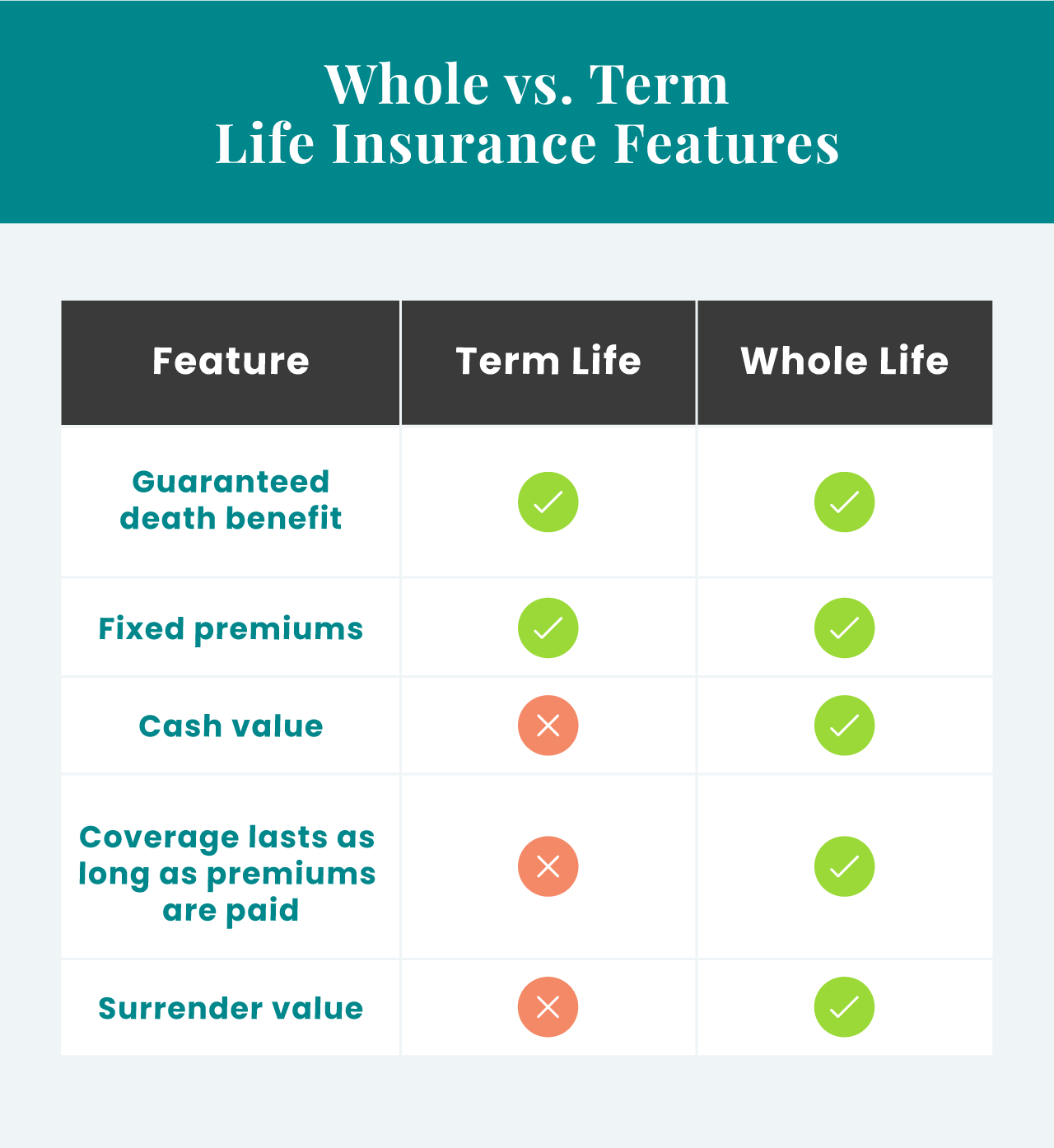
Understanding the structural differences is essential for matching a policy to your specific financial roadmap. The following table highlights the functional distinctions between these two products.
| Feature | Term Life Insurance | Whole Life Insurance |
|---|---|---|
| Duration | Fixed (e.g., 10, 20, 30 years) | Lifetime (until death or age 100+) |
| Cash Value | None | Yes; grows over time |
| Premium Cost | Low and predictable | High and fixed |
| Primary Intent | Income replacement | Estate planning / Wealth building |
| Payout Eligibility | Death within the term only | Anytime upon death |
| Investment Component | None | Yes; cash value accumulation |
Evaluating Your Financial Needs
Determining which policy suits you depends on your life stage and financial objectives. For many younger families, the priority is high coverage at a low cost. If your main goal is to ensure your children can finish college or your spouse can pay off the home in the event of your premature death, term life insurance is usually the superior financial choice. You pay for the coverage when you need it most, and you avoid the higher costs of permanent insurance.
Whole life insurance is often better suited for individuals who have already maximized tax-advantaged retirement accounts (such as 401(k)s or IRAs) and are looking for additional ways to shield assets or create a legacy. It is frequently utilized in estate planning to provide liquidity for heirs to pay inheritance taxes or to ensure a permanent transfer of wealth.
Common Misconceptions and Risks
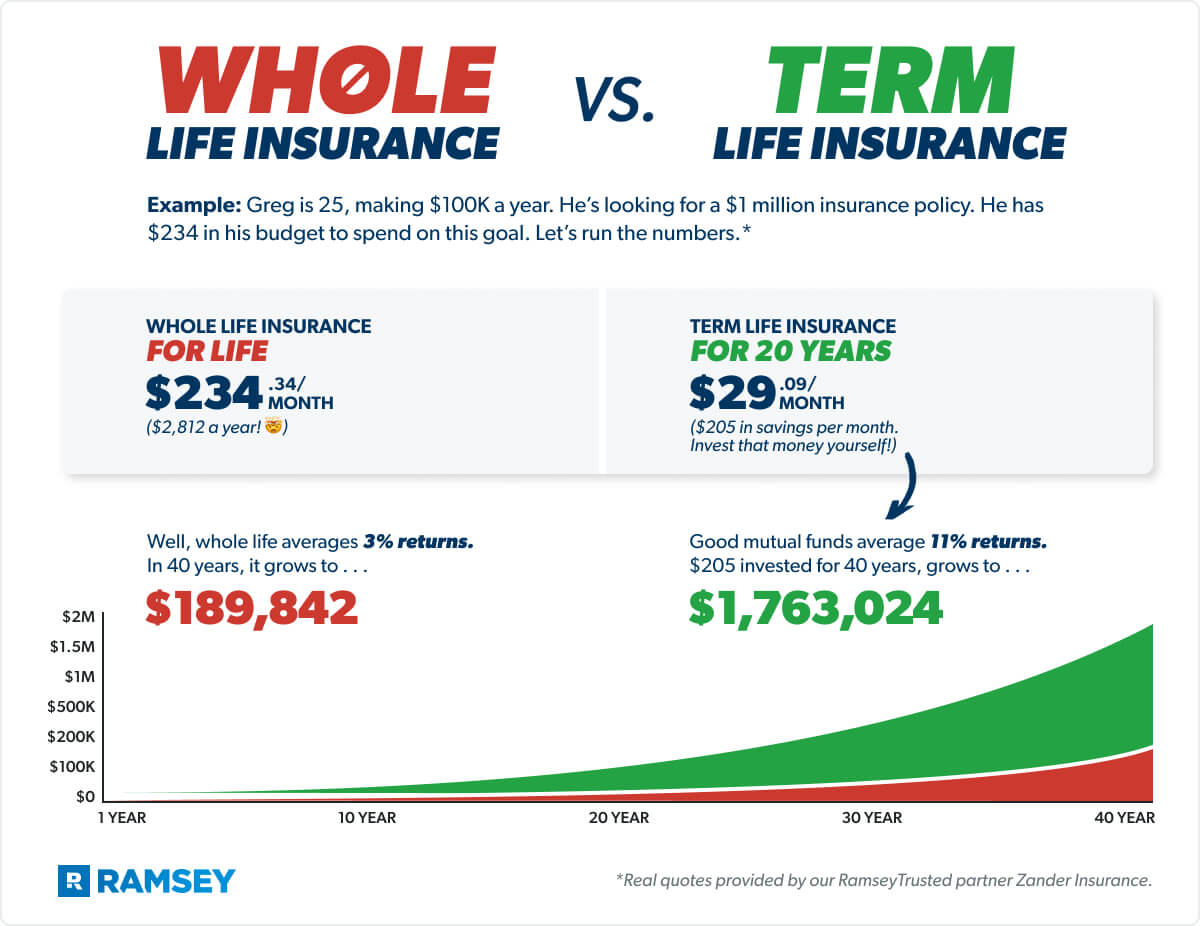
One common mistake is viewing whole life insurance primarily as an "investment." While the cash value grows, the internal rate of return on the cash value component is typically lower than what one might expect from a diversified equity portfolio. Furthermore, if you cancel a whole life policy in the early years, you may face surrender charges that significantly erode your principal investment.
Conversely, a risk associated with term life insurance is the "renewal cliff." If your health deteriorates during the term, you may find it prohibitively expensive to obtain a new policy once your current one expires. Some term policies offer a conversion option, allowing you to convert your term coverage into a permanent policy without a medical exam. Verifying if your policy includes a "conversion rider" is a critical step in risk management.
Factors Influencing Eligibility and Pricing
Both term and whole life insurance premiums are dictated by underwriting, which assesses your mortality risk. Factors include:
- Age: Older applicants pay higher premiums regardless of the policy type.
- Health Profile: Medical history, blood pressure, cholesterol, and family history influence your risk class.
- Lifestyle: Tobacco use or participation in high-risk hobbies can increase costs.
- Policy Amount: Higher death benefits require more extensive medical verification.
Before committing to a policy, you must provide accurate information. Misrepresentation on a life insurance application can lead to the denial of a death benefit claim years later, effectively nullifying the protection you purchased.
Next Steps: How to Choose
- Calculate Your Need: Determine your total financial obligations (mortgage, debts, education, income replacement needs) over the next 20 to 30 years.
- Review Your Budget: Compare the premiums for a 20-year term policy against a whole life policy for the same death benefit.
- Assess Your Timeline: Do you need coverage for a specific goal (e.g., child reaches 25) or for the remainder of your life?
- Consult an Independent Agent: Seek an advisor who has access to multiple carriers to compare quotes, rather than a "captive" agent who sells for only one company.
- Verify Financial Strength: Only purchase coverage from insurers with high ratings (A or better) from agencies like A.M. Best or Standard & Poor’s to ensure they have the long-term solvency to pay your claim in the future.
If you are just starting out, prioritize the most cost-effective protection to ensure your family's immediate financial security. If you have significant wealth or specific permanent needs, discuss the tax advantages and legacy-planning capabilities of whole life insurance with a qualified financial advisor.
Image Gallery