Nissan Sentra CVT Issues Explained: Causes, Symptoms, and Solutions
Nissan Sentra CVT issues primarily stem from internal overheating and belt slippage within the JATCO-sourced transmission system. These problems typically manifest as shuddering, delayed acceleration, or the vehicle entering "limp mode...
Nissan Sentra CVT issues primarily stem from internal overheating and belt slippage within the JATCO-sourced transmission system. These problems typically manifest as shuddering, delayed acceleration, or the vehicle entering "limp mode" to prevent catastrophic failure. While newer 2020–2026 models show significant reliability improvements, older generations often require strict maintenance and fluid cooling upgrades to avoid premature replacement.
Contents
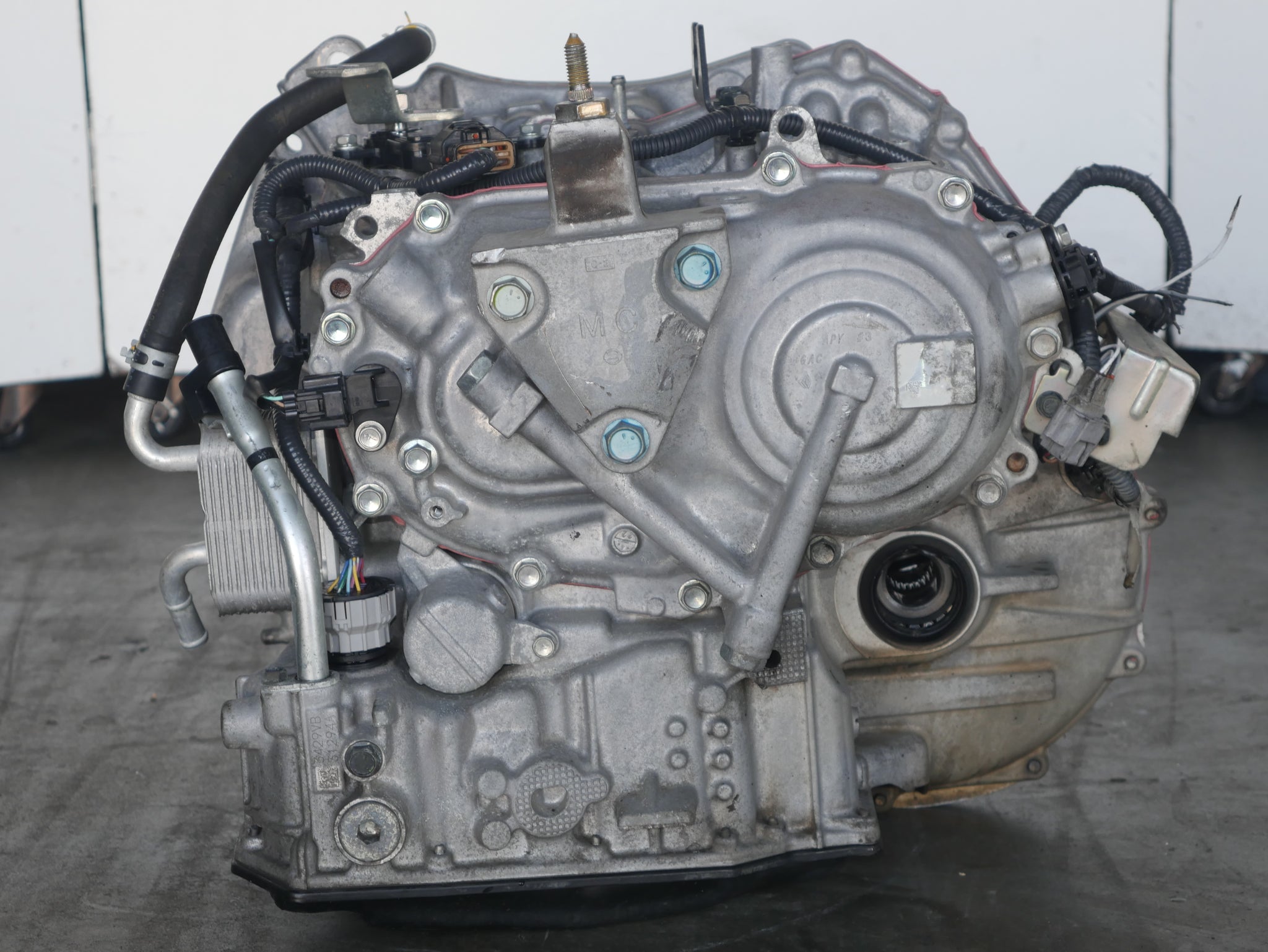
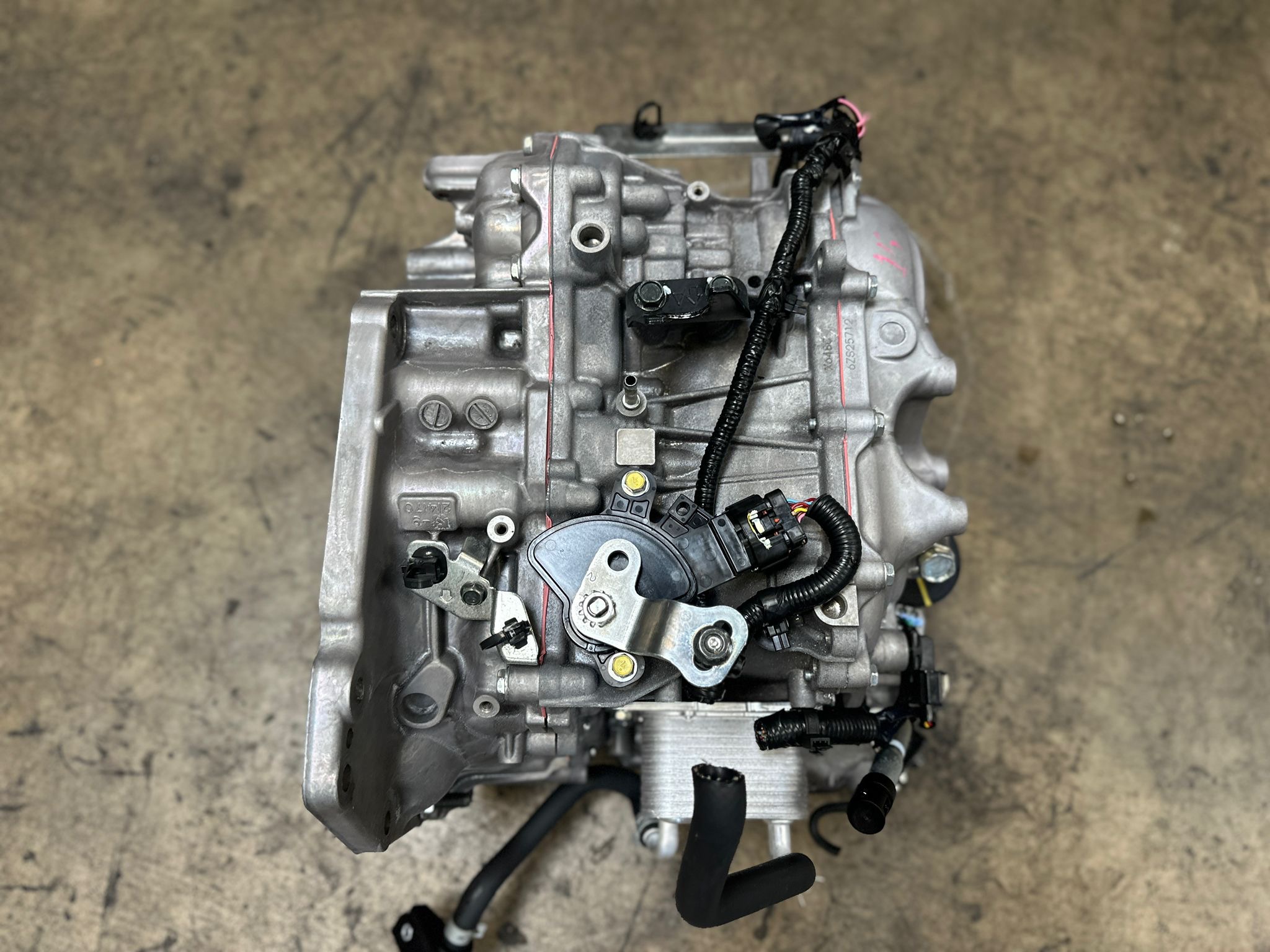
The Nissan Sentra has long been a staple of the compact sedan market, praised for its fuel efficiency and affordability. However, for over a decade, its reputation has been shadowed by the performance of its Continuously Variable Transmission (CVT). Manufactured by JATCO (Japanese Automatic Transmission Company), a subsidiary of Nissan, these transmissions differ fundamentally from traditional automatic gearboxes. Instead of fixed gears, they use a system of pulleys and a steel belt to provide an infinite range of gear ratios. While this design optimizes fuel economy, it has historically faced significant durability challenges.
As we look at the landscape in 2026, understanding the mechanics, the failure points, and the legal history of these units is essential for current owners and used-car buyers alike.
The Mechanics of the JATCO CVT
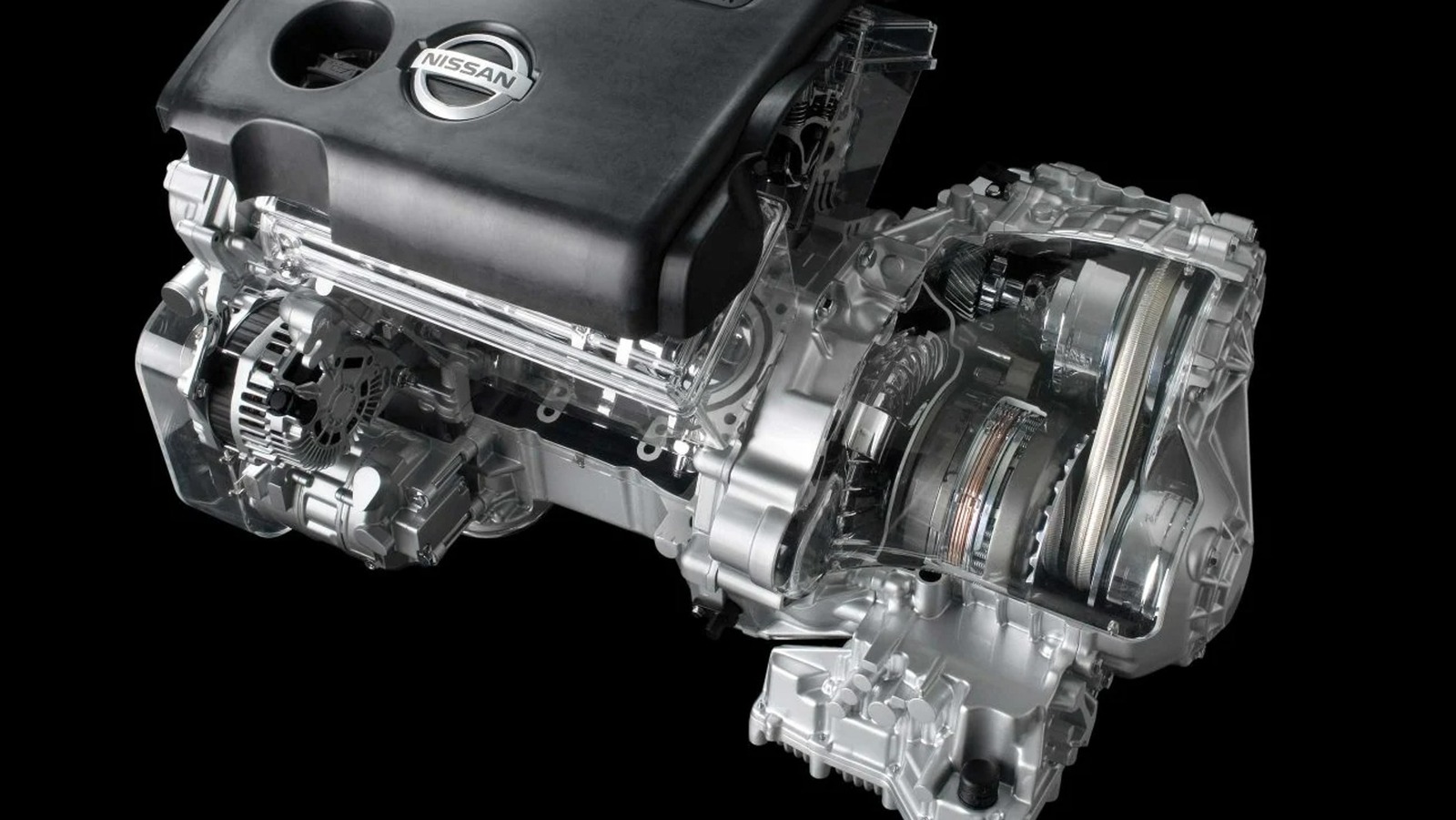
To understand why the Nissan Sentra experiences these issues, one must first understand how a CVT operates. Unlike a conventional transmission that shifts through six, eight, or ten distinct gears, the CVT utilizes two variable-diameter pulleys connected by a high-strength steel belt. By changing the width of the pulleys, the transmission can seamlessly adjust the "gear" ratio to keep the engine in its most efficient power band.
The primary weakness in the Sentra’s JATCO units—specifically the Xtronic versions used in the mid-2010s—is the reliance on hydraulic pressure and friction. The steel belt must be gripped tightly by the pulleys to transfer power. If the hydraulic pressure drops or the transmission fluid loses its viscosity due to heat, the belt can slip. Once slippage occurs, it creates metal-on-metal friction, leading to microscopic shavings that contaminate the system and eventually lead to total mechanical failure.
Common Symptoms of Nissan Sentra CVT Failure
Identifying a failing CVT early can sometimes be the difference between a minor repair and a $5,000 replacement. Most Sentra owners report a specific progression of symptoms that signal the transmission is struggling.
1. Transmission Shudder or "Judder"
The most frequent complaint is a noticeable shaking or vibration during acceleration, often referred to as "judder." This typically occurs when the belt is struggling to find grip on the pulleys. It is most prominent when accelerating from a stop or when climbing a slight incline.
2. Delayed Throttle Response and "Rubber Banding"
Owners often describe a "rubber band effect," where the engine RPMs rise significantly after pressing the gas pedal, but the vehicle’s speed does not increase proportionally. While some of this is inherent to CVT design, an exaggerated delay usually indicates that the pulleys are not adjusting correctly or the belt is slipping.
3. Whining or Grinding Noises
A high-pitched whining sound that increases with engine speed is a classic sign of an overheating CVT or a failing bearing. If the sound transitions into a mechanical grinding, it usually means that internal metal components are already shedding debris into the fluid.
4. Limp Mode
When the Transmission Control Module (TCM) detects that the fluid temperature has exceeded safe operating limits, it triggers "limp mode." In this state, the vehicle’s power is severely restricted, and the engine will not allow high RPMs. This is a protective measure designed to prevent the transmission from literally melting, but it can be dangerous if it occurs while merging onto a highway.
Historical Context: The Problematic Years
While Nissan has used CVTs for decades, certain Sentra model years have been significantly more prone to failure than others.
- 2013–2017 Models: These years represent the peak of CVT-related complaints. The Sentra was equipped with the JATCO JF015E (CVT7), which suffered from cooling issues and premature belt wear.
- 2018–2019 Models: Nissan introduced software updates and minor hardware tweaks to improve fluid flow. While more reliable than the previous generation, these still experience higher-than-average failure rates compared to traditional automatics.
- 2020–2026 Models: With the launch of the eighth-generation Sentra, Nissan implemented a more robust CVT design with better thermal management and simulated "step shifts" to reduce belt stress. As of 2026, these models have shown a much lower frequency of catastrophic failure, though they still require diligent maintenance.
Technical Root Causes: Why Do They Fail?
Automotive engineers and independent mechanics have identified several technical flaws that contributed to the Sentra's transmission woes:
Inadequate Cooling
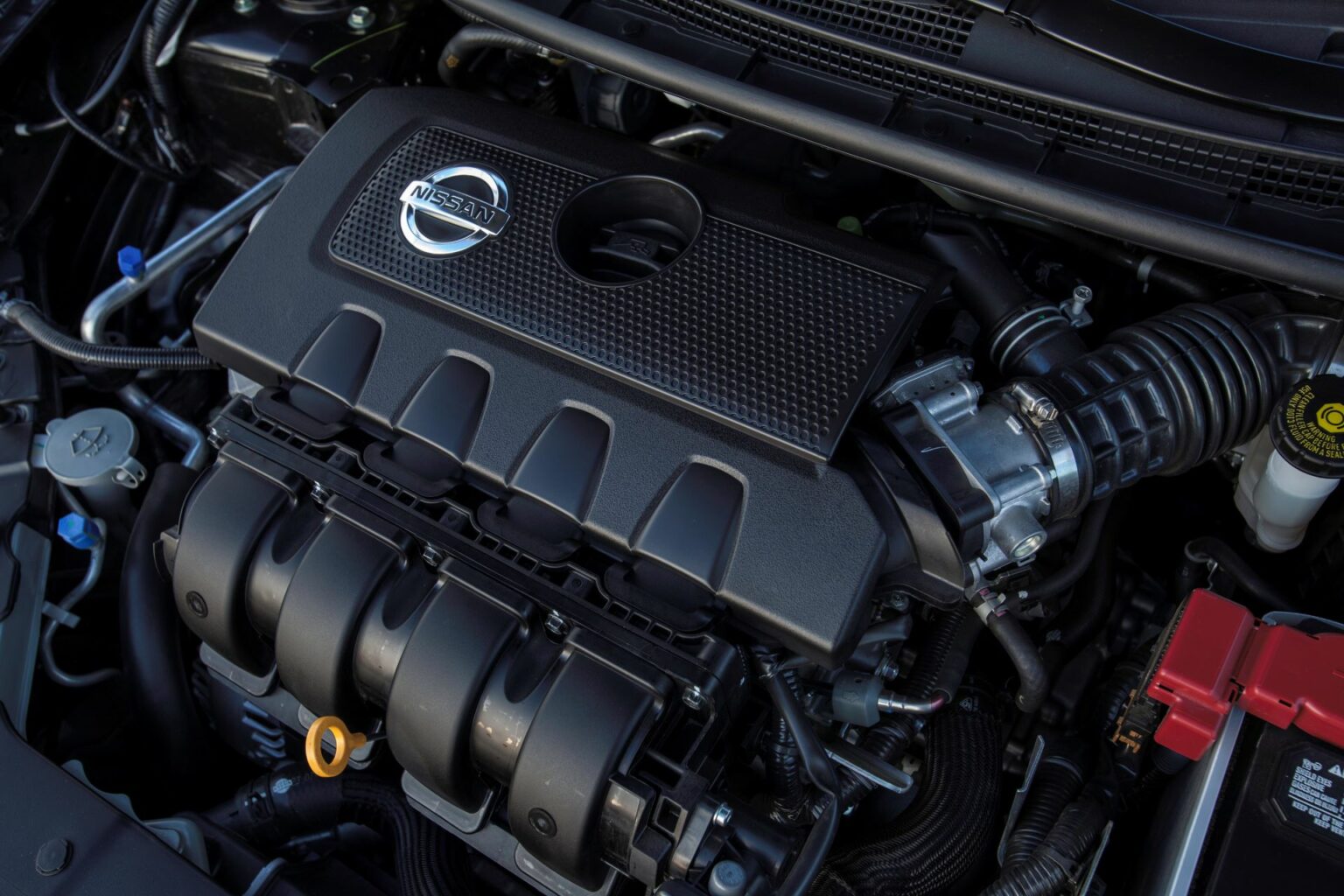
Heat is the primary enemy of any transmission, but CVTs are particularly sensitive. Many early Sentra models lacked a dedicated external transmission oil cooler, relying instead on a small "warmer" unit connected to the radiator. Under heavy load or in hot climates, the fluid would exceed 200°F, at which point its lubricating properties begin to break down.
Fluid Degradation
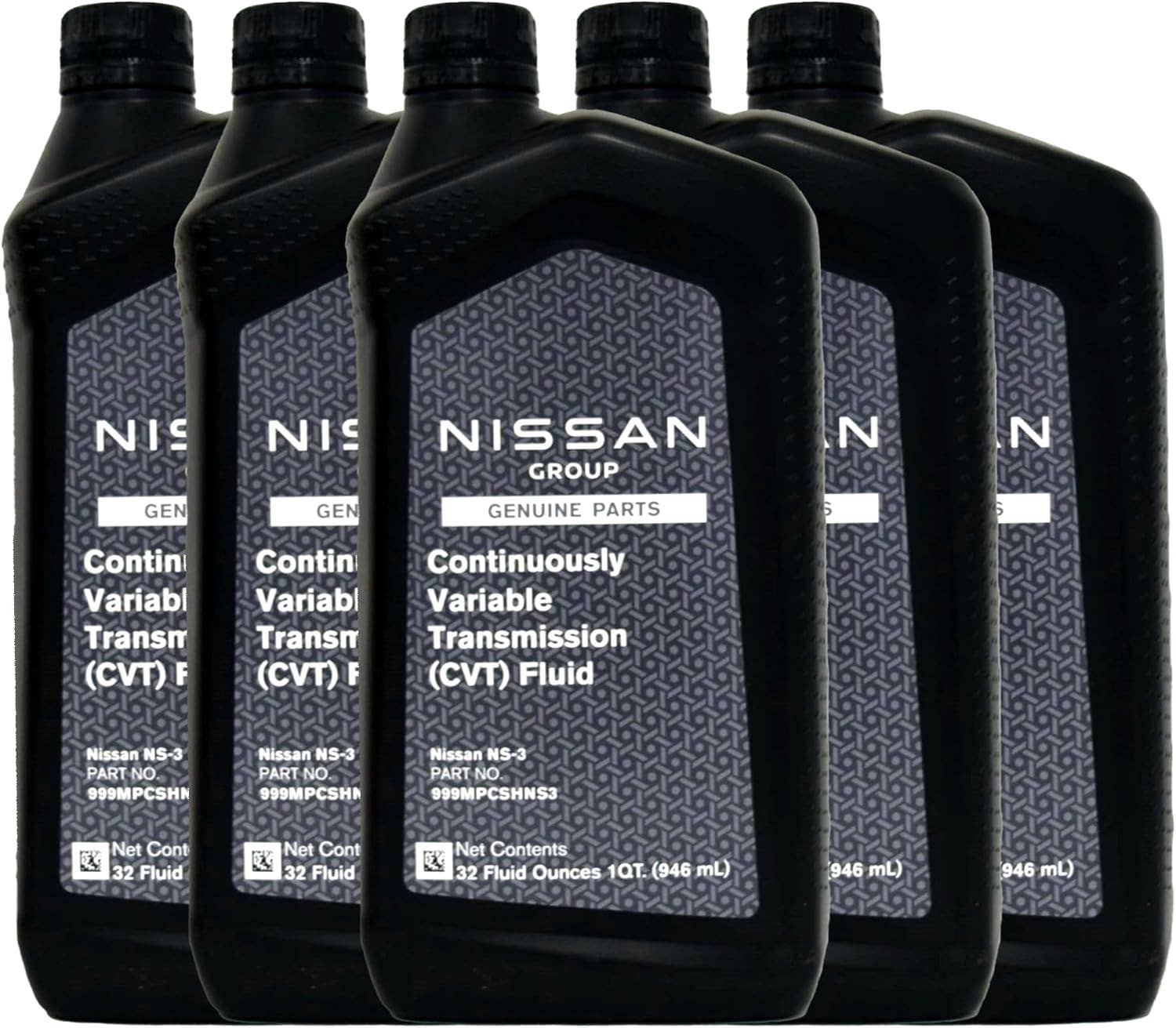
Nissan originally marketed the CVT fluid as "lifetime fluid," suggesting it never needed to be changed. This proved to be a critical error. The Nissan NS-3 CVT fluid is a highly specialized synthetic oil. Over time, it shears and loses its ability to maintain the necessary hydraulic pressure. When the fluid degrades, the belt slips, creating the heat-friction cycle that destroys the unit.
Small Particle Contamination
As the steel belt wears against the pulleys, it produces tiny metal shards. If the internal filters become clogged, these particles circulate through the valve body—the "brain" of the transmission—causing valves to stick and sensors to provide inaccurate readings to the TCM.
Maintenance Requirements: The NS-3 Factor
For owners of a Nissan Sentra in 2026, the most effective way to extend the life of the CVT is to ignore the original "lifetime" service interval. Professionals now recommend a much more aggressive maintenance schedule.
| Service Item | Recommended Interval | Purpose |
|---|---|---|
| Fluid Inspection | Every 15,000 miles | Check for discoloration or a "burnt" smell. |
| CVT Fluid Drain & Fill | Every 30,000 miles | Replace degraded NS-3 fluid to maintain hydraulic pressure. |
| External Filter Replacement | Every 60,000 miles | Ensure the cooling circuit remains free of debris. |
| TCM Software Update | As released by Nissan | Adjusts shift logic to reduce heat and belt stress. |
It is crucial to use only genuine Nissan NS-3 CVT fluid. Using generic "all-vehicle" ATF can lead to immediate belt slippage and void any remaining warranties.
Legal Settlements and Warranty Extensions
Due to the volume of failures, Nissan has faced multiple class-action lawsuits. These legal actions have resulted in significant concessions for owners of older Sentra models.
In cases such as Weckwerth v. Nissan North America, settlements provided for a warranty extension on the CVT to 10 years or 120,000 miles (whichever comes first) for certain 2013–2018 models. If you are purchasing a used Sentra in 2026, it is vital to check the VIN on the NHTSA website or a Nissan dealer portal to see if the vehicle is covered by an extended warranty or if the transmission has already been replaced under a recall campaign.
The Cost of Replacement vs. Repair
If a Sentra CVT fails out of warranty, owners face a difficult financial decision. Unlike traditional transmissions, CVTs are rarely rebuilt by local shops because the specialized parts and clean-room conditions required are difficult to maintain.
- Dealership Replacement: A brand-new unit from a Nissan dealer typically costs between $4,000 and $5,500, including labor. This usually comes with a 12-month/12,000-mile warranty.
- Certified Remanufactured Units: Some specialized transmission companies offer remanufactured JATCO units that include upgrades (like improved valve bodies) to address factory flaws. These cost roughly $3,000 to $4,000.
- Used Units: Sourcing a transmission from a salvage yard is the cheapest option ($1,000–$2,000), but it is highly risky, as the used unit may be close to failure itself.
FAQs About Nissan Sentra CVT Issues
Can I drive my Sentra if the CVT is whining?
While the car may still move, a whining noise indicates that the transmission is either overheating or experiencing internal bearing wear. Continued operation will lead to "limp mode" or total failure, potentially leaving you stranded. It is best to have the fluid inspected immediately.
Does the 2020-2026 Nissan Sentra have the same issues?
The 2020+ models use a revised CVT design with better cooling and updated software logic. While it is too early to declare them "flawless" for 200,000 miles, the failure rates for these newer generations are significantly lower than those of the 2013–2017 models.
Is there a recall for the Nissan Sentra transmission?
There has not been a universal safety recall that mandates the replacement of all transmissions. Instead, Nissan has issued several Technical Service Bulletins (TSBs) and voluntary warranty extensions. A recall is usually only issued if a defect poses an immediate safety risk, such as the vehicle stalling in traffic.
How do I know if my CVT fluid is overheating?
Unless your car is equipped with an aftermarket OBD-II monitor, you won't see a temperature gauge for the transmission. However, you can tell it's overheating if the car loses power (limp mode), the engine revs high without a speed increase, or you smell a distinct burnt-toast odor after driving.
Will changing the fluid fix a shuddering transmission?
If the shuddering is caused by old, degraded fluid, a "drain and fill" may temporarily improve performance. However, if the shuddering is caused by physical damage to the belt or pulleys, fluid changes will not fix the mechanical wear.
Summary and Recommendations
The Nissan Sentra CVT issues are a well-documented chapter in modern automotive history. While the technology provides excellent fuel economy, the early iterations were plagued by thermal management problems and premature wear.
For current owners: The best course of action is preventative maintenance. Change your CVT fluid every 30,000 miles regardless of what the manual says. If you live in a hot climate or drive in heavy stop-and-go traffic, consider installing an auxiliary transmission cooler.
For prospective buyers: If you are looking at a 2013–2019 Sentra, demand service records proving the transmission fluid was changed regularly. If the vehicle has more than 100,000 miles on the original transmission and no service history, proceed with extreme caution. Conversely, the 2020–2026 models represent a much safer investment, provided you maintain the transmission with the same diligence required of any high-tech mechanical system.
Image Gallery