How Long to Cook a Medium Rare Steak on the Grill
To cook a 1-inch thick steak to medium-rare on a hot grill (450°F to 500°F), you typically need 3 to 4 minutes per side, for a total of 6 to 8 minutes. Always use a digital meat thermometer to pull the steak at an internal temperature...
To cook a 1-inch thick steak to medium-rare on a hot grill (450°F to 500°F), you typically need 3 to 4 minutes per side, for a total of 6 to 8 minutes. Always use a digital meat thermometer to pull the steak at an internal temperature of 130°F (54°C), allowing it to reach the ideal 135°F through carryover cooking while resting.
Contents
Achieving the perfect medium-rare steak on the grill is the hallmark of a backyard pitmaster. Medium-rare is widely considered the "gold standard" for steak preparation because it strikes the ideal balance between a seared, flavorful crust and a tender, juicy, warm red center. At this level of doneness, the intramuscular fat (marbling) has begun to melt and lubricate the muscle fibers, but the proteins have not yet tightened to the point of toughness.
However, "how long" is a deceptive question because timing is a byproduct of temperature, thickness, and technique. To master the grill in 2026, one must look beyond the clock and understand the thermal dynamics of the meat.
The Science of Medium-Rare: Temperature and Texture
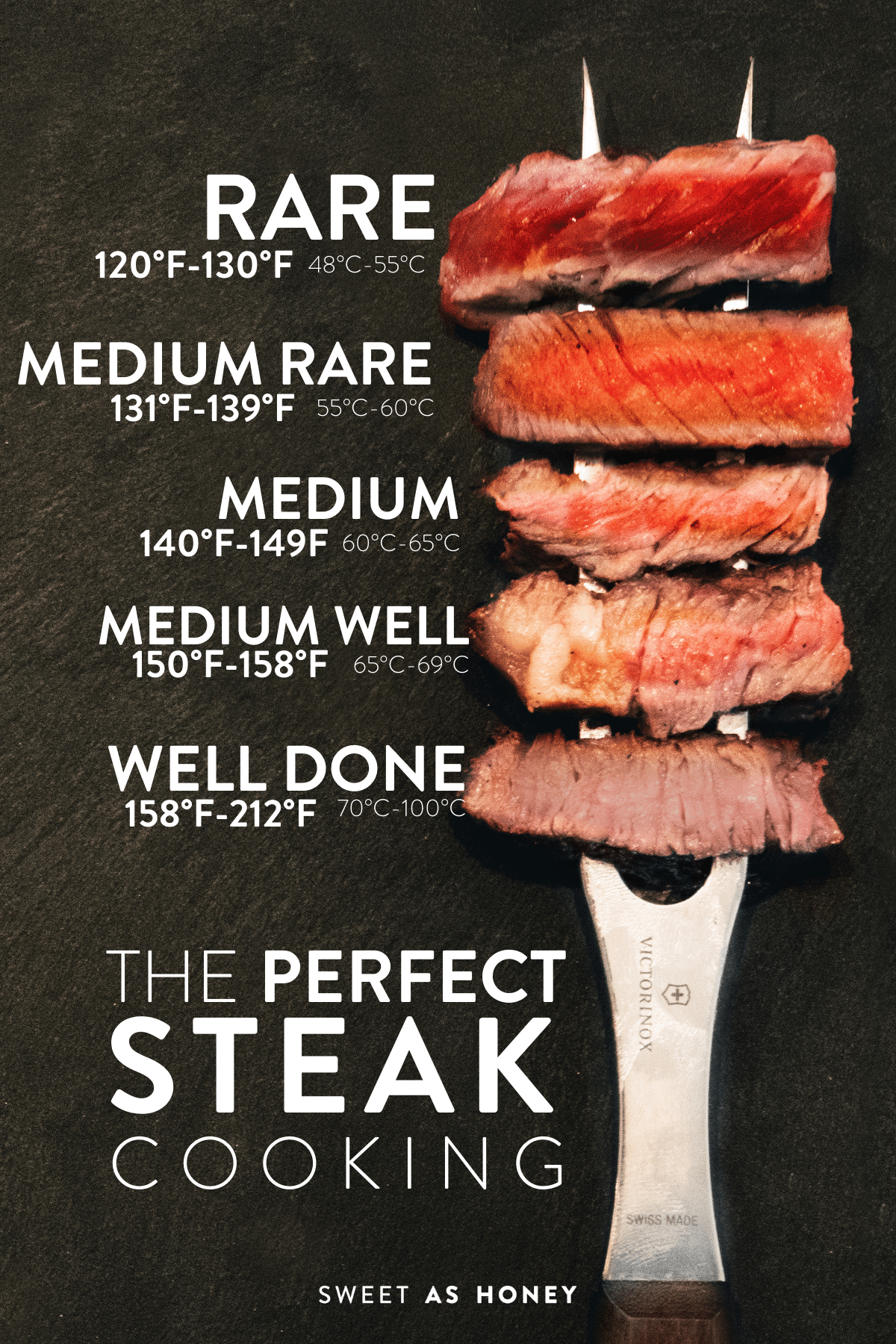
Before timing your cook, you must understand what medium-rare actually is. In culinary terms, medium-rare is defined by an internal temperature range of 130°F to 135°F (54°C to 57°C).
Visually, the center should be warm and deep pink to red. From a technical standpoint, this is the stage where the protein myosin begins to coagulate, but the structural integrity of the cells remains largely intact, holding onto the moisture. Once a steak passes 140°F (medium), the collagen and fibers contract significantly, squeezing out the juices that make a steak palatable.
Why Pulling Temperature Matters
You should never leave a steak on the grill until it hits 135°F. Because of carryover cooking, the internal temperature will continue to rise by 5°F to 7°F after the meat is removed from the heat source. Therefore, for a perfect medium-rare finish, you must remove the steak from the grill when the thermometer reads 130°F.
Variables That Dictate Grilling Time
Several factors will fluctuate the "minutes per side" rule. Understanding these variables allows you to adjust your strategy on the fly.
1. Steak Thickness
Thickness is the most significant factor in heat transfer. A thin steak (3/4 inch) will reach medium-rare almost as soon as a crust is formed. Conversely, a thick "Prime" cut (1.5 to 2 inches) requires a two-stage cooking process.
- Thin Steaks (< 1 inch): Focus on high heat and fast movement.
- Standard Steaks (1 to 1.25 inches): The traditional "3-4 minutes per side" method works best here.
- Thick Steaks (> 1.5 inches): These often require a "reverse sear" or indirect heat to ensure the center reaches temperature without burning the exterior.
2. The Cut of Meat
Different cuts have different densities and fat content. A Ribeye, which is high in fat, can handle slightly higher temperatures and may take slightly longer for the fat to render compared to a lean Filet Mignon.
- Filet Mignon: Lean and tender; cooks relatively quickly.
- Ribeye: High fat content; requires careful flame management to avoid flare-ups.
- New York Strip: Moderate fat; a reliable benchmark for standard timing.
3. Grill Temperature and Type
Your grill should be preheated to high heat—roughly 450°F to 500°F.
- Gas Grills: Offer consistent, controllable heat but often lack the intense infrared energy of charcoal.
- Charcoal Grills: Provide higher peak temperatures and a smoky flavor profile but require more skill in managing "hot spots."
- Infrared Burners: Often found on high-end 2026 grill models, these can sear a steak in under 2 minutes per side.
Essential Grilling Times by Thickness and Cut
The following table provides estimated times for a grill preheated to 450°F. These are guidelines; the internal temperature remains the only absolute measurement of success.
| Steak Cut | Thickness | Time Per Side (Direct Heat) | Total Time | Pull Temp |
|---|---|---|---|---|
| Filet Mignon | 1 inch | 3-4 Minutes | 7-8 Minutes | 130°F |
| Filet Mignon | 1.5 inches | 5-6 Minutes | 10-12 Minutes | 130°F |
| Ribeye / Strip | 1 inch | 3-4 Minutes | 6-8 Minutes | 130°F |
| Ribeye / Strip | 1.5 inches | 4-5 Minutes | 9-10 Minutes | 130°F |
| Sirloin | 1 inch | 3-4 Minutes | 6-8 Minutes | 130°F |
| Skirt / Flank | 0.5 inch | 2 Minutes | 4 Minutes | 130°F |
Step-by-Step Guide to the Perfect Medium-Rare Sear
Step 1: Preparation and Tempering
While the "room temperature" debate continues, most professional chefs recommend taking the steak out of the refrigerator 30 to 45 minutes before grilling. This prevents the "cold center" phenomenon where the outside burns before the inside warms up. Pat the steak bone-dry with paper towels; moisture is the enemy of the Maillard reaction (browning).
Step 2: Seasoning
In 2026, the consensus remains that heavy kosher salt is the best tool for a great crust. Salt your steak at least 40 minutes before grilling (to allow the salt to dissolve and be reabsorbed) or immediately before putting it on the grill. Avoid adding pepper or herb rubs before searing, as they can burn and become bitter at 500°F.
Step 3: High-Heat Searing
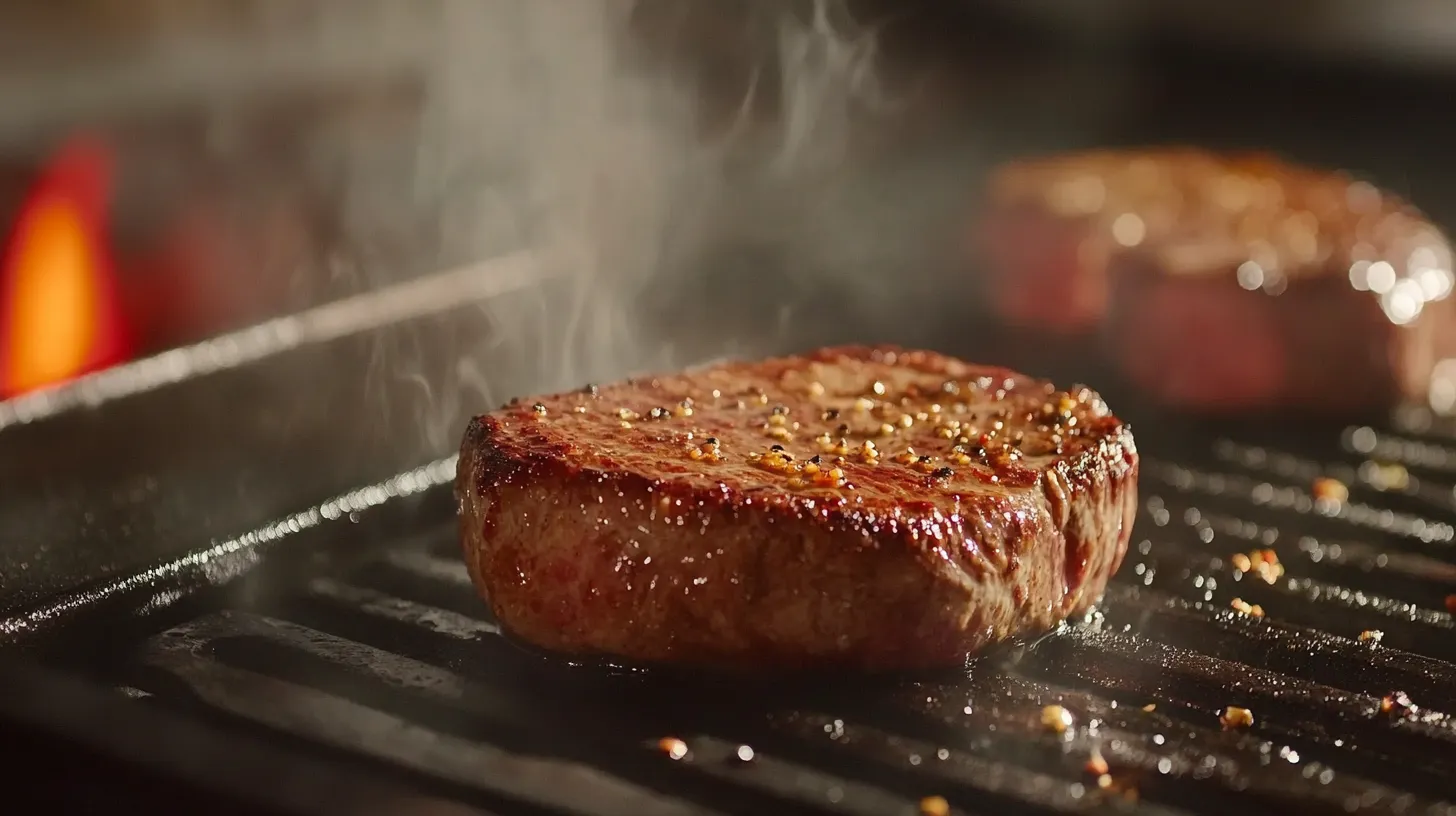
Place the steak on the hottest part of the grill. For those iconic cross-hatch grill marks, rotate the steak 90 degrees halfway through the cook time on the first side. Do not press down on the meat; this forces out the juices you are trying to preserve.
Step 4: The Flip
Flip the steak using tongs—never a fork. Piercing the meat allows juices to escape. The second side usually takes slightly less time than the first because the internal temperature has already begun to climb.
Step 5: The Temperature Check
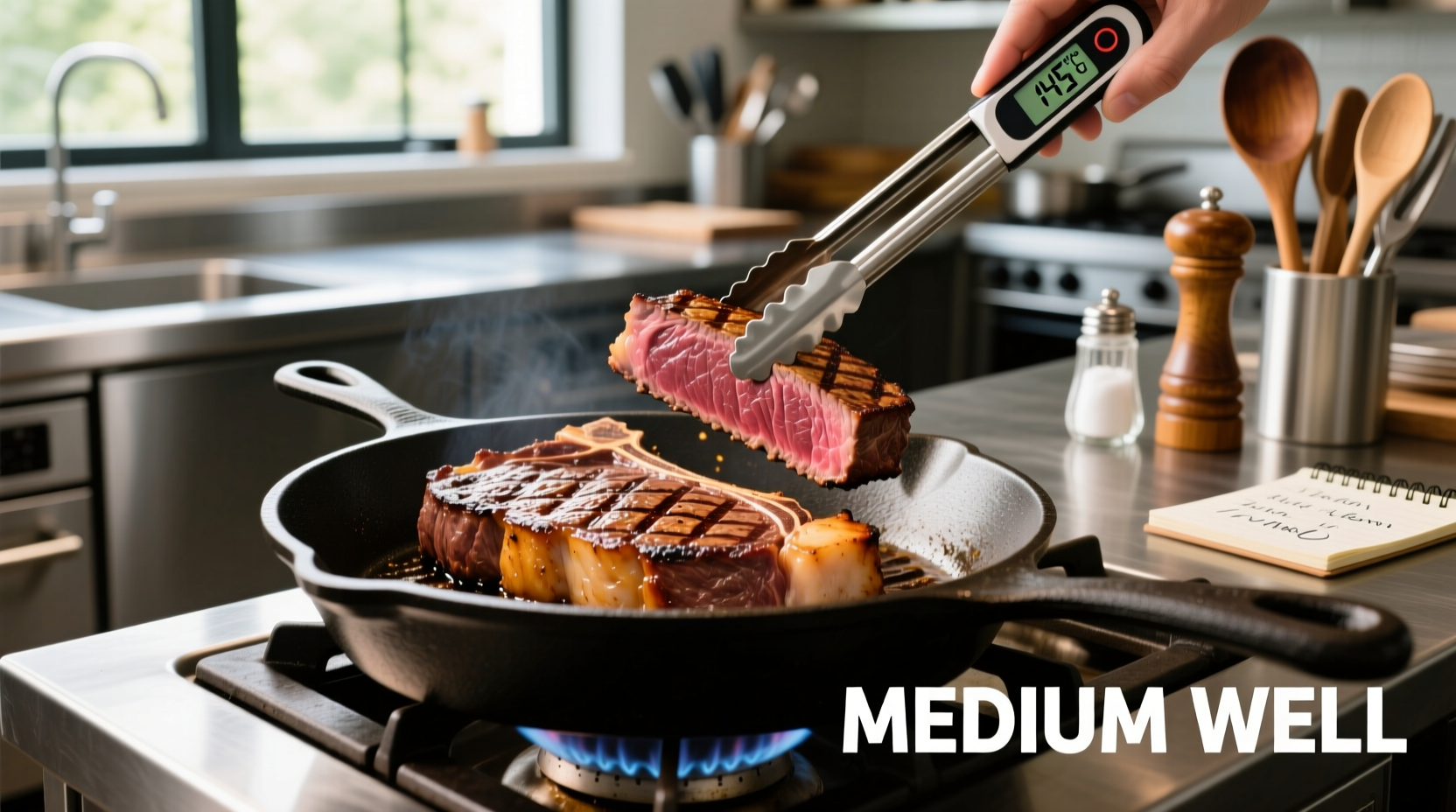
Using a high-quality digital instant-read thermometer, such as those produced by ThermoWorks, insert the probe into the thickest part of the steak, avoiding bone or large pockets of fat. When the display hits 130°F, remove it immediately.
The Critical Importance of Resting
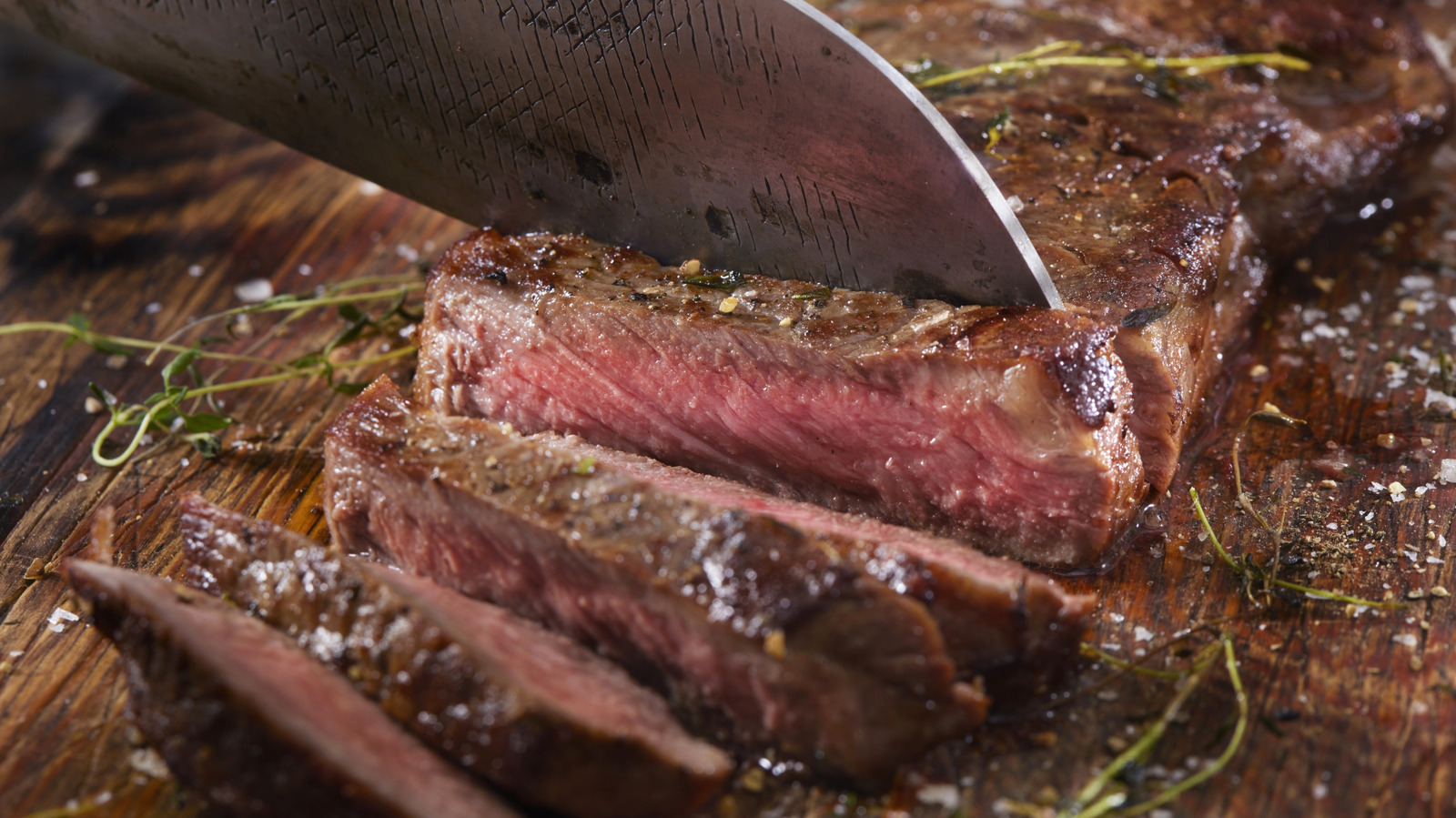
The most common mistake in home grilling is cutting the steak too soon. When meat is on the grill, the heat causes the muscle fibers to contract and push moisture toward the center. If you cut the steak immediately, that moisture will pour out onto the cutting board.
Rest the steak for at least 5 to 10 minutes. During this period, the muscle fibers relax and reabsorb the juices. Additionally, carryover cooking will bring the internal temperature up to the final 135°F target for a true medium-rare. For a deep dive into the physics of resting meat, AmazingRibs provides extensive scientific data on moisture retention.
Troubleshooting Common Grilling Mistakes
- Flare-ups: If fat drippings cause flames to engulf the steak, move it to a "safe zone" (indirect heat) until the flames subside. Carbonized soot from flare-ups tastes acrid and ruins the flavor of the beef.
- Gray Banding: If you see a thick ring of gray meat around a small red center, the heat was likely too low or the steak was cooked for too long. High heat ensures the transition from seared crust to red center is as sharp as possible.
- The "Touch Test": Many older guides suggest feeling the meat to check for doneness (the palm method). In 2026, with the availability of affordable, sub-second digital thermometers, this method is considered unacceptably inaccurate for expensive cuts of meat.
Advanced Technique: The Reverse Sear
For steaks thicker than 1.5 inches, the standard grilling method often results in an overcooked exterior. Instead, try the Reverse Sear:
- Cook the steak over indirect heat (225°F - 250°F) until the internal temperature reaches 115°F.
- Remove the steak and crank the grill to its maximum setting.
- Sear the steak for 60 seconds per side to develop the crust. This method provides an incredibly even "wall-to-wall" pink interior.
Frequently Asked Questions
Does the bone in a steak change the cooking time?
Yes, bone-in steaks (like a T-bone or bone-in Ribeye) generally take longer to cook. The bone acts as an insulator, slowing the cooking process of the meat immediately surrounding it. You may need to add 1–2 minutes of total cook time and ensure you check the temperature near the bone, which is often the last part to reach medium-rare.
Should I grill with the lid open or closed?
For quick-cooking steaks (1 inch or less), keep the lid open. This focuses all the energy on the sear. For thicker steaks, keep the lid closed to create an oven-like environment that helps the center reach temperature without burning the surface.
What is the best oil for grilling steak?
Use an oil with a high smoke point, such as avocado oil, grapeseed oil, or refined macadamia oil. Avoid extra virgin olive oil or butter for the initial sear, as they will smoke and burn at the temperatures required for a proper medium-rare steak.
How do I know if my grill is hot enough without a built-in thermometer?
Use the "hand test." Carefully hold your hand about 3 inches above the grill grate. If you can only keep it there for 1 to 2 seconds before it feels too hot, you have reached the high heat (450°F+) necessary for searing steak.
Is medium-rare safe to eat according to health guidelines?
The USDA officially recommends a minimum internal temperature of 145°F followed by a 3-minute rest for safety. However, many culinary enthusiasts and chefs prefer 130°F–135°F for quality. If you are in a high-risk group (elderly, pregnant, or immunocompromised), following the 145°F guideline is recommended.
Practical Recommendation
To ensure a perfect medium-rare result every time, invest in a high-quality instant-read digital thermometer. Stop relying on "minutes per side" as your primary metric. Use the timing charts above to plan your meal, but use the internal temperature of 130°F to determine when the steak is actually finished.
Image Gallery