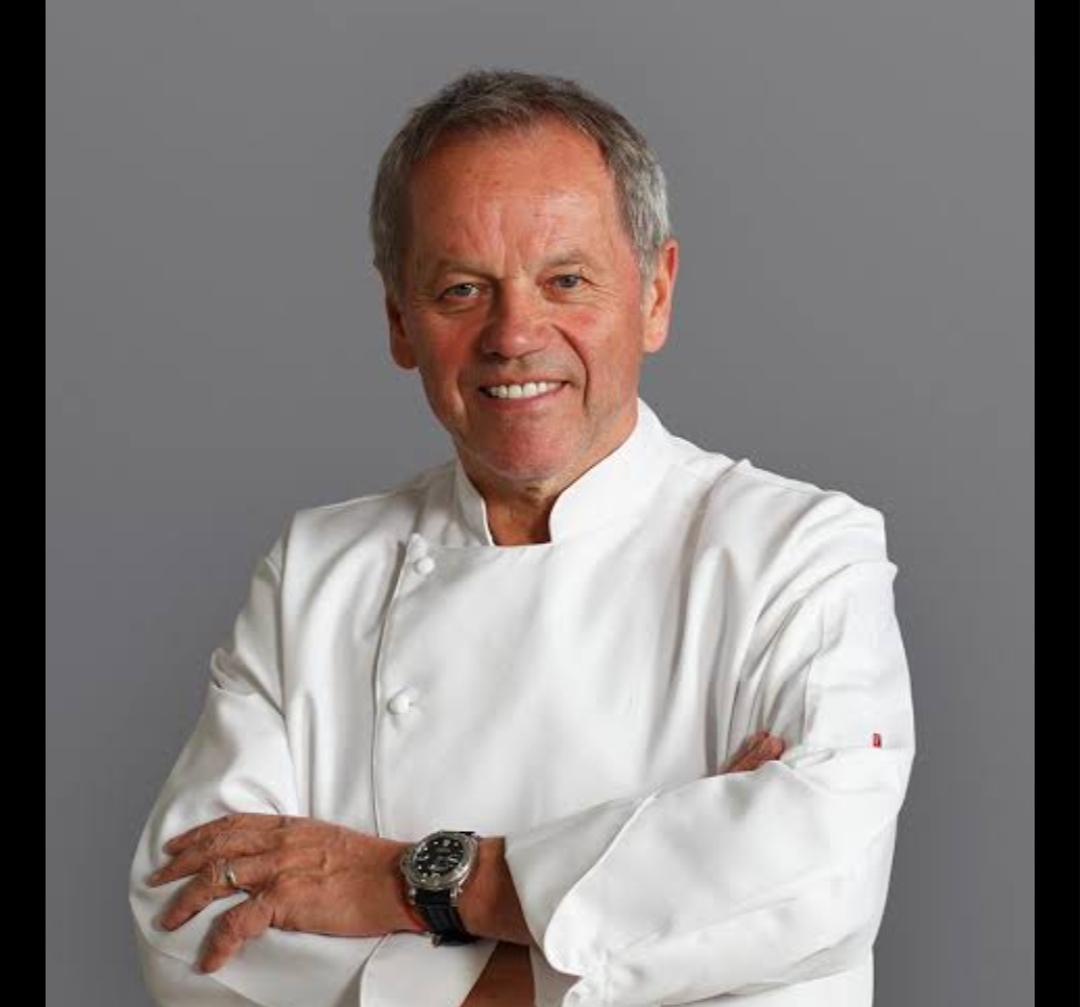
Understanding the Professional Background and Financial Status of Gary LeBlanc
Gary LeBlanc is a humanitarian leader and the founder of Mercy Chefs, a non-profit organization dedicated to providing high-quality, chef-prepared meals to victims, volunteers, and first responders during natural disasters and national...
Gary LeBlanc is a humanitarian leader and the founder of Mercy Chefs, a non-profit organization dedicated to providing high-quality, chef-prepared meals to victims, volunteers, and first responders during natural disasters and national emergencies. As a professional in the charitable non-profit sector, LeBlanc does not maintain a public net worth, as his financial life is centered on the operational management and fiscal health of a tax-exempt charitable entity rather than personal wealth accumulation.
Contents
The Professional Profile of Gary LeBlanc
Gary LeBlanc established Mercy Chefs in 2006 following his firsthand experience with the devastation caused by Hurricane Katrina. Having spent a significant portion of his earlier career in the hospitality and food service industry, LeBlanc recognized a critical gap in disaster relief: the quality and nutritional value of food provided to those in the hardest-hit areas.
Unlike a private business entrepreneur, LeBlanc operates under the governance of a 501(c)(3) non-profit structure. In the United States, the compensation of executives for charitable organizations is overseen by a Board of Directors, which ensures that salaries remain reasonable and consistent with industry standards for similar roles in the charitable sector. These financial details are documented in the organization's annual Form 990 filings with the Internal Revenue Service (IRS), which are matters of public record. However, these documents reflect the institutional finances of Mercy Chefs rather than any personal investment portfolio or individual net worth for the founder.
Financial Structure of Non-Profit Leadership
To understand why "net worth" is not a applicable metric for a figure like Gary LeBlanc, one must distinguish between corporate leadership in the private sector and executive leadership in the non-profit sector. In the private sector, net worth is often tied to equity, stock options, and personal ownership of business assets. In contrast, non-profit founders generally do not "own" the charitable organization.
The financial goal of a non-profit is to optimize the deployment of donor funds toward the mission—in this case, disaster relief. Therefore, the success of a leader in this field is measured by:
- Operational Efficiency: The percentage of revenue spent on program services versus administrative overhead.
- Scalability: The ability of the organization to maintain a supply chain during high-demand periods, such as hurricanes or major flooding events.
- Fundraising Sustainability: The ability to cultivate long-term donor relationships to ensure the organization can deploy at a moment’s notice.
Mercy Chefs: Operational Scope and Financial Oversight
Mercy Chefs operates as a professional food service organization that functions under extreme field conditions. Their logistical requirements include the maintenance of specialized tractor-trailers, commercial-grade mobile kitchens, and a fleet of support vehicles.
| Feature | Private Enterprise | Non-Profit (Mercy Chefs) |
|---|---|---|
| Primary Goal | Profit Maximization | Mission Fulfillment |
| Ownership | Shareholders/Founders | Charitable/Public Interest |
| Financial Reporting | Annual Reports/Stock Price | IRS Form 990/Public Audits |
| Funding Source | Revenue/Equity/Debt | Donations/Grants/Partnerships |
The financial oversight of Mercy Chefs is rigorous. Like all large-scale non-profits, the organization is subject to independent audits to ensure that the funds generated are used strictly for their stated purpose. Donors and the public can review these financial statements to gain insight into how the organization manages its assets, which provides a level of transparency that is standard in the humanitarian sector but different from the way private wealth is evaluated.
Distinguishing Wealth from Institutional Management
When observers ask about the net worth of a non-profit founder, they are often conflating institutional budget size with personal wealth. As of 2026, Mercy Chefs manages a complex operation that coordinates thousands of meals during disaster events. The capital equipment—such as their mobile kitchens and professional culinary hardware—belongs to the non-profit corporation, not to Gary LeBlanc personally.
The confusion regarding the net worth of non-profit leaders often stems from the high-profile nature of their work. Because Mercy Chefs has gained significant media attention for its response to major disasters, the organization manages multi-million dollar annual budgets. However, in the tax-exempt sector, these funds are restricted for charitable use. An executive's compensation is typically a salary commensurate with the responsibilities of running a large, specialized logistical operation, rather than a share of the organization’s assets or annual surplus.
Transparency in the Charitable Sector
In the United States, transparency for non-profits is maintained through the IRS Form 990. This form provides a detailed breakdown of:
- Revenue and Expenses: Total public support, government grants, and program service revenue.
- Compensation: Salaries for key employees and directors are listed to ensure compliance with IRS regulations regarding reasonable compensation.
- Governance: Disclosure of conflicts of interest and board independence.
By reviewing these documents, stakeholders can verify that the leadership is acting in accordance with ethical standards. This transparency is the primary way that the "value" of an organization is communicated to the public, effectively rendering the concept of "personal net worth" for the founder irrelevant to the organization’s mission.
Frequently Asked Questions
Is Gary LeBlanc a millionaire? There is no public record or evidence to suggest that Gary LeBlanc maintains personal wealth consistent with that designation. His career has been dedicated to the non-profit sector, where financial compensation is structured around salaries rather than equity-based wealth accumulation.
How is the money at Mercy Chefs used? Mercy Chefs allocates the vast majority of its funding to program services. This includes the procurement of food, the maintenance of mobile kitchens, fuel for the transport of equipment to disaster zones, and the wages for core personnel who manage these operations.
Are non-profit executives allowed to keep the money raised? No. By law, 501(c)(3) organizations are prohibited from "private inurement," meaning that no part of the organization's net earnings can benefit any private shareholder or individual. Compensation for employees must be reasonable for the services rendered.
Can I view the financial health of Mercy Chefs? Yes. Mercy Chefs, like other reputable 501(c)(3) organizations, publishes its financial information and makes its IRS Form 990 available for public review. You can request these documents directly from the organization or access them through non-profit watchdogs like Charity Navigator or GuideStar.
Does Gary LeBlanc own the Mercy Chefs equipment? No. The equipment, including specialized food service trucks and commercial kitchen setups, is owned by the corporation itself. This ensures that in the event of a leadership change, the assets remain dedicated to the organization's mission of disaster relief.
Next Steps for Financial Research
For those interested in the financial transparency of charitable organizations, the most reliable path is to consult official regulatory filings. You can search the IRS Tax Exempt Organization Search database using the organization's name to retrieve copies of their annual filings. These documents provide the most accurate and verified look at how funds are distributed, the executive compensation structure, and the overall fiscal health of the organization, ensuring you are relying on legal records rather than speculative reporting.
Image Gallery