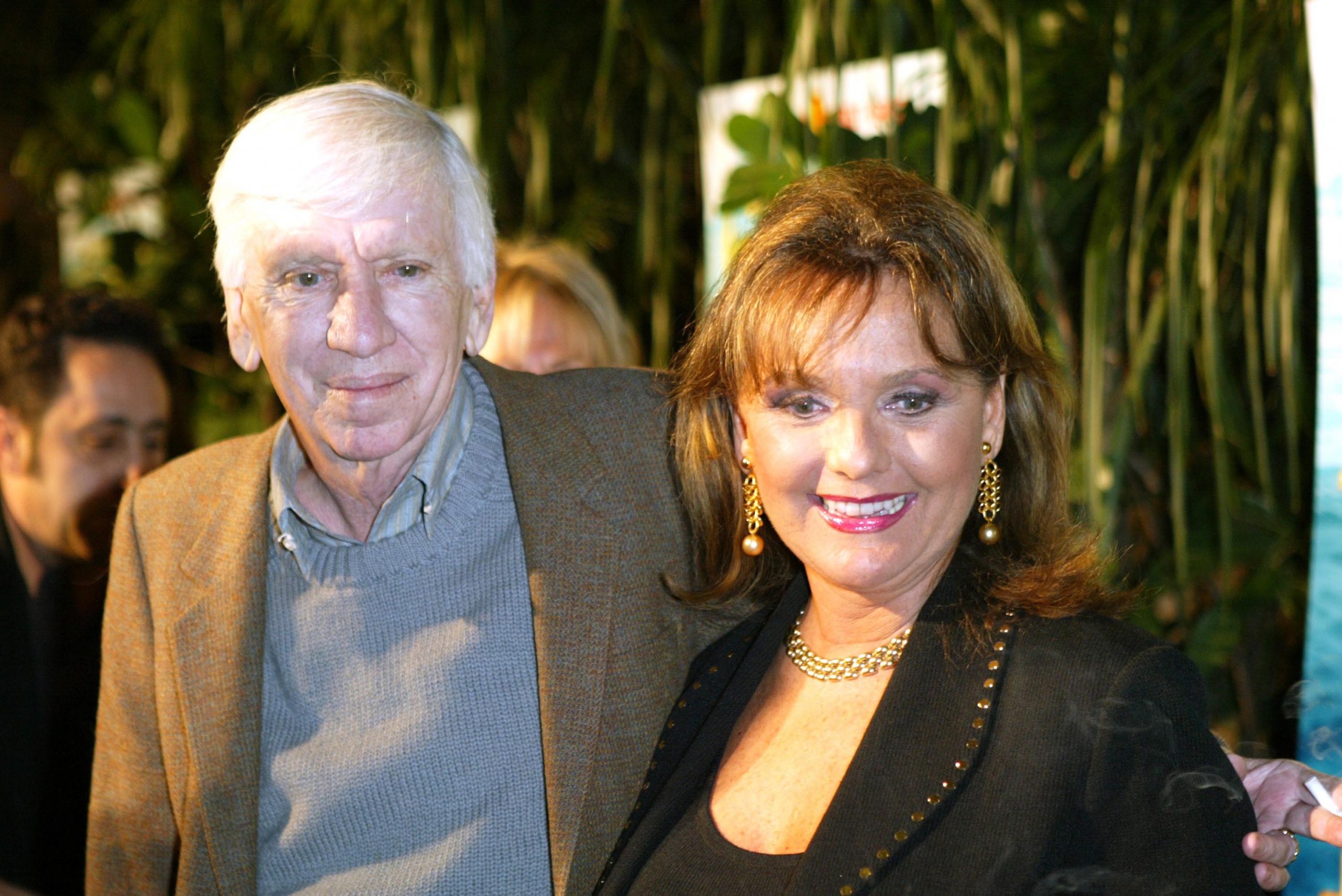
Bob Sheehy’s Net Worth Explained: A Deep Dive into the Health Care Executive’s Wealth
Bob Sheehy’s net worth is estimated to be between $50 million and $150 million as of 2026. This valuation is derived from his decades-long career as a top-tier executive at UnitedHealthcare, his co-founding of Bright Health Group (now...
Bob Sheehy’s net worth is estimated to be between $50 million and $150 million as of 2026. This valuation is derived from his decades-long career as a top-tier executive at UnitedHealthcare, his co-founding of Bright Health Group (now NeueHealth), and significant holdings in private equity and diversified investments within the health technology sector.
Contents
To understand the financial standing of Bob Sheehy, one must look beyond a single salary figure. His wealth is a complex tapestry woven from executive compensation at the world’s largest healthcare company, the volatile journey of a high-profile health-tech startup, and the strategic management of equity during market fluctuations. As a pivotal figure in the transition from traditional insurance models to value-based care, Sheehy’s financial trajectory mirrors the broader shifts in the American healthcare economy over the last thirty years.
The Foundation: UnitedHealthcare and the Executive Compensation Era
The bedrock of Bob Sheehy’s net worth was established during his 20-year tenure at UnitedHealth Group (UHG). Rising through the ranks to become the CEO of UnitedHealthcare (the company’s massive employer and individual insurance division) from 2000 to 2007, Sheehy operated at the highest echelons of corporate America.
During this period, UnitedHealth Group saw exponential growth. Under the broader leadership of William McGuire and later Stephen Hemsley, the company transformed into a dominant market force. For an executive in Sheehy’s position, compensation packages typically included:
- Base Salary: Often exceeding $1 million annually.
- Performance Bonuses: Linked to enrollment growth and operating margins, which frequently doubled or tripled base pay.
- Stock Options and RSUs: This was the primary engine of wealth creation. As UHG’s share price climbed steadily through the early 2000s, the equity granted to senior leadership appreciated significantly.
When Sheehy departed UnitedHealthcare in 2007, he did so with a substantial "nest egg" comprised of vested options and deferred compensation. Analysts of executive pay at the time noted that UHG’s top leadership benefited from one of the most lucrative equity programs in the managed care industry. This initial wealth provided the capital necessary for his subsequent ventures into the private equity and startup spaces.
The Bright Health Venture: From Valuation Peaks to Market Reality
In 2016, Bob Sheehy co-founded Bright Health Group alongside Kyle Armbrester and Tom Valdivia. The goal was ambitious: to create a "diversified healthcare financing and distribution platform" that integrated insurance with care delivery.
The financial journey of Bright Health is essential to explaining Sheehy’s net worth volatility. Between 2016 and its Initial Public Offering (IPO) in 2021, Bright Health raised over $1.5 billion in venture capital from heavyweights like Tiger Global Management, Blackstone, and NEA. As a co-founder and CEO (and later Executive Chairman), Sheehy held a significant percentage of the company’s common stock.
The 2021 IPO and "Paper" Wealth
When Bright Health went public in June 2021, it was one of the largest digital health IPOs in history. The company was initially valued at approximately $11.2 billion, with shares priced at $18. At this peak, Sheehy’s "paper" net worth was estimated to be in the hundreds of millions.
However, paper wealth is distinct from realized wealth. SEC filings indicated that while Sheehy held millions of shares, lock-up periods and fiduciary responsibilities often limit a founder's ability to liquidate holdings immediately following an IPO.
The Shift to NeueHealth and Stock Volatility
The post-IPO period was challenging for Bright Health. Like many "InsurTech" companies, Bright Health struggled with high Medical Loss Ratios (MLR)—meaning they spent a high percentage of premiums on medical claims—and the complexities of the Affordable Care Act (ACA) marketplaces.
By 2023 and 2024, the company underwent a massive restructuring. It exited the insurance business entirely to focus on its clinical "Value-Based Care" business, eventually rebranding as NeueHealth. During this transition:
- The stock price experienced a significant decline, losing over 90% of its IPO value.
- The company executed reverse stock splits to maintain exchange listings.
- Sheehy transitioned from CEO to Executive Chairman and eventually took on an advisory/board role.
While the decline in share price reduced the value of his NeueHealth holdings, it is important to note that seasoned executives like Sheehy often diversify their portfolios. His net worth remains bolstered by the liquidity achieved during his UHG years and potential secondary share sales during Bright Health's private funding rounds.
Breakdown of Estimated Wealth Components
Calculating the net worth of a private individual in 2026 requires looking at several asset classes. While public filings provide a window into his NeueHealth holdings, other assets remain shielded from public view.
| Asset Category | Estimated Value (2026) | Primary Source |
|---|---|---|
| Public Equity (NeueHealth) | $5M - $15M | Co-founder shares and board compensation |
| Historical UHG Liquidity | $40M - $80M | Salary, bonuses, and stock sales (2000–2007) |
| Real Estate Holdings | $10M - $25M | Personal properties in Minnesota and Florida |
| Private Investments | $15M - $30M | Participation in VC funds and healthcare startups |
| Total Estimated Net Worth | $50M - $150M | Aggregate of liquid and illiquid assets |
Why the Range is Broad
The $100 million variance in estimates accounts for two major unknowns:
- Tax Liabilities and Clawbacks: Legislative changes or specific contractual settlements can impact net wealth.
- Investment Performance: Sheehy has been an active investor in the Minneapolis-St. Paul business ecosystem. The success of these private placements is not a matter of public record.
Technical Factors Influencing His Financial Profile
To understand how Sheehy maintains his wealth, one must understand the financial mechanisms of executive compensation in the 2020s.
1. Value-Based Care Incentives
As NeueHealth shifted toward a value-based care model, executive compensation became tied to clinical outcomes rather than just member volume. This shift intended to stabilize the company’s balance sheet. For Sheehy, this meant his remaining equity value became dependent on the company's ability to manage chronic disease and reduce hospital admissions among its patient base.
2. Board Memberships and Advisory Roles
Beyond his own companies, Sheehy has served on various boards. Board compensation for mid-to-large-cap healthcare companies typically includes an annual retainer of $50,000 to $100,000, plus equity grants. Over a decade, serving on two or three boards can add millions to an executive's net worth through compound interest and stock appreciation.
3. Diversification Strategy
Most executives of Sheehy’s caliber do not keep more than 20-30% of their wealth in a single company once they have reached a certain liquidity threshold. It is highly probable that a significant portion of his wealth is managed by a private family office, invested in low-volatility indices, municipal bonds, and diversified private equity.
Historical Context: The Evolution of the Managed Care CEO
Sheehy belongs to a generation of healthcare leaders who saw the transition from local non-profit HMOs to massive, publicly traded "United-style" entities. His wealth is a reflection of this era. In the early 2000s, the "medical-industrial complex" rewarded executives who could scale operations and manage costs effectively.
His move to Bright Health represented a "second act" common among successful CEOs: the attempt to disrupt the very industry they helped build. While the financial success of Bright Health as a stock was a mixed bag, the enterprise value created through its various funding rounds ensured that the founders and early backers remained in a high-wealth bracket regardless of the public market’s later corrections.
Frequently Asked Questions
What was Bob Sheehy’s salary at UnitedHealthcare?
During his peak years as CEO of the UnitedHealthcare division, Sheehy’s total compensation (including base, bonus, and equity) was estimated to be between $5 million and $15 million annually. It is important to distinguish his role from the Group CEO (like William McGuire), whose compensation was significantly higher and subject to intense public scrutiny regarding backdated stock options.
How did the Bright Health stock crash affect him?
The crash significantly reduced his "on-paper" net worth. At the IPO, his shares were worth hundreds of millions. Following the 90%+ drop in share price before the company pivoted to NeueHealth, the value of those specific shares plummeted. However, because he was already wealthy from his UHG career, the crash did not result in financial instability, but rather a reduction in potential billionaire-level wealth.
Is Bob Sheehy still involved with NeueHealth in 2026?
By 2026, Sheehy has largely moved into an emeritus or advisory capacity. While he may still hold a board seat or a significant minority stake, the day-to-day operations are handled by a newer generation of leadership focused on the clinical service side of the business rather than the original insurance-led model.
Where does Bob Sheehy invest his money?
Public records and local business reports suggest a focus on health-tech startups, particularly those in the Midwest. He has been a proponent of the "Silicon Prairie" movement, reinvesting his capital into the Minneapolis entrepreneurial ecosystem.
Did Bob Sheehy sell his shares before the Bright Health decline?
Founders are subject to strict SEC Rule 144 guidelines regarding the sale of shares. While Sheehy likely sold some shares during various "secondary" offerings prior to the IPO or through scheduled 10b5-1 trading plans post-IPO, there is no evidence of a "mass exit" before the company’s financial troubles became public.
Summary of Financial Standing
Bob Sheehy remains a prominent figure in the healthcare financial landscape. While the volatility of the InsurTech market in the early 2020s prevented him from maintaining a billionaire-level valuation, his foundational wealth from the UnitedHealth Group era and his strategic pivot to value-based care clinical services have secured his status as a high-net-worth individual. His financial story is a quintessential example of the risks and rewards found at the intersection of traditional corporate management and modern tech-driven entrepreneurship.
Final Recommendation: For those tracking executive wealth in healthcare, focus on the performance of NeueHealth (NEUE) and the health of the Medicare Advantage market, as these remain the primary variables influencing Sheehy’s remaining public equity value.
Image Gallery