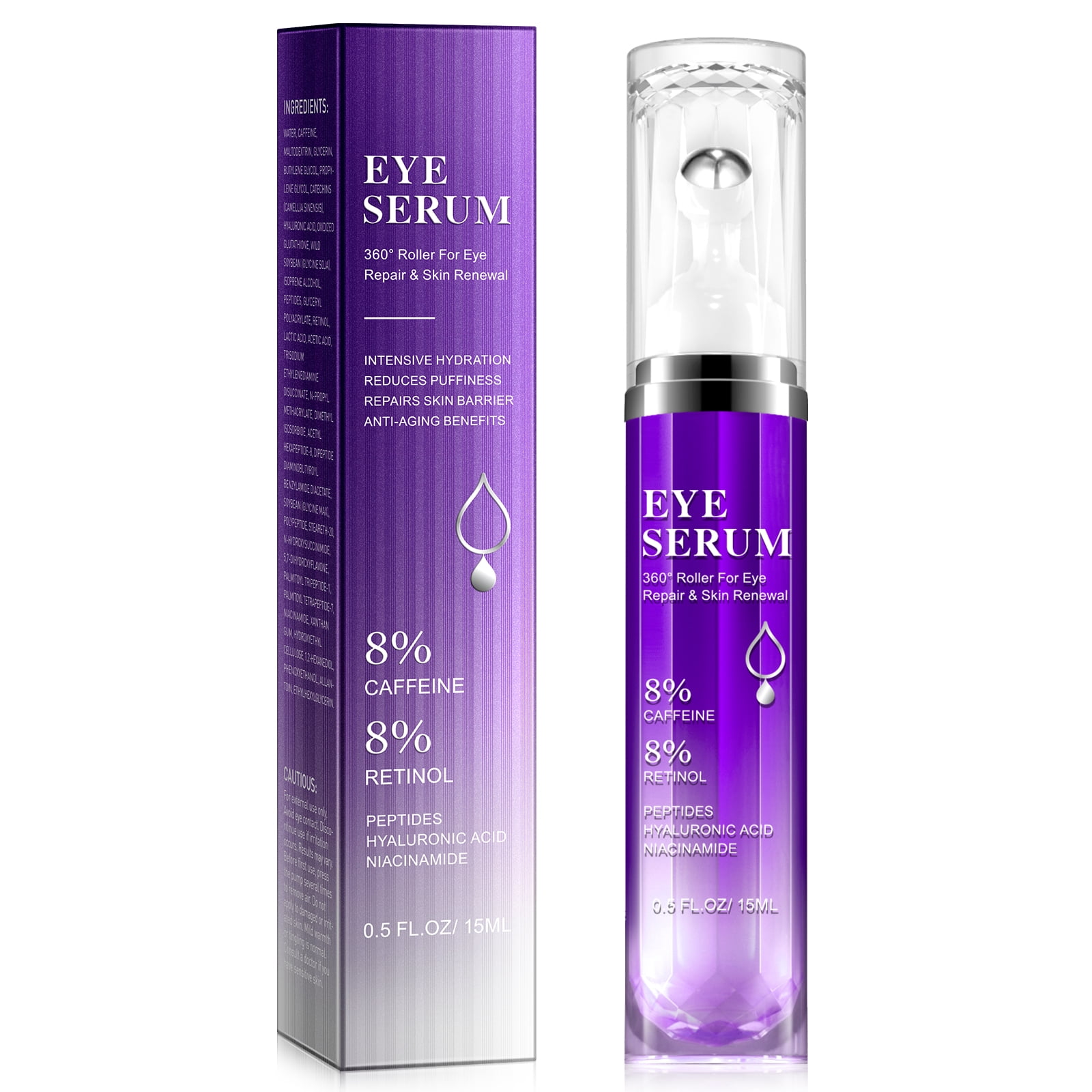
Comprehensive Guide to Serums for Dark Under Eyes in 2026
Serums for dark under eyes are concentrated topical treatments designed to brighten hyperpigmentation, constrict visible blood vessels, and thicken delicate skin. By delivering active ingredients like vitamin C, retinol, and caffeine d...
Serums for dark under eyes are concentrated topical treatments designed to brighten hyperpigmentation, constrict visible blood vessels, and thicken delicate skin. By delivering active ingredients like vitamin C, retinol, and caffeine deep into the dermis, these formulations address the physiological root causes of discoloration more effectively than standard moisturizers.
Contents
Identifying Your Specific Type of Dark Circles
Before selecting a serum, it is vital to understand that "dark circles" is a catch-all term for three distinct physiological conditions. Applying the wrong active ingredient can lead to frustration and a lack of visible results. In 2026, dermatological standards emphasize a diagnostic approach to at-home skincare.
Vascular Dark Circles (Blue or Purple)
Vascular circles are caused by the thinning of the skin under the eye, which allows the underlying veins and capillaries to become visible. These typically appear blue or purple. If you pull the skin taut and the color becomes more pronounced, the cause is likely vascular. Factors such as aging, which depletes collagen, and lack of sleep, which causes fluid retention and vessel dilation, exacerbate this type.
Pigmented Dark Circles (Brown or Black)
Pigmented circles are the result of excess melanin production, often triggered by sun exposure, friction (rubbing the eyes), or genetic predisposition. These appear as brown or black patches. If the skin is pulled taut and the color moves with the skin rather than staying fixed over a vessel, it is a pigment issue. This is particularly common in individuals with higher Fitzpatrick skin types.
Structural Shadows (Hollows)
Structural dark circles are not actually a change in skin color but a shadow cast by "tear troughs" or a loss of facial fat. As we age, the malar fat pad drops, creating a hollowed appearance. While serums can help slightly by plumping the skin with hydration, significant structural issues often require clinical interventions like dermal fillers rather than topical serums alone.
Essential Ingredients in Modern Eye Serums
As of 2026, the synergy of specific molecules has become the gold standard for eye care. When reviewing serum labels, look for these high-performance ingredients backed by clinical research.
Vitamin C (L-Ascorbic Acid and Derivatives)
Vitamin C remains a cornerstone for treating pigmented circles. It inhibits the enzyme tyrosinase, which is responsible for melanin production. Furthermore, it is a potent antioxidant that protects the delicate eye area from oxidative stress caused by UV radiation and pollution. In 2026, many serums use stabilized derivatives like Tetrahexyldecyl Ascorbate, which is lipid-soluble and penetrates more deeply without the irritation often associated with pure L-ascorbic acid.
Retinoids and Retinol
Retinol is the most evidence-based ingredient for thickening the skin. By stimulating collagen and elastin production, it increases the opacity of the under-eye skin, making underlying blue veins less visible. For the sensitive eye area, look for encapsulated retinol or hydroxypinacolone retinoate (HPR), which provide the benefits of vitamin A with a significantly lower risk of "retinol burn" or dermatitis.
Caffeine and Green Tea Polyphenols
Caffeine acts as a vasoconstrictor, temporarily shrinking the blood vessels under the eye to reduce the "browning" or "purpling" effect of vascular congestion. It also possesses diuretic properties that help reduce under-eye puffiness. Research published by the National Institutes of Health (NIH) suggests that caffeine's ability to penetrate the skin barrier makes it highly effective in topical ocular formulations.
Niacinamide (Vitamin B3)
Niacinamide is a multi-functional ingredient that strengthens the skin's moisture barrier and reduces inflammation. It helps fade yellowing and browning by preventing the transfer of pigment within the skin cells. It is particularly useful for those with sensitive skin who cannot tolerate high concentrations of Vitamin C.
Hyaluronic Acid and Peptides
While not direct "brighteners," these ingredients are essential for the "plumping" effect. Hyaluronic acid draws moisture into the skin, which can temporarily reduce the appearance of fine lines and hollows. Peptides, specifically palmitoyl tetrapeptide-7, act as cell-signaling agents to encourage the skin to repair its own structure.
Comparison of Active Ingredients for Under-Eye Concerns
| Ingredient | Primary Target | Mechanism of Action | Best Time to Apply |
|---|---|---|---|
| Vitamin C | Pigmentation | Tyrosinase inhibition & antioxidant | Morning (AM) |
| Retinol | Thin Skin / Aging | Collagen synthesis & cell turnover | Evening (PM) |
| Caffeine | Vascularity / Puffiness | Vasoconstriction & drainage | Morning (AM) |
| Niacinamide | Inflammation / Barrier | Ceramide boost & pigment control | AM or PM |
| Tranexamic Acid | Stubborn Brown Spots | Plasminogen inhibition | Evening (PM) |
| Hyaluronic Acid | Dehydration / Hollows | Humectant (moisture binding) | AM or PM |
How to Apply Eye Serums for Maximum Efficacy
The skin around the eyes is approximately ten times thinner than the skin on the rest of the face. Improper application can cause mechanical damage or irritation.
- Cleanse Gently: Use a non-stripping cleanser to ensure the area is free of makeup and debris. Pat dry; never rub.
- The "Ring Finger" Rule: Always use your ring finger to apply serum. It is the weakest finger, ensuring you apply the least amount of pressure to the delicate tissue.
- The Dot Method: Place 3-4 small dots of serum along the orbital bone (the hard ridge under your eye). Do not apply directly to the lash line, as the product will naturally migrate upward.
- Tapping Motion: Gently tap the product into the skin until absorbed. Avoid pulling or stretching the skin.
- Seal with Moisturizer: Eye serums are often thin. Wait 60 seconds, then apply a heavier eye cream or your standard moisturizer to "lock in" the active ingredients and prevent transepidermal water loss.
Limitations and Practical Expectations
It is important to manage expectations regarding what a topical serum can achieve. According to the American Academy of Dermatology (AAD), while serums provide significant improvement for pigment and vascular issues, they cannot alter genetics or replace lost bone and fat.
- Timeline: Skin cell turnover takes approximately 28 to 40 days. You should expect to use a serum consistently for at least 4 to 8 weeks before seeing a measurable difference in dark circles.
- Lifestyle Factors: No serum can fully counteract the effects of chronic dehydration, excessive salt intake, or severe sleep deprivation. These factors cause systemic inflammation that manifests prominently in the eye area.
- Sun Protection: If you are using a serum to treat dark circles but not applying SPF 30+ daily, the UV rays will continue to stimulate melanin, negating the brightening effects of your serum.
Frequently Asked Questions
Can I use my regular face serum under my eyes?
In some cases, yes, but caution is required. Regular face serums often contain higher concentrations of acids (like Glycolic or Salicylic) or fragrances that can migrate into the eye and cause chemical conjunctivitis or severe irritation. Eye-specific serums are ophthalmologist-tested and pH-balanced specifically for the ocular region.
Why do my dark circles look worse after using a retinol serum?
This is often a sign of "retinization" or irritation. When the skin becomes irritated, it can develop post-inflammatory hyperpigmentation or become dehydrated, making the skin look crinkled and darker. If this occurs, reduce usage to twice a week and ensure you are using a barrier-repair cream over the serum.
Does cold temperature help the serum work better?
Storing your caffeine-based serum in a skincare fridge can provide an immediate cooling effect that aids in vasoconstriction and reduces puffiness. However, the cold temperature does not chemically enhance the activity of the ingredients like Vitamin C or Retinol.
At what age should I start using an eye serum?
Preventative care typically begins in the mid-20s, as this is when collagen production begins its gradual decline. However, if dark circles are a genetic concern, a gentle hydrating or Vitamin C serum can be used earlier.
Can serums help with "bags" under the eyes?
Serums containing caffeine and peptides can help with mild puffiness caused by fluid retention. However, "bags" caused by fat prolapse (herniated fat pads) are a structural issue that usually requires surgical intervention, such as a lower blepharoplasty.
Final Recommendation
To effectively treat dark circles in 2026, start by identifying your circle type. If your circles are blue/vascular, prioritize a serum with caffeine and peptides. If they are brown/pigmented, look for a formula centered on Vitamin C and Niacinamide. For best results, integrate a low-strength retinol into your nightly routine to build skin thickness over time. Always pair your morning serum with a broad-spectrum sunscreen to protect the progress you've made. If you see no improvement after 12 weeks of consistent use, consult a board-certified dermatologist to discuss clinical options such as chemical peels or laser therapy.
Image Gallery