2015 Ford F-150 3.5 EcoBoost Horsepower Explained
The 2015 Ford F-150 equipped with the 3.5-liter EcoBoost V6 produces 365 horsepower at 5,000 rpm and 420 lb-ft of torque at 2,500 rpm. This twin-turbocharged engine serves as the high-output, premium towing option for the 13th-generati...
The 2015 Ford F-150 equipped with the 3.5-liter EcoBoost V6 produces 365 horsepower at 5,000 rpm and 420 lb-ft of torque at 2,500 rpm. This twin-turbocharged engine serves as the high-output, premium towing option for the 13th-generation F-150, prioritizing low-end torque over the peak horsepower found in the naturally aspirated V8.
Contents
Technical Specifications and Power Delivery
The 2015 model year marked a significant milestone for the Ford F-150, being the first year of the aluminum-intensive body design. The 3.5-liter EcoBoost engine utilized in this frame is a member of the Ford Cyclone engine family, specifically engineered for the rigors of half-ton truck duty. Unlike high-revving sports car engines, the 3.5L EcoBoost is designed to deliver its power early in the rev range.
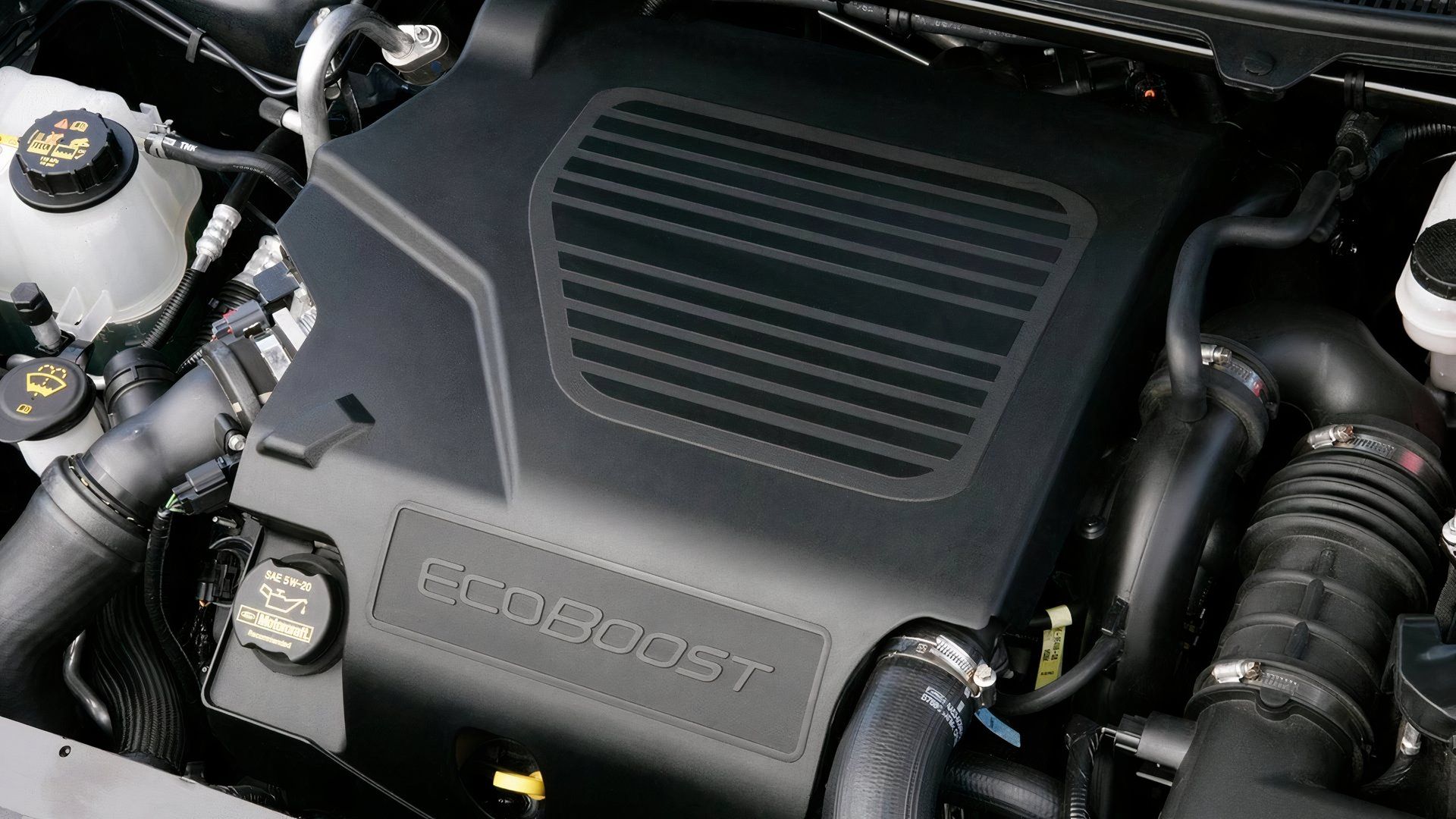
The engine features a die-cast aluminum block with iron cylinder liners for durability. It utilizes a 60-degree V angle and a dual overhead cam (DOHC) design with four valves per cylinder. The "EcoBoost" branding refers to the combination of two specific technologies: gasoline direct injection (GDI) and twin turbochargers.
In the 2015 configuration, Ford utilized two BorgWarner K03 turbochargers. These are relatively small, low-inertia turbos designed to spool up quickly. This quick spooling is the primary reason the engine reaches its peak torque of 420 lb-ft at just 2,500 rpm. For drivers, this means the truck feels exceptionally powerful when pulling away from a stop or merging onto a highway, as the engine does not need to "scream" at high RPMs to find its strength.
Comparing the 3.5L EcoBoost to the 5.0L Coyote V8
One of the most common questions for F-150 buyers is how the 3.5L EcoBoost compares to the traditional 5.0L Coyote V8. While both were top-tier options in 2015, they offer very different power delivery characteristics.
The 5.0L V8 in 2015 produced 385 horsepower and 387 lb-ft of torque. On paper, the V8 has 20 more horsepower than the EcoBoost, but it has 33 less lb-ft of torque. Furthermore, the V8 reaches its peak torque at 3,850 rpm, nearly 1,400 rpm later than the EcoBoost.
| Metric | 3.5L EcoBoost V6 | 5.0L Ti-VCT V8 | 2.7L EcoBoost V6 |
|---|---|---|---|
| Horsepower | 365 hp @ 5,000 rpm | 385 hp @ 5,750 rpm | 325 hp @ 5,750 rpm |
| Torque | 420 lb-ft @ 2,500 rpm | 387 lb-ft @ 3,850 rpm | 375 lb-ft @ 3,000 rpm |
| Aspiration | Twin-Turbocharged | Naturally Aspirated | Twin-Turbocharged |
| Fuel Delivery | Direct Injection | Port Injection | Direct Injection |
| Max Towing (2015) | 12,200 lbs | 11,100 lbs | 8,500 lbs |
For daily driving and heavy towing, the 3.5L EcoBoost is generally considered the more capable engine because of its "flat" torque curve. It maintains high levels of torque throughout the mid-range, whereas the V8 requires more gear hunting from the six-speed automatic transmission to stay in its power band.
The Impact of the 2015 Aluminum Body on Performance
Horsepower and torque numbers do not exist in a vacuum; they must move the mass of the vehicle. The 2015 F-150 was revolutionary because Ford replaced the traditional steel body panels with high-strength, military-grade aluminum alloy. This change reduced the truck's overall weight by approximately 700 pounds compared to the 2014 model.
This weight reduction fundamentally changed the "effective" horsepower of the 3.5L EcoBoost. With 700 fewer pounds to move, the 365-horsepower engine could propel the truck from 0 to 60 mph in roughly 5.6 to 5.8 seconds, depending on the cab configuration and axle ratio. This made the 2015 F-150 one of the quickest full-size trucks on the market at the time.
Additionally, the lighter body allowed Ford to increase the payload capacity. Because the chassis and engine had less "dead weight" to carry, more of the engine's power could be dedicated to carrying cargo in the bed or pulling a trailer. This is why the 2015 3.5L EcoBoost achieved a best-in-class maximum tow rating of 12,200 pounds when properly equipped.
Real-World Towing and Payload Capabilities
When discussing horsepower in a truck context, the primary concern is usually towing. The 3.5L EcoBoost was the "workhorse" engine of the 2015 lineup. Its 420 lb-ft of torque is particularly beneficial when navigating steep grades.
In naturally aspirated engines (like the 5.0L V8), power decreases as altitude increases because the air becomes thinner. However, turbocharged engines like the EcoBoost can compensate for thinner air by increasing turbo boost pressure. This makes the 3.5L EcoBoost the preferred choice for owners living in mountainous regions or those who frequently tow over mountain passes.
However, it is important to note that while the engine has the power to pull 12,200 pounds, the actual towing capacity of a specific 2015 F-150 depends on several factors:
- Rear Axle Ratio: Trucks with the 3.55 or 3.73 electronic-locking rear axles offer higher tow ratings than those with the 3.15 or 3.31 ratios.
- Towing Packages: The "Max Trailer Tow Package" was required to reach the upper limits of the truck's capability, as it included an upgraded rear bumper, a trailer brake controller, and enhanced cooling systems.
- Payload Restrictions: High-trim models like the King Ranch or Platinum are heavier due to luxury features, which reduces the available payload and, by extension, the tongue weight capacity for towing.
Fuel Economy and Octane Sensitivity
The "Eco" in EcoBoost suggests efficiency, but in a 2015 F-150, fuel economy is highly dependent on how the horsepower is used. The EPA ratings for a 2015 F-150 2WD with the 3.5L engine were 17 mpg city and 24 mpg highway.
One technical detail often overlooked is octane sensitivity. While Ford states the engine can run on 87-octane regular gasoline, the advertised 365 horsepower and 420 lb-ft of torque were achieved using 93-octane premium fuel. When running on lower octane, the engine's knock sensors detect the potential for pre-detonation and the ECU (Engine Control Unit) retards the ignition timing. This results in a slight but measurable reduction in both horsepower and fuel efficiency, especially under heavy load or in hot weather.
Owners who frequently tow or live in hot climates generally find that using 91 or 93-octane fuel allows the engine to reach its full performance potential and can even lead to slightly better fuel economy by allowing the engine to operate at peak efficiency.
Maintenance and Longevity Considerations in 2026
As of 2026, many 2015 F-150s have surpassed the 150,000-mile mark. To maintain the original horsepower and ensure the longevity of the twin-turbo system, specific maintenance patterns are required.
Common Mechanical Issues
The first-generation 3.5L EcoBoost (which includes the 2015 model) is generally reliable, but it has known areas of concern:
- Timing Chain Stretch: Over time, the long timing chains can stretch, leading to a "cold start rattle." If not addressed, this can affect valve timing and reduce engine power. Regular oil changes with high-quality synthetic oil are the best defense against this.
- Turbocharger Health: While the turbos themselves are robust, the oil feed lines can become clogged with carbon deposits if oil changes are neglected. Replacing turbos is a significant expense that can cost several thousand dollars.
- Spark Plug Gap: Turbocharged engines are sensitive to spark plug conditions. The 3.5L EcoBoost is known to "blow out" the spark at high boost if the plug gap is too wide. Mechanics often recommend changing plugs every 30,000 to 50,000 miles and ensuring they are gapped strictly to 0.030 inches.
Maximizing Engine Life
To ensure the 2015 3.5L EcoBoost continues to deliver its rated horsepower into its second decade of service, owners should prioritize cooling system maintenance. Heat is the primary enemy of turbochargers. Ensuring the coolant is fresh and the intercooler is free of debris is essential for maintaining the dense, cool air charge required for maximum power.
Frequently Asked Questions
Does the 2015 3.5L EcoBoost require premium fuel?
No, it is designed to run on 87-octane regular unleaded. However, to achieve the full 365 horsepower and 420 lb-ft of torque, Ford recommends premium fuel. Using regular fuel will result in a minor decrease in performance that is mostly noticeable when towing heavy loads.
Is the 3.5L EcoBoost better than the 2.7L EcoBoost?
The 3.5L is the "big brother" to the 2.7L. While the 2.7L EcoBoost is surprisingly quick and efficient for daily driving, the 3.5L is the superior choice for towing. The 3.5L has a higher ceiling for both towing capacity and total torque output.
How long do the turbochargers last on a 2015 F-150?
With proper maintenance, specifically frequent oil changes (every 5,000 miles), the turbochargers can last 150,000 to 200,000 miles. Neglecting oil quality is the leading cause of premature turbo failure.
What was the 0-60 mph time for the 2015 3.5L EcoBoost?
In independent testing by automotive publications, a 2015 F-150 SuperCrew 4x4 with the 3.5L EcoBoost typically recorded 0-60 mph times between 5.6 and 5.9 seconds, making it one of the fastest production trucks of its era.
Can I increase the horsepower of my 2015 3.5L EcoBoost?
Yes, because it is a turbocharged engine, it is very responsive to "tuning." Aftermarket ECU programmers can increase boost levels and adjust timing to easily push the engine past 400 horsepower and 500 lb-ft of torque, though this may impact long-term reliability and fuel requirements.
Practical Recommendations for Owners
If you are currently operating or looking to purchase a 2015 Ford F-150 with the 3.5L EcoBoost in 2026, focus on preventative maintenance rather than just repairs. This engine relies heavily on clean oil and a functional cooling system to protect its twin turbochargers.
For those using the truck for towing, consider upgrading to a high-quality aftermarket air filter and ensuring your transmission fluid is serviced every 60,000 miles, despite Ford's longer "lifetime" intervals. If you notice a loss of power or a stumble under acceleration, the first step should always be checking the spark plug gaps and inspecting the ignition coils. When maintained properly, the 3.5L EcoBoost remains one of the most capable and rewarding engines in the used truck market.
For official recall information or safety standards regarding the 2015 F-150, you can consult the NHTSA website or visit the Ford Media Center for historical specifications.
Image Gallery