Big Bird in Brazil and the Garibaldo Connection: An International Muppet History
The phenomenon of "Big Bird in Brazil" refers to a specific international licensing and creative collaboration between the Children’s Television Workshop (now Sesame Workshop) and Brazilian media entities, which necessitated the creati...
The phenomenon of "Big Bird in Brazil" refers to a specific international licensing and creative collaboration between the Children’s Television Workshop (now Sesame Workshop) and Brazilian media entities, which necessitated the creation of an analogous character, Garibaldo, rather than exporting the American Big Bird directly to the Brazilian audience.
Contents
The Genesis of International Sesame Street
When the Sesame Street model began its global expansion in the early 1970s, the producers recognized that merely dubbing American episodes would be insufficient. The program’s success relied on a synthesis of educational pedagogy and local cultural identity. In Brazil, this led to the development of Vila Sésamo, which premiered in 1972 on TV Globo.
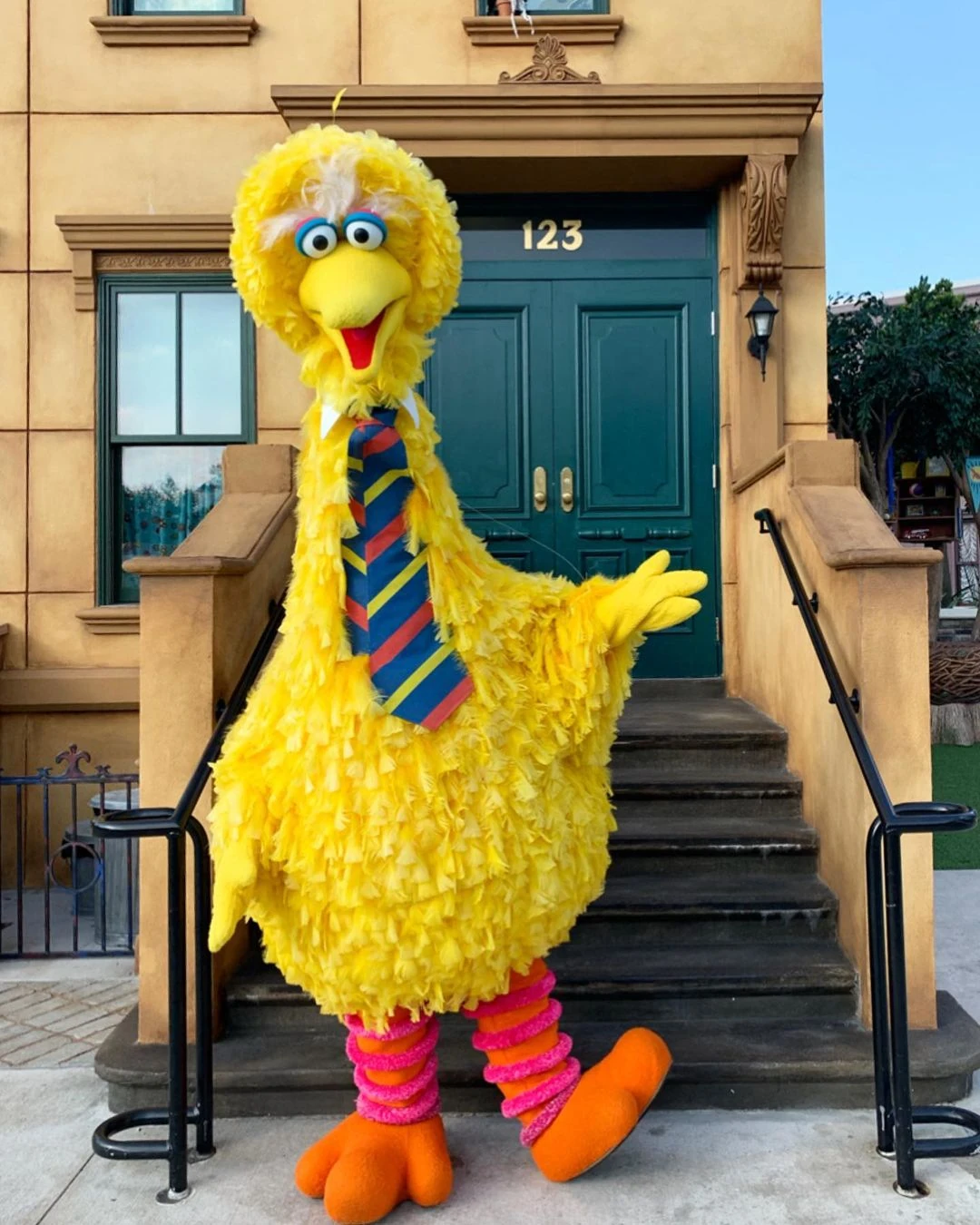
The primary challenge for the Brazilian production team was the character of Big Bird. Standing over eight feet tall, Big Bird was designed to represent the perspective of a six-year-old child. However, the costume was physically cumbersome and specifically engineered for the American stage. More importantly, the character’s personality, while beloved in the United States, needed to be adapted to fit the cultural nuances of a South American audience. The decision was made to create a native Brazilian counterpart: Garibaldo.
Garibaldo: The Brazilian Counterpart
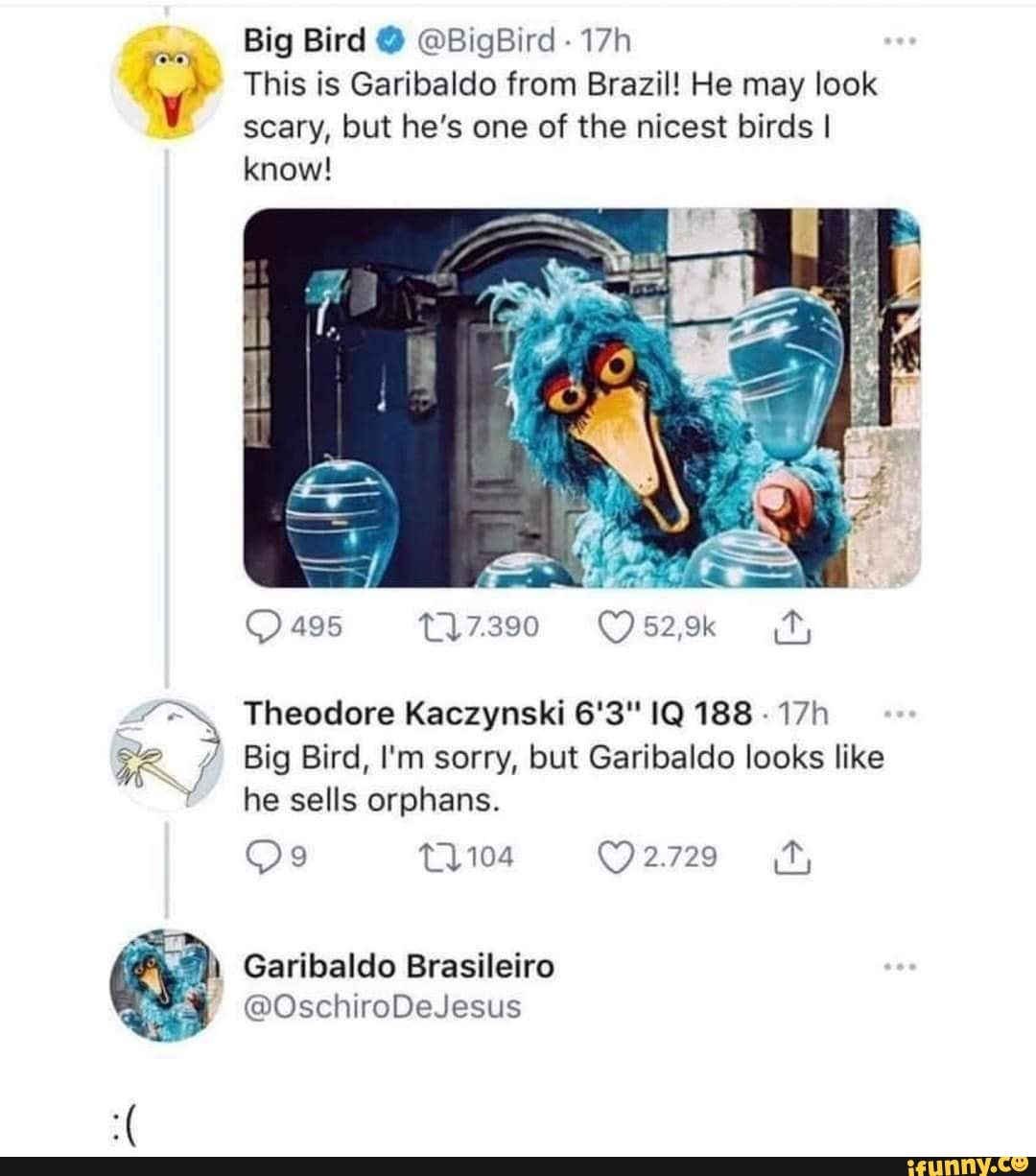
Garibaldo was never intended to be a replica of Big Bird. While he occupies a similar narrative space—a large, curious, and gentle bird-like creature—Garibaldo was redesigned to reflect the environment of Brazil. His appearance, while clearly avian, featured distinct differences in plumage and build.
The character was brought to life by performer Laerte Morrone, who gave Garibaldo a voice and temperament that resonated with Brazilian children. Unlike Big Bird, who was constantly learning about the world through the lens of a middle-class American suburb, Garibaldo acted as a guide to the specific socio-cultural experiences of Brazil. The "connection" between the two is therefore not one of direct heritage or replacement, but rather one of localized adaptation. They are functional equivalents within a global framework, demonstrating the pedagogical principle that educational characters must be relatable to the child’s domestic reality.
Comparative Analysis of Character Functionality
To understand why a unique character like Garibaldo was deemed necessary rather than importing the American Big Bird, it is essential to look at the structural differences in international production during the 1970s.
| Feature | Big Bird (USA) | Garibaldo (Brazil) |
|---|---|---|
| Origin | Caroll Spinney (Performer/Designer) | Brazilian Puppet Workshop |
| Cultural Context | American urban neighborhood | Brazilian social environment |
| Physical Build | Bright yellow, oversized feathers | Distinctive, local aesthetic design |
| Educational Role | Curiosity-driven learner | Guide for social/environmental discovery |
| Language | English (North American dialect) | Portuguese (Brazilian dialect) |
The table above illustrates that while the educational goal remains the same—teaching literacy, numeracy, and social-emotional skills—the execution requires a shift in the character's physical and linguistic presentation to ensure the intended learning outcomes are reached.
Technical Challenges of Global Muppetization
Beyond the creative decisions, the logistical challenges of transporting a character like Big Bird were significant. The costume technology used in the 1970s was proprietary and highly complex. Transporting the costume to Brazil would have required specialized maintenance and American puppeteers, which would have undermined the goal of creating a self-sustaining local production.
Furthermore, the "Big Bird in Brazil" narrative—often conflated with the idea that Big Bird visited Brazil—is a misunderstanding of how the franchise operated. While segments were occasionally shared, the Brazilian production was an independent entity. The "Garibaldo connection" is thus the link between the American format and the Brazilian interpretation, representing the bridge between global educational standards and local content production.
Why Adaptation Overwrites Importation
The success of Vila Sésamo is often attributed to this very refusal to force-feed American characters to an international audience. By creating Garibaldo, the production team allowed for:
- Linguistic Fluency: Ensuring that jokes, songs, and lessons were culturally and linguistically appropriate, which is impossible with a dubbed American character.
- Environmental Context: Garibaldo could engage with Brazilian landscapes, music, and social issues, making the educational content more relevant to the target demographic.
- Local Ownership: By using local talent and designers to create a distinct bird character, the show gained greater legitimacy and acceptance from the Brazilian public.
Addressing Common Misconceptions
A common query involves whether Big Bird ever "appeared" in the Brazilian version. While cross-promotional segments between international franchises have occurred in the modern era of Sesame Street, the original Vila Sésamo was designed as a parallel production. There was no "hand-off" between Big Bird and Garibaldo. Instead, Garibaldo served as the primary, standalone figure for the Brazilian market, fulfilling the same intellectual and emotional requirements as Big Bird without requiring the direct presence of the American costume.
Frequently Asked Questions
Was Garibaldo just a renamed version of Big Bird? No. Garibaldo was a unique character designed and built specifically for Vila Sésamo. While he serves a similar role, his physical design and personality were tailored to the Brazilian audience.
Did Big Bird ever travel to Brazil for the show? No. The television segments produced for Vila Sésamo featured the local cast and characters. There is no historical record of the American Big Bird costume being used on the Brazilian set for episodes of the show.
Why didn’t they just use the American puppet? The puppet was designed for a specific studio environment and a specific performer, Caroll Spinney. Using the same costume would have been logistically impractical and would have prevented the character from adapting to Brazilian cultural cues.
Is Garibaldo still part of the Sesame franchise? Garibaldo remains an iconic figure in the history of Brazilian television. While the original run of Vila Sésamo concluded, the character continues to be recognized for his contribution to early childhood education in Brazil.
What is the "connection" between them? The connection is purely conceptual. They represent the same pedagogical "archetype" within the Sesame Street educational framework: the naive, friendly, and curious child-surrogate who guides the audience through the learning process.
Strategic Implications for International Media
For media producers, the "Garibaldo connection" serves as a case study in effective internationalization. It underscores that intellectual property, when applied to education, must be flexible. By prioritizing local representation over brand uniformity, the Children’s Television Workshop successfully established a global footprint that adapted to the user’s culture rather than imposing a monolithic, North American perspective. In 2026, as digital content becomes increasingly globalized, these foundational principles of cultural relevance remain a cornerstone of effective media development.
To further investigate the evolution of educational media, one should look into the archives of the Sesame Workshop regarding the development of international co-productions, which detail the specific guidelines for maintaining pedagogical integrity while allowing for local character development.
Image Gallery