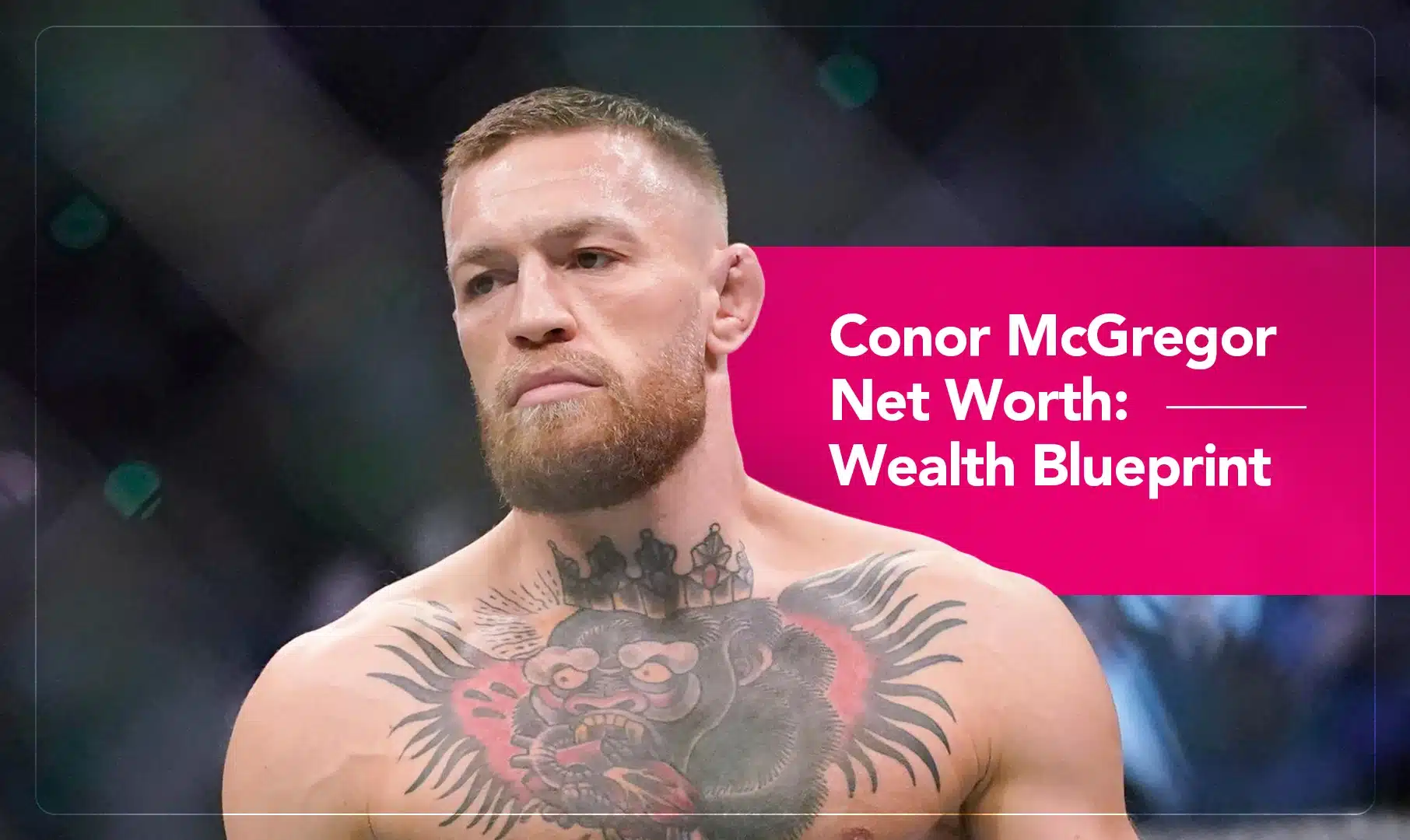
Conor McGregor Net Worth Compared with Jean-Claude Van Damme: Financial Breakdown and Wealth Analysis
As of 2026, former UFC two-division champion Conor McGregor holds an estimated net worth of approximately $200 million to $250 million, whereas martial arts icon and action film legend Jean-Claude Van Damme maintains an estimated net w...
As of 2026, former UFC two-division champion Conor McGregor holds an estimated net worth of approximately $200 million to $250 million, whereas martial arts icon and action film legend Jean-Claude Van Damme maintains an estimated net worth of around $40 million to $50 million. McGregor’s financial lead stems primarily from high-stakes pay-per-view buys and the multi-hundred-million-dollar sale of his Proper No. Twelve whiskey brand, contrasting with Van Damme’s earnings derived from 1980s and 1990s Hollywood blockbusters, direct-to-video releases, and international endorsements.
Contents
Overview: Martial Arts Wealth Across Eras
The financial disparity between Conor McGregor and Jean-Claude Van Damme (JCVD) illustrates how the business of combat sports and global action cinema has evolved across decades. While both icons built their personal brands on martial arts prowess, their financial trajectories rely on fundamentally different economic models.
Jean-Claude Van Damme achieved peak box-office dominance during the traditional Hollywood studio model of the late 1980s and 1990s. His revenue primarily came from upfront acting fees, backend profit participation on select feature films, commercial licensing, and subsequent direct-to-video distribution.
In contrast, Conor McGregor capitalized on modern sports entertainment economics. By combining record-breaking Mixed Martial Arts (MMA) Pay-Per-View (PPV) revenues, a historic cross-sport boxing match against Floyd Mayweather Jr., and massive business equity liquidations—most notably the sale of his controlling stake in Proper No. Twelve Irish Whiskey—McGregor achieved a level of liquidity rarely seen in combat sports.
Conor McGregor: Financial Profile and Primary Income Streams
Conor McGregor transformed fighting from a athletic endeavor into a global business enterprise. Known as "The Notorious," his wealth is characterized by a transition from prize fighting purses to enterprise equity.
Conor McGregor Wealth Structure:
- Combat Purses
- UFC PPV Cuts
- Mayweather Box
- Equity Sales
- Proper No. Twelve ($130M+ Payout)
- Ventures & Brands
- BKFC Ownership
- TIDL Sport
- August McGregor
1. Prize Fighting and Pay-Per-View Revenue
McGregor remains the highest-selling PPV draw in MMA history. His compensation structure extended far beyond guaranteed show purses, featuring escalating slices of pay-per-view profits:
- UFC Pay-Per-View Dominance: Headlining top-grossing events such as UFC 229 (vs. Khabib Nurmagomedov), UFC 202 (vs. Nate Diaz), and UFC 205 (vs. Eddie Alvarez), McGregor generated millions of buys per event, translating to earnings between $25 million and $50 million per fight during his competitive peak.
- Mayweather vs. McGregor (2017): His crossover boxing bout against Floyd Mayweather Jr. generated over 4.3 million PPV buys in North America alone. McGregor earned a reported base purse combined with PPV revenue splits, corporate sponsorships, and closed-circuit revenue that totaled over $100 million for a single night.
2. Entrepreneurship and Corporate Liquidation
The definitive multiplier for McGregor’s net worth was equity ownership rather than fight purses.
- Proper No. Twelve Irish Whiskey: Co-founded by McGregor in 2018 alongside Audie Attar and Ken Austin, the brand grew rapidly across North America and Europe. In 2021, Proximo Spirits acquired the majority stake in the brand in a deal valued at up to $600 million. McGregor and his business partners reportedly netted over $150 million from the transaction, pushing him to the top of the Forbes Highest-Paid Athletes list in 2021.
- Bare Knuckle Fighting Championship (BKFC): In 2024, McGregor’s firm, McGregor Sports & Entertainment, acquired a significant equity ownership stake in BKFC, broadening his footprint in combat sports promotion.
- Additional Ventures: His portfolio includes TIDL Sport (topical recovery products), the August McGregor menswear brand, his pub business (The Black Forge Inn in Dublin), and long-standing endorsement deals with Monster Energy, Reebok, and DraftKings.
Jean-Claude Van Damme: Financial Profile and Primary Income Streams
Belgian-born martial artist Jean-Claude Van Damme defined 1990s action cinema through films like Bloodsport, Kickboxer, Timecop, and Universal Soldier. His career earnings reflect the peak compensation era for martial arts film stars prior to the digital streaming boom.
Jean-Claude Van Damme Wealth Structure:
- Box Office Salaries
- Timecop / Street Fighter ($5M-8M)
- Catalog Residuals
- International TV & Syndication
- Endorsement Deals
- Volvo Trucks Split
- Coors Light / Spirits
1. Peak Hollywood Box Office Salaries
During the late 1980s, Van Damme transitioned from low-budget martial arts flicks to major studio releases. By the mid-1990s, he was commanding multi-million-dollar upfront salaries per picture:
- Early Successes: Breaks came through budget-conscious martial arts classics like Bloodsport (1988) and Kickboxer (1989), which yielded modest upfront fees but established his global brand value.
- Peak Paydays: At his commercial peak with films like Timecop (1994) and Street Fighter (1994), Van Damme secured base paychecks in the range of $5 million to $8 million per film.
- Studio Negotiations: Reports indicate Van Damme declined a multi-picture deal offering around $12 million per film in the mid-1990s, seeking parity with top-tier action stars like Sylvester Stallone and Arnold Schwarzenegger—a business decision that altered his studio career trajectory.
2. Direct-to-Video, Direct-to-Streaming, and Endorsements
Following shifts in theatrical film trends, Van Damme established a lucrative business model in global home entertainment and commercial endorsements:
- International Distribution & Video Sales: Van Damme remained a powerful draw in international markets, generating consistent upfront fees and royalty splits across decades of home video, DVD, and international television syndication.
- High-Profile Endorsements: In 2013, Van Damme starred in Volvo Trucks' "Epic Split" commercial. The viral campaign refreshed his global pop-culture presence and led to lucrative international branding contracts with companies like Coors Light.
- Recent Enterprises: Van Damme has continued voice work (such as the Kung Fu Panda franchise), indie action projects, and co-founded personal ventures, including entering the luxury Irish whiskey space with his own brand investments.
Financial Comparison: McGregor vs. Van Damme
The financial metrics of both icons highlight the differences between entertainment models of different eras:
| Financial Metric | Conor McGregor | Jean-Claude Van Damme |
|---|---|---|
| Estimated Net Worth (2026) | ~$200 Million – $250 Million | ~$40 Million – $50 Million |
| Primary Wealth Driver | Business Equity Liquidation & PPV Revenue | Theatrical Action Film Salaries & Residuals |
| Peak Single Event/Film Pay | ~$100 Million (Boxing vs. Floyd Mayweather Jr.) | ~$8 Million (Street Fighter / Timecop) |
| Key Asset Sale / Liquidation | Proper No. Twelve sale (~$600M brand deal) | International Film Rights & Syndication Deals |
| Business Model | Athlete-Entrepreneur / Equity Partner | Actor-Performative / Cash-for-Service & Royalties |
| Peak Earning Era | 2016 – Present | 1990 – 2000 |
| Key Brand Partnerships | Monster Energy, DraftKings, TIDL Sport | Volvo, Coors Light, Old Spice |
Key Drivers Behind the Wealth Gap
Understanding why McGregor’s net worth exceeds Van Damme’s by a wide margin requires examining three structural economic factors: pay-per-view profit sharing, equity ownership vs. salary contracts, and modern globalized branding.
1. Equity Ownership vs. Work-for-Hire Contracts
In Hollywood's traditional studio system, actors were usually paid as contracted talent. While top actors occasionally negotiated backend points on gross box-office receipts, studios retained ownership of intellectual property, film catalogs, and merchandising rights. Van Damme received substantial fees, but he rarely owned the underlying film rights.
McGregor leveraged his athlete celebrity to create real estate, consumer goods, and sports entities where he held substantial equity. When Proper No. Twelve grew market share, McGregor profited not just as an endorser, but as a principal shareholder during a major corporate acquisition.
2. Pay-Per-View Profit Sharing Models
Combat sports prize fights operate on direct-to-consumer monetization. A top-tier UFC event charges consumers directly per view. Top draws like McGregor capture a percentage of every individual transaction above a threshold. This model links personal performance directly to top-line consumer revenue, yielding high single-day payouts that exceed typical studio film salaries.
Direct-to-Consumer Fighting Model:
- Fighter Draw
- Direct PPV Transaction
- Percentage Split
- High Liquidity Payout
Traditional Studio Actor Model:
- Actor Brand
- Studio Salary / Contract
- Fixed Fee + Small Residuals
- Gradual Asset Accumulation
3. Inflation and Global Market Scale
A dollar earned in 1994 carries different purchasing power than a dollar earned in 2026. Adjusting for inflation narrows the raw earnings gap, but modern digital platforms and global supply chains allow modern brands to scale faster. McGregor launched Proper No. Twelve globally using social media algorithms that were unavailable during Van Damme's career peak in the 1990s.
Strategic Lessons in Wealth Building for Public Figures
Comparing the careers of McGregor and Van Damme offers clear insights into wealth preservation and accumulation for elite athletes and performers:
- Own the Asset, Don't Just Endorse It: Transitioning from paid brand ambassador to equity owner remains the single fastest catalyst for generational wealth creation.
- Diversify Income Early: Relying solely on physical performance—whether executing martial arts stunts or fighting inside an octagon—carries high risk due to injury and aging. Broadening into spirits, media, apparel, and recovery brands provides income stability beyond a sports career.
- Capitalize on Peak Leverage: McGregor maximized his market leverage at the height of his UFC career to launch non-fighting enterprises. Maintaining ownership stakes during periods of peak public visibility maximizes enterprise valuation.
Frequently Asked Questions
What is Conor McGregor's net worth in 2026?
Conor McGregor's net worth in 2026 is estimated between $200 million and $250 million, supported by earnings from combat sports, corporate sponsorships, and equity sales, including Proper No. Twelve Irish Whiskey.
What is Jean-Claude Van Damme's net worth in 2026?
Jean-Claude Van Damme's net worth in 2026 is estimated between $40 million and $50 million, derived from decades of box-office film salaries, direct-to-video distribution rights, global commercials, and personal business ventures.
Did Jean-Claude Van Damme ever fight in professional MMA?
No. Jean-Claude Van Damme competed in semi-contact and full-contact kickboxing and karate matches in Belgium during his early career before moving to Hollywood. He never competed in professional mixed martial arts or the UFC.
How much did Conor McGregor make from the Proper No. Twelve sale?
When Proximo Spirits purchased the controlling stake in Proper No. Twelve in 2021 for up to $600 million, Conor McGregor and his business partners shared a payout estimated at over $150 million, making up the largest share of his total career earnings to date.
What was Jean-Claude Van Damme's highest-paid movie salary?
At the peak of his career in the mid-1990s, Jean-Claude Van Damme earned between $5 million and $8 million per film for major studio titles such as Timecop and Street Fighter.
Key Takeaways
While Jean-Claude Van Damme pioneered the global action martial arts market, earning tens of millions through film salaries, Conor McGregor built a larger fortune by transitioning from athlete to equity holder. McGregor's financial model shows how modern public figures can use combat sports popularity to build scalable, multi-hundred-million-dollar global enterprises.
Image Gallery