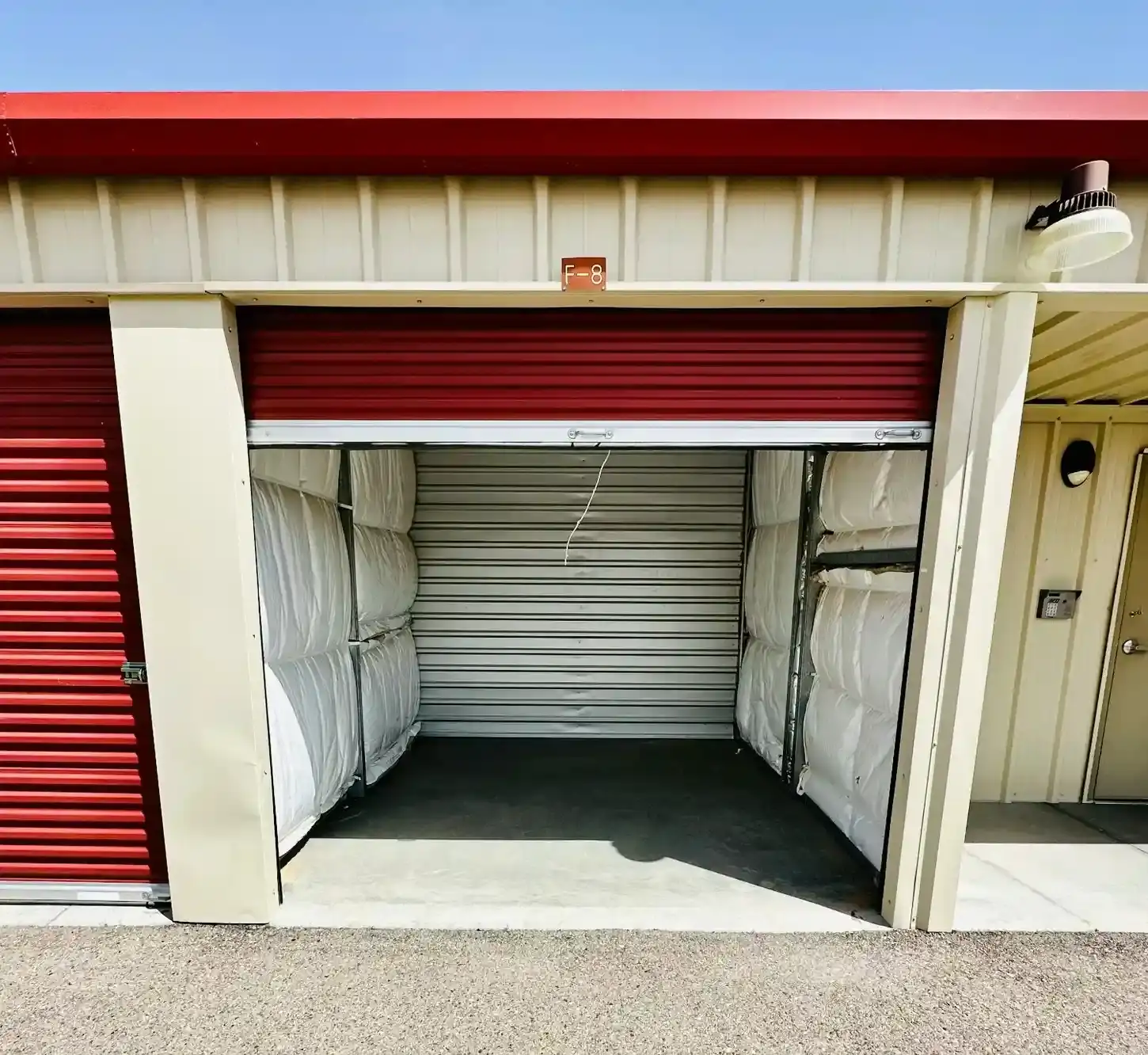
Why a Philly Storage Unit Can Cost More Than You Think
Navigating the self-storage market in Philadelphia often leads to "sticker shock" when the final monthly bill arrives. While advertised base rates appear affordable, a combination of mandatory insurance, administrative fees, variable t...
Navigating the self-storage market in Philadelphia often leads to "sticker shock" when the final monthly bill arrives. While advertised base rates appear affordable, a combination of mandatory insurance, administrative fees, variable tax rates, and dynamic pricing models can inflate the advertised price by 20% to 50% or more, transforming a seemingly budget-friendly unit into a significant recurring monthly expense.
Contents
The Anatomy of Advertised vs. Real-World Pricing
Most self-storage companies in Philadelphia utilize dynamic pricing algorithms, similar to airlines or hotels. An advertised rate you see on a website today is based on current occupancy levels, unit availability, and seasonal demand. When you search for a unit in Center City or near the Philadelphia Navy Yard, the rates displayed are often "introductory" offers.
These teaser rates frequently expire after the first one to three months. Once the promotional period concludes, your rent can automatically jump to the facility's standard market rate. Furthermore, many facilities operate on a month-to-month lease structure that allows them to increase rents with minimal notice, provided they comply with Pennsylvania's specific legal requirements regarding rent increases for self-storage units.
Mandatory Costs Beyond the Monthly Rent
When calculating the true cost of a storage unit in 2026, you must account for several line items that rarely appear in initial advertisements but are mandatory for signing a lease.
1. Tenant Insurance Requirements
Almost every reputable storage facility in Philadelphia requires you to carry insurance for your stored property. While some facilities allow you to use your own homeowner’s or renter’s insurance, they often require proof of coverage. If you cannot provide a declarations page that specifically lists the storage facility as an "interested party," you will be forced to enroll in the facility’s internal protection plan. These plans add anywhere from $12 to $40 per month to your bill, depending on the coverage limit.
2. Administrative and Set-Up Fees
It is standard practice for Philadelphia facilities to charge a non-refundable administrative fee upon move-in. This fee covers the processing of your lease, the creation of gate access codes, and the initial account setup. Depending on the company, this can range from $20 to over $100. Always check the fine print for "pro-rated move-in" policies, which may require you to pay for the remainder of the current month plus the entire following month upfront.
3. Security and Access Hardware
While some modern, high-tech facilities provide digital keys via smartphone apps, many legacy facilities still require the purchase of a specific, high-security disc lock. These locks are often sold at the front desk at a premium price. You may also encounter charges for gate access cards or fobs if the facility is not strictly app-based.
Philadelphia-Specific Factors Influencing Cost
Philadelphia's unique urban landscape creates additional variables that drive up storage costs compared to suburban locations.
- Zoning and Land Value: In densely populated neighborhoods like Rittenhouse Square, Old City, or Fishtown, land is expensive. Facilities in these areas have higher overhead costs due to property taxes and real estate values, which are passed directly to the consumer.
- Climate Control Demand: Because of Philadelphia’s humid summers and freezing winters, climate-controlled units are the standard. While essential for protecting sensitive items like electronics, wooden furniture, or documents, climate control significantly increases the electricity and maintenance overhead for the facility, resulting in a higher base rent compared to non-climate-controlled storage.
- Access Limitations: Downtown Philadelphia facilities often have restricted loading zones or height-limited parking garages. If you need a facility with a drive-up unit or one that can accommodate a large moving truck, you may have to look further from the city center, adding transportation and fuel costs to your overall moving budget.
Comparative Cost Breakdown
The following table illustrates how a seemingly low base rent can quickly escalate once ancillary costs are factored into your monthly budget.
| Cost Component | Low-End Estimate | High-End Estimate | Notes |
|---|---|---|---|
| Base Monthly Rent | $80 | $350 | Varies by size and location |
| Insurance Premium | $12 | $45 | Often mandatory |
| Admin/Processing Fee | $20 | $100 | One-time initial cost |
| Lock Purchase | $15 | $30 | Usually proprietary |
| Late Fees | $20 | $50 | Assessed after grace period |
Navigating Lease Agreements and Hidden Increases
Before signing a contract in 2026, request a copy of the full lease agreement. Look specifically for the "Rent Increase Policy" clause. In Pennsylvania, storage facilities generally have the right to increase rent as long as they provide written notice—usually 30 days—prior to the increase taking effect.
Another factor is the "lien law." If you fall behind on payments, the Pennsylvania Self-Service Storage Facility Act outlines the process by which a facility can place a lien on your stored goods and eventually auction them off to recover costs. Auction fees and legal processing fees are often added to your account balance, creating a compounding debt situation that can happen much faster than many renters anticipate.
Strategic Tips for Minimizing Costs
To keep your storage costs under control, consider the following strategies before signing:
- Look for Move-In Specials: Many companies offer "first month for $1" or "50% off for three months." While these are great for short-term needs, be sure to clarify what the rate will be once the discount expires.
- Negotiate or Shop Around: If you have a quote from a competitor, some managers may be willing to match it, especially if the facility has a high vacancy rate.
- Check Your Existing Coverage: Before paying for the facility's in-house insurance, contact your current home or renter’s insurance agent. Adding a rider to your existing policy is almost always cheaper than purchasing individual storage insurance.
- Avoid Units on the "Ground Floor": In facilities with elevators, ground-floor units or those near loading docks often command a premium. Selecting a unit on a higher floor that requires elevator access can often save you 10–15% on monthly rent.
Frequently Asked Questions
Are move-in discounts really worth it? Yes, if your storage needs are short-term. However, if you plan to stay for more than six months, verify the "street rate" (the price after the promotion ends). A higher base rent with no "teaser" discount is often cheaper over a full year than a steeply discounted price that jumps significantly in month two or four.
Can I stop paying the facility insurance fee after I move in? Generally, no. Most facilities require ongoing proof of third-party coverage. If you switch to your own insurance policy, you must provide the facility manager with a certificate of insurance (COI) that confirms your policy is active and meets their minimum coverage requirements. Once they verify your policy, they will typically remove the monthly insurance charge.
What happens if I miss a payment? Missing a payment in Philadelphia leads to immediate late fees and, eventually, a formal lien process. Under Pennsylvania law, once your account is sufficiently delinquent, the facility can deny you access to your unit and eventually sell your property at a public auction. Always communicate with the office if you anticipate a payment delay.
Does climate control actually cost more in Philly? Yes. Beyond the higher monthly rent, the facility passes on the energy costs associated with maintaining a stable temperature and humidity level. In Philadelphia, this is critical for preventing mold and moisture damage in older, unventilated buildings.
Final Next Action
Before reserving a unit online, call the facility directly and ask for an "all-in" monthly price. Specifically, ask if the quoted rate includes mandatory insurance and if there are any upcoming rent increases scheduled for that specific unit type. Always visit the facility in person to check for cleanliness and security, as online photos may not accurately reflect the condition of the specific unit you are being offered.
Image Gallery