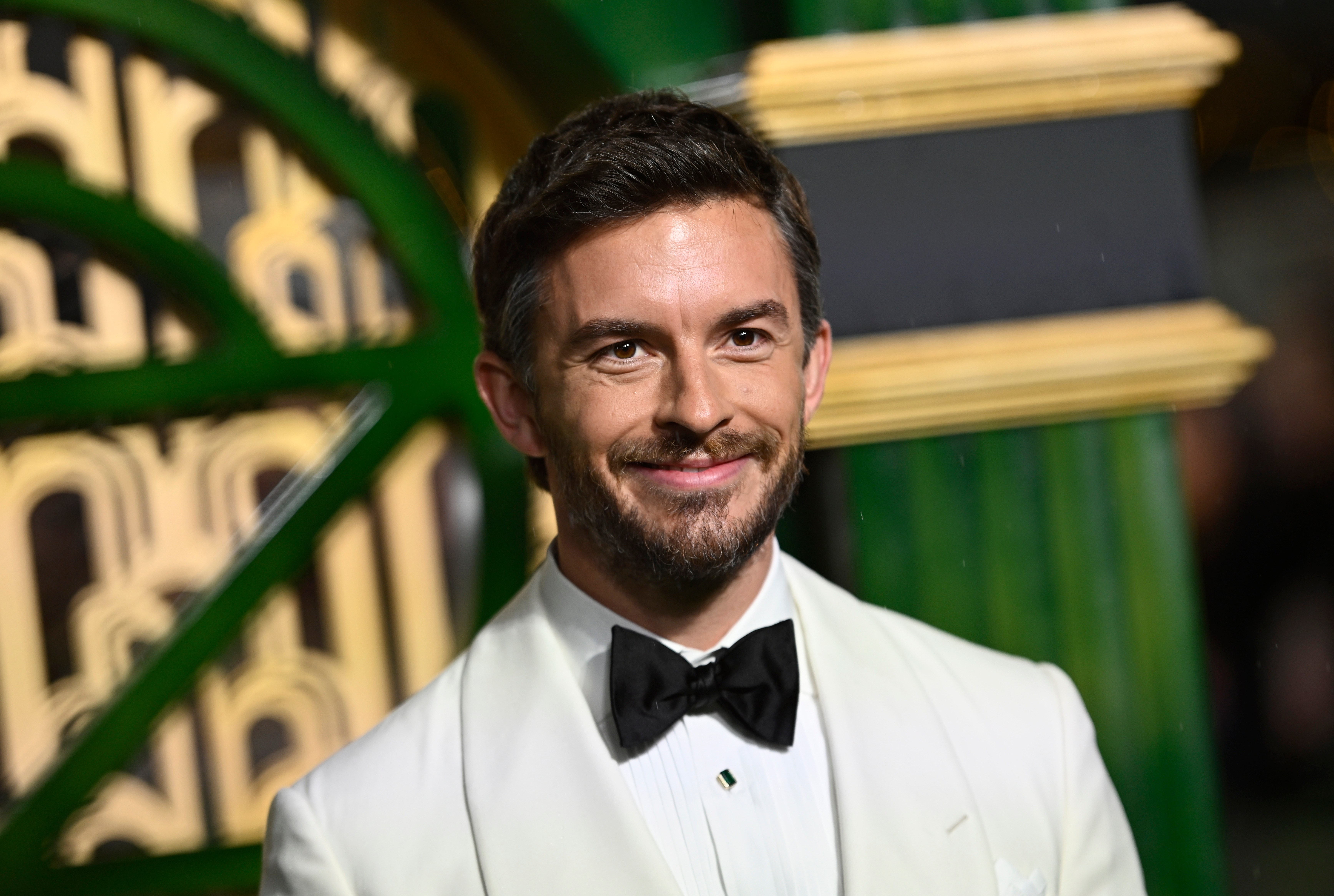
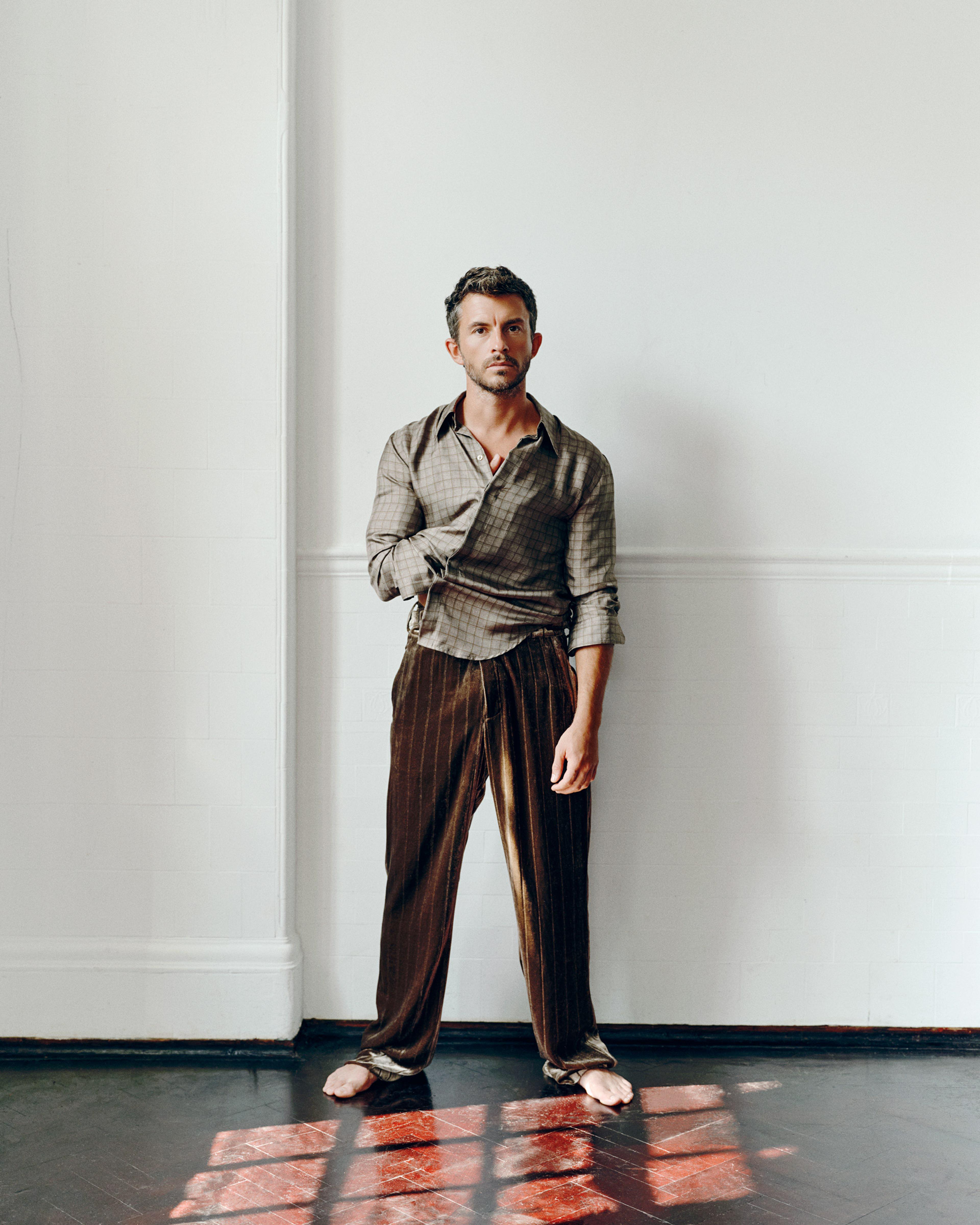
Jonathan Bailey’s Early Career Path: From Stage Roots to Global Stardom
Before earning international acclaim as Lord Anthony Bridgerton in Netflix’s Bridgerton and starring in high-profile adaptations like Wicked, Jonathan Bailey built an extensive, multi-decade acting portfolio across British theater, tel...
Before earning international acclaim as Lord Anthony Bridgerton in Netflix’s Bridgerton and starring in high-profile adaptations like Wicked, Jonathan Bailey built an extensive, multi-decade acting portfolio across British theater, television, and film. Beginning his professional career as a child actor in classical theater, Bailey spent more than twenty years sharpening his craft in stage productions, television dramas, and ensemble comedies long before becoming a household name worldwide.
Contents
The Childhood Stage Foundations (1995–2001)
Jonathan Bailey’s interest in performing developed exceptionally early in his childhood in Oxfordshire, England. Unlike many actors who transition to professional work following formal university or drama school programs, Bailey entered the professional entertainment industry at age seven. His early exposure to classical theatrical training laid a rigorous technical foundation that shaped his vocal control, physical presence, and emotional range.
In 1995, at seven years old, Bailey landed his first major stage role in a Royal Shakespeare Company (RSC) production of A Christmas Carol at the Barbican Theatre in London. Playing the role of Tiny Tim, he experienced the demands of high-level theatrical repertory work from an early age. The following year, in 1996, he joined the West End production of Les Misérables at the Palace Theatre, portraying the street urchin Gavroche.
Working alongside veteran stage performers taught Bailey crucial fundamentals of theater:
- Vocal Projection: Mastering unamplified and acoustic vocal technique in large West End venues.
- Stage Discipline: Adapting to eight-shows-a-week performance schedules as a young child.
- Character Precision: Delivering nuanced emotional beats under strict directorial guidance.
During this period, Bailey also made his first screen appearances. In 1997, he appeared in the Victoria Victorian-era medical drama Bramwell, followed by the television movie Bright Hair (1997) and a televised adaptation of Alice Through the Looking Glass (1998). Rather than attending a traditional drama academy as a young adult, Bailey often cites these formative childhood years on stage and set as his practical conservatory.
Transition to Adolescent and Teen Television (2002–2010)
As Bailey transitioned into his teenage years, he successfully navigated the often-difficult pipeline from child star to versatile young adult actor. Instead of taking extended breaks from the screen, he maintained a steady body of work across British children’s television, family miniseries, and independent theater.
In 2002, Bailey starred as Cyril in the CBBC adaptation of E. Nesbit’s classic fantasy novel Five Children and It. The project demonstrated his ability to carry a lead narrative and engage younger audiences while managing heavy ensemble dynamics. Over the subsequent years, he appeared in episodic television roles, including guest spots on established British series such as The Bill (2005) and Doctors (2007).
Childhood Stage (1995-1996) ➔ Teen TV & Miniseries (2002-2010) ➔ TV Comedy & Drama Breakout (2011-2017) ➔ Olivier-Winning Stage Work (2018-2019) ➔ International Stardom (2020+)
In 2006, at age 18, Bailey returned to the stage in a revival of Jonathan Harvey’s acclaimed play Beautiful Thing at the Sound Theatre in London. Playing the role of Jamie, a young man navigating his sexuality in a South London housing estate, Bailey demonstrated maturity and delicate emotional nuance. The performance earned positive critical attention and signaled his readiness for mature, character-driven dramatic roles.
By 2009, Bailey secured a starring role in the BBC comedy series Off the Hook, playing Danny Gordon, a fresh-faced university student adapting to campus life. This role marked his formal entry into adult television comedy, showcasing his gift for quick-witted dialogue and physical comedy.
Building Range: Comedy, Period Drama, and Genre TV (2011–2017)
The decade leading up to Bailey’s international stardom saw him work constantly across varied genres, earning respect within the UK screen industry as one of its most reliable and versatile actors.
Leading Roles in Young Adult Drama and Comedy
In 2011, Bailey landed the lead role of young Leonardo da Vinci in the CBBC action-adventure series Leonardo. Shot on location in South Africa, the series required extensive physical training, swordplay, and sustained energy across two seasons. Concurrently, he showcased his comedic timing in the Channel 4 satire series Campus (2011), created by the team behind Green Wing.
He continued expanding his television footprint in 2012 with the BBC comedy series Me and Mrs Jones, playing Alfie, the adult son of Sarah Alexander's lead character. That same year, he co-starred in the musical comedy series Groove High (2012–2013), providing both live-action performance and voice work for the series.
Dramatic Recognition: Broadchurch
Bailey achieved widespread recognition among UK television viewers in 2013 when he joined the cast of ITV’s critically acclaimed crime drama Broadchurch. Created by Chris Chibnall, the series became a cultural phenomenon, drawing millions of weekly viewers.
Bailey portrayed Olly Stevens, an ambitious, headstrong local newspaper reporter seeking to break national news stories regarding a local murder investigation. Working alongside stars David Tennant and Olivia Colman, Bailey delivered a performance that balanced youthful ambition with moral compromise, showing how institutional pressure affects a novice journalist.
Modern Cult Classics: W1A and Crashing
Between 2014 and 2017, Bailey took on two iconic comedic roles that demonstrated his mastery of modern satirical humor:
- W1A (2014–2017): In this BBC satire about corporate broadcast management, Bailey played Jack Patterson, an overly eager, identity-lacking PA who constantly attempted to curry favor with senior executives. His performance was praised for its sharp physical comedy and energetic dialogue delivery.
- Crashing (2016): Written by Phoebe Waller-Bridge before Fleabag achieved global fame, Crashing followed six young adults living as property guardians in a disused hospital. Bailey played Sam, a hyper-masculine, emotionally repressed real estate agent whose confident exterior masks deep sexual confusion and vulnerability. Bailey’s performance was widely highlighted by critics as a standout narrative arc of the series.
West End Musical Triumph and Theatrical Mastery (2018–2019)
Despite a thriving screen career, Bailey never abandoned the theater. In fact, his work on the London stage in the late 2010s yielded some of the highest artistic accolades of his career.
In 2013, he appeared in the National Theatre production of Othello, directed by Nicholas Hytner, playing Cassio alongside Adrian Lester and Rory Kinnear. He followed this with a role in the 2013 musical adaptation of American Psycho at the Almeida Theatre. In 2017, he shared the stage with Ian McKellen in King Lear at the Chichester Festival Theatre, playing Edgar.
However, his major theatrical breakthrough arrived in 2018 with Marianne Elliott’s West End revival of Stephen Sondheim’s classic musical Company. In this groundbreaking production, several character genders were swapped, including the role of Amy, which became Jamie—a neurotically anxious gay man panicking on his wedding day.
Bailey’s performance of the complex, rapid-fire patter song "Getting Married Today" became a high point of the production:
- Vocal Precision: Executing complex, rapid lyric patterns while maintaining clear character motivation.
- Comedic Timing: Combining physical hyperventilation with emotional vulnerability under live stage conditions.
- Industry Recognition: For his performance, Bailey won the 2019 Laurence Olivier Award for Best Actor in a Supporting Role in a Musical.
This Olivier win cemented Bailey’s status as a top-tier West End talent, establishing a level of technical prestige that prepared him for major international film and television projects.
Milestone Timeline of Jonathan Bailey’s Early Career
The table below outlines the core milestones, formats, and critical significance of Jonathan Bailey’s career development prior to his worldwide fame in Bridgerton.
| Year Span | Project Title | Format / Network | Role Played | Strategic Significance in Career |
|---|---|---|---|---|
| 1995 | A Christmas Carol | Royal Shakespeare Company | Tiny Tim | Professional acting debut at age 7; early classical exposure. |
| 1996 | Les Misérables | West End (Palace Theatre) | Gavroche | High-level musical theater discipline in London's West End. |
| 2002 | Five Children and It | Television Series (CBBC) | Cyril | First major leading screen role in family television. |
| 2006 | Beautiful Thing | Stage (Sound Theatre) | Jamie | Critical recognition in mature, dramatic West End play. |
| 2011–2012 | Leonardo | TV Series (CBBC) | Leonardo da Vinci | Physical action lead role; demonstrated broad appeal. |
| 2013–2015 | Broadchurch | TV Series (ITV) | Olly Stevens | High-profile UK prime-time drama exposure alongside elite cast. |
| 2014–2017 | W1A | TV Series (BBC) | Jack Patterson | Standard-setting work in modern corporate broadcast satire. |
| 2016 | Crashing | TV Series (Channel 4) | Sam | Breakout comedic performance in Phoebe Waller-Bridge ensemble. |
| 2017 | King Lear | Stage (Chichester Festival) | Edgar | Classical Shakespearean credentials performing with Ian McKellen. |
| 2018–2019 | Company | West End Revival | Jamie | Won the Laurence Olivier Award; demonstrated world-class musical ability. |
How Early Experience Formed His Global Breakout
Analyzing Jonathan Bailey’s career reveals a methodical, craftsman-like progression rather than an overnight discovery. His trajectory offers several clear lessons on how diverse early experience shapes long-term career sustainability in the global entertainment industry:
1. Hybrid Stage and Screen Agility
Because Bailey grew up working simultaneously on stage and in front of cameras, he developed an ability to adjust his performance scale effortlessly. The dramatic presence required for large-scale period romances like Bridgerton relies heavily on theatrical poise, vocal control, and physical posture—skills honed through years of West End repertory work. Conversely, his nuanced camera work in projects like Fellow Travelers reflects decades of subtle screen technique mastered on UK television sets.
2. Willingness to Take Ensemble and Character Roles
Throughout his 20s, Bailey regularly accepted supporting roles in high-quality ensemble projects (Broadchurch, W1A, Crashing) rather than holding out exclusively for star vehicles. This approach allowed him to build a reputation as a collaborative, highly adaptable actor capable of stealing scenes without unbalancing the narrative framework.
3. Musical Theater Rigor as a Gateway to Complex Characterization
Navigating Stephen Sondheim's intricate musical scoring in Company proved that Bailey possessed emotional depth paired with strict technical control. Musical theater at that level requires rhythm, breath management, and exact timing—technical assets that directly translate to high-budget Hollywood productions like the feature film adaptation of Wicked.
Practical Guidance for Studying Early Career Paths in Acting
For dramatic students, media researchers, and industry professionals evaluating career trajectories similar to Jonathan Bailey's, consider these key operational insights:
- Prioritize Foundation over Immediate Stardom: Early engagement with theatrical craft provides physical and vocal stamina that screen-only acting rarely develops on its own.
- Diversify Genre Coverage Early: Working across children's TV, serious crime drama, physical comedy, and musical revivals prevents early typecasting.
- Maintain Stage Roots Alongside Screen Work: Stage performances offer direct actor-audience feedback and continuous skill refining that keeping an actor prepared when major screen opportunities arise.
Frequently Asked Questions
Did Jonathan Bailey attend a traditional drama school?
No, Jonathan Bailey did not attend a formal drama school such as RADA or LAMDA. Instead, he began working professionally as a child actor at age seven in Royal Shakespeare Company and West End productions, effectively receiving his training on stage and on set throughout his youth.
What was Jonathan Bailey’s first major screen role?
His early screen work began in the late 1990s with television projects like Bramwell (1997) and Bright Hair (1997). His first major starring role in a television series came in 2002, playing Cyril in the CBBC adaptation of E. Nesbit’s Five Children and It.
For which stage performance did Jonathan Bailey win an Olivier Award?
Jonathan Bailey won the 2019 Laurence Olivier Award for Best Actor in a Supporting Role in a Musical for his portrayal of Jamie in Marianne Elliott’s 2018 West End gender-swapped revival of Stephen Sondheim’s Company.
What TV shows was Jonathan Bailey in before Bridgerton?
Before starring in Bridgerton, Bailey had prominent roles in popular British television series, including Broadchurch (as Olly Stevens), Crashing (as Sam), W1A (as Jack Patterson), Leonardo (as young Leonardo da Vinci), and Me and Mrs Jones (as Alfie).
How did his early roles help him land major film and TV projects later?
Bailey’s combination of stage precision, vocal skill, comedic timing, and dramatic versatility built over twenty years made him uniquely suited for complex leading roles. Directors in major television and film productions frequently cite his extensive theater background and adaptability across genres as key reasons for his casting.
Key Takeaway for Career Observers
Jonathan Bailey’s journey illustrates that sustainable success in global entertainment is often built on years of quiet, disciplined craft. Rather than relying on sudden social media prominence, his younger career path demonstrates the lasting value of classical theatrical training, genre versatility, and steady ensemble work across television and stage.
Image Gallery