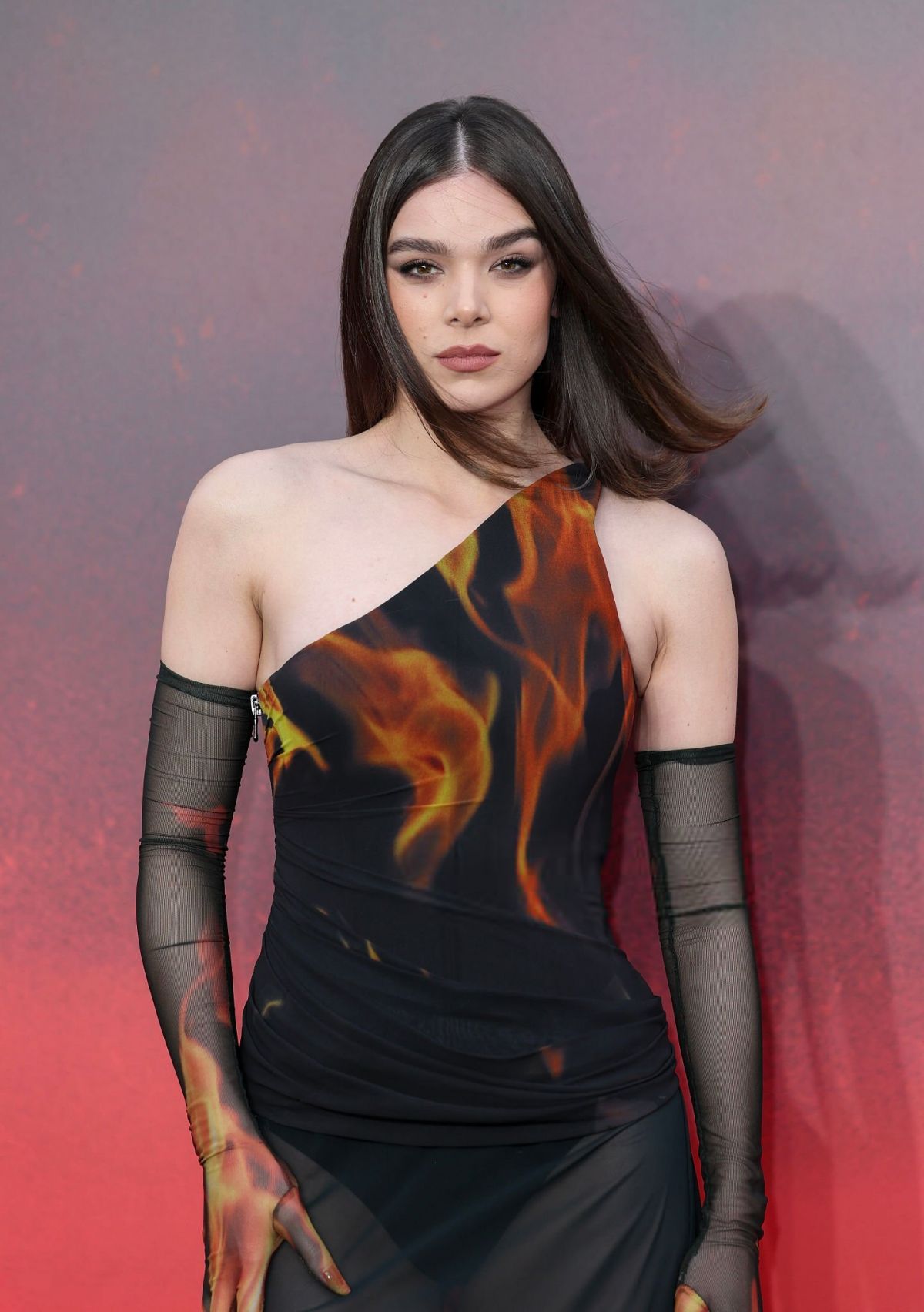
What Hailee Steinfeld Says in the Song "Dangerous" from the 'Sinners' Soundtrack
In the song "Dangerous," featured on the soundtrack for the 2024 film Sinners, Hailee Steinfeld delivers lyrics that explore the allure of high-stakes romantic tension and the emotional volatility of an unstable relationship. The song’...
In the song "Dangerous," featured on the soundtrack for the 2024 film Sinners, Hailee Steinfeld delivers lyrics that explore the allure of high-stakes romantic tension and the emotional volatility of an unstable relationship. The song’s narrative centers on the intoxication of being with someone who thrives on risk, with Steinfeld’s vocal performance emphasizing the duality of attraction and self-preservation.
Contents
Thematic Context of "Dangerous"
"Dangerous" serves as a pivotal musical contribution to the Sinners soundtrack, capturing the atmospheric tension inherent in the film's plot. The lyrics move beyond a simple cautionary tale, instead acting as a confession of complicity. Steinfeld portrays a protagonist who is fully aware of the peril presented by her partner but finds herself unable—or unwilling—to disengage from the cycle.
The song’s subject matter reflects the broader themes found in modern cinematic thrillers: the intersection of passion and catastrophe. In the context of Sinners, the song functions as both a thematic companion to the film’s narrative arc and a standalone exploration of toxic codependency. Steinfeld’s delivery highlights a sense of inevitability, suggesting that the "danger" is not a flaw in the relationship, but the primary mechanism that sustains it.
Lyrical Breakdown and Narrative Intent
To understand what Hailee Steinfeld says in "Dangerous," one must examine the progression of the verses. The song begins by establishing the setting—a world where the stakes are perpetually elevated. She uses sharp, kinetic imagery to describe her partner’s behavior, painting a picture of someone whose very presence creates a gravitational pull that is difficult to escape.
When analyzing the chorus, it becomes evident that the "danger" referenced is twofold. On one level, it is the external threat posed by the partner’s unpredictable lifestyle. On another, more internal level, the danger is the protagonist’s own loss of agency. Steinfeld’s phrasing emphasizes this surrender; she articulates that being "dangerous" is an identity her partner wears, and by extension, a role she accepts for herself to remain within that orbit.
The bridge of the song marks a shift from observation to introspection. Here, Steinfeld shifts the focus from the partner's actions to her internal rationalization. The lyrics suggest a transition from fear to a perverse form of comfort, where the adrenaline of the situation is mistaken for depth of connection. This psychological layering is what differentiates the song from standard pop ballads about doomed love, moving it closer to a character study expressed through music.
Musical and Vocal Delivery
Hailee Steinfeld’s vocal production in "Dangerous" is deliberately understated in the verses, allowing the listener to focus on the lyrical narrative. As the song builds toward the climax, her vocal intensity increases, mirroring the escalation of the romantic conflict described in the words.
The production choices—incorporating heavy bass lines and crisp, staccato percussion—mimic the "danger" mentioned in the lyrics. The juxtaposition between the smooth, melodic quality of her voice and the jagged, unpredictable production structure underscores the core theme: that there is a lethal rhythm to this specific relationship.
Comparison of Lyrical Themes in Cinematic Soundtracks
The role of a soundtrack song is often to provide an emotional shortcut for the audience, summarizing a film's conflict in three to four minutes. "Dangerous" by Hailee Steinfeld succeeds by mirroring the specific tension of Sinners. Below is a comparison of how such songs typically operate within a cinematic framework:
| Feature | Function in Soundtrack | "Dangerous" Application |
|---|---|---|
| Narrative Mirroring | Reflects the lead characters' internal state. | Directly mirrors the protagonist's thrill-seeking dynamic. |
| Pacing | Matches the intensity of the film's climax. | Builds tension through rapid, rhythmic delivery. |
| Tone Setting | Establishes the genre mood. | Defines the dark, suspenseful tone of Sinners. |
| Character Voice | Acts as an internal monologue for the lead. | Functions as the lead's private admission of guilt. |
The Psychological Attraction to Risk
One of the most profound aspects of "Dangerous" is its exploration of why individuals are drawn to volatile partners. Steinfeld’s lyrics avoid moralizing; she does not claim to be a victim, but rather a participant. This distinction is vital for understanding the song's popularity. By framing the relationship as a mutual dance with danger, the song resonates with audiences who understand the seductive nature of high-risk behavior.
Psychologically, the lyrics mirror what is often termed the "excitement-anxiety" cycle. The subject in the song finds that the periods of calm or safety are less interesting than the chaotic moments. By singing about these moments, Steinfeld creates a sonic representation of the addiction to turmoil that often defines high-tension fictional romances.
Common Misconceptions
A common error in interpreting the song is assuming that the "danger" refers only to physical threats. While the film Sinners may contain elements of physical peril, the song lyrics clearly lean toward the emotional and psychological destruction that comes with loving an unstable individual. Listeners who interpret the song strictly through a literal lens may miss the nuances of how the protagonist navigates her own emotional boundaries.
Another frequent misunderstanding is the belief that the song is purely biographical. Despite Steinfeld’s evocative performance, it is essential to remember that "Dangerous" is a piece of art written for a specific narrative. Its value lies in the universality of its themes rather than the personal history of the performer.
Frequently Asked Questions
Does "Dangerous" provide spoilers for the film Sinners? While the song captures the emotional stakes of the movie, it does not explicitly reveal plot outcomes. Instead, it functions as a thematic window into the mindset of the characters, preparing the audience for the film's tense atmosphere.
Is the "danger" in the song meant to be interpreted as a positive or negative trait? The song treats the danger as an inherent, immutable quality of the partner. It is not portrayed as strictly negative or positive, but as a defining force that makes the relationship impossible to leave, regardless of the consequences.
Why is this song considered a standout in the Sinners soundtrack? It is often cited for its precise alignment with the film's aesthetic. By balancing modern pop sensibilities with a dark, brooding lyrical approach, the track provides a bridge between contemporary music trends and the classic elements of the thriller genre.
How does Hailee Steinfeld change her delivery to match the theme of the song? She utilizes a breathy, lower register in the verses to convey vulnerability and intimacy, then switches to a more powerful, assertive vocal style in the chorus to represent the realization and acceptance of the "dangerous" situation.
Should I listen to the song before watching the film? Listening to the song beforehand can certainly enhance your appreciation for the film's tone. It sets a specific mood of anticipation that aligns with the visual cues used by the director of Sinners.
Recommendations for Further Engagement
To fully appreciate the narrative construction of "Dangerous," it is recommended to listen to the track in the context of the full Sinners album. Pay close attention to the track immediately preceding and following it; often, film soundtracks are sequenced to tell a secondary story that enhances the primary film narrative. If you are interested in the songwriting process, look for the official score documentation or behind-the-scenes interviews where the creative team discusses the specific emotional beats they aimed to hit with this contribution.
Image Gallery