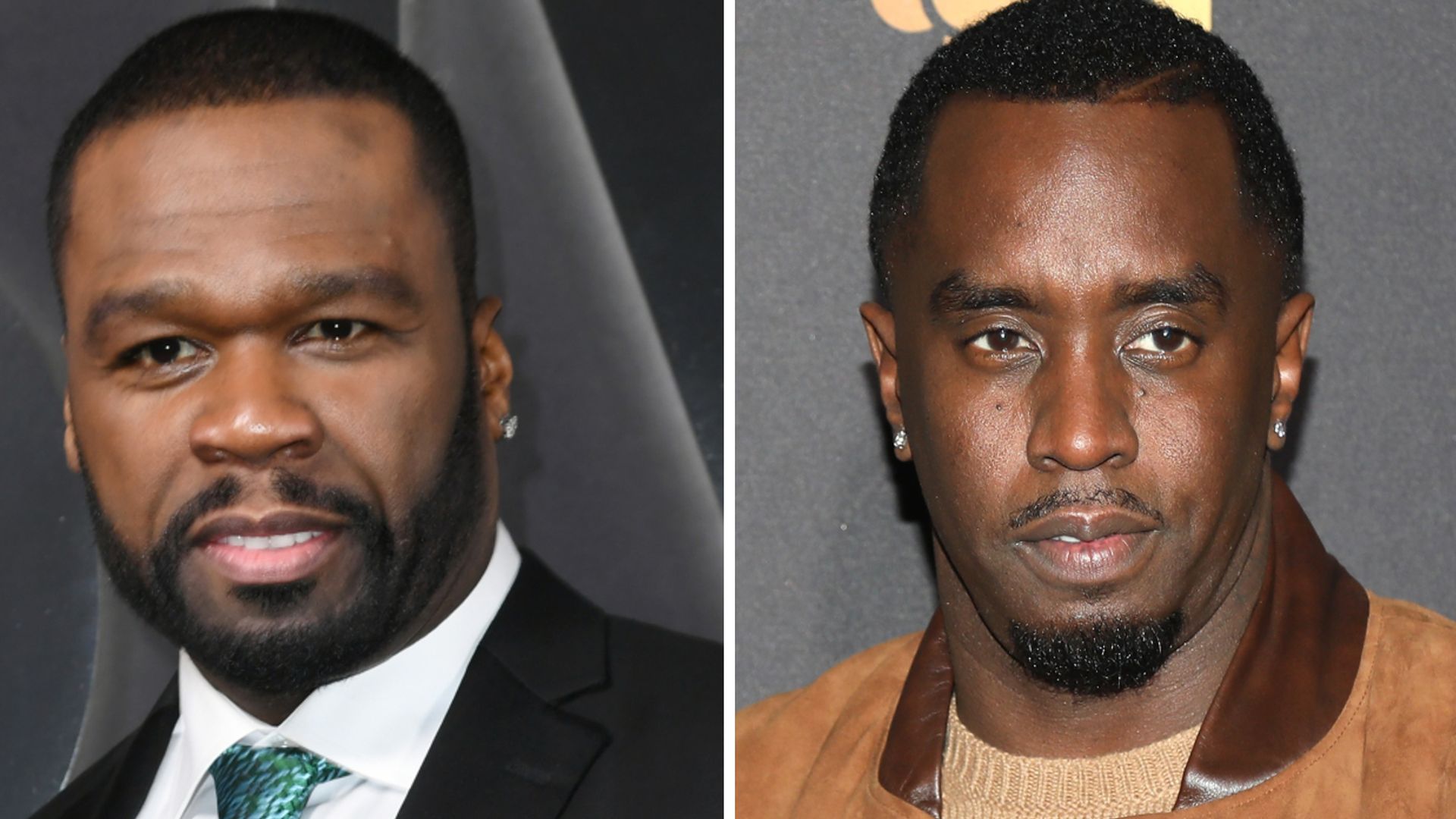
Understanding P Diddy Beef with 50 Cent: A Comprehensive History of Hip-Hop's Most Persistent Rivalry
The friction between Sean "Diddy" Combs and Curtis "50 Cent" Jackson spans decades, evolving from subtle industry tension into a relentless digital and public feud defined by relentless trolling, business competition, and, eventually,...
The friction between Sean "Diddy" Combs and Curtis "50 Cent" Jackson spans decades, evolving from subtle industry tension into a relentless digital and public feud defined by relentless trolling, business competition, and, eventually, profound legal conflict. Unlike brief rap battles that ignite and fade with a single album cycle, this rivalry functions as a protracted cultural war rooted in contrasting mogul philosophies, media strategies, and personal animosities.
Contents
To truly understand why these two heavyweights have remained at odds for over twenty years, one must look past the social media posturing and examine the underlying intersections of power, wealth, and legal fallout within the music and entertainment industries.
The Foundations of the Rivalry: Empire Building and Industry Dominance
The tension between Combs and Jackson did not materialize overnight. It developed as both men built formidable media empires through vastly different methods. Sean Combs rose to prominence in the 1990s as the architect behind Bad Boy Records, cultivating a lifestyle-centric brand of hip-hop characterized by luxury, high fashion, and glossy commercial success. Combs positioned himself as a charismatic executive, global tastemaker, and nightlife impresario who leveraged his personal brand to secure massive corporate partnerships, most notably with Cîroc vodka.
Curtis Jackson entered the mainstream consciousness in the early 2000s under the tutelage of Eminem and Dr. Dre via Shady and Aftermath records. Jackson’s persona was built on raw authenticity, street resilience, and an unyielding competitive edge. His shrewd business acumen manifested quickly, highlighted by his equity stake in Vitaminwater, which yielded a massive payout when Coca-Cola acquired Glacéau in 2007.
These contrasting trajectories placed them in direct competition for cultural dominance, advertising dollars, and executive respect. While Combs operated within the traditional establishment corridors of corporate boardrooms and exclusive industry circles, Jackson consistently disrupted standard protocols by leveraging digital media and direct-to-consumer messaging. This ideological divide set the stage for decades of friction, where every business venture or public misstep by one became an immediate opportunity for critique by the other.
The Evolution of Public Trolling and Social Media Warfare
As social media platforms matured throughout the 2010s, 50 Cent weaponized digital channels to torment rivals, with Diddy frequently serving as a primary target. Jackson recognized early on that internet algorithms reward controversy and relentless engagement. He transformed Instagram and X (formerly Twitter) into perpetual digital billboards mocking Combs's fashion choices, business dealings, and personal life.
Jackson’s digital strategy relied on hyper-satire. He frequently reposted vintage photographs of Combs, added sarcastic commentary questioning his sexuality or business ethics, and mocked promotional campaigns for Bad Boy-affiliated products. For years, this dynamic appeared one-sided: Jackson actively provoked, while Combs largely maintained a posture of dignified silence, occasionally dismissing the antics in interviews or projecting an image unbothered by internet noise.
This digital sparring match was not merely petty internet behavior; it was a calculated positioning war. By continuously chipping away at Combs’s polished public veneer, Jackson sought to undermine the untouchable, ultra-luxurious mystique that Combs had spent decades cultivating.
| Era / Year | Core Dynamic | Primary Focus | Major Catalyst |
|---|---|---|---|
| Late 2000s – Early 2010s | Subliminal Tensions & Business Rivalries | Liquor brands, fashion, industry positioning | Competition over lifestyle beverage endorsements and market share |
| Mid 2010s – 2023 | Aggressive Digital Trolling | Social media mocking, memes, personal life | 50 Cent utilizing Instagram to critique Combs's character and business dealings |
| Late 2023 – Present | Legal Scrutiny & Direct Confrontation | Federal investigations, civil lawsuits, documentary production | Serious criminal allegations and subsequent legal actions against Combs |
Business Competitions and Divergent Mogul Philosophies
Beneath the memes and public remarks lay a serious clash of entrepreneurial styles. Both men understood that true longevity in hip-hop required moving beyond music sales into spirits, fashion, and media production.
Combs’s partnership with Diageo to market Cîroc vodka became a textbook blueprint for celebrity liquor endorsement. However, this venture eventually soured, leading to high-profile lawsuits and public disputes regarding racial bias and corporate management within the spirits industry. Jackson, who had experienced his own massive liquidity event with Vitaminwater and later launched successful ventures like Sire Spirits (Brunus Champagne and Centâle Tequila), watched these developments closely. He frequently used Combs's corporate disputes to highlight what he framed as poor executive management or over-leveraged branding.
Furthermore, Jackson’s ascension as a television producer through his Power franchise on Starz established him as a television powerhouse. This expansion into scripted drama gave Jackson a distinct corporate platform from which he could dictate industry narratives, a position he routinely leveraged to amplify his criticisms of Combs.
The Paradigm Shift: Legal Realities and Serious Investigations
The nature of the beef shifted dramatically when public trolling intersected with severe legal jeopardy for Sean Combs. Beginning in late 2023, Combs faced a wave of high-profile civil lawsuits detailing allegations of sexual assault, physical abuse, and racketeering. These accusations culminated in federal raids on Combs’s Miami and Los Angeles estates by Homeland Security Investigations in March 2024, followed by his federal indictment and arrest later that year.
Throughout this escalation, 50 Cent’s commentary shifted from comedic mockery to vindicated observation. Rather than merely posting memes, Jackson utilized his platform to announce the development of a multi-part documentary series focusing on the allegations against Combs, securing distribution rights with Netflix. Jackson framed his ongoing critique not as a personal vendetta, but as a public exposure of predatory power dynamics within the entertainment industry.
This phase underscored a critical distinction in the rivalry: what began as a personal personality clash transformed into a stark reflection of accountability, shifting the public perception of both figures permanently.
Frequently Asked Questions
Why did 50 Cent and Diddy start beefing?
The friction originated from a combination of professional competition for market dominance, contrasting lifestyle philosophies, and a fundamental clash of personalities. Over time, mutual industry rivalries evolved into public sparring matches amplified by media platforms.
How has 50 Cent targeted Diddy publicly?
Jackson primarily used social media platforms, particularly Instagram, to mock Combs's personal life, business ventures, and public image through satire, memes, and pointed commentary. In later years, this expanded into producing investigative documentary content regarding legal controversies surrounding Combs.
Did Diddy ever respond to 50 Cent's trolling?
For the most part, Combs maintained a public stance of ignoring the provocations, occasionally offering dismissive remarks in interviews or deflecting the commentary to focus on his business enterprises and wealth accumulation.
Are 50 Cent and Diddy currently in a legal dispute?
While Jackson is not personally a party to the criminal charges or civil suits against Combs, he has actively produced media content examining the allegations, which has kept the two figures publicly intertwined through legal and media scrutiny.
Next Actions and Conclusion
Understanding the dynamic between Sean Combs and 50 Cent requires viewing their rivalry as more than a simple celebrity feud. It serves as a complex case study in modern hip-hop mogul culture, digital media warfare, and the shifting paradigms of corporate accountability. As legal proceedings continue to unfold, observers of the entertainment industry should look past the social media noise to analyze how executive power, public relations, and personal conduct shape long-term legacies in the music business.
Image Gallery