A Guide to the Bruce Willis TV Show Moonlighting: The Basics
Moonlighting stands as a seminal television series that redefined the detective genre during the mid-1980s. Starring Bruce Willis and Cybill Shepherd, the show blended sharp, screwball comedy with classic mystery tropes. As of 2026, it...
Moonlighting stands as a seminal television series that redefined the detective genre during the mid-1980s. Starring Bruce Willis and Cybill Shepherd, the show blended sharp, screwball comedy with classic mystery tropes. As of 2026, it remains a recognized landmark of innovative storytelling, notable for its breaking of the fourth wall, unconventional dialogue, and the star-making performance of Bruce Willis.
Contents
Origins and Premise
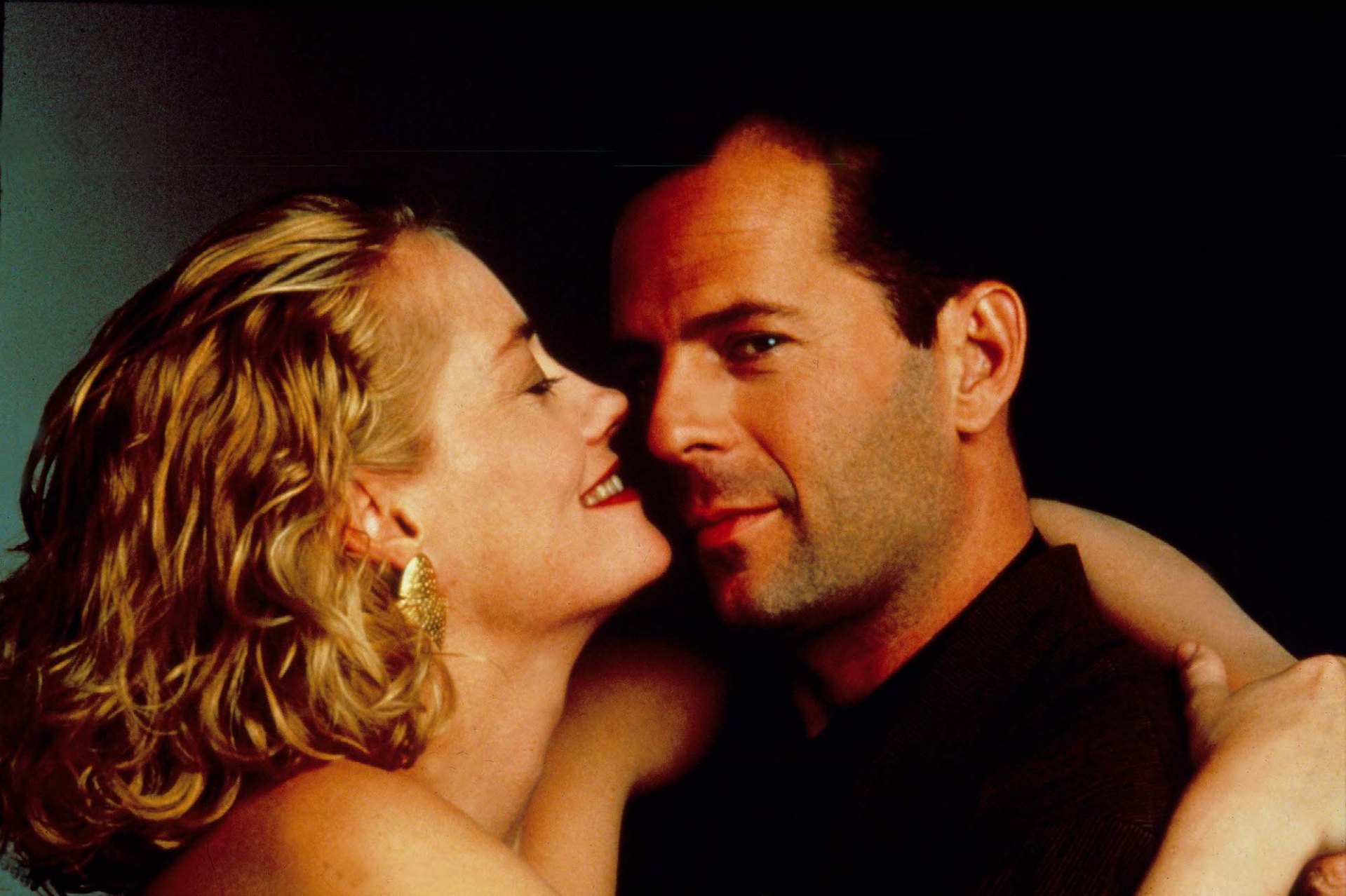
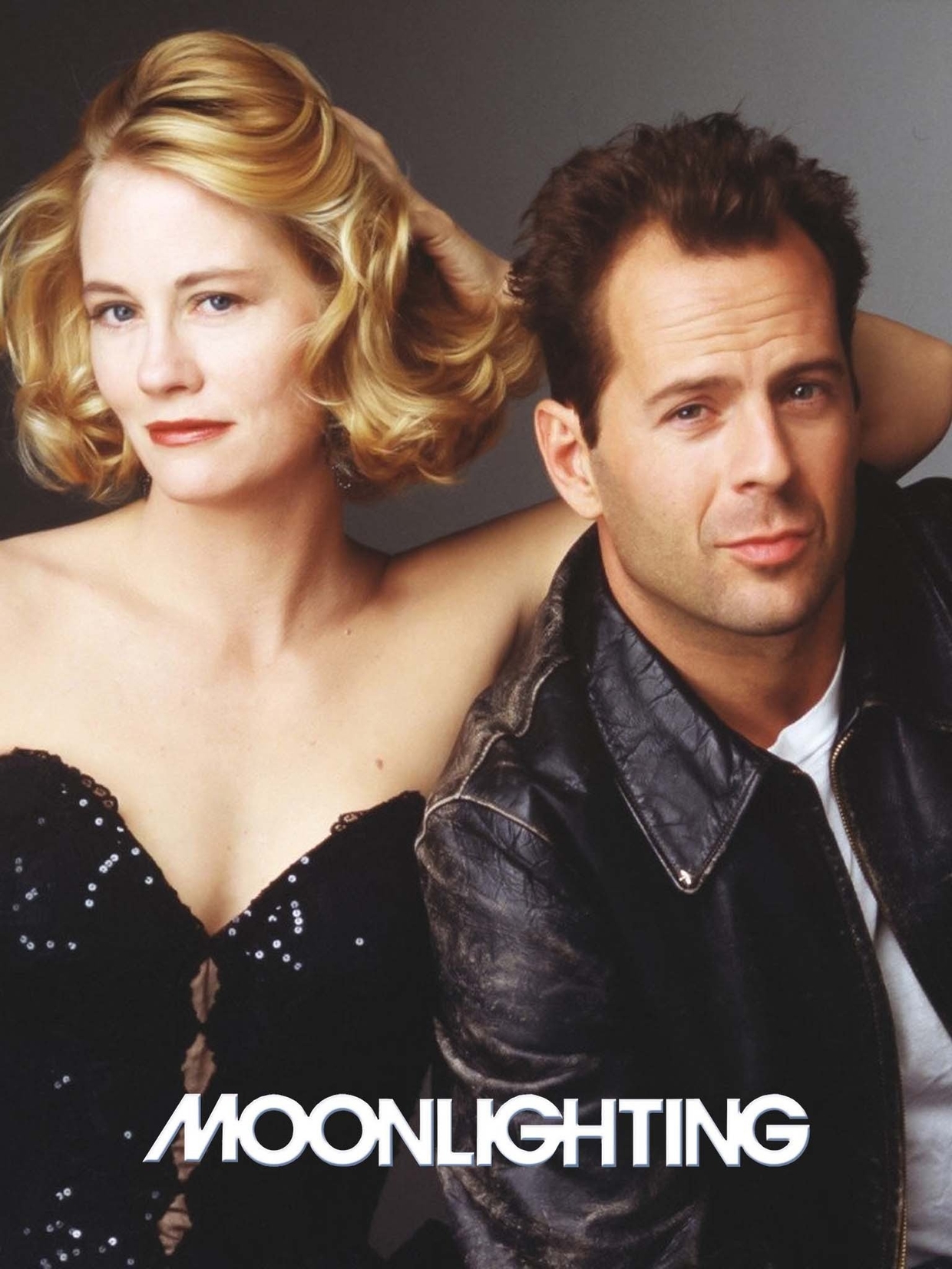
Moonlighting premiered on ABC on March 3, 1985. Created by Glenn Gordon Caron, the series centered on the Blue Moon Detective Agency, located in Los Angeles. The central premise begins with Maddie Hayes, a former fashion model played by Cybill Shepherd, who finds herself bankrupt after her business manager embezzles her fortune. Her only remaining asset is the Blue Moon Detective Agency, a struggling business she initially intends to sell.
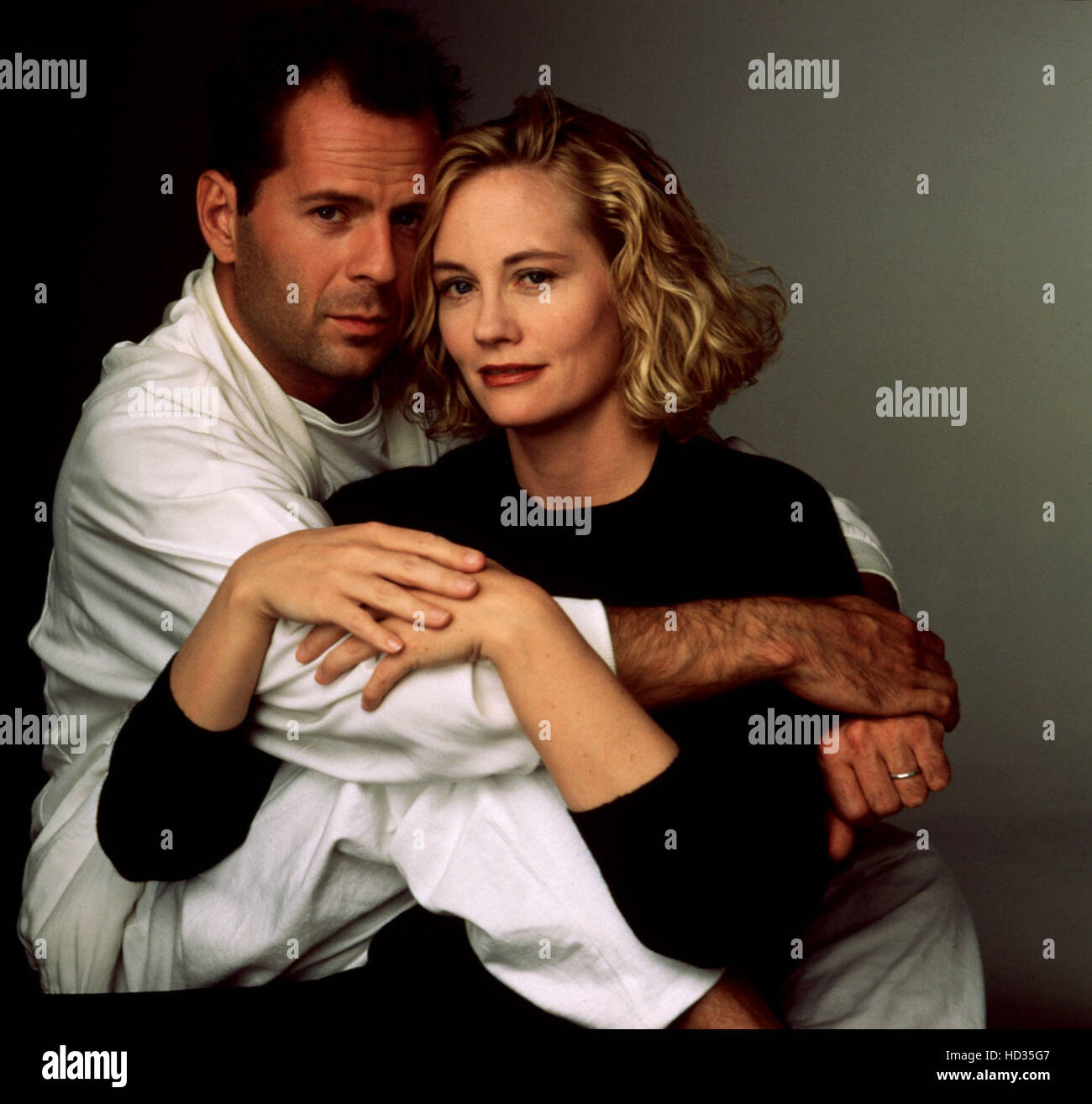
David Addison, Jr., portrayed by Bruce Willis, is the wisecracking, charismatic detective managing the agency. Instead of letting Maddie dissolve the business, he convinces her to become his partner. This pairing of a sophisticated, high-fashion model and a roguish, impulsive detective created the "will-they-won't-they" dynamic that became the show's engine.
The series is often cited for its "dramedy" structure, seamlessly moving between murder mysteries and witty, rapid-fire banter. Unlike the stoic, gritty detectives found in other 1980s police procedurals, the characters in Moonlighting were fundamentally flawed and prioritized their interpersonal tension as much as their casework.
Breaking the Fourth Wall and Meta-Humor
One of the most distinct aspects of Moonlighting was its willingness to disregard the traditional rules of television. The writers frequently had characters acknowledge that they were in a TV show. This meta-commentary included direct addresses to the audience, critiques of the show's own plot holes, and discussions about the network executives at ABC.
This stylistic choice was highly experimental for the time. Episodes often featured internal monologues, dream sequences, and genre-defying segments—such as a black-and-white film noir episode or a full-blown musical sequence. These breaks in the fourth wall served to deepen the audience's connection to the characters, making the show feel like a living, breathing project rather than a static procedural script.
The Star Power of Bruce Willis
Before Moonlighting, Bruce Willis was an actor working in New York City with limited national exposure. His casting as David Addison changed the trajectory of his career entirely. Willis brought a frantic energy, natural comedic timing, and a vulnerability that allowed the show to balance its heavy comedic elements with moments of genuine drama.
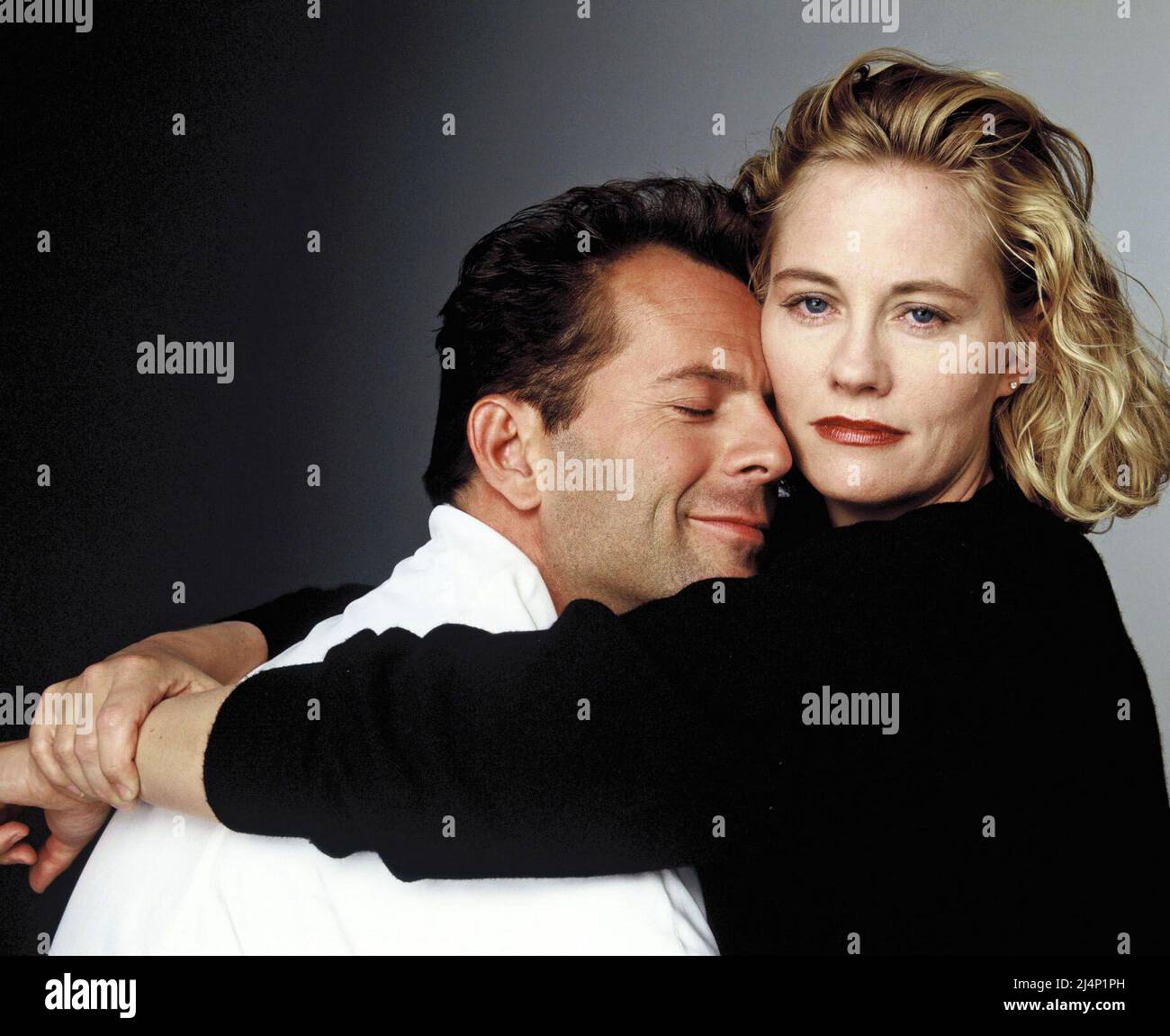
His chemistry with Cybill Shepherd was frequently documented as volatile, both on and off-screen. This reported friction arguably contributed to the electricity viewers felt during their dialogue exchanges. For the audience, the show was not just about the mystery of the week; it was about the unresolved romantic tension between the two leads.
Critical Structure and Production Milestones
The production of Moonlighting was as complex as its scripts. The show was notorious for being behind schedule and over budget, largely because of the dense, dialogue-heavy scripts that were far longer than the standard industry average.
| Feature | Description |
|---|---|
| Premiere Date | March 3, 1985 |
| Final Episode | May 14, 1989 |
| Total Seasons | 5 Seasons |
| Total Episodes | 66 Episodes |
| Network | ABC |
| Primary Genre | Comedy-Drama / Mystery |
The show's production cycle frequently caused delays in delivery to the network, which was an anomaly in 1980s television. By the mid-1980s, these delays became part of the show's public narrative, sometimes resulting in the airing of "clip shows" to fill gaps in the broadcast schedule when new episodes were not completed in time.
Navigating the Series Legacy
In 2026, viewing Moonlighting remains a point of interest for those tracking the history of television writing. The show’s influence can be seen in later series that prioritized character banter over rigid plot structures. Its legacy is tied to the evolution of the "buddy detective" trope and the expansion of what was permissible within a network hour-long drama.
If you are approaching the series for the first time, it is helpful to understand the shift in tone across the five seasons. The first two seasons are often lauded for their high-energy, crackling mystery-of-the-week format. As the series progressed, the focus shifted more toward the personal relationship of the leads, which remains a polarizing point for fans and critics alike.
Frequently Asked Questions
What made Moonlighting different from other 80s detective shows?
Moonlighting prioritized character chemistry and meta-humor over the "police procedural" format. While shows like Miami Vice or Magnum, P.I. leaned into action or crime-solving, Moonlighting was an ensemble comedy-drama that used detective work primarily as a backdrop for the relationship between David and Maddie.
Why is the fourth wall important in Moonlighting?
Breaking the fourth wall—where characters talk directly to the camera or acknowledge they are actors—served to ground the show in a self-aware reality. It allowed the writers to satirize television conventions, acknowledge the show's own production delays, and keep the audience engaged through irony and subversion of expectations.
Is the series considered a mystery or a comedy?
It is officially classified as a comedy-drama, or "dramedy." While every episode features a mystery or a crime that the agency investigates, the resolution of the crime is often secondary to the interpersonal conflict, humor, and romantic tension between the two main characters.
How did the show impact Bruce Willis’s career?
Moonlighting was the breakout role for Bruce Willis. It demonstrated his range as a leading man who could handle comedy and drama with equal proficiency. This performance directly led to his casting in Die Hard (1988), which transitioned him from a television star to a major Hollywood film icon.
What are the challenges in watching the show today?
As with many shows from the 1980s, music licensing remains a significant factor in how the show is distributed. Some original broadcast music has been replaced in various home media and streaming iterations to clear rights, which can sometimes alter the intended atmosphere of specific iconic scenes.
Next Steps for Enthusiasts
For those interested in exploring the history of Moonlighting, the best next step is to examine the archival interviews with showrunner Glenn Gordon Caron regarding the "writer-director-producer" model he employed. His approach to scripts was unconventional for the 1980s, treating television production with a literary ambition that had previously been reserved for cinema. By watching the pilot and the first season, viewers can clearly see the blueprint for what would eventually influence three decades of television comedies.
Image Gallery