What Cisco Umbrella Cloud Access Security Broker Provides: Deep Visibility and Control
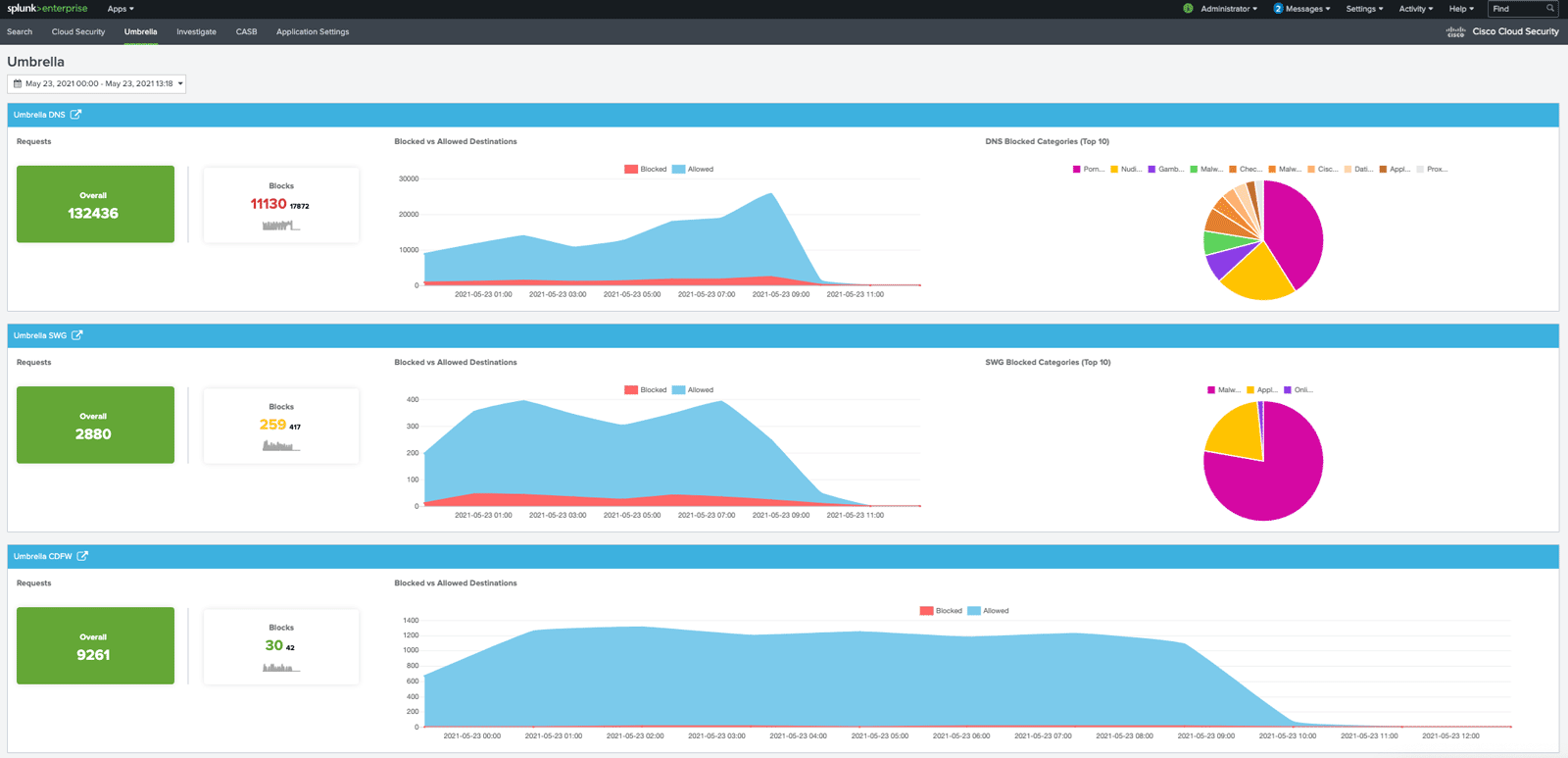
Cisco Umbrella’s Cloud Access Security Broker (CASB) provides comprehensive visibility, data protection, and threat defense for cloud applications. It identifies "Shadow IT" by discovering unauthorized apps, enforces granular usage pol...
Cisco Umbrella’s Cloud Access Security Broker (CASB) provides comprehensive visibility, data protection, and threat defense for cloud applications. It identifies "Shadow IT" by discovering unauthorized apps, enforces granular usage policies—such as blocking file uploads to personal storage—and prevents data exfiltration through integrated Data Loss Prevention (DLP) across diverse cloud environments and remote workforces.
Contents
In the evolving security landscape of 2026, the shift toward decentralized work and cloud-native infrastructure has rendered traditional perimeter-based security insufficient. Cisco Umbrella has matured into a robust Secure Access Service Edge (SASE) platform, with its CASB functionality serving as a critical pillar. Unlike standalone security products, the Umbrella CASB integrates directly into the Secure Internet Gateway (SIG) architecture, allowing organizations to secure cloud usage without the latency or complexity of traditional backhauling.
The Role of CASB within the Cisco SASE Framework
To understand what Cisco Umbrella CASB provides, one must first view it as a component of the broader Cisco Secure Access (formerly Umbrella SIG) ecosystem. As enterprises move away from local data centers toward Software-as-a-Service (SaaS) platforms like Microsoft 365, Salesforce, and AWS, the "security perimeter" now exists wherever the user is located.
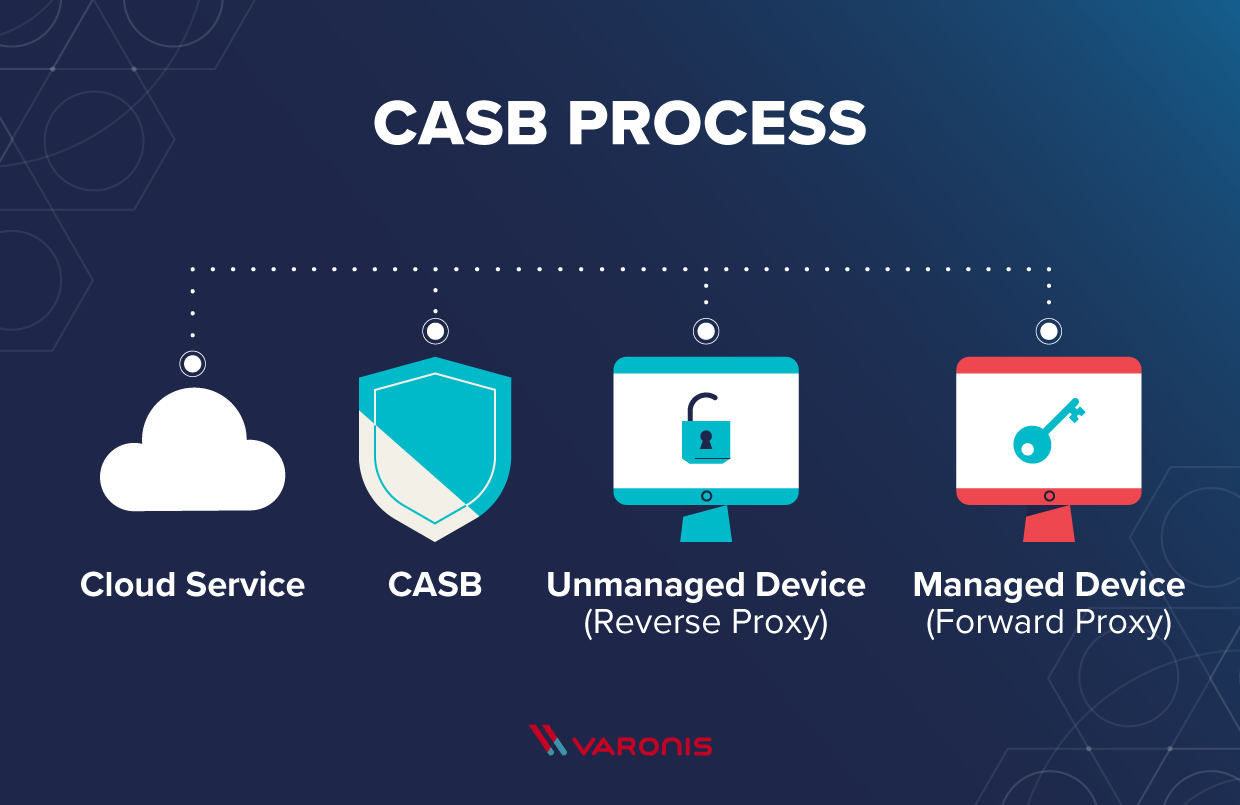
The CASB functionality in Umbrella addresses the "visibility gap" that occurs when users access cloud services directly via the internet, bypassing the corporate VPN. By sitting between the user and the cloud service, the CASB acts as a sophisticated gatekeeper. It provides two primary modes of operation: Inline (as traffic passes through the Umbrella proxy) and API-based (connecting directly to the cloud service provider to scan data at rest). This dual-mode approach ensures that data is protected both as it moves and while it resides in the cloud.
Key Capabilities of Cisco Umbrella CASB
Cisco Umbrella CASB is designed to solve three main problems: identifying what apps are in use, controlling how those apps are used, and protecting the data within those apps.
1. Shadow IT Discovery and Risk Assessment
One of the most immediate benefits of Cisco Umbrella CASB is the App Discovery report. Most organizations are surprised to find that employees are using hundreds, if not thousands, of unauthorized cloud applications—a phenomenon known as Shadow IT.
Umbrella analyzes your DNS logs and web traffic to generate a comprehensive inventory of every cloud application being accessed. Each discovered app is assigned a Risk Score (typically on a scale of 1 to 10). This score is determined by Cisco’s security researchers based on over 40 factors, including:
- Compliance Certifications: Does the app meet HIPAA, SOC2, or GDPR standards?
- Data Handling: Does the provider own the data you upload?
- Vulnerability History: Does the vendor have a history of unpatched security flaws?
- Financial Viability: Is the company stable, or is there a risk of the service disappearing?
This data allows IT administrators to move from a reactive "block everything" stance to a proactive "enable the business safely" strategy by identifying safe alternatives to risky apps.
2. Granular Application Control
Traditional firewalls often offer a binary choice: allow or block an entire website. Cisco Umbrella CASB provides granular control, allowing administrators to permit the use of an application while restricting specific high-risk activities within it.
For example, an organization might allow employees to use LinkedIn for networking but use CASB policies to block the ability to attach files or send messages. Common granular controls include:
- Upload/Download Restrictions: Allowing users to view documents in Box or Dropbox but preventing them from uploading sensitive corporate data.
- Post/Share Restrictions: Permitting the viewing of social media while blocking the ability to post updates or comments.
- Search Controls: Enforcing "Safe Search" across various cloud platforms.
3. Integrated Data Loss Prevention (DLP)
Data Loss Prevention is perhaps the most technical and critical feature provided by the CASB. Umbrella uses a unified DLP engine that works across both web traffic and cloud storage. It inspects files and text for sensitive information, such as:
- Personally Identifiable Information (PII): Social Security numbers, addresses, and passport details.
- Financial Data: Credit card numbers (PCI-DSS) and bank routing info.
- Intellectual Property: Using "Exact Data Matching" (EDM) to identify specific proprietary source code or legal documents.
When a user attempts to upload a file containing sensitive data to an unapproved cloud app, the CASB intercepts the request, blocks the upload, and notifies the security team. In 2026, this has become increasingly important for governing the use of Generative AI tools, where employees might inadvertently paste proprietary code or customer data into public AI prompts.
4. Tenant Restrictions
A frequent method of data exfiltration involves employees using their corporate devices to log into personal instances of sanctioned apps. For instance, an employee might log into their personal Gmail or OneDrive account to move corporate files.
Cisco Umbrella CASB provides Tenant Restrictions, which injects specific headers into the HTTPS traffic. This tells the cloud provider (like Microsoft or Google) to only allow logins from specific, authorized corporate domains. If a user tries to sign in with a @gmail.com address on a corporate machine, the cloud provider recognizes the header and denies the login attempt.
Technical Comparison: Umbrella CASB Tiers
Cisco typically offers CASB features within its Essentials and Advantage packages of the Secure Internet Gateway (SIG) license.
| Feature | SIG Essentials | SIG Advantage |
|---|---|---|
| App Discovery | Full visibility and risk scoring | Full visibility and risk scoring |
| App Blocking | Category and individual app level | Individual and granular (per-activity) |
| Inline DLP | Basic (limited patterns) | Advanced (Custom patterns, EDM) |
| API-based CASB | Not included | Included (for sanctioned apps) |
| Tenant Restrictions | Supported for O365/Google | Supported for O365/Google/Slack |
| SSL Decryption | Required for visibility | Required for visibility |
Implementation Prerequisites and Requirements
To fully leverage what Cisco Umbrella CASB provides, organizations must meet specific technical prerequisites. Because CASB requires deep inspection of encrypted traffic, the implementation is more involved than standard DNS-layer security.
- SSL Decryption (Root Certificate Installation): Since over 95% of web traffic is encrypted, the CASB cannot see what is being uploaded or which specific button is being clicked without decrypting the traffic. Organizations must deploy the Cisco Umbrella Root Certificate to all managed endpoints to prevent "Untrusted Connection" warnings.
- Traffic Redirection: Traffic must be routed to the Umbrella cloud. This is usually achieved through:
- Cisco Secure Client (formerly AnyConnect): Using the Umbrella module for remote workers.
- PAC Files: Proxy Auto-Configuration files that tell browsers to send web traffic to Umbrella.
- Tunnels: IPsec or GRE tunnels from network edge devices (like Cisco ISR/Meraki) to the Umbrella global network.
- Identity Integration: For policies to be meaningful, Umbrella needs to know who the user is. Integrating with Active Directory or Azure AD/Entra ID via the Cisco Umbrella AD Connector or SAML is essential for mapping security events to specific individuals.
Troubleshooting Common CASB Issues
Deploying a CASB can sometimes lead to friction in the user experience if not configured correctly. Senior administrators should be aware of these common hurdles:
- Certificate Errors: If a device does not have the Umbrella Root CA installed, the user will see SSL errors when trying to access HTTPS sites. This is the most common "broken internet" complaint during rollout.
- App Breakage: Some applications use "certificate pinning," which prevents them from working if the traffic is intercepted and decrypted. Administrators must maintain an External Bypass List for these specific domains to ensure the apps continue to function.
- Latency: While Cisco uses a massive global network, poorly configured GRE tunnels or long-distance routing can introduce latency. Utilizing Cisco’s global data centers nearest to the user is key to maintaining performance.
Real-World Use Case: Securing Generative AI
In 2026, the primary use case for CASB has shifted toward the governance of AI. Without a CASB, an organization has no way to see if employees are using "Shadow AI" tools. With Cisco Umbrella CASB, administrators can:
- Discover which AI platforms (ChatGPT, Claude, Gemini) are being used.
- Block access to high-risk, unverified AI tools.
- Apply DLP policies to sanctioned AI tools to ensure no "Company Confidential" strings are sent to the AI's training model.
Final Recommendation
For organizations seeking to bridge the gap between user productivity and data security, the Cisco Umbrella Cloud Access Security Broker is an essential investment. It is best suited for enterprises already utilizing the Cisco ecosystem or those moving toward a SASE architecture. To get started, organizations should first run the App Discovery report for 30 days. This baseline data provides the necessary evidence to justify more restrictive granular policies and DLP configurations, ensuring that security measures are data-driven rather than based on assumptions.
Frequently Asked Questions
Does Cisco Umbrella CASB replace a traditional firewall? While Umbrella CASB provides many "firewall-as-a-service" features, it is intended to augment or replace the web filtering and data protection portions of a firewall. Many organizations use it alongside an on-premises firewall for a layered defense strategy, especially for remote users who are not behind the physical firewall.
How does the API-based CASB differ from the Inline CASB? The Inline CASB acts as a proxy, inspecting data as it moves in real-time. The API-based CASB connects directly to providers like Microsoft 365 or Salesforce to scan files that were already there or uploaded by users on unmanaged devices. You generally need both for full protection.
Can I block specific files from being uploaded to personal Google Drive?
Yes. By using the Tenant Restrictions and Granular App Control features, you can allow uploads to your corporate Google Workspace while blocking uploads to any personal @gmail.com accounts accessed from a managed corporate device.
Is SSL decryption mandatory for CASB?
Yes, for almost all CASB functions. Without SSL decryption, the CASB can see the domain (e.g., dropbox.com) but cannot see the specific URL path or the content of the files being moved. SSL decryption is required to see "inside" the encrypted tunnel.
Image Gallery