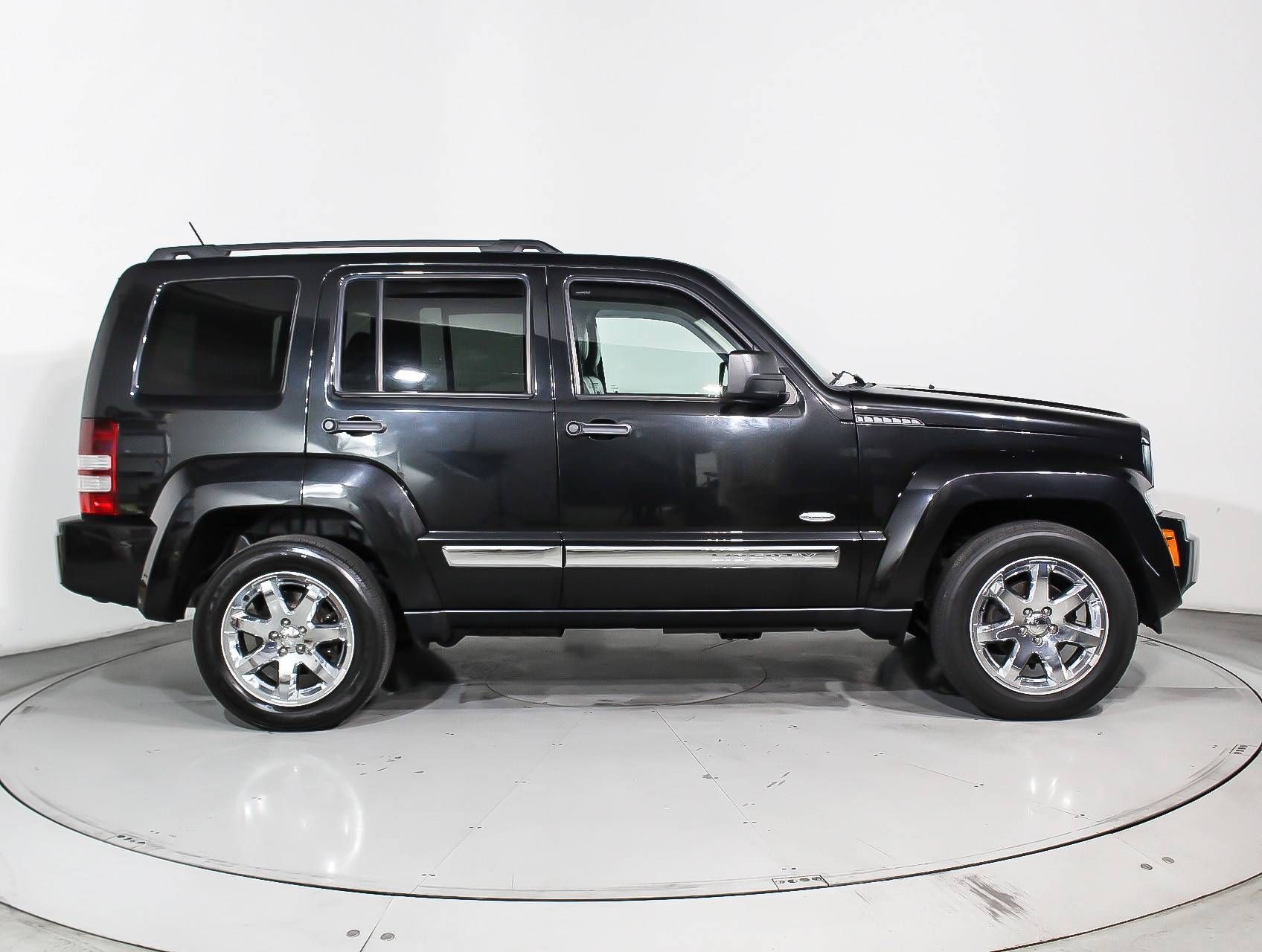
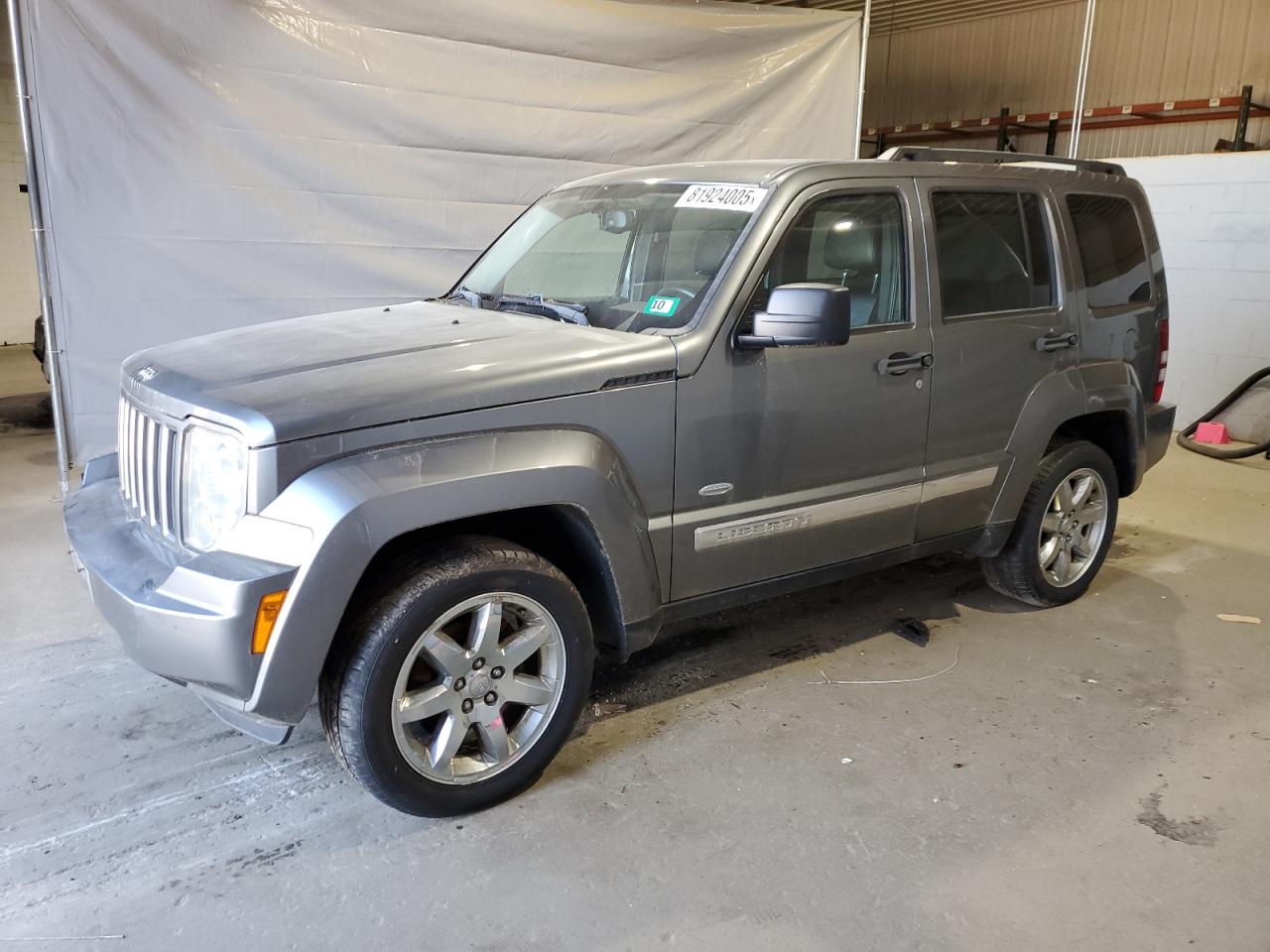
Comprehensive Guide to 2012 Jeep Liberty Weight and Towing Specifications
The 2012 Jeep Liberty features a curb weight ranging from 4,076 lbs (1,849 kg) for rear-wheel-drive models to 4,290 lbs (1,946 kg) for fully equipped four-wheel-drive trims. Its Gross Vehicle Weight Rating (GVWR) peaks at approximately...
The 2012 Jeep Liberty features a curb weight ranging from 4,076 lbs (1,849 kg) for rear-wheel-drive models to 4,290 lbs (1,946 kg) for fully equipped four-wheel-drive trims. Its Gross Vehicle Weight Rating (GVWR) peaks at approximately 5,675 lbs, providing a payload capacity of roughly 1,150 lbs for passengers and cargo.
Contents
The 2012 Jeep Liberty (KK generation) represents the final production year of this iconic nameplate. Known for its boxy silhouette and genuine off-road heritage, the vehicle’s weight is a critical factor for owners in 2026 who are managing maintenance, towing requirements, or off-road modifications. Understanding the interplay between curb weight, Gross Vehicle Weight Rating (GVWR), and payload is essential for safe operation and vehicle longevity.
Understanding Curb Weight vs. GVWR in the 2012 Liberty
To accurately discuss the mass of the 2012 Jeep Liberty, we must distinguish between several technical weight measurements. These figures determine how the vehicle handles, how much it can carry, and what kind of trailer it can safely pull.
Curb Weight
The curb weight is the weight of the vehicle with all standard equipment, a full tank of fuel, and all necessary fluids (oil, coolant, brake fluid), but without any passengers or cargo. For the 2012 Liberty, this weight varies primarily based on the drivetrain. The 4x2 (Rear-Wheel Drive) models are lighter, while the 4x4 models include a transfer case, front driveshaft, and front differential, adding significant mass.
Gross Vehicle Weight Rating (GVWR)
The GVWR is the maximum allowable total weight of the vehicle as specified by the manufacturer. This includes the curb weight plus the weight of the driver, passengers, cargo, and the tongue weight of a trailer. Exceeding the GVWR of 5,600 to 5,675 lbs can lead to premature suspension failure, overheated braking systems, and compromised structural integrity.
Payload Capacity
Payload is calculated by subtracting the curb weight from the GVWR. For most 2012 Liberty trims, the payload capacity hovers around 1,150 lbs. It is a common mistake for owners to assume that since the vehicle is a "Jeep," it can carry heavy loads of construction materials or several large passengers and gear simultaneously. In reality, four 200-lb adults and 300 lbs of gear will bring the vehicle very close to its operational limit.
2012 Jeep Liberty Weight Specifications by Trim
The 2012 model year was offered in several distinct trims, including the Sport, Limited, and the stylized Jet and Arctic editions. While they all share the 3.7L V6 engine, differences in interior luxury, wheel sizes, and 4WD systems contribute to weight variances.
| Trim Level | Drivetrain | Curb Weight (lbs) | GVWR (lbs) | Max Payload (lbs) |
|---|---|---|---|---|
| Sport | RWD (4x2) | 4,076 | 5,600 | 1,150 |
| Sport | 4WD (4x4) | 4,222 | 5,675 | 1,150 |
| Limited | RWD (4x2) | 4,076 | 5,600 | 1,150 |
| Limited | 4WD (4x4) | 4,290 | 5,675 | 1,150 |
| Jet Edition | 4WD (4x4) | 4,290 | 5,675 | 1,150 |
Note: Weights are approximate based on standard factory configurations. Adding aftermarket accessories like steel skid plates, winch bumpers, or larger tires will increase the curb weight and decrease the available payload.
The Impact of 4,000+ Pounds on Performance
The 2012 Jeep Liberty is relatively heavy for its size compared to modern unibody crossovers. This "heft" comes from its UniFrame construction, which combines a unibody design with integrated frame rails for increased stiffness and off-road durability.
Engine and Acceleration
The 3.7L PowerTech V6 engine produces 210 horsepower and 235 lb-ft of torque. When pushing a 4,200-lb vehicle, this engine can feel taxed, especially during high-altitude driving or steep highway inclines. The weight-to-power ratio is a primary reason the Liberty is not known for rapid acceleration. In 2026, ensuring the fuel system and ignition components are optimized is vital for maintaining the power necessary to move this mass efficiently.
Fuel Economy Considerations
Weight is the enemy of fuel efficiency. The 2012 Liberty is rated by the EPA at approximately 16 city / 22 highway MPG for the 4WD model. The significant mass, combined with a four-speed automatic transmission and a non-aerodynamic shape, results in higher fuel consumption than contemporary competitors like the Honda CR-V or Toyota RAV4 from the same era.
Braking Requirements
Stopping a 4,300-lb SUV requires substantial thermal dissipation. The 2012 Liberty utilizes four-wheel disc brakes with an Anti-lock Braking System (ABS). Because of the vehicle's weight, owners should prioritize high-quality brake pads and rotors. Under heavy load or towing, "brake fade"—the loss of stopping power due to heat—can occur if the braking system is not properly maintained.
Towing Capacity and Tongue Weight Limits
One of the Liberty’s strongest selling points was its towing capability, which exceeded many other compact SUVs of its time. However, this capacity is strictly dependent on how the vehicle is equipped.
The Class III Towing Package
To reach the maximum towing capacity of 5,000 lbs, the 2012 Jeep Liberty must be equipped with the factory-installed Class III towing package. This package typically includes:
- A heavy-duty engine cooling system.
- A power steering cooler.
- A Class III hitch receiver.
- A 7-pin wiring harness.
Without this package, the standard towing limit is often restricted to 2,000 lbs. Exceeding these limits without the proper cooling can lead to transmission overheating and catastrophic engine failure.
Tongue Weight and Weight Distribution
The maximum tongue weight—the downward force exerted by the trailer on the hitch—is typically 500 lbs (10% of the max trailer weight). When towing near the 5,000-lb limit, the use of a weight-distributing hitch is highly recommended to level the vehicle and prevent the rear suspension from sagging. Excessive rear-end sag unweights the front tires, which can lead to a dangerous loss of steering control.
Mechanical Integrity and Weight-Bearing Components in 2026
As of 2026, a 2012 Jeep Liberty is a fourteen-year-old vehicle. The constant stress of its 4,000+ lb curb weight takes a toll on specific mechanical systems that owners must monitor.
Suspension Components
The front independent suspension and rear five-link solid axle rely on bushings and shocks that degrade over time. The heavy weight of the iron-block V6 engine sits directly over the front suspension, leading to worn lower ball joints and sagging coil springs. If the vehicle sits lower than it did originally, it is likely the springs have fatigued under the constant weight.
Transmission Health
The 42RLE four-speed automatic transmission is responsible for transferring power to move this heavy SUV. Heat is the primary killer of these units. Owners in 2026 should ensure the transmission fluid is changed according to the heavy-duty maintenance schedule, especially if the vehicle is used for towing or frequent off-roading, as the weight increases the internal operating temperatures.
Tire Selection and Load Rating
When replacing tires, it is crucial to match or exceed the factory Load Index. A 2012 Liberty typically requires a tire with a load index of 102 or higher (roughly 1,874 lbs per tire). Using "Passenger" (P-rated) tires with a low load index can result in sidewall failure when the vehicle is fully loaded or driven over rough terrain.
FAQs About 2012 Jeep Liberty Weight
How much does a 2012 Jeep Liberty weigh in kilograms? A 2012 Jeep Liberty weighs between 1,849 kg and 1,946 kg, depending on whether it is a 2WD or 4WD model. The GVWR is approximately 2,574 kg.
Is the 2012 Jeep Liberty heavier than the Jeep Wrangler of the same year? Yes, generally. A 2012 Jeep Wrangler (2-door) has a curb weight of approximately 3,700 to 4,000 lbs. The Liberty is slightly heavier due to its larger body and different frame integration, though the 4-door Wrangler Unlimited is heavier than the Liberty, often exceeding 4,300 lbs.
How does adding a lift kit affect the weight of the Liberty? Most suspension lift kits add 50 to 100 lbs of weight due to heavier-duty shocks, springs, and control arms. However, the largest weight increase usually comes from the larger, heavier tires (often E-rated) and steel wheels that typically accompany a lift, which can add 20 to 40 lbs per corner in unsprung weight.
Does the Sky Slider sunroof affect the vehicle's weight? The Sky Slider full-length open-canvas roof does change the weight distribution. While the canvas itself is lighter than a steel roof, the heavy motor and reinforced track mechanisms add weight to the highest point of the vehicle, slightly raising the center of gravity compared to a standard hard-top model.
What is the "curb weight" difference between the 3.7L V6 and other engines? For the 2012 model year in North America, the 3.7L V6 was the only engine option available. International models (Jeep Cherokee outside the US) sometimes featured a 2.8L CRD diesel engine, which was significantly heavier, adding roughly 200 lbs to the front end.
Practical Recommendation for Owners
If you are operating a 2012 Jeep Liberty in 2026, the best course of action regarding its weight is proactive suspension and cooling maintenance. Because this vehicle is heavy for its class, the rubber bushings in the control arms and the shocks are often at the end of their service life by 100,000 miles. Upgrading to heavy-duty monotube shocks and ensuring your cooling system (radiator and hoses) is pressure-tested will ensure that the vehicle's mass doesn't lead to a mechanical breakdown during towing or long-distance travel. Always verify your specific VIN's towing capacity through the NHTSA or an official Jeep equipment listing to ensure you do not exceed safety limits.
Image Gallery