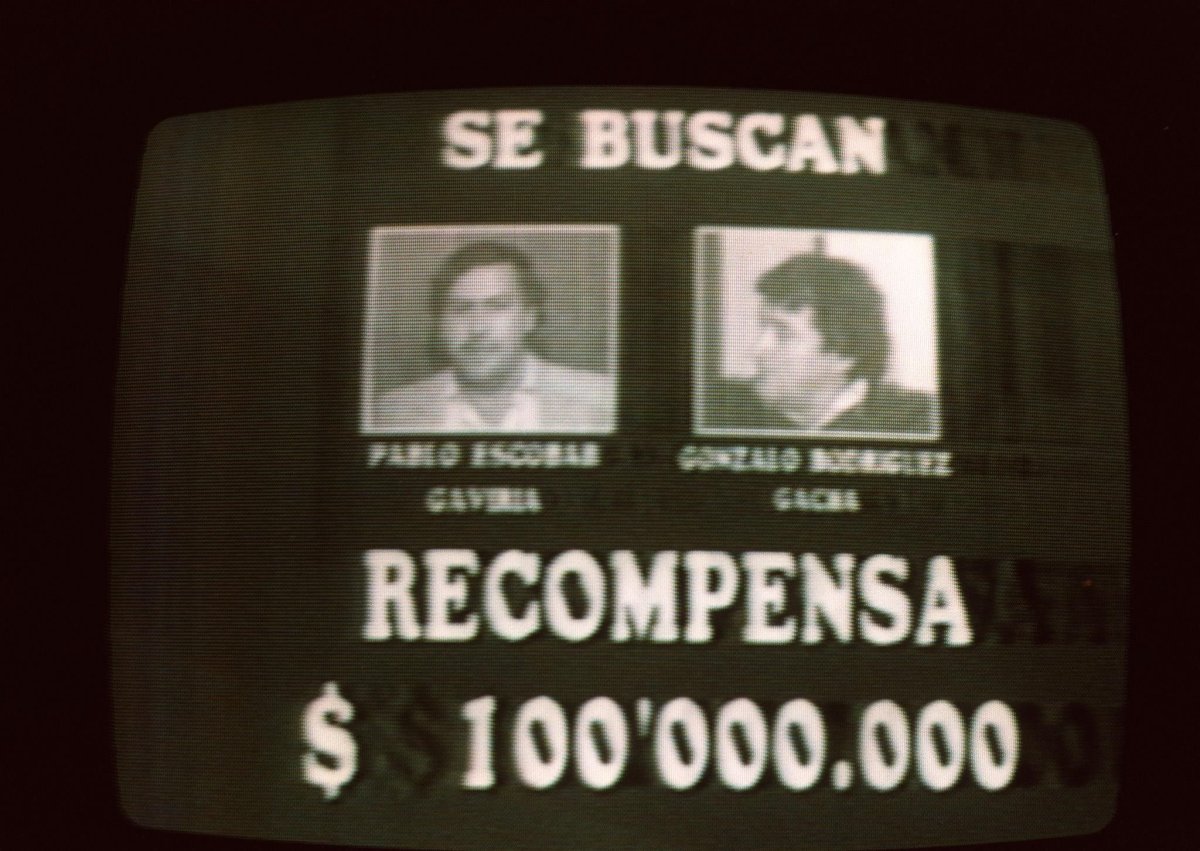
Pablo Escobar’s Family and Net Worth: The True Legacy of the Medellín Cartel
Pablo Escobar’s family inherited a complex and fractured legacy defined by billions in hidden cartel assets, decades of safety threats, and eventual legal rehabilitation. While the Medellín Cartel leader’s peak net worth was estimated...
Pablo Escobar’s family inherited a complex and fractured legacy defined by billions in hidden cartel assets, decades of safety threats, and eventual legal rehabilitation. While the Medellín Cartel leader’s peak net worth was estimated at roughly $30 billion in the late 1980s, the vast majority of this fortune was seized, spent on survival, or lost to inflation and decay, leaving his descendants to rebuild their lives across different continents under changed identities.
Contents
Understanding the reality of Pablo Escobar’s family and net worth requires separating sensationalized media myths from documented historical facts. This analysis examines the scale of his historical wealth, the fate of his immediate relatives—including his wife Victoria Eugenia Henao (later María Isabel Santos Caballero), his son Juan Pablo Escobar (later Sebastián Marroquín), and his daughter Manuela Escobar (later Juana Manuela Marroquín Santos)—and how they navigated the aftermath of the cartel's collapse.
The Magnitude of Pablo Escobar’s Wealth in the 1980s
During the height of the Colombian drug trade, Pablo Escobar amassed a fortune that made him one of the wealthiest individuals in global history. Forbes magazine listed him as the seventh-richest man in the world in 1989, estimating his personal net worth at $30 billion. Adjusting for inflation, that figure would be significantly higher in contemporary terms, driven by the Medellín Cartel's monopoly on the global cocaine supply, which funneled an estimated $420 million a week into Escobar’s coffers.
The logistics of accumulating this level of cash presented unique physical challenges. The cartel earned so much paper currency that warehouses were rented exclusively to store cash bales. According to accounts from family members and former associates, roughly 10 percent of this cash was routinely written off annually due to moisture damage, rat infestation, or destruction by warehouse fires.
Despite owning vast real estate portfolios—including the infamous Hacienda Nápoles estate, luxury urban apartments, and extensive cattle ranches—the wealth was predominantly liquid cash. This liquidity became a severe liability once the Colombian government, U.S. law enforcement, and rival cartels began systematically dismantling his organization, culminating in Escobar’s death in December 1993.
The Immediate Family Structure and Post-1993 Reality
Following Escobar's death, his immediate family faced immediate threats to their lives from the Los Pepes (Perseguidos por Pablo Escobar), a vigilante group allied with rival drug cartels and state security forces. The family's survival strategy involved abandoning their assets, surrendering their wealth to negotiate safe passage, and fleeing Colombia.
| Family Member | Original Name | Adopted/New Name | Primary Status Post-1993 |
|---|---|---|---|
| Wife | Victoria Eugenia Henao | María Isabel Santos Caballero | Relocated to Argentina; authored a memoir detailing her life. |
| Son | Juan Pablo Escobar | Sebastián Marroquín | Architect, author, and public speaker promoting peace and reconciliation. |
| Daughter | Manuela Escobar | Juana Manuela Marroquín Santos | Maintained a secluded, private life away from public scrutiny. |
Victoria Eugenia Henao (María Isabel Santos Caballero)
Victoria Eugenia Henao married Escobar when she was just 15 years old. Following his death, she attempted to seek asylum in multiple countries before settling in Argentina under the alias María Isabel Santos Caballero. In 2018, she published a memoir titled Pablo Escobar: My Life and My Prison, outlining the psychological toll, domestic abuse, and isolation she experienced while living inside the drug empire. In Argentina, she faced legal scrutiny regarding money laundering investigations in the early 2000s, though she was eventually cleared of those charges after courts found no direct link to illicit narcotics funds.
Sebastián Marroquín (Juan Pablo Escobar)
Juan Pablo Escobar changed his name to Sebastián Marroquín and relocated to Argentina, where he established a career as an architect, industrial designer, and author. Marroquín has actively distanced himself from his father's violent legacy, engaging in public speaking and producing the documentary Sins of My Father (2009). He has publicly apologized to the families of Escobar’s most prominent victims, including the relatives of former Colombian presidential candidate Luis Carlos Galán and Minister of Justice Rodrigo Lara Bonilla.
Manuela Escobar (Juana Manuela Marroquín Santos)
Manuela Escobar was only nine years old when her father died. Unlike her brother, she chose a path of absolute privacy. She changed her name to Juana Manuela Marroquín Santos and has remained entirely outside the public eye, avoiding media interviews and public appearances.
The Myth Versus Reality of the Remaining Net Worth
Popular culture frequently depicts hidden vaults of Escobar cash waiting to be uncovered, but the reality of the family's financial standing after 1993 was starkly different.
- Surrender of Assets: To secure safe passage out of Colombia for his wife and children, Escobar's brother, Roberto Escobar, and surviving family members surrendered the vast majority of known real estate, vehicles, and cash reserves to the Colombian government and rival factions.
- Extortion and Survival Costs: While living as fugitives in South America prior to reaching Argentina, the family spent millions on security, bribes, and basic survival, depleting liquid reserves that were not confiscated by authorities.
- Legal Persecution: Argentine authorities investigated the family’s assets upon their arrival in Buenos Aires. While minor real estate holdings were acquired through legitimate earnings by Marroquín working as an architect, large-scale inheritance funds from the cartel era were nonexistent.
Consequently, none of Escobar’s immediate descendants inherited the multi-billion-dollar fortune often attributed to them in modern media narratives. Both Marroquín and Henao have repeatedly stated that they had to rebuild their professional and financial lives from scratch through legitimate employment in Argentina.
Frequently Asked Questions
Did Pablo Escobar's family keep any of his billions?
No. The immediate family surrendered nearly all known assets, cash, and properties to the Colombian government and rival factions in exchange for safe passage out of the country in the mid-1990s. They did not inherit the billions amassed during the peak of the Medellín Cartel.
Where do Pablo Escobar’s wife and children live now?
Escobars' wife and children relocated to Buenos Aires, Argentina, in the 1990s under assumed identities. Sebastián Marroquín works as an architect and author, while his mother and sister have maintained varying degrees of privacy.
What happened to Hacienda Nápoles?
Hacienda Nápoles, Escobar’s sprawling 7,400-acre estate featuring a private zoo, luxury mansion, and landing strips, was seized by the Colombian government. Over the decades, the property has been transformed into a theme park, water park, and wildlife sanctuary managed by the municipality of Puerto Triunfo.
Did Sebastián Marroquín apologize to the victims of his father?
Yes. Sebastián Marroquín has dedicated a significant portion of his adult life to making amends. He traveled to Colombia to meet directly with the children of his father's most prominent political victims, offering public apologies and advocating for peaceful conflict resolution.
Are there legal restrictions against Pablo Escobar's family in Colombia?
While family members faced intensive scrutiny, asset forfeiture procedures, and temporary detentions for questioning during the 1990s and early 2000s, they are not currently wanted by Colombian or international law enforcement agencies.
Final Recommendation and Next Actions
For readers examining the history of the Medellín Cartel, reliable insights are best obtained through primary biographical documentation and investigative journalism rather than dramatized television series. Those researching the legal and financial forfeiture protocols of the era should consult official Colombian judicial records regarding asset seizure cases from 1993 to 1998, as well as the published memoirs of family members who provide firsthand accounts of the cartel's internal operations and eventual collapse.
Image Gallery