The Public Evolution of Chloe Lattanzi: Visual Media Trends and Legacy Pictures
The visual history of Chloe Lattanzi, the only child of the late Dame Olivia Newton-John and actor Matt Lattanzi, serves as a prominent case study in the evolution of celebrity media. From 1980s family portraits to modern digital advoc...
The visual history of Chloe Lattanzi, the only child of the late Dame Olivia Newton-John and actor Matt Lattanzi, serves as a prominent case study in the evolution of celebrity media. From 1980s family portraits to modern digital advocacy, pictures of Chloe Lattanzi in the media document her journey through child stardom, tabloid scrutiny, and her current 2026 role as a primary guardian of her mother’s wellness legacy.
Contents
The Archival Imagery of Childhood (1986–1999)
In the early years, pictures of Chloe Lattanzi were primarily high-quality, controlled studio portraits or professional red-carpet photographs. During this era, media access to celebrity children was less invasive than the digital age, and images usually appeared in major publications like People or Australian Women's Weekly. These photos often emphasized the striking physical resemblance between Chloe and her mother, creating a visual narrative of the "next generation" of Hollywood royalty.
The media coverage during the late 1980s and early 1990s focused on the stable family unit. However, after Olivia Newton-John’s first breast cancer diagnosis in 1992 and her subsequent divorce from Matt Lattanzi in 1995, the tone of the imagery shifted. Media outlets began capturing more candid, "paparazzi-style" shots of Chloe with her mother in Malibu or Byron Bay, shifting the focus from polished celebrity life to the private resilience of a mother and daughter navigating health and family transitions.
Early Red Carpets and the Grease Legacy
Because Olivia Newton-John remained an icon of the film Grease, Chloe was frequently photographed at anniversary events and tributes. These pictures are significant because they highlight the transition from Chloe as a dependent child to an adolescent entering the public sphere. By the late 1990s, the media began to track her style choices, documenting the shift from the soft, floral aesthetics associated with her mother to the more edgy, experimental fashion of a teenager in the spotlight.
The Tabloid Era: Plastic Surgery and Public Scrutiny (2000–2015)
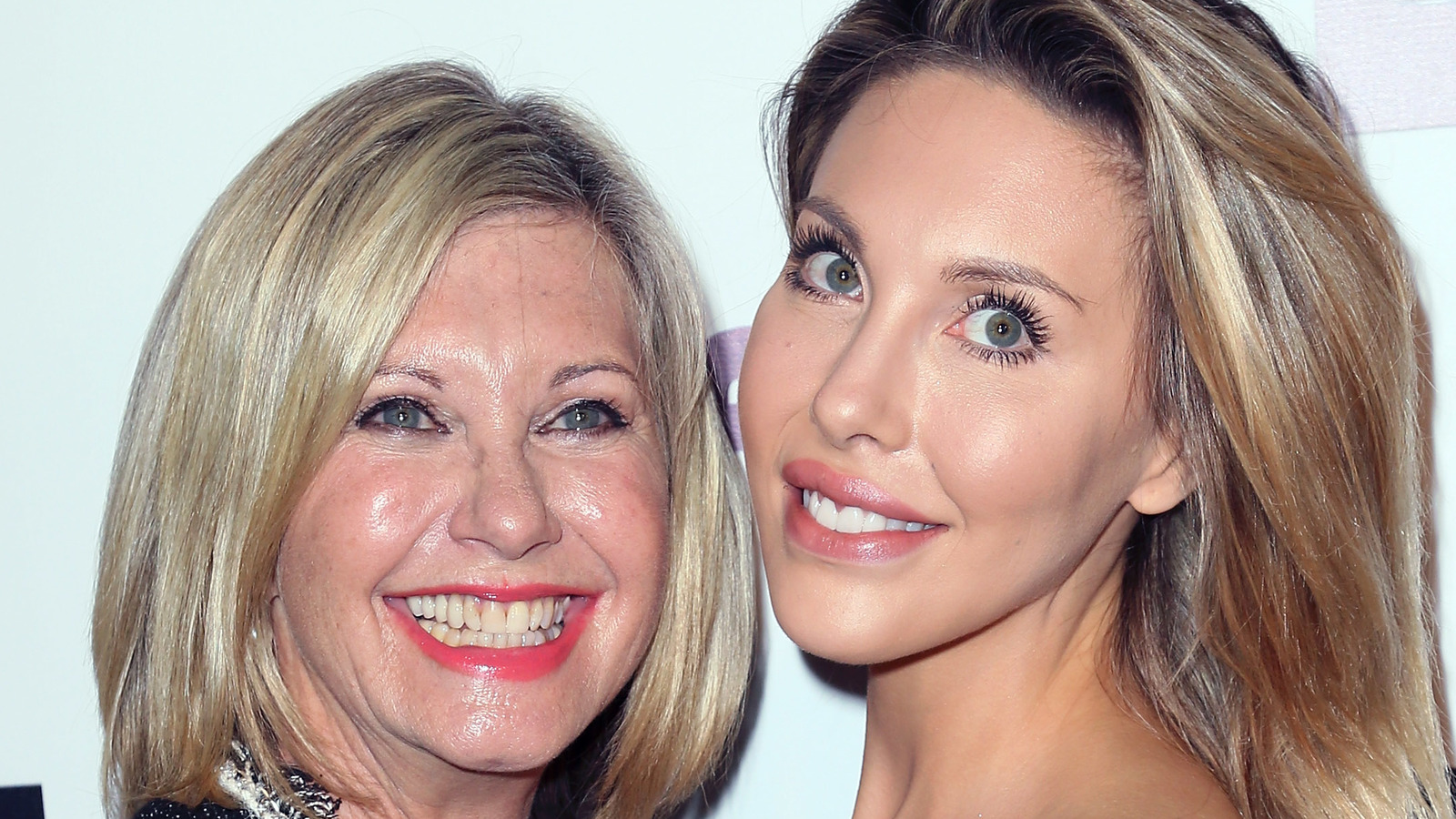
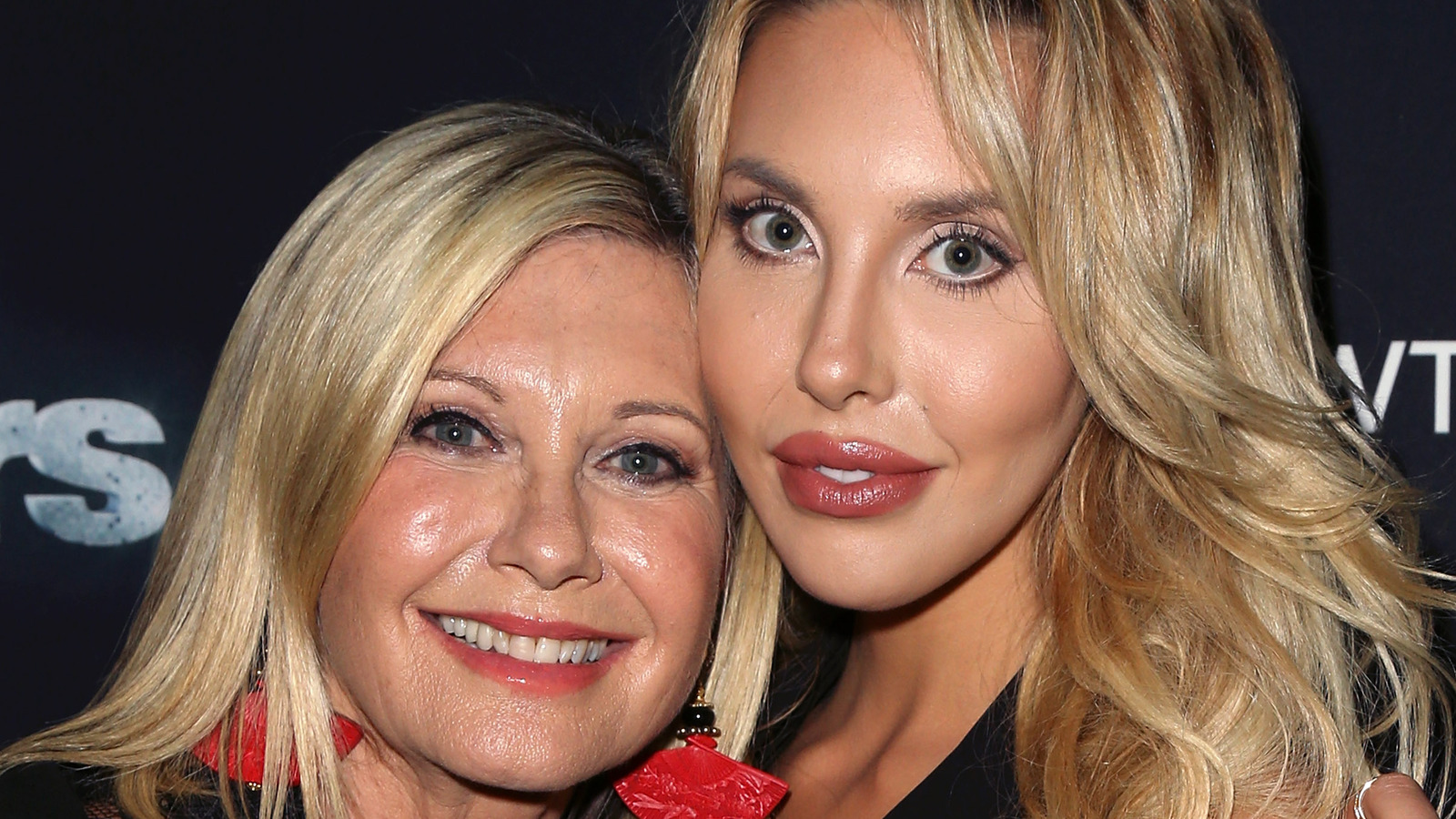
The most intensive period of media coverage regarding Chloe Lattanzi occurred during the mid-2000s and early 2010s. This era was characterized by the rise of tabloid journalism and the "mean girl" celebrity culture of the time. Pictures of Chloe in the media during this period were frequently used to speculate on her health, her relationship with her mother, and her physical appearance.
Tabloids focused heavily on two main narratives: her struggles with eating disorders and her history with plastic surgery. Close-up photos and "before and after" comparisons became staples of gossip magazines. This visual scrutiny was often harsh, with media outlets using her appearance to critique the pressures of being the daughter of a globally recognized beauty icon.
Navigating Body Image in the Digital Age
During this time, Chloe Lattanzi became one of many celebrity offspring who experienced the transition from printed tabloids to digital "shame" cycles. The media’s obsession with her surgeries—including breast augmentation and facial fillers—frequently overshadowed her musical efforts, such as her 2016 album No Pain. This period of media history illustrates the "double-edged sword" of celebrity visibility, where pictures are used as evidence in a narrative of struggle rather than as a reflection of artistic output.
| Era | Primary Media Medium | Visual Theme | Dominant Narrative |
|---|---|---|---|
| 1986–1995 | Print Magazines | Family Portraits | The "Mini-Me" / Hollywood Royalty |
| 1996–2005 | Tabloids / Early Web | Red Carpet / Paparazzi | Teenage rebellion and family transition |
| 2006–2018 | Digital Tabloids / Social Media | "Before & After" / Candid | Health struggles and plastic surgery speculation |
| 2019–2026 | Instagram / Professional PR | Wellness / Performance | Legacy preservation and health advocacy |
Musical Evolution and Performance Photography
Beyond the tabloid narrative, a substantial body of media imagery focuses on Chloe Lattanzi’s career as a singer and performer. These images typically appear in music industry publications and on promotional posters. Her 2010 appearance on the reality show Rock the Cradle provided a wealth of "action shots" that depicted her as a serious artist attempting to step out of her mother’s shadow.
Photography from this period often utilized dramatic lighting and stage costumes, contrasting sharply with the "girl-next-door" image her mother projected in the 1970s. In 2021, the release of the duet "Window in the Wall" with Olivia Newton-John provided a new set of professional images that focused on the vocal and emotional synergy between the two. These pictures were widely circulated as a testament to their close bond in the final years of Olivia’s life.
The Modern Era (2022–2026): A Legacy in Pictures
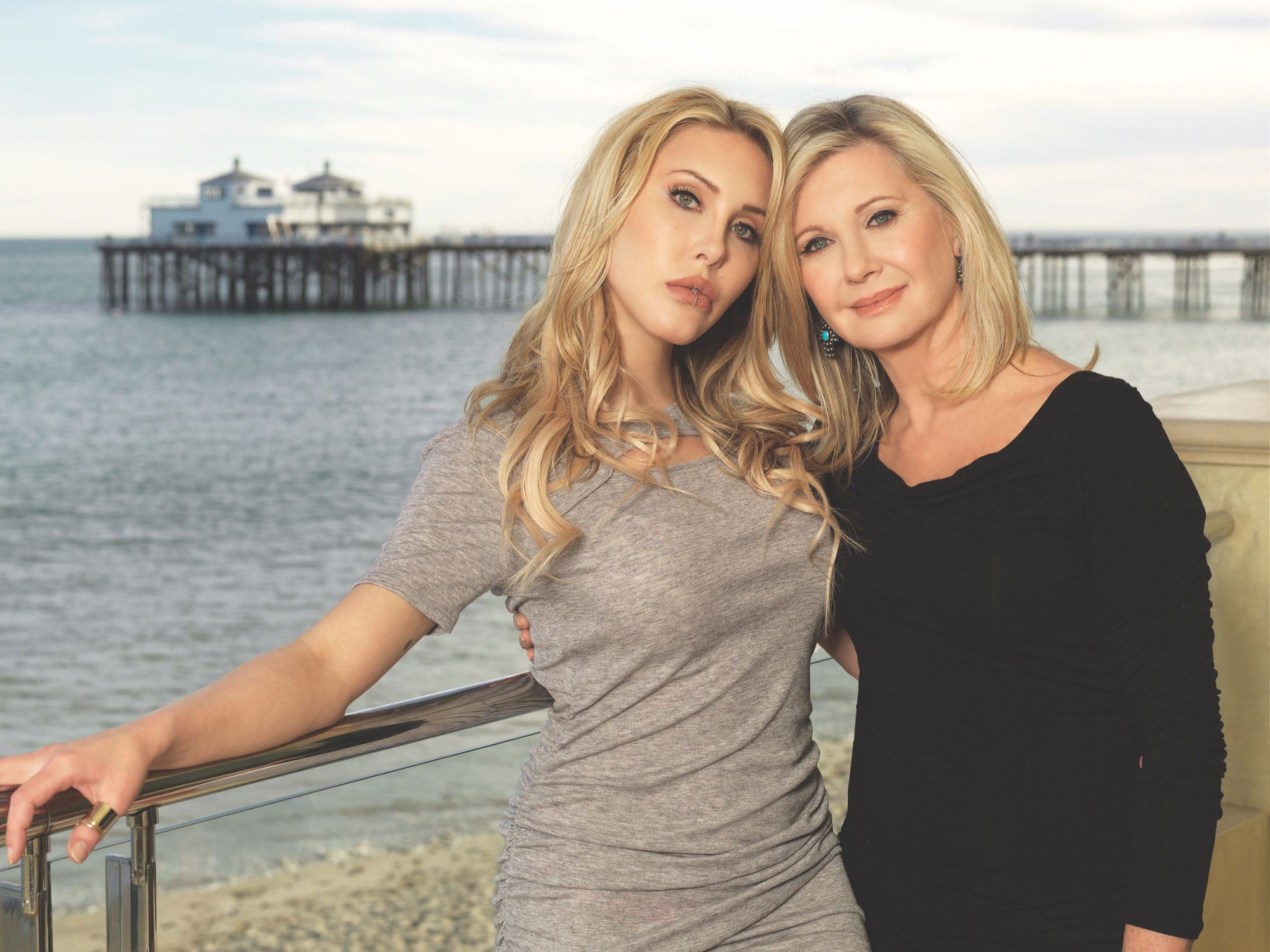
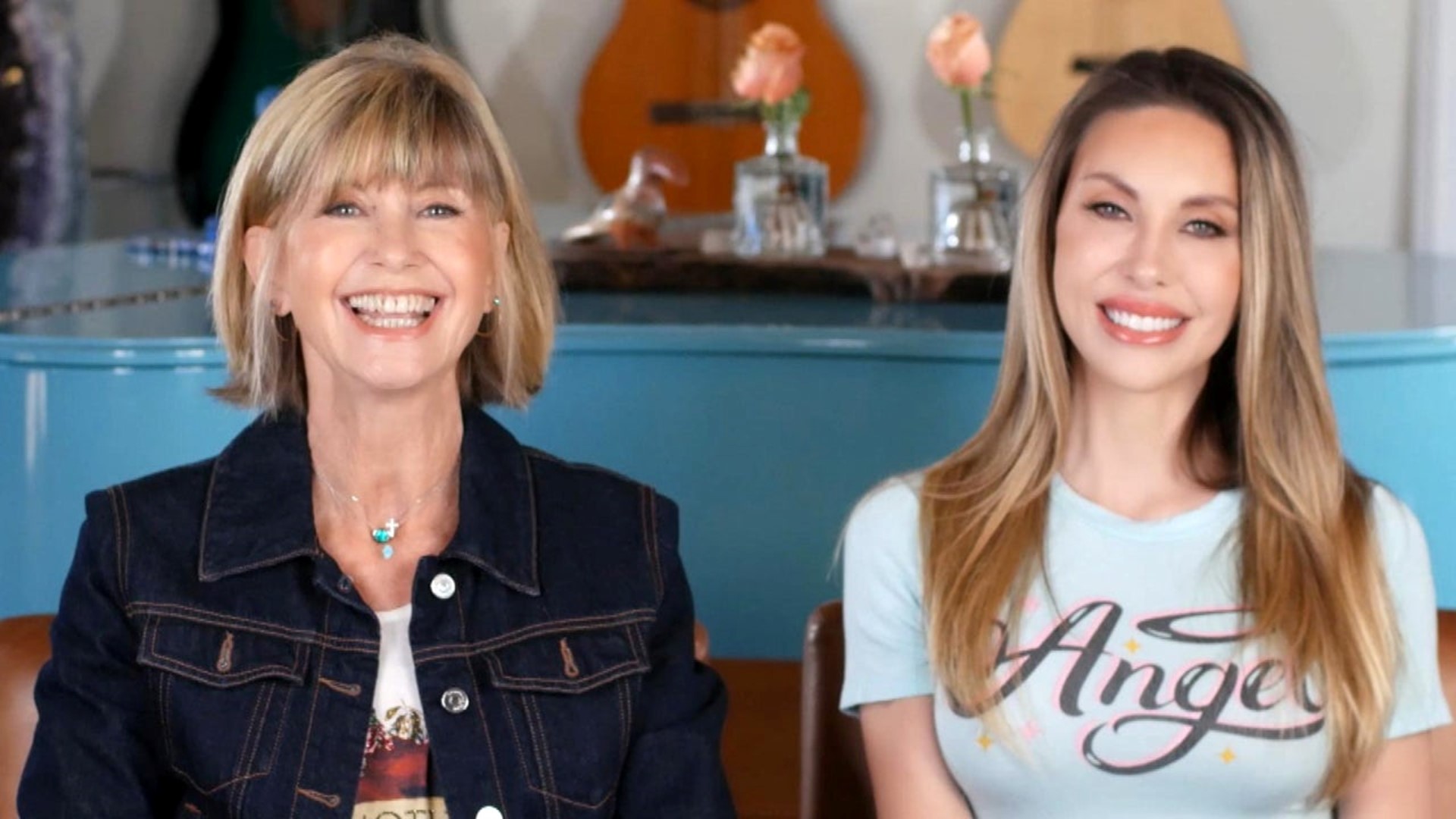
Since the passing of Olivia Newton-John in August 2022, the media’s portrayal of Chloe Lattanzi has undergone a significant transformation. As of 2026, the imagery has shifted from "troubled daughter" to "steadfast advocate." Pictures of Chloe now frequently feature her at the Olivia Newton-John Cancer Wellness & Research Centre or leading the annual "Walk for Wellness" in Melbourne.
Authenticity vs. Paparazzi Narrative
In 2026, the primary source for pictures of Chloe Lattanzi has moved from third-party paparazzi to her own curated social media presence. This shift has allowed her to control the visual narrative surrounding her life. Key themes in modern media photos include:
- Environmental Activism: Photos of her living on her farm in Oregon, emphasizing a sustainable, quiet lifestyle.
- Legacy Events: Professional photography from state memorials and charity galas where she represents the Newton-John estate.
- Health and Recovery: Candid images and videos where she speaks openly about grief and mental health, often used by wellness publications as inspirational content.
This "reclamation of the image" is a common trend among celebrities who were previously targeted by the tabloid press. By providing her own high-resolution content to the media, Chloe ensures that the photos accompanying news stories reflect her current reality rather than past controversies.
Media Ethics and the Scrutiny of Celebrity Children
The visual history of Chloe Lattanzi raises important questions about the ethics of photographing the children of famous figures. For decades, the media used pictures of Chloe to sell magazines based on her personal challenges. This type of coverage often ignored the psychological impact of such intense public observation.
Modern media standards in 2026 have evolved, with many major outlets adopting stricter guidelines regarding the use of "unauthorized" or "distressing" images of celebrities during vulnerable moments. The transition in Chloe’s media presence—from being a subject of speculation to a voice for wellness—mirrors a broader societal shift toward more empathetic celebrity reporting.
Frequently Asked Questions
Why did the media focus so much on Chloe Lattanzi's appearance?
The media focus was largely driven by her mother’s status as a global beauty and wellness icon. Tabloids used "comparison photography" to create sensational stories about the pressures of living up to a famous parent's image. This was particularly prevalent during the peak of the "paparazzi era" in the late 2000s.
Where can I find official, recent pictures of Chloe Lattanzi in 2026?
Official and current imagery is most reliably found through the Olivia Newton-John Foundation Fund website and Chloe’s verified social media profiles. These sources provide pictures related to her ongoing work in cancer research advocacy and her personal life on her farm.
How has Chloe Lattanzi reacted to her media portrayal?
Chloe has been remarkably candid in interviews regarding the "trauma" of her early media treatment. In recent years, she has used her platform to discuss how the media’s obsession with her body image contributed to her past struggles with anorexia and addiction, effectively turning the media's own tools into a platform for awareness.
Are there any recent documentaries featuring pictures of her and her mother?
Yes, several retrospective documentaries produced between 2023 and 2025 utilize archival family photos and never-before-seen home movies. These projects were authorized by the family to provide a more authentic look at their private life than the tabloids offered.
Who manages the rights to pictures of Chloe and Olivia Newton-John?
Generally, professional images from red carpets and films are owned by the respective photographers or agencies (such as Getty Images). Personal family photos are managed by the Newton-John Lattanzi Trust, which oversees the use of their likeness for charitable and commercial purposes.
Practical Recommendation: Navigating Celebrity Archives
When researching or viewing "pictures of olivia newton johns daughter in the media," it is important to distinguish between authorized professional photography and speculative tabloid imagery. For a factual understanding of her life and career, prioritize images from reputable news organizations, official foundation websites, and her verified social media channels. Avoid sites that rely on outdated "paparazzi" shots or unsourced "before and after" comparisons, as these are often stripped of context and do not reflect her current status as a wellness advocate in 2026.
Image Gallery