How Old is Mark Andrews? Age, Career Milestones, and Longevity Outlook
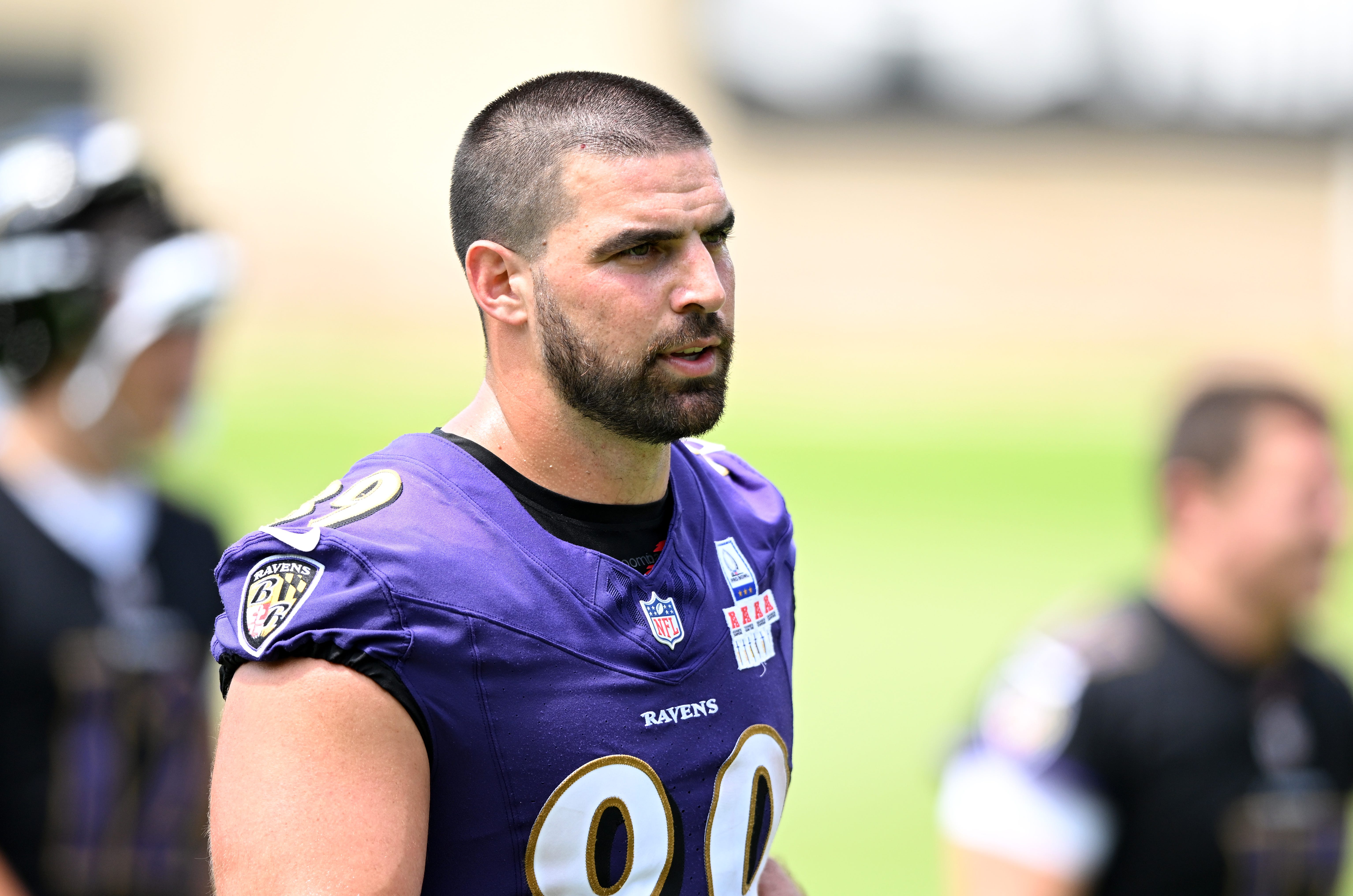
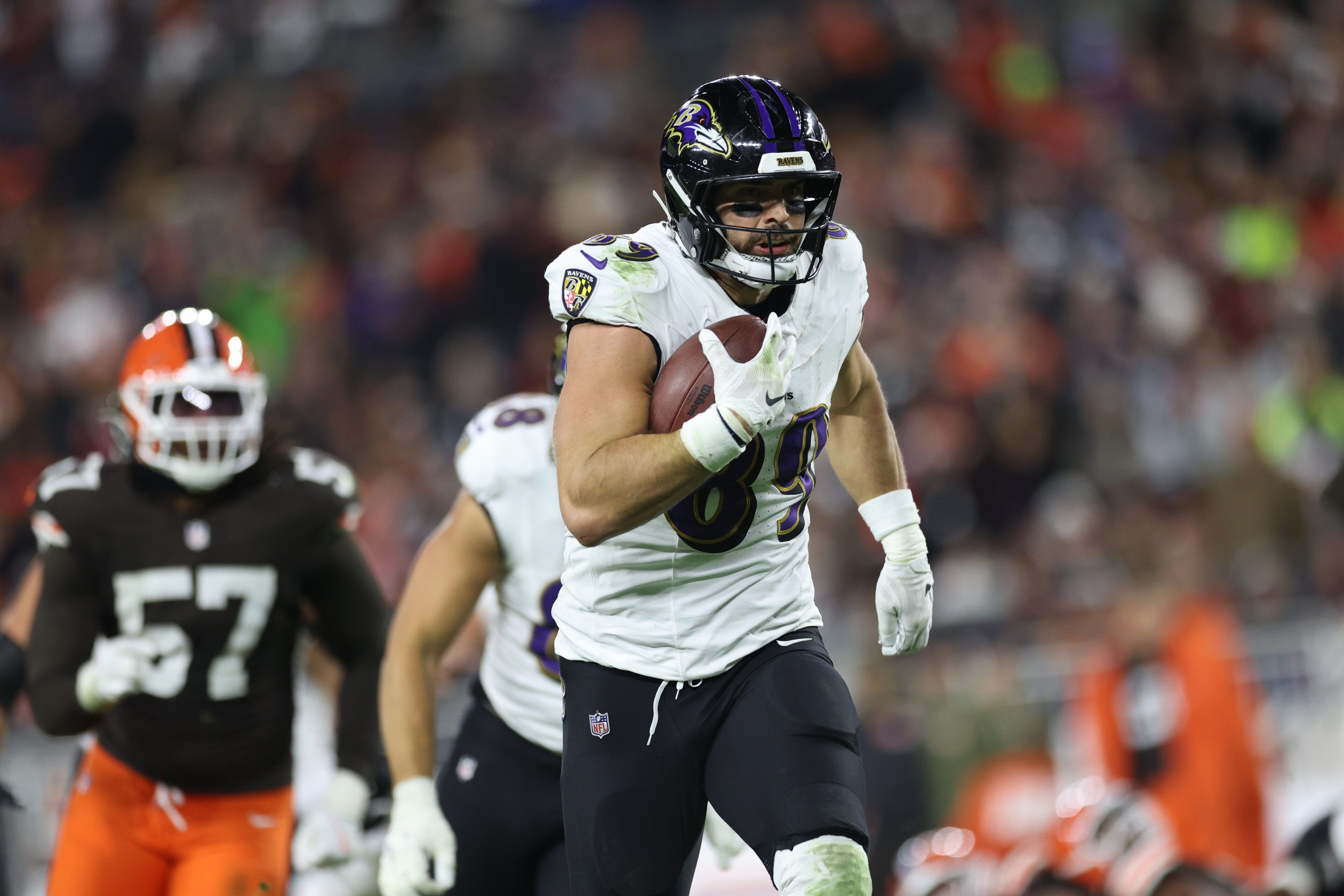
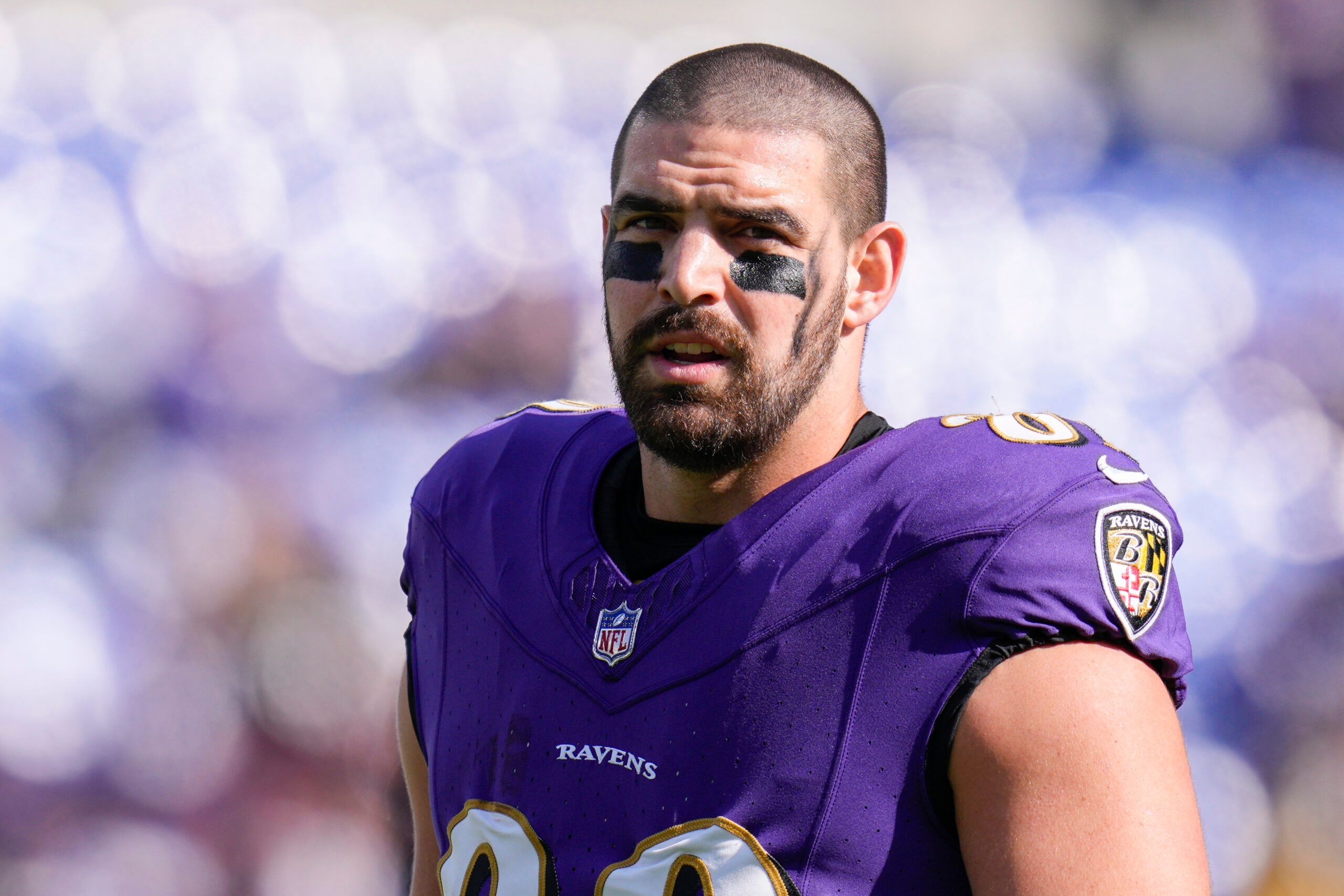
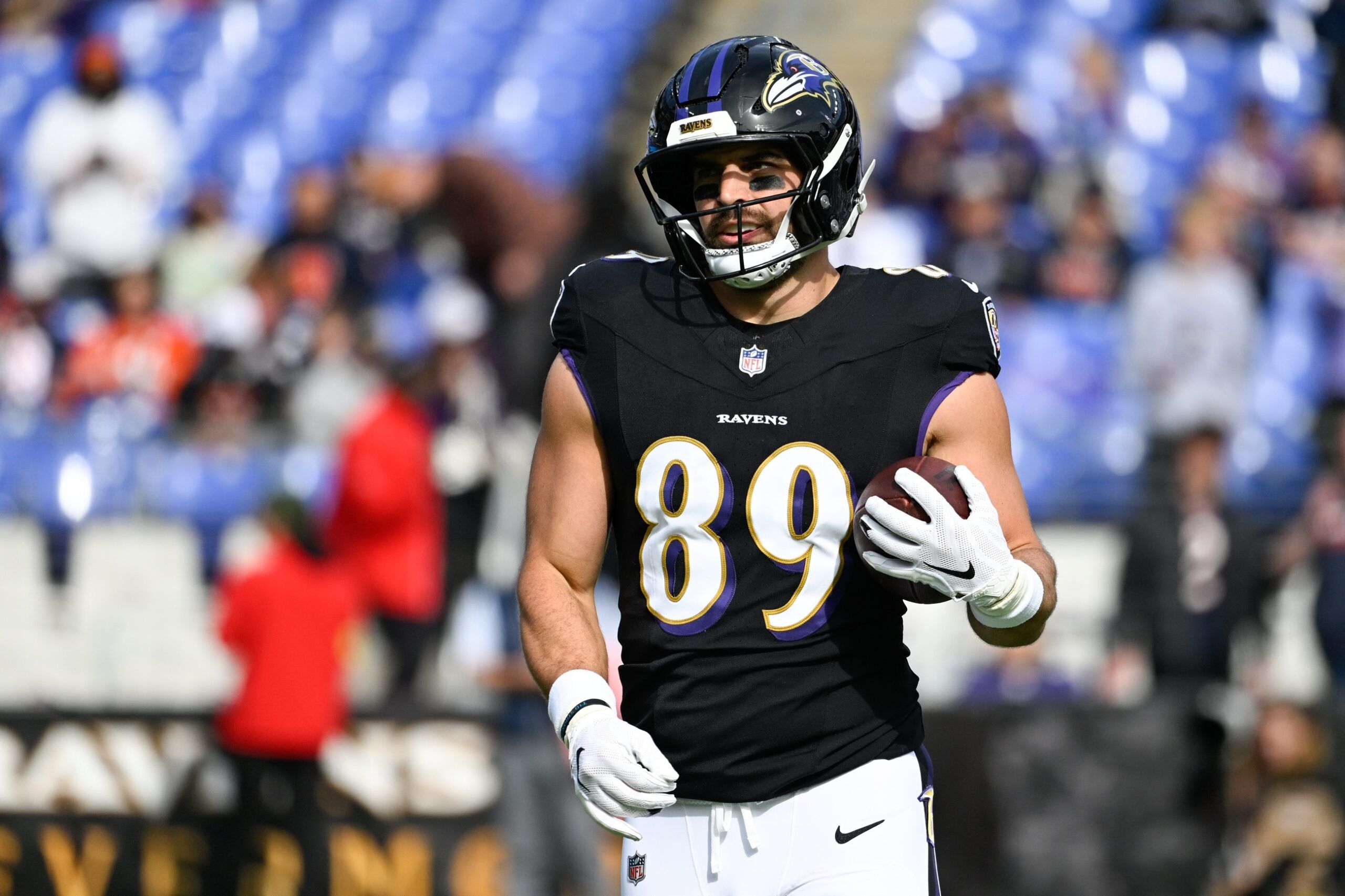
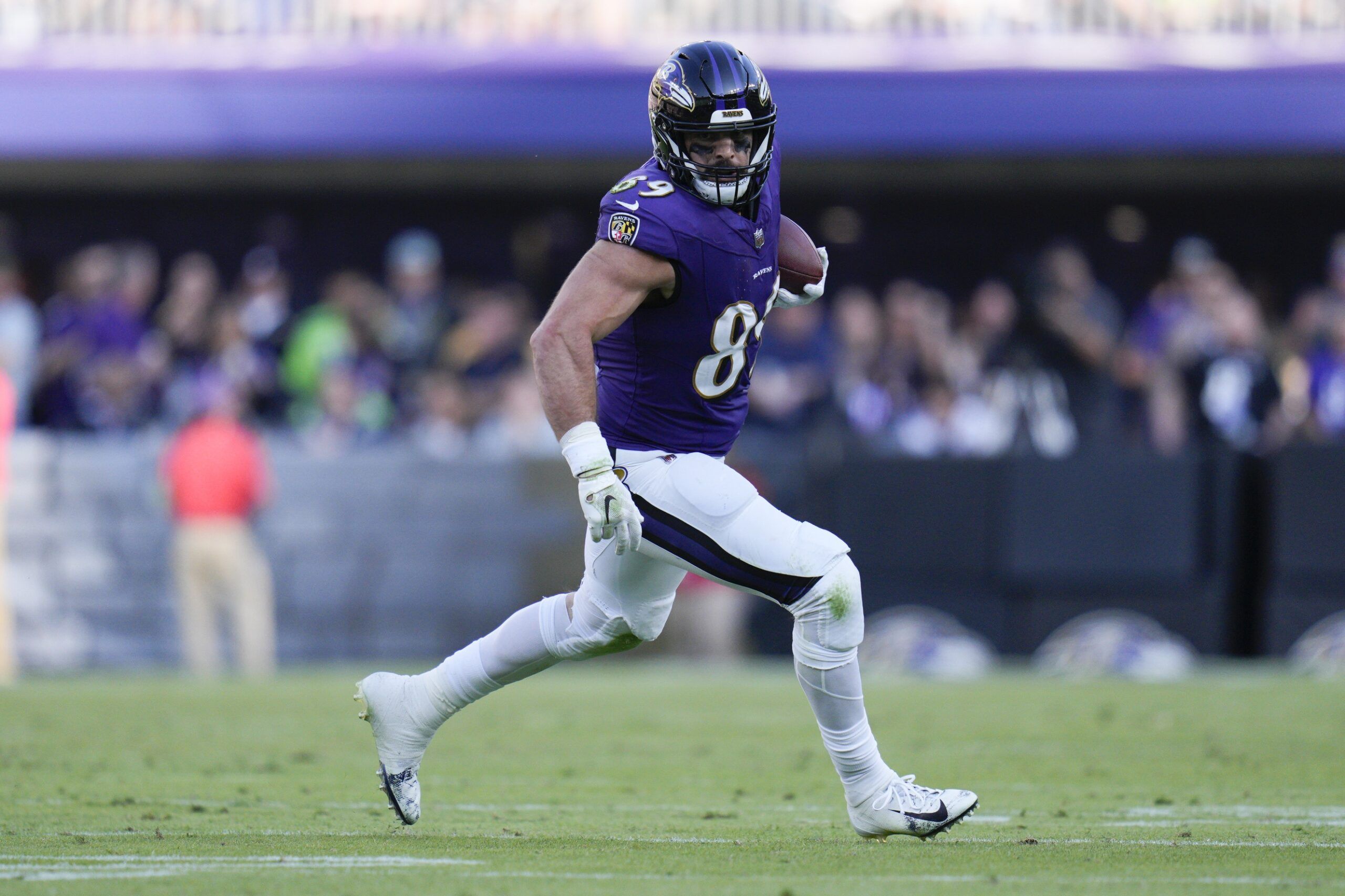
As of 2026, Mark Andrews is 30 years old. Born on September 6, 1995, in Scottsdale, Arizona, the veteran Baltimore Ravens tight end will celebrate his 31st birthday during the early weeks of the 2026 NFL season. Since entering the leag...
As of 2026, Mark Andrews is 30 years old. Born on September 6, 1995, in Scottsdale, Arizona, the veteran Baltimore Ravens tight end will celebrate his 31st birthday during the early weeks of the 2026 NFL season. Since entering the league in 2018, he has established himself as an elite offensive weapon.
Contents
Mark Andrews’ Current Age and Vital Statistics
To understand Mark Andrews’ current standing in the NFL, one must first look at the timeline of his life and career. Born in late 1995, Andrews occupies a specific generational window in the NFL—he is no longer a "young" prospect, but he remains within the prime window for high-level tight end performance.
In the context of the 2026 season, Andrews is navigating his ninth year in the league. For a position as physically demanding as tight end, reaching age 30 is a significant milestone. It marks the transition from the explosive athletic peak of one’s mid-20s to the "veteran savvy" phase, where route-running precision and defensive recognition often compensate for any marginal loss in raw sprinting speed.
Birthplace and Early Development
Andrews was raised in Scottsdale, Arizona, attending Desert Mountain High School. His age during his high school years was notable because he played as a wide receiver, utilizing a frame that was already massive compared to his peers. By the time he was 18, his physical profile and statistical output made him one of the most sought-after recruits in the nation. His decision to attend the University of Oklahoma set the stage for his conversion to tight end, a move that would define his professional trajectory.
The Physical Profile of a Veteran Tight End
While age is a primary metric for longevity, physical stature and health management are equally important. As a 30-year-old in 2026, Andrews has maintained a remarkably consistent physical profile.
- Height: 6'5" (196 cm)
- Weight: Approximately 250 lbs (113 kg)
- Position: Tight End (TE)
- Hand Size: 9 1/2"
At age 30, the maintenance of this 250-pound frame requires significant discipline. Tight ends are asked to act as both offensive tackles (blocking 270-pound defensive ends) and wide receivers (outrunning 200-pound safeties). The accumulated "trench work" can often age a player faster than their chronological years might suggest. However, Andrews has benefited from the Baltimore Ravens' advanced sports science programs, which focus on load management and recovery.
Managing Health at Age 30: The Diabetes Factor
A defining aspect of Mark Andrews’ life and career is his management of Type 1 Diabetes, which he was diagnosed with at age 9. In 2026, with over two decades of experience managing the condition, Andrews is considered a gold standard for professional athletes with chronic health requirements.
Managing blood sugar levels becomes more complex as an athlete ages and their metabolism shifts. Andrews uses a continuous glucose monitor (CGM) and works closely with the Ravens' nutritional staff to ensure his energy levels remain stable during the grueling four-quarter stretches of an NFL game. His ability to perform at an All-Pro level at age 30 while managing diabetes serves as an inspiration for younger athletes facing similar health challenges.
Career Timeline: From Rookie to Veteran Leader
Mark Andrews' journey to 2026 is marked by steady growth and consistent production. By looking at his age at each major milestone, we can see the arc of a potential Hall of Fame career.
The Oklahoma Years (Ages 19–22)
During his time with the Sooners, Andrews won the Mackey Award (given to the nation's best tight end) at age 22. He opted to bypass his final year of eligibility to enter the NFL Draft, a move that allowed him to start his professional clock earlier than some of his peers.
The Early Professional Years (Ages 23–25)
Drafted in the third round of the 2018 NFL Draft (86th overall), Andrews entered a Ravens locker room that was undergoing a massive transition. He was 23 years old during his rookie season, which coincided with the emergence of quarterback Lamar Jackson. This partnership became the cornerstone of the Ravens' offense for the next decade. By age 24, Andrews was a Pro Bowler, proving that his age and maturity were advanced for his experience level.
Reaching the All-Pro Peak (Ages 26–28)
The 2021 season was Andrews’ statistical zenith. At age 26, he recorded over 1,300 receiving bytes and nine touchdowns, earning First-Team All-Pro honors. This period established him as one of the few tight ends capable of matching the production of elite wide receivers. Between ages 26 and 28, Andrews was arguably the most targeted player in the Baltimore offense, serving as the "safety valve" for the passing game.
Tight End Aging Curves: What to Expect at 30+
In the NFL, age 30 is often viewed as a crossroads. Statistical analysis of the tight end position shows that while many players see a decline in production after 30, elite "move" tight ends (those who specialize in receiving) can often extend their primes into their mid-30s.
Historical Comparisons
When evaluating Mark Andrews' future at age 30, it is helpful to look at the trajectories of other legendary tight ends:
- Tony Gonzalez: Remained highly productive until his retirement at age 37, recording 800+ yards in his age-30 season.
- Travis Kelce: Experienced some of his most prolific seasons after turning 30, proving that modern training can push the "cliff" further back.
- Antonio Gates: Continued to be a primary red-zone threat well into his 30s due to his size and basketball-style positioning.
Andrews fits this mold. He does not rely solely on vertical speed; instead, his game is built on elite hand-eye coordination, body positioning, and a telepathic understanding of zone coverages. These traits tend to age better than pure "burner" speed.
Comparative Profile: Elite TEs in 2026
| Player | Current Age (2026) | Draft Year | Career All-Pro Honors | Primary Skillset |
|---|---|---|---|---|
| Mark Andrews | 30 | 2018 | 3+ | Intermediate Routing / Red Zone |
| George Kittle | 32 | 2017 | 4+ | YAC / Elite Blocking |
| Travis Kelce | 36 | 2013 | 7+ | Spatial Awareness / Veteran Savvy |
| Sam LaPorta | 25 | 2023 | 1+ | Youthful Explosiveness |
The Impact of Age on Contract and Value
In 2026, Mark Andrews’ age is a central factor in his market value. NFL teams are often hesitant to offer long-term, fully guaranteed contracts to skill position players over 30. However, the tight end market is unique because the supply of elite talent is so low.
At 30, Andrews is likely on the second or third major contract of his career. His value to the Ravens extends beyond his individual stats; he serves as a locker room leader and a mentor to younger players. For Baltimore, keeping a 30-year-old Andrews is about maintaining the chemistry he has with his quarterback—a factor that cannot be easily replaced by a younger, faster rookie.
Frequently Asked Questions
When is Mark Andrews' birthday?
Mark Andrews was born on September 6, 1995. This usually means his birthday falls during the final week of the NFL preseason or the first week of the regular season, often making it a point of celebration within the team as the new campaign kicks off.
Is Mark Andrews still playing in 2026?
Yes, as of the 2026 season, Mark Andrews remains a cornerstone of the Baltimore Ravens' offense. Despite the physical toll of the position, he has maintained a high level of availability throughout his late 20s and into his 30s.
How does his age compare to his quarterback, Lamar Jackson?
Mark Andrews is approximately 16 months older than Lamar Jackson (born January 1997). Having entered the league in the same draft class (2018), the duo has aged together within the Ravens' system, contributing to one of the most synchronized quarterback-receiver connections in modern football.
Has age affected his performance?
While every player undergoes physical changes as they reach 30, Andrews has adapted his game. In 2026, he may have a slightly lower average depth of target (aDOT) compared to his 24-year-old self, but his catch rate and efficiency in the "red area" (inside the opponent's 20-yard line) remain among the best in the league.
What is the expected retirement age for tight ends like Andrews?
Most elite tight ends who avoid catastrophic injury play until they are 33 to 35. Given his specific skill set and his meticulous approach to health (managing diabetes), it is widely expected that Andrews could play at a high level through the 2028 or 2029 seasons if he chooses to.
Conclusion and Recommendations
At 30 years old, Mark Andrews is in a pivotal "legacy-building" phase of his career. He has transitioned from a young star to a veteran statesman of the NFL. For fans and analysts, the focus in 2026 is no longer on whether he has the "potential" to be great, but rather on how long he can sustain his current Hall of Fame-caliber trajectory.
Next Actions for Fans and Collectors:
- Monitor Snap Counts: As Andrews ages, look for the Ravens to use more two-tight end sets to reduce his blocking burden and keep him fresh for third downs.
- Evaluate Historical Context: Watch how his 2026 statistics compare to the "age 30" seasons of players like Jason Witten or Tony Gonzalez to gauge his Hall of Fame path.
- Health Advocacy: Follow Andrews’ work with diabetes foundations, as his age and platform continue to make him a vital figure in the T1D community.
Image Gallery