Understanding the Physicality and Career Evolution of Frank Thomas
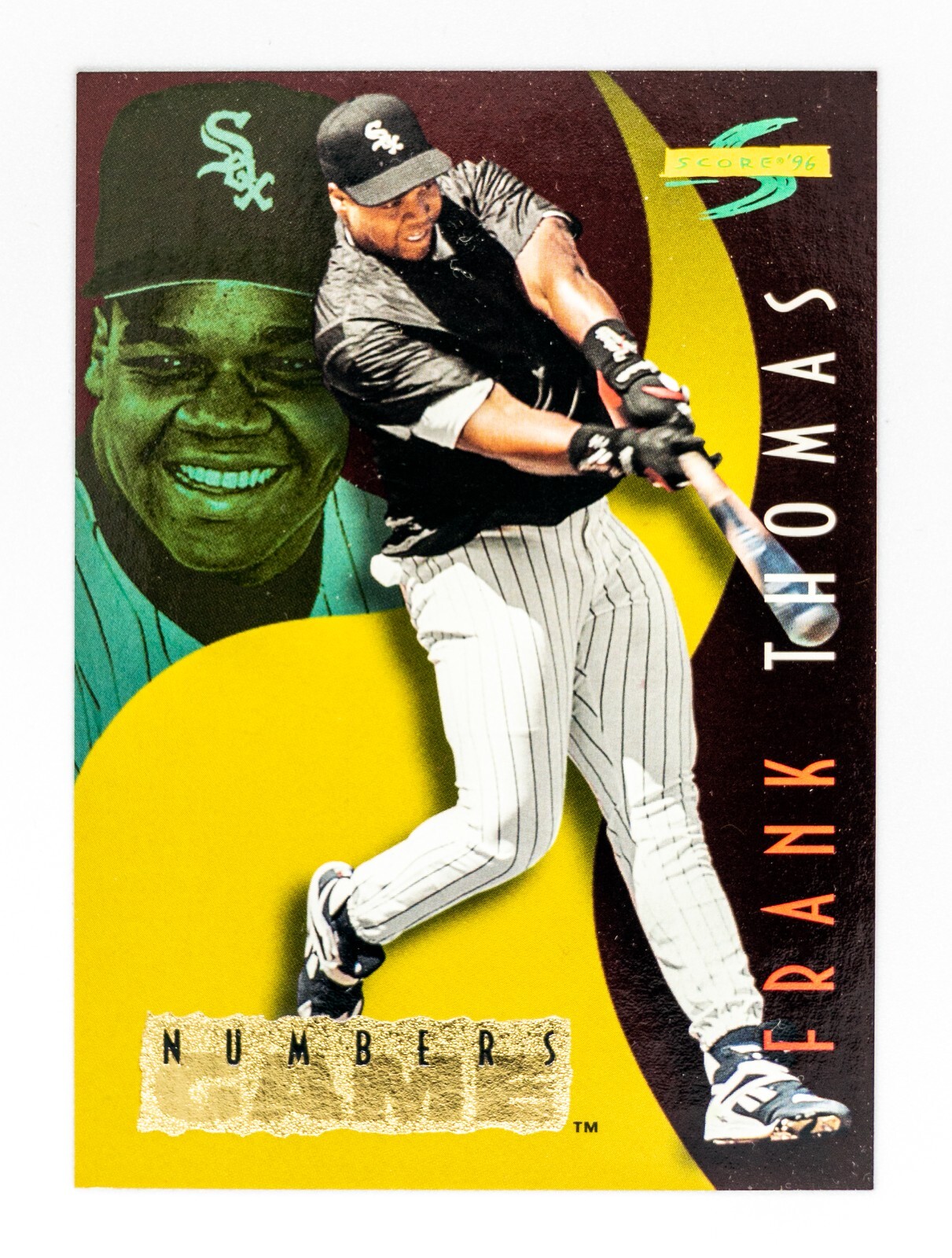
Frank Thomas, the legendary "Big Hurt" of Major League Baseball, is widely remembered for his imposing physical presence during his Hall of Fame career. Standing 6 feet 5 inches tall, Thomas maintained a playing weight typically listed...
Frank Thomas, the legendary "Big Hurt" of Major League Baseball, is widely remembered for his imposing physical presence during his Hall of Fame career. Standing 6 feet 5 inches tall, Thomas maintained a playing weight typically listed between 240 and 275 pounds throughout his tenure with the Chicago White Sox, Oakland Athletics, and Toronto Blue Jays, serving as a prototype for the modern power-hitting first baseman and designated hitter.
Contents
The Physical Profile of The Big Hurt
Frank Thomas entered Major League Baseball in 1990 as a uniquely built athlete. Unlike many power hitters of his era who relied heavily on raw bulk, Thomas was renowned for his athletic coordination, which belied his massive frame. His nickname, "The Big Hurt," was coined by teammate Ken Williams in 1992, perfectly encapsulating both his ability to inflict damage on baseballs and his formidable physical stature.
Throughout his playing days, his weight was a subject of consistent media attention, primarily because it fluctuated based on the rigorous demands of a 162-game schedule and various injuries. At his peak, Thomas utilized his mass to generate immense bat speed, a technical requirement for his disciplined approach at the plate. While he was often listed in official media guides at 250 or 257 pounds, team management and analysts frequently observed that he played at a higher effective weight during his most productive seasons, relying on his lower-body stability to drive balls into the gaps and over the outfield walls.
Weight Management and Performance Metrics
For a professional baseball player of Thomas's size, maintaining weight is not merely about body mass, but about the distribution of lean muscle versus body fat relative to the explosive requirements of hitting. Baseball requires a unique combination of high-intensity, short-duration power (the swing) and long-duration endurance (daily travel and playing).
Thomas’s career can be segmented into phases where his physical condition directly impacted his availability:
- The Early Power Years (1990–1997): During this period, Thomas won consecutive American League MVP awards (1993, 1994). He moved with fluidity, and his weight was optimally managed to support both his fielding at first base and his base running, which was significantly more aggressive during his younger years.
- The Middle Transition (1998–2003): As Thomas endured various foot and ankle injuries—most notably plantar fasciitis—his ability to perform strenuous lower-body conditioning was hampered. During this time, maintaining a lower weight became a primary medical directive to alleviate stress on his lower extremities.
- The DH Evolution (2004–2008): As he shifted almost exclusively to the designated hitter role, the physical requirements changed. While he could carry more weight without the daily burden of playing the field, he had to combat the natural aging process, which typically leads to muscle atrophy or metabolic shifts.
Comparing Physical Profiles of Power Hitters
The following table illustrates the typical physical dimensions of Hall of Fame caliber power hitters from the late 20th century to contextualize Thomas’s build.
| Player | Height | Listed Weight (lbs) | Primary Position |
|---|---|---|---|
| Frank Thomas | 6'5" | 240–275 | 1B / DH |
| Jeff Bagwell | 6'0" | 215 | 1B |
| Mark McGwire | 6'5" | 250 | 1B |
| Ken Griffey Jr. | 6'3" | 205 | CF |
| David Ortiz | 6'3" | 230 | DH |
Note: Weights listed are historical averages from official MLB media guides during peak career years. Actual playing weights often fluctuated by 10-15 pounds depending on the season stage.
Nutritional and Training Demands
The training regimens of the 1990s and early 2000s differed significantly from contemporary sports science. In 2026, we look back at the era of Frank Thomas as a time when nutrition was less data-driven than it is today. Thomas was known for a "see-ball, hit-ball" mentality, but the sheer physical toll of playing professional baseball meant that he had to be conscious of his caloric intake to maintain the energy required for his high-volume batting practice sessions.
Athletes of his size often struggled with the "wear and tear" of the game. Weight is not just about muscle; it is about joint health. Thomas’s history of lower-body injuries highlights the difficulty of sustaining a high-power frame while performing the repetitive, high-torque motions required for a professional swing. By the time he reached the latter stages of his career, his management of that weight was largely focused on inflammation control and injury prevention rather than pure athletic development.
The Role of Body Composition in Baseball
In modern baseball analysis, "weight" is often a secondary metric compared to "body composition." Teams today utilize bioelectrical impedance analysis and DXA scans to measure body fat percentage and muscle mass distribution. In the 1990s, the focus was primarily on scale weight. If a player was "big," they were expected to provide power.
Frank Thomas defied the typical "heavy" player trope because he possessed an elite eye and a compact, efficient swing path. While his size provided the necessary leverage to drive the ball, his patience and strike-zone discipline were the actual keys to his success. The "Big Hurt" name resonated because of his ability to remain a feared hitter regardless of minor weight fluctuations, proving that technique and mental acuity are often the final arbiters of performance in professional sports.
Frequently Asked Questions
1. Was Frank Thomas considered overweight during his playing career? No. While Frank Thomas was a large athlete, he was categorized by trainers as having a "power build." In professional baseball, weight is categorized by a player's ability to remain durable; his periodic struggles were related to foot injuries common to his size, rather than being classified as overweight by team medical staff.
2. How did injuries affect Frank Thomas’s weight? Injuries like plantar fasciitis restricted his ability to conduct aerobic exercise and heavy leg training. When a player cannot engage in high-impact training, maintaining a target playing weight becomes a complex challenge involving dietary caloric restriction rather than physical expenditure.
3. Did Frank Thomas’s weight change his position on the field? His transition from first base to designated hitter was influenced by a combination of age, health, and the need to preserve his bat in the lineup. While his weight was a factor in his mobility, the primary driver for his move to DH was the accumulation of lower-body stress over nearly two decades of professional play.
4. How does his size compare to modern designated hitters? Thomas was ahead of his time. Today, the role of the designated hitter is occupied by players with similar physical dimensions (often 6'3" to 6'6" and 240+ pounds). Thomas helped set the standard for the modern, physically imposing power-hitting DH.
5. What is the impact of player weight on MLB career longevity? Generally, excessive weight on a frame can increase the risk of soft-tissue injuries and joint strain. However, for elite power hitters like Thomas, the weight is necessary for kinetic chain energy. The key for players like him is managing the ratio of power-to-flexibility to ensure the player can survive the rigors of a 162-game season.
Next Steps for Enthusiasts
If you are researching the specific physiological history of baseball players, the best resources are the official "Baseball-Reference" historical archives or the MLB.com statistical archives. These databases provide accurate, year-by-year physical measurements for nearly every player in league history. For those interested in the evolution of athletic conditioning, studying the difference between 1990s training methods and current, precision-based nutritional science provides a compelling look into why players like Frank Thomas remain the benchmarks for power-hitting excellence in 2026.
Image Gallery