The Rise to Notoriety: How Jeffrey Epstein Became Famous
Jeffrey Epstein became famous by transitioning from a Brooklyn-born math teacher to a high-powered Wall Street financier, primarily through his enigmatic relationship with billionaire Leslie Wexner. His fame was later solidified by his...
Jeffrey Epstein became famous by transitioning from a Brooklyn-born math teacher to a high-powered Wall Street financier, primarily through his enigmatic relationship with billionaire Leslie Wexner. His fame was later solidified by his cultivation of a global network of elites and his subsequent 2008 conviction and 2019 arrest for sex trafficking.
Contents
The trajectory of Jeffrey Epstein’s life is a case study in social engineering, financial opacity, and the exploitation of institutional loopholes. To understand how he became a household name—initially as a mysterious billionaire and later as a symbol of systemic failure—one must look at the specific milestones that allowed a college dropout to access the world’s most exclusive circles.
The Early Years: From Brooklyn to The Dalton School
The foundation of Epstein’s rise was not a massive inheritance or a traditional Ivy League pedigree. Born in 1953 in Coney Island, Brooklyn, Epstein grew up in a middle-class Jewish household. His initial path toward fame began with his aptitude for mathematics, which he used to secure a teaching position at The Dalton School, one of New York City’s most prestigious private institutions, despite lacking a college degree.
His appointment at Dalton in the mid-1970s was facilitated by Donald Barr, the school's headmaster (and father of former U.S. Attorney General William Barr). Teaching physics and mathematics to the children of Manhattan’s elite provided Epstein with his first significant social leverage. By educating the offspring of the city’s power brokers, he gained proximity to wealth and influence that a standard entry-level finance job would never have afforded him. It was here that he began to refine the persona of a brilliant, albeit unconventional, intellectual—a trait he would use for decades to charm academics and billionaires alike.
The Bear Stearns Breakthrough
In 1976, Epstein made a pivotal leap from academia to finance. He was recruited by Bear Stearns, an aggressive investment bank that valued his mathematical skills over his lack of formal credentials. Under the mentorship of Alan "Ace" Greenberg, Epstein rose rapidly through the ranks.
His time at Bear Stearns was marked by his work in the special strategy group, focusing on tax-saving strategies for high-net-worth individuals. This period is crucial to how he became famous because it provided him with the technical "financial wizardry" label he would later project. However, his tenure ended in 1981 following what the bank described as a breach of internal regulations. Rather than a setback, this departure allowed Epstein to form his own firm, J. Epstein & Co., and position himself as an exclusive wealth manager for a "billionaires-only" clientele.
The Leslie Wexner Catalyst
If Bear Stearns was his training ground, Leslie Wexner was the engine of Epstein’s massive wealth and social elevation. Wexner, the founder of L Brands (which owned Victoria’s Secret and Bath & Body Works), became Epstein's primary client in the late 1980s. This relationship is the single most important factor in how Epstein became wealthy enough to achieve international fame.
Wexner granted Epstein extraordinary power of attorney over his personal and corporate finances. This allowed Epstein to manage billions of dollars and take credit for Wexner’s financial successes. The association provided Epstein with:
- Financial Legitimacy: Access to Wexner’s capital allowed Epstein to purchase high-profile properties, such as the Herbert N. Straus Mansion in Manhattan.
- Social Entry: Being the "money man" for a retail titan opened doors to philanthropic boards and high-society events.
- A Private Air Force: Epstein’s acquisition of a Boeing 727 (the "L Brands" jet) was a direct result of his proximity to Wexner’s resources.
By the early 1990s, Epstein was no longer just a financier; he was a figure of intrigue in New York and Palm Beach, known for his vast wealth and the lack of clarity regarding how he actually earned it.
Social Engineering and the "Little Black Book"
As of 2026, sociologists and investigative journalists often point to Epstein’s "social engineering" as his most effective tool for gaining fame. He did not just manage money; he curated a network of scientists, politicians, and celebrities. He understood that powerful people are often drawn to others who can offer them exclusive experiences, intellectual stimulation, or privacy.
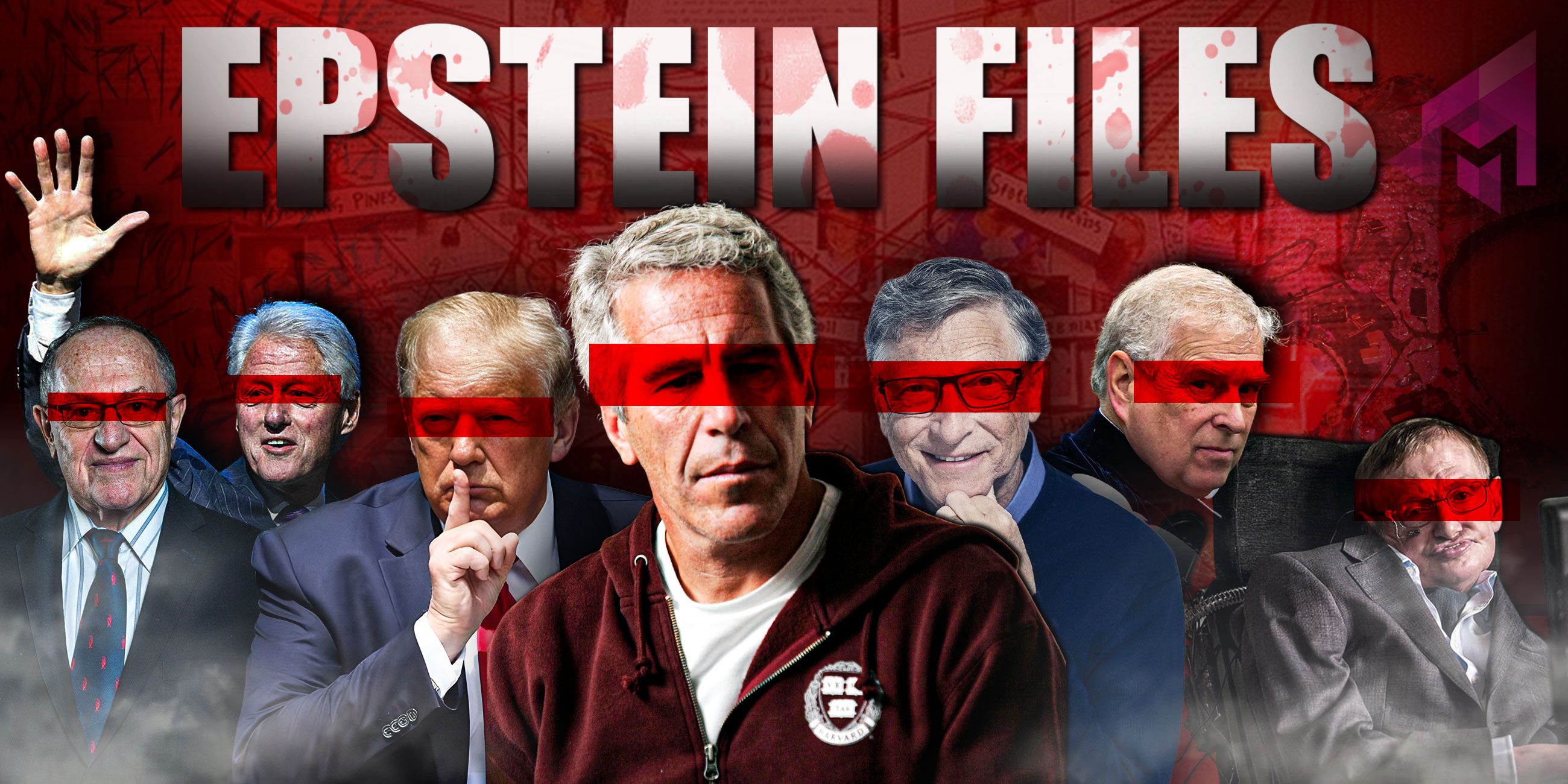
He famously courted world leaders and intellectuals, including Bill Clinton, Donald Trump, Prince Andrew, and various Nobel Prize-winning scientists. By hosting lavish dinner parties and providing private jet travel to exotic locations like his private island, Little St. James, he made himself indispensable to a specific tier of global society. This "fame by association" created a shield of perceived importance that deterred scrutiny for years.
The Transition from Famous to Infamous (2005–2008)
Epstein’s fame took a dark turn in 2005 when the Palm Beach Police Department began investigating allegations of sexual misconduct involving a minor. This period marked the transition from "mysterious billionaire" to "alleged predator." The subsequent 2008 non-prosecution agreement (NPA), brokered by U.S. Attorney Alexander Acosta, became a subject of intense public debate and legal analysis.
The leniency of the sentence—which allowed Epstein to serve only 13 months in a work-release program despite evidence of a vast conspiracy—actually increased his notoriety. It sparked questions about the existence of a "double standard" for the wealthy, ensuring that his name remained in the headlines of major publications like the Miami Herald and The New York Times.
Global Notoriety and the 2019 Arrest
The final stage of how Jeffrey Epstein became famous occurred in July 2019, when he was arrested by federal authorities in New York on sex trafficking charges. The scale of the allegations, combined with the high-profile nature of his associates, turned the case into a global media phenomenon. His death in a federal jail cell in August 2019 did not end the fame; instead, it fueled a wave of documentaries, books, and investigative reports that have kept his name in the public consciousness through 2026.
| Key Milestone | Year | Impact on Fame/Notoriety |
|---|---|---|
| Hired at Dalton School | 1974 | Entry into the social circles of Manhattan's elite families. |
| Joins Bear Stearns | 1976 | Establishes credentials as a "financial wizard." |
| Meets Leslie Wexner | 1987 | Gains access to billionaire-level capital and power of attorney. |
| Buys Manhattan Mansion | 1996 | Solidifies status as one of New York’s wealthiest private citizens. |
| Florida Conviction | 2008 | Becomes a symbol of judicial inequality and high-society scandal. |
| Federal Arrest | 2019 | Achieves permanent global infamy and triggers systemic investigations. |
Why the World Remained Obsessed
The enduring nature of Epstein’s fame in 2026 is largely due to the "unanswered questions" regarding his source of wealth and his alleged intelligence connections. Many investigative efforts have focused on whether his financial firm was a legitimate enterprise or a front for other activities. The lack of a clear "paper trail" for his earnings, combined with his high-level social access, has made him a central figure in modern discourse regarding power, corruption, and accountability.
Furthermore, the trials of his associates, most notably Ghislaine Maxwell, have acted as sequels to the original Epstein story, ensuring that the mechanics of how he built his empire are regularly revisited by the public and the legal system.
FAQs About Jeffrey Epstein’s Rise
Did Jeffrey Epstein actually manage money for anyone besides Leslie Wexner?
While Epstein claimed to manage money for many billionaires, investigative reports have struggled to find any major clients other than Leslie Wexner. It is widely believed that his primary source of wealth and legitimacy was derived almost exclusively from his decade-long control over Wexner’s finances.
How did Epstein get a job at Dalton without a degree?
Epstein was hired by Donald Barr, who reportedly valued Epstein's mathematical brilliance and teaching style over formal academic requirements. At the time, private schools had more flexibility in hiring practices, and Epstein’s personality allowed him to bypass traditional vetting.
What role did Ghislaine Maxwell play in his fame?
Ghislaine Maxwell, the daughter of British media mogul Robert Maxwell, provided Epstein with access to European royalty and high-society circles that he likely could not have entered on his own. She served as his social "gatekeeper" and was instrumental in curating the network that defined his public image.
Was Epstein’s fame related to his scientific philanthropy?
Yes. Epstein spent millions of dollars funding scientific research and hosting conferences for elite physicists and biologists. By associating with intellectual giants, he crafted a reputation as a "science philanthropist," which served to legitimize him in the eyes of the media and academia.
How is his fame viewed in 2026?
By 2026, Epstein is viewed less as a financier and more as a cautionary tale of institutional failure. His fame is now synonymous with the "Epstein Effect," a term used to describe how wealth can be used to bypass legal systems and buy social silence.
Practical Actions and Accountability
For those researching the history of white-collar crime or the mechanics of social engineering, the Epstein case remains a primary resource. To understand the legal complexities of his rise and fall, interested parties should consult the unsealed documents from the U.S. District Court for the Southern District of New York and the investigative reporting from the Miami Herald's Perversion of Justice series.
Understanding how such a figure rose to power is essential for identifying similar patterns of behavior in contemporary finance and philanthropy. Monitoring the ongoing civil suits and the distribution of the Epstein Victims' Compensation Fund provides insight into how the legal system continues to address the fallout of his actions.
Image Gallery