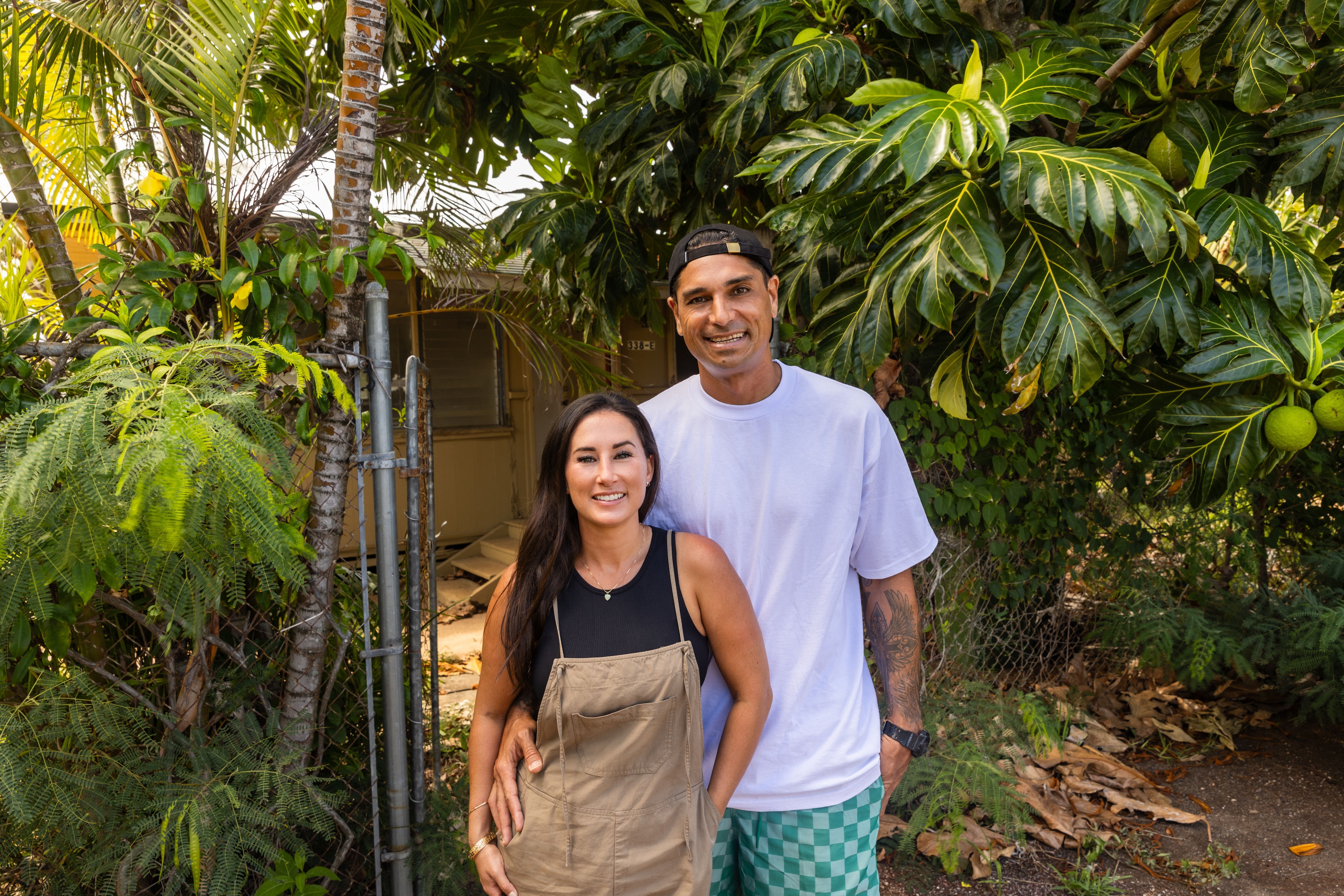
Navigating Renovation Aloha: A Guide to Sustainable Home Improvement in Hawaii
Renovation Aloha represents a philosophy and set of practices centered on balancing the unique architectural needs of Hawaiian homes with environmental stewardship and cultural respect. This approach emphasizes the use of locally sourc...
Renovation Aloha represents a philosophy and set of practices centered on balancing the unique architectural needs of Hawaiian homes with environmental stewardship and cultural respect. This approach emphasizes the use of locally sourced materials, climate-responsive design to mitigate high humidity and salt air corrosion, and strict adherence to island-specific building codes and permitting requirements.
Contents
Understanding the Philosophy of Renovation Aloha
The term "Renovation Aloha" is not merely a marketing label for construction in Hawaii; it is an ethos that requires contractors and homeowners to consider the long-term impact of their projects on the local ecosystem and community. Because Hawaii is geographically isolated, the supply chain for building materials is often carbon-intensive and prone to volatility. Renovation Aloha prioritizes resource efficiency, reducing waste, and selecting materials that can withstand the specific stressors of a tropical maritime environment.
Effective renovation in Hawaii requires a departure from mainland "big box" construction standards. The primary enemy of a home in Hawaii is moisture. With constant exposure to salt-laden trade winds and high humidity, building envelopes must be carefully managed to prevent dry rot, mold growth, and the oxidation of metal components. Projects grounded in this philosophy prioritize durable materials—such as fiber cement siding, high-grade stainless steel hardware, and specialized moisture-resistant interior paints—that require less frequent replacement, thereby reducing the lifecycle cost and environmental footprint of the home.
Prerequisites: Planning and Regulatory Compliance
Before beginning any renovation project in Hawaii, homeowners must navigate a complex landscape of regulations that vary by county. Whether you are in Honolulu, Maui, Hawaii, or Kauai, the initial planning phase is governed by specific land-use ordinances and building codes.
- Permitting Requirements: Almost all structural renovations, including bathroom remodels that involve moving plumbing or significant electrical upgrades, require a building permit. The Department of Planning and Permitting (DPP) or equivalent local body will evaluate your plans against seismic and wind-load requirements.
- Coastal Zone Management (CZM): If your property is near the shoreline, you must account for the Coastal Zone Management Act. Renovations in these areas are subject to stricter oversight to ensure they do not exacerbate erosion or damage the nearshore marine environment.
- Historical and Cultural Sensitivity: Many properties in Hawaii hold historical significance. Renovations must often comply with the State Historic Preservation Division (SHPD) guidelines. Failure to account for the presence of iwi (ancestral remains) or culturally significant artifacts can lead to immediate work stoppages and significant legal complications.
Material Selection for the Tropical Environment
One of the most critical aspects of a successful renovation is the selection of materials that perform well in a tropical climate. Traditional materials like untreated softwoods or standard carbon steel will deteriorate rapidly in Hawaii.
- Exterior Cladding: High-density fiber cement or natural basalt are preferred over wood, which is highly susceptible to termites (specifically the Formosan subterranean termite) and fungal decay.
- Hardware and Fasteners: The salt air creates an aggressive corrosive environment. All exposed exterior fasteners, hinges, and light fixtures should be marine-grade 316 stainless steel. Standard galvanized hardware often fails within three to five years in coastal proximity.
- Insulation and Ventilation: Modern renovation standards in Hawaii focus on "passive cooling." This involves maximizing cross-ventilation through strategic window placement and using radiant barriers in the roof assembly to minimize heat gain, reducing the reliance on energy-intensive air conditioning systems.
Comparison of Renovation Approaches
| Feature | Standard Mainland Renovation | Renovation Aloha Approach |
|---|---|---|
| Material Sourcing | Low-cost, high-volume imports | Preference for local, climate-resilient goods |
| Moisture Control | Standard vapor barriers | Advanced breathable membranes/venting |
| Pest Mitigation | Basic chemical treatment | Structural design to prevent termite entry |
| Waste Management | Standard landfill disposal | Salvage, repurposing, and specialized recycling |
| Design Focus | Aesthetic trends | Cultural integration and passive cooling |
Overcoming Common Renovation Pitfalls
The most common mistake homeowners make is assuming that "DIY" methods imported from the mainland are sufficient. Hawaii's specific challenges require a tailored approach.
Termite Management: The Formosan subterranean termite is a constant threat in Hawaii. Renovation plans must include professional subterranean barriers or baiting systems, especially when disturbing soil or foundation slabs. Merely replacing wood is insufficient; the root cause of access must be blocked.
Contractor Verification: Always verify that your contractor holds a valid license from the Hawaii Contractors License Board (CLB). A valid license ensures the contractor has met the necessary insurance and bonding requirements. Ask to see a Certificate of Insurance (COI) that specifically covers tropical building requirements and workers' compensation, as labor laws are strictly enforced in the state.
Supply Chain Delays: Hawaii’s reliance on shipping means that specialized materials may have long lead times. A common error is starting demolition before materials arrive on the island. A best practice under the Renovation Aloha framework is to confirm the delivery of all "long-lead" items—such as imported windows, flooring, or custom cabinetry—before starting the deconstruction phase of the project.
Sustainability and Cultural Respect
True Renovation Aloha integrates the concept of "Malama Aina" (caring for the land). This means that during the renovation, measures are taken to prevent construction runoff from entering storm drains or the ocean. Best Management Practices (BMPs) such as silt fencing and dust control measures are not optional—they are essential components of site management that protect the island’s delicate water quality.
Furthermore, integrating local design elements is a hallmark of this approach. This might include utilizing locally milled tropical hardwoods for finish work, sourcing volcanic stone for landscaping, or working with local artisans for cabinetry and fixtures. This not only reduces the carbon footprint associated with shipping but also helps sustain the local economy and preserves the unique aesthetic character of the Hawaiian Islands.
Frequently Asked Questions
Does Renovation Aloha apply to interior cosmetic changes? While the focus is often on structural resilience, the philosophy extends to interior design through the selection of low-VOC, non-toxic materials that improve indoor air quality in a humid environment where mold is prevalent.
How do I check if my contractor is licensed in Hawaii? You should visit the Hawaii Department of Commerce and Consumer Affairs (DCCA) Professional and Vocational Licensing (PVL) search page. Entering the contractor's name or license number will provide their current status, bond information, and any history of complaints.
Is it cost-effective to use local materials? While locally sourced materials can have a higher initial price point compared to mass-produced imports, they are often more durable and better suited to the local climate, leading to significant savings in maintenance and replacement costs over a 10-to-20-year period.
What is the most important step in hurricane-proofing a renovation? The most critical step is ensuring that all roof-to-wall connections are reinforced with hurricane clips or straps that meet current wind-load requirements. A structural engineer should be consulted to ensure your specific home’s framing can support these upgrades.
How can I manage waste during a renovation? Inquire with local transfer stations or specialized demolition recycling facilities. Many construction materials, such as metals and concrete, can be recycled on-island rather than added to the local landfills, which have limited capacity.
Next Steps for Your Project
To initiate a renovation, begin by defining the scope of work and conducting an audit of your home’s existing structural vulnerabilities. Once you have a clear list of objectives, engage a licensed architect or a general contractor familiar with Hawaii’s specific climate and regulatory landscape. Require that your project team provide a detailed plan that addresses moisture control, termite mitigation, and waste management. Before signing any contracts, verify that all permits are not only included in the bid but that the team has a clear timeline for the permitting process with the county. Taking these deliberate steps ensures that your renovation project is both successful and respectful of the unique environment that defines the Hawaiian Islands.
Image Gallery