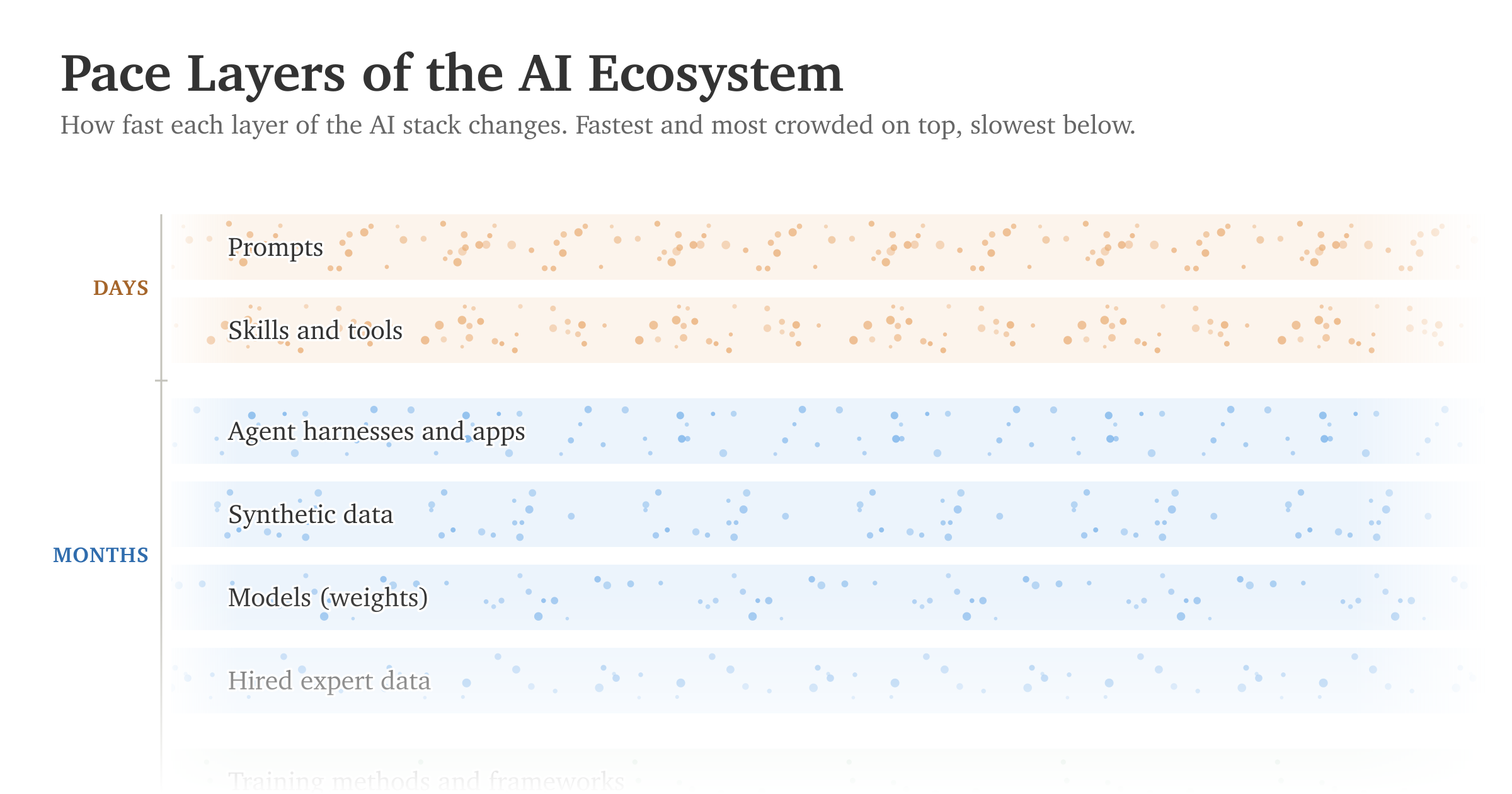
Understanding the Pace Symplicity Shift: Operational Evolution and Strategic Implications
The pace symplicity shift represents a critical transition in enterprise operations and software architecture, moving organizations away from fragmented, multi-vendor IT environments toward unified, agile operational frameworks. This e...
The pace symplicity shift represents a critical transition in enterprise operations and software architecture, moving organizations away from fragmented, multi-vendor IT environments toward unified, agile operational frameworks. This evolution standardizes workflows, minimizes technical debt, and aligns technology delivery directly with overarching business objectives.
Contents
Introduction to the Symplicity Shift
In the modern enterprise technology landscape, organizations continually search for mechanisms to streamline operations, reduce overhead, and increase deployment velocity. The terminology surrounding the pace symplicity shift captures this exact movement. It addresses the historical friction between maintaining operational pace—the speed at which businesses must release updates, scale infrastructure, and respond to market pressures—and achieving simplicity, which involves reducing unnecessary complexity in codebases, vendor ecosystems, and user interfaces.
Historically, organizations adopted a best-of-breed approach to software procurement. While this provided specialized tools for distinct departments, it resulted in massive technical debt, integration hurdles, and soaring licensing costs. The symplicity shift reverses this trajectory. By consolidating platforms, standardizing data protocols, and leveraging modern low-code or modular architectures, businesses can achieve high operational velocity without sacrificing architectural integrity. Understanding this shift requires examining its core drivers, architectural components, implementation hurdles, and the long-term impact on enterprise productivity.
Core Drivers of the Operational Transition
Several macroeconomic and technological forces compel organizations to reevaluate how they manage enterprise pace and system complexity. As digital transformation matures, companies face diminishing returns from simply adding more software tools to their stack.
Rising Technical Debt and Integration Fatigue
Over the last two decades, enterprises accumulated complex webs of legacy systems, third-party microservices, and custom APIs. Maintenance of these integrations consumes substantial engineering bandwidth. Instead of building revenue-generating features, development teams spend significant cycles troubleshooting data siloes and broken pipelines. The symplicity shift acts as a direct countermeasure to integration fatigue by prioritizing unified platforms where data flows naturally without heavy custom middleware.
The Demand for Accelerated Time-to-Market
Market volatility requires businesses to pivot rapidly. Traditional deployment cycles, which often took months due to rigorous multi-system testing and compliance checks, are no longer viable. The pace component of the shift emphasizes continuous delivery and rapid iteration. However, speed cannot come at the expense of stability. Achieving this balance requires simplifying the underlying technological substrate, ensuring that developers can push updates through streamlined, automated pipelines.
Cost Optimization and Vendor Consolidation
Economic pressures compel executive leadership to scrutinize software budgets. Maintaining dozens of disparate software licenses introduces redundant costs and complicates vendor management. Consolidating onto cohesive platforms reduces overhead while simplifying procurement, security auditing, and employee training.
Architectural Foundations of the Shift
To execute a successful transition toward streamlined operations, organizations must evaluate the technical pillars supporting this change. The architecture must bridge the gap between rapid business demands and structural simplicity.
- ENTERPRISE STRATEGIC LAYER
- Business Objectives & Velocity
- MODULAR PLATFORM CORE
- Unified Data & Standard APIs
- AUTOMATED PIPELINES
- CI/CD & Governance
- SIMPLIFIED USER INTERFACES
- Low-Code / Modular UX
Modular System Design
Monolithic applications are notoriously difficult to scale and update, while overly distributed microservices can introduce severe network complexity. The symplicity shift favors modular architectures—systems designed with clearly defined boundaries, standardized interfaces, and decoupled components. This allows individual business units to operate at their own pace without destabilizing the core infrastructure.
Unified Data Governance
A major contributor to organizational friction is data fragmentation. When customer, financial, and operational data resides in isolated silos, decision-making slows down. A core tenet of the shift is establishing a centralized data fabric or master data management (MDM) strategy. By ensuring a single source of truth, organizations eliminate reconciliation delays and empower automated systems to execute workflows accurately.
Automation and Intelligent Orchestration
Speed is unattainable through manual intervention. The operational evolution relies heavily on automated continuous integration and continuous deployment (CI/CD) pipelines, automated compliance monitoring, and AI-driven orchestration tools. These mechanisms handle repetitive tasks, reduce human error, and free technical talent to focus on high-value initiatives.
Enterprise Comparison: Legacy Operations vs. Symplicity Shift Frameworks
| Operational Dimension | Legacy Multi-Vendor Approach | Symplicity Shift Framework |
|---|---|---|
| Primary Architecture | Monolithic or fragmented microservices | Modular, platform-centric design |
| Deployment Velocity | Slow, manual release cycles (Quarterly/Monthly) | Rapid, automated continuous delivery (Daily/Hourly) |
| Integration Overhead | High custom API maintenance and middleware costs | Native integrations and unified data governance |
| Vendor Management | Dozens of disparate contracts and disparate support paths | Consolidated ecosystem with streamlined accountability |
| Technical Debt | Accumulates rapidly due to patchwork fixes | Actively mitigated through continuous refactoring |
| End-User Experience | Fragmented interfaces requiring multiple logins | Unified, role-based interfaces with low-code adaptability |
Implementation Challenges and Risk Mitigation
Transitioning to a streamlined, high-velocity operational model is not without friction. Organizations frequently encounter cultural, technical, and logistical barriers during execution.
Resistance to Change and Cultural Inertia
Employees and IT departments accustomed to legacy workflows often resist platform consolidation and process standardization. Overcoming this requires structured change management. Leadership must clearly communicate the long-term benefits of the transition, demonstrating how the elimination of administrative friction empowers teams to focus on creative problem-solving.
Migration Risks and Business Continuity
Replacing or consolidating core systems introduces the risk of operational downtime and data loss. To mitigate these risks, organizations should employ a phased migration strategy. Rather than executing a high-risk "big bang" cutover, teams should migrate non-critical workloads first, validating data integrity and pipeline stability before touching core revenue-generating systems.
Security and Compliance Governance
As systems become more centralized, security posture becomes a critical focal point. A breach in a unified platform can expose a wider surface area than a siloed legacy tool. Consequently, security must be embedded directly into the deployment pipeline through DevSecOps practices, ensuring that access controls, encryption standards, and regulatory compliance checks are automated at every stage of development.
Strategic Benefits for Modern Enterprises
Organizations that successfully navigate the pace symplicity shift unlock measurable competitive advantages across multiple operational vectors.
Enhanced Agility and Responsiveness
By removing bureaucratic and technical roadblocks, businesses can respond to market shifts, regulatory updates, and customer demands in real time. This agility translates directly into improved market share and stronger customer retention.
Optimized Resource Allocation
Engineering teams liberated from the burden of maintaining legacy integrations and complex troubleshooting loops can redirect their energy toward product innovation. This cultural shift transforms IT from a cost center into a primary driver of business value.
Predictable Scalability
Standardized architectures scale predictably. As transaction volumes or user bases grow, modular systems absorb the load without requiring exponential increases in infrastructure spending or engineering headcount.
Frequently Asked Questions
What is the primary objective of the pace symplicity shift?
The primary objective is to balance high operational velocity with architectural simplicity, allowing organizations to deploy updates rapidly while eliminating the technical debt and maintenance overhead associated with fragmented software stacks.
How does platform consolidation support operational speed?
Platform consolidation reduces the number of disparate systems and custom integrations an organization must manage. With a unified data model and standardized tools, development and business teams can collaborate and execute workflows without battling data siloes.
What are the biggest risks during implementation?
The most significant risks include operational downtime during data migration, employee resistance to new workflows, and potential security vulnerabilities if governance protocols are not updated alongside the new architecture.
Is this transition suitable for small businesses or strictly large enterprises?
While enterprise organizations with legacy sprawl feel the impact most acutely, businesses of all sizes benefit from adopting modular architectures and avoiding tool proliferation early in their growth cycles.
How does automation play a role in this operational model?
Automation is foundational. Automated CI/CD pipelines, testing frameworks, and compliance monitoring ensure that rapid deployment does not compromise system stability or security standards.
Conclusion and Next Actions
Navigating the complexities of modern digital operations requires a deliberate move away from fragmented, high-overhead technology stacks. Organizations seeking to implement or refine their approach to the pace symplicity shift should begin by conducting a comprehensive audit of their current software ecosystem. Identify redundant tools, evaluate integration bottlenecks, and map out a phased consolidation roadmap. By prioritizing modular architecture, automated governance, and cultural alignment, leadership teams can position their organizations for sustained agility and long-term growth.
Image Gallery