Rite Aid Shutting Down: The Complete Status of Store Closures and Restructuring in 2026
As of 2026, Rite Aid has completed its significant restructuring process following its 2023 Chapter 11 bankruptcy filing. While the company has not shut down entirely, it operates a substantially smaller footprint compared to previous...
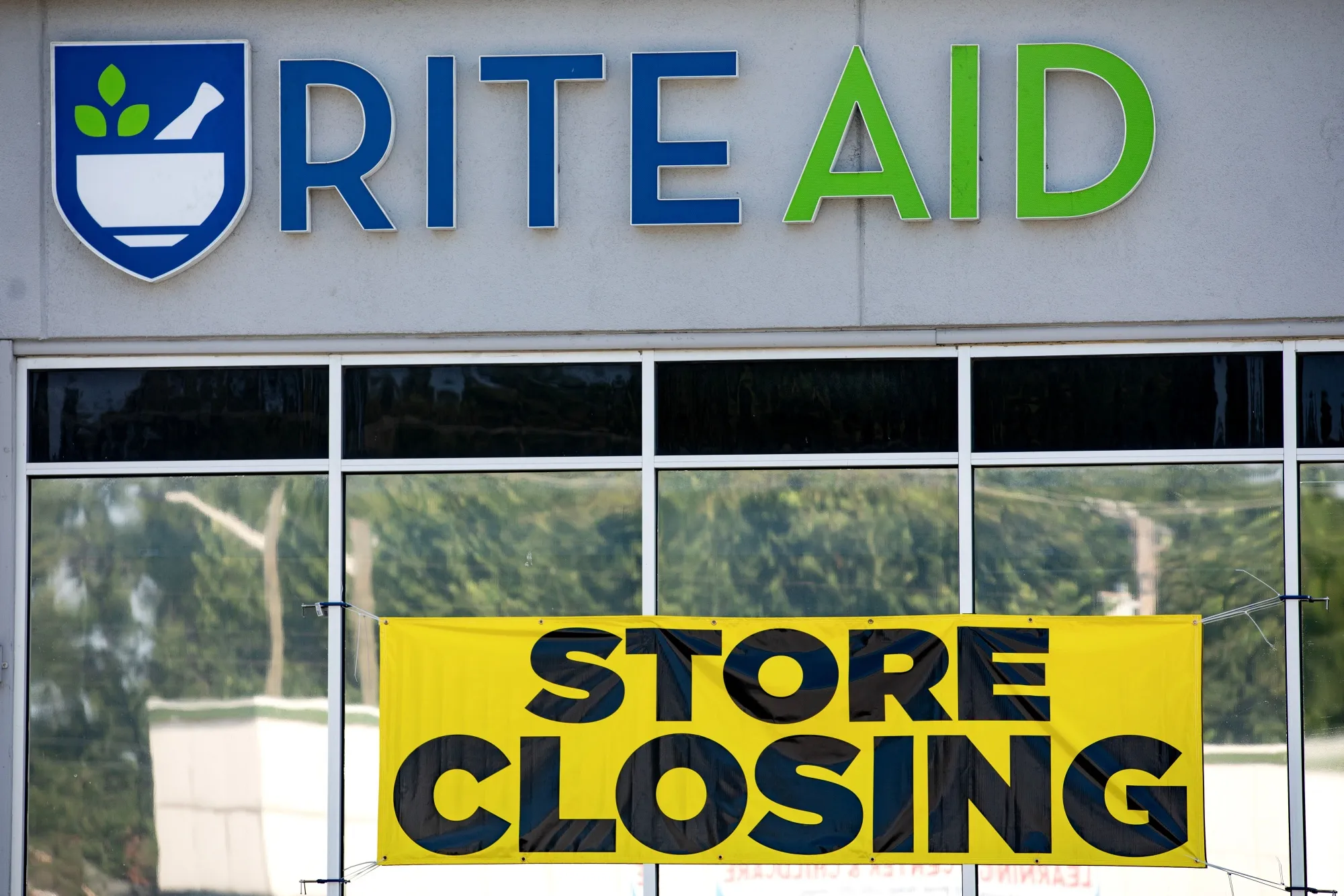
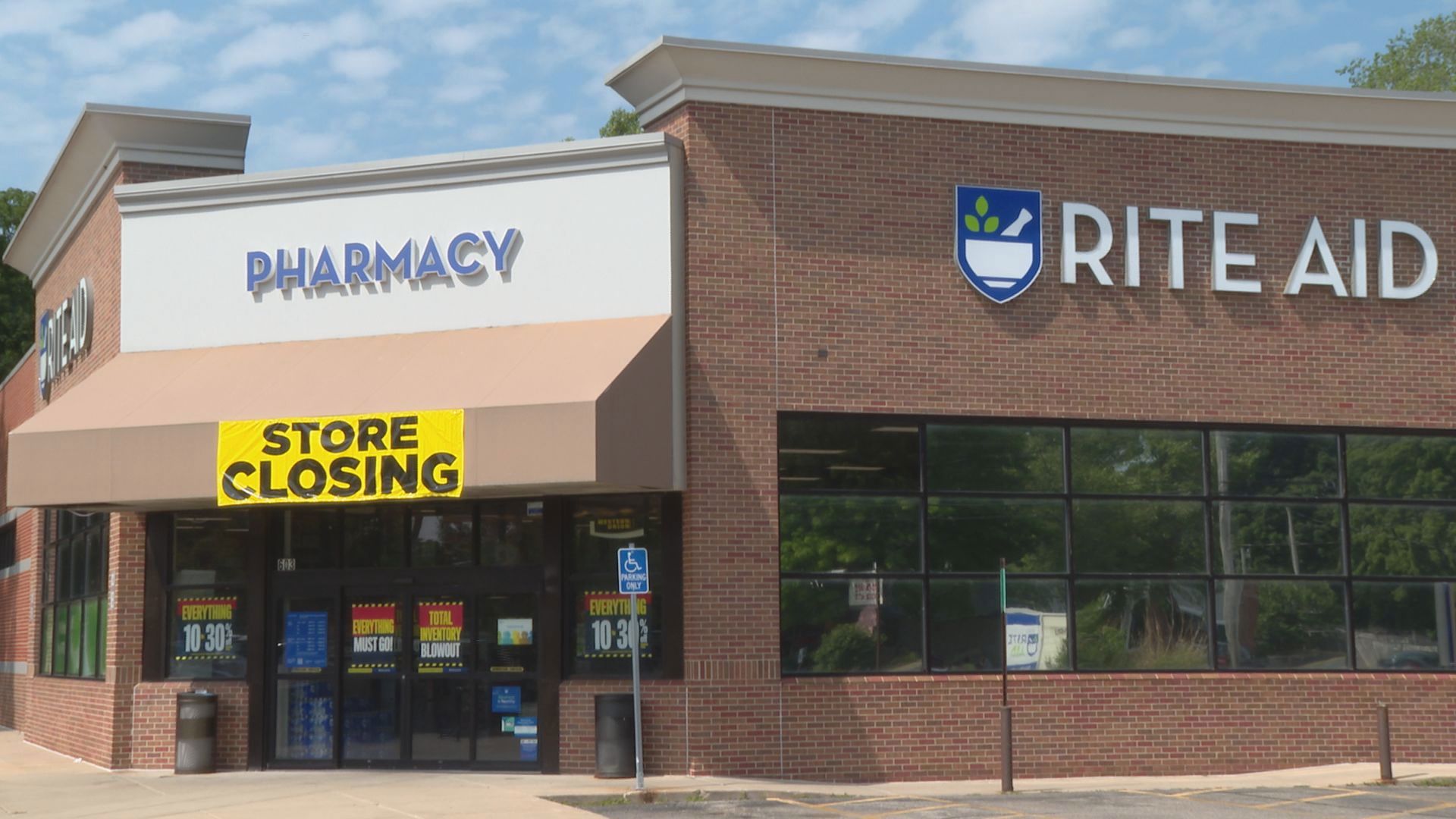
As of 2026, Rite Aid has completed its significant restructuring process following its 2023 Chapter 11 bankruptcy filing. While the company has not shut down entirely, it operates a substantially smaller footprint compared to previous years, having shuttered hundreds of underperforming locations and transitioned from a public corporation to a private entity owned by its creditors.
Contents
For several years, the phrase "Rite Aid shutting down" dominated headlines as the pharmacy giant grappled with massive debt, declining sales, and billions in potential legal liabilities stemming from opioid-related litigation. By 2026, the dust has largely settled, leaving a reorganized company focused on regional strengths rather than national dominance. For customers, employees, and stakeholders, the landscape of Rite Aid is vastly different than it was at the start of the decade.
The Reorganization: From Bankruptcy to Private Ownership
The journey toward the current 2026 status began in earnest in October 2023, when Rite Aid filed for Chapter 11 bankruptcy protection in New Jersey. At the time of the filing, the company was burdened by approximately $4 billion in debt and faced over a thousand lawsuits alleging that it had contributed to the opioid crisis by filling unlawful prescriptions.
Throughout 2024 and 2025, the company executed a rigorous "store optimization" plan. This involved identifying locations where leases were too expensive or where foot traffic could not sustain the overhead. Unlike a total liquidation (Chapter 7), the Chapter 11 process allowed Rite Aid to shed its most unprofitable assets while maintaining its core "profitable" stores. In mid-2024, the company emerged from bankruptcy as a private company, having eliminated billions in debt and secured $3.4 billion in new financing.
By 2026, the retail footprint has stabilized. The company has moved away from trying to compete head-to-head with CVS and Walgreens on a national scale. Instead, the "New Rite Aid" has doubled down on specific markets, particularly in the Northeast and the West Coast, where it maintains a loyal customer base and higher brand equity.
What Happens to Your Prescriptions When a Store Shuts Down?
The primary concern for most consumers during the Rite Aid closures has been the continuity of care. When a Rite Aid location is slated for closure, the company follows a standardized protocol to ensure patients do not lose access to their medications.
The Prescription Transfer Process
When a Rite Aid store closes, the pharmacy records are typically handled in one of two ways:
- Internal Transfer: If another Rite Aid is located within a reasonable distance, prescriptions are automatically moved to that location. Patients are usually notified via mail or phone at least 15 to 30 days before the closure.
- File Buyouts: In areas where Rite Aid is exiting the market entirely, the company often sells its prescription records (and sometimes its inventory) to a competitor, such as Walgreens or CVS. In these cases, your records are moved to the nearest competing pharmacy.
Taking Action as a Patient
If your local Rite Aid is shutting down, you are not obligated to stay with the pharmacy that purchased your records. You have the right to transfer your prescription to any pharmacy of your choice. To do this, simply contact your new preferred pharmacy and provide them with your name, birth date, and the contact information of the closing Rite Aid. They will handle the "pulling" of the digital files.
Factors That Led to the Mass Closures
Understanding why Rite Aid faced such a massive contraction requires looking at a "perfect storm" of economic and legal challenges. The company was not simply a victim of the "retail apocalypse"; it suffered from specific strategic missteps and external pressures.
The Opioid Litigation Burden
The most significant catalyst for the bankruptcy was the mounting legal pressure regarding the opioid epidemic. Like other major pharmacy chains, Rite Aid was accused of failing to flag suspicious orders of highly addictive painkillers. However, unlike CVS and Walgreens, which reached multi-billion dollar settlements earlier, Rite Aid lacked the cash reserves to settle these claims while maintaining its debt payments. The bankruptcy filing allowed the company to pause these lawsuits and reach a consolidated settlement that the restructured company could actually afford to pay over time.
Massive Debt and Interest Rates
Rite Aid had been struggling with a heavy debt load for over a decade, much of it stemming from its failed merger with Walgreens Boots Alliance in 2017 (which was blocked by regulators, resulting in Walgreens only buying about half of Rite Aid’s stores). As interest rates rose significantly in the early 2020s, the cost of servicing this debt became unsustainable, eating into the margins necessary for store upgrades and digital transformation.
Competition and Market Positioning
The pharmacy landscape changed rapidly with the entry of Amazon Pharmacy and the growth of Mark Cuban’s Cost Plus Drug Company. These digital-first competitors squeezed the margins on generic drugs. Simultaneously, Rite Aid struggled to match the convenience and "health hub" model adopted by CVS. By 2026, the surviving Rite Aid stores have had to pivot toward a "neighborhood pharmacy" feel, emphasizing personalized service over the sheer scale of their larger competitors.
Comparison of Rite Aid’s Footprint: 2023 vs. 2026
The following table illustrates the scale of the contraction and the shift in the company's business model over the last few years.
| Metric | Pre-Bankruptcy (Late 2023) | Post-Restructuring (2026 Status) |
|---|---|---|
| Total Store Count | ~2,100 | ~1,200 - 1,300 |
| Ownership Status | Publicly Traded (NYSE: RAD) | Private (Creditor Owned) |
| Primary Focus | National Retail Pharmacy | Regional Health & Wellness |
| Debt Level | ~$4 Billion | Significantly Reduced / Restructured |
| Key Regions | 17 States | Focused on 8-10 Key States |
| PBM Ownership | Owned Elixir PBM | Elixir Sold to MedImpact |
The Impact on Employees and Local Communities
The shutting down of hundreds of Rite Aid locations has had a profound impact on the workforce and the communities they served. Thousands of pharmacists, technicians, and retail associates faced layoffs or transfers during the 2024-2025 period.
Employee Protections and Pensions
During the bankruptcy proceedings, one of the most contentious issues was the protection of employee pensions and benefits. The restructuring agreement in 2024 ensured that the majority of pension obligations were maintained, though many long-term employees saw changes to their healthcare plans as the company moved to a more lean operating model. Former employees who were laid off were generally offered severance packages, though the specifics varied by state and union status.
The Rise of "Pharmacy Deserts"
A critical social issue arising from the closures is the creation of pharmacy deserts, particularly in low-income urban areas and rural communities. In many neighborhoods in Philadelphia, Detroit, and parts of California, Rite Aid was the only accessible pharmacy for residents who rely on public transportation. When these stores shut down, patients often have to travel several miles further to access life-saving medications. Local health departments in 2026 continue to monitor these gaps, with some independent pharmacies stepping in to fill the void left by Rite Aid’s departure.
Alternatives to Rite Aid in 2026
If your local Rite Aid has closed or if you are looking for a more stable pharmacy provider in 2026, there are several options available:
- Walgreens and CVS: The two largest national chains remain the most convenient options for most, often purchasing the records of closed Rite Aids.
- Independent Pharmacies: There has been a slight resurgence in independent pharmacies that focus on personalized compounding and community-based care.
- Grocery Store Pharmacies: Chains like Kroger, Albertsons, and Publix have expanded their pharmacy services to capture former Rite Aid customers.
- Digital Pharmacies: For maintenance medications (long-term prescriptions like blood pressure or cholesterol meds), services like Amazon Pharmacy or Mark Cuban Cost Plus Drug Company often offer lower prices and home delivery.
Frequently Asked Questions
Is Rite Aid going completely out of business?
No, Rite Aid is not going completely out of business in 2026. The company successfully emerged from Chapter 11 bankruptcy in 2024 as a smaller, private company. While it has closed over 800 stores since the process began, it continues to operate more than 1,000 locations in key markets.
What should I do if my Rite Aid pharmacy closed and I can't find my prescription?
If your store closed and you are unsure where your records went, you can call the Rite Aid customer service line or visit the Rite Aid Store Locator on their official website. Usually, a sign on the door of the closed location will indicate which pharmacy received the records. You can also contact your doctor to send a new prescription to a pharmacy of your choice.
Can I still use my Rite Aid Rewards points?
Yes, for the stores that remain open, the Rite Aid Rewards program is still active. However, if you only have access to a store that has closed, your points are generally only redeemable at other active Rite Aid locations or through their online store.
Why did Rite Aid sell Elixir?
Rite Aid sold its Pharmacy Benefit Management (PBM) business, Elixir, to MedImpact for approximately $575 million during the bankruptcy process. This sale was a strategic move to generate immediate cash to pay down debt and to allow the company to focus exclusively on its retail pharmacy operations.
Is Rite Aid still a public company?
No. As part of the bankruptcy reorganization, Rite Aid's common stock was cancelled. The company is now privately held by its former creditors and lenders. It is no longer traded on the New York Stock Exchange.
Moving Forward: Next Actions for Customers
If you are a regular Rite Aid customer in 2026, it is important to stay informed about the status of your specific location. While the mass closures have concluded, the company continues to evaluate its portfolio for efficiency.
- Verify Your Store Status: Use the official Rite Aid app to confirm your local store's hours and current status.
- Update Your Insurance: Ensure your insurance provider still considers Rite Aid a "preferred" or "in-network" pharmacy, as some provider networks changed following the restructuring.
- Consider Mail-Order: If you live in an area where stores have closed, transitioning to Rite Aid’s mail-order service or a third-party delivery service can prevent disruptions in your medication schedule.
- Download Your History: It is a good practice to keep a digital or printed copy of your prescription history in case of future unexpected closures or transfers.
Professional Advice Disclaimer: This article provides general information regarding corporate restructuring and pharmacy access. It does not constitute legal, financial, or medical advice. For specific medical concerns regarding your prescriptions, consult a licensed healthcare professional. For legal or financial questions regarding the bankruptcy impact, consult a qualified advisor.
Image Gallery