Understanding the Customers of Nike: Demographics, Behavior, and Loyalty in 2026
Nike’s customer base is a diverse global population ranging from professional athletes and fitness enthusiasts to lifestyle-oriented Gen Z and Alpha consumers. By 2026, the company focuses heavily on digital-first members who value per...
Nike’s customer base is a diverse global population ranging from professional athletes and fitness enthusiasts to lifestyle-oriented Gen Z and Alpha consumers. By 2026, the company focuses heavily on digital-first members who value performance-driven innovation, cultural relevance, and sustainable manufacturing practices across nearly every geographic market in the world.
Contents
The Evolution of the Nike Consumer Profile
For decades, the "customer of Nike" was defined primarily by athletic participation. If you ran, played basketball, or trained in a gym, you were the target. However, as we move through 2026, the definition of the Nike customer has expanded horizontally to include lifestyle participants and vertically to include a deeper digital relationship.
The modern Nike customer is no longer just a "buyer" of footwear or apparel; they are a "member" of an ecosystem. This transition from transactional retail to experiential membership has allowed Nike to capture high-value data on consumer habits, preferences, and physiological needs. Whether they are purchasing through the Nike App, participating in a live-streamed workout via Nike Training Club (NTC), or waiting for a limited "drop" on the SNKRS app, the customer of 2026 is hyper-connected and expects a seamless omnichannel experience.
Core Demographic Breakdown
Nike’s reach is nearly universal, but its most profitable segments share specific demographic traits. Understanding these segments requires looking at age, income, and gender through the lens of current 2026 market realities.
- Age and Generational Focus: While Nike maintains a strong foothold among Millennials and Gen X, its primary growth engine is Gen Z and the emerging Gen Alpha. These younger cohorts view Nike not just as a sports brand but as a badge of cultural identity. In 2026, Nike’s "Kids" segment has seen significant expansion, targeting parents who want durable, stylish performance gear for their children.
- Gender Dynamics: Historically male-centric, Nike has successfully pivoted to treat the female consumer as a primary growth pillar. By 2026, Nike’s women's line—specifically in the yoga, maternity, and professional sports categories—represents a nearly equal share of the brand’s innovation focus.
- Income and Economic Status: Nike operates as a "masstige" brand—offering mass-market accessibility alongside prestige pricing. The customer base includes budget-conscious students buying entry-level Pegasus running shoes as well as high-net-worth "sneakerheads" and collectors willing to spend thousands on secondary markets for limited collaborations.
Psychographics: The Mindset of "Just Do It"
The psychographic profile of a Nike customer is perhaps more important than their age or location. Nike targets a mindset rather than a specific physical state. This mindset is built on three pillars: performance, aspiration, and self-expression.
The Performance-Driven Athlete
This segment includes professional, collegiate, and serious amateur athletes. Their primary motivation is utility. They care about the weight of a shoe, the breathability of a fabric, and the data feedback from their wearable tech. These customers are the first to adopt Nike’s flagship innovations, such as the latest iterations of Flyknit, ZoomX foam, or moisture-wicking apparel technologies. For them, Nike is a tool to achieve a personal best.
The Aspirational Fitness Enthusiast
The largest psychographic group consists of people who may not be competitive athletes but incorporate fitness into their lifestyle. This customer buys Nike to feel "part of the club." They are influenced by the brand's storytelling and the high-profile athletes Nike endorses, such as LeBron James or Naomi Osaka. For this group, the Nike swoosh acts as a motivational symbol—a reminder to "Just Do It," even if that only means a 20-minute walk or a light gym session.
The Cultural Enthusiast and "Sneakerhead"
In 2026, the intersection of sport and street culture is more integrated than ever. This customer values Nike for its aesthetic and social currency. They are focused on the Jordan Brand, Dunk silhouettes, and collaborations with high-fashion houses or digital artists. This segment is highly active on social media and views their footwear as an investment or a form of wearable art.
The Role of the Nike Membership Ecosystem
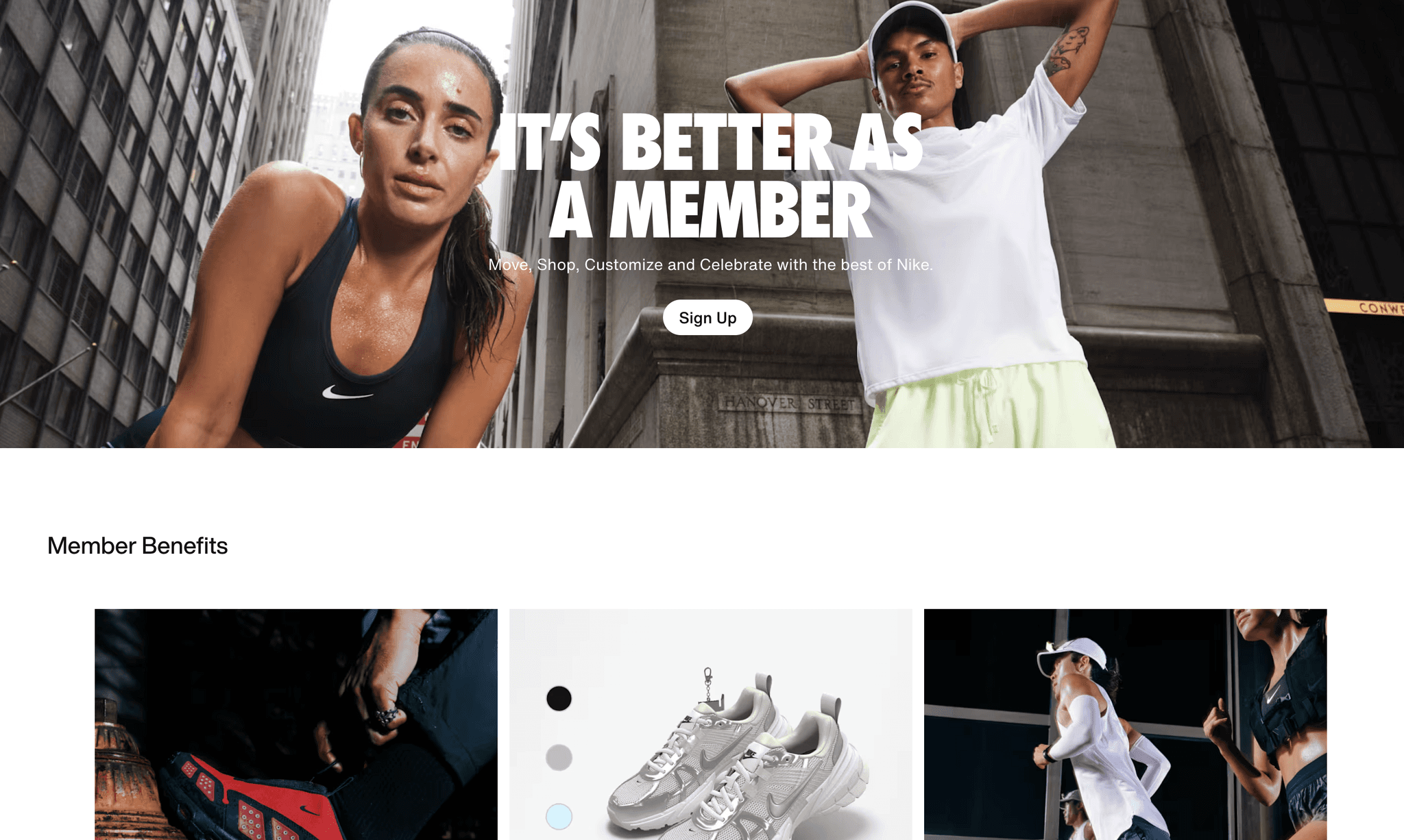
A defining characteristic of Nike customers in 2026 is their enrollment in the Nike Membership program. Nike has aggressively moved away from third-party retailers to a Direct-to-Consumer (DTC) model. This shift has changed how customers interact with the brand.
- Personalization through Data: By using the Nike App, customers receive tailored product recommendations based on their workout history and browsing habits.
- Exclusive Access: Members get first rights to new releases and member-only products. This creates a sense of "insider" status that drives brand loyalty.
- Omnichannel Integration: A customer might start their journey on a mobile app, reserve a size at a local "Nike Live" concept store, and complete the purchase via a digital kiosk. This fluidity is a major requirement for the modern Nike customer.
Geographic Nuances: A Global Perspective
Nike’s customer base is geographically diverse, but the brand’s strategy varies significantly by region to accommodate local cultures.
| Region | Primary Customer Focus (2026) | Key Growth Drivers |
|---|---|---|
| North America | Lifestyle and Basketball Culture | Digital sales, Jordan Brand, and Athleisure |
| Greater China | Tech-Savvy Gen Z and Professional Runners | Hyper-local designs, social commerce, and elite marathon gear |
| EMEA (Europe/ME/Africa) | Football (Soccer) and Streetwear | Sustainable initiatives, football club partnerships, and urban lifestyle |
| APLA (Asia Pacific/Latin Am) | Emerging Middle Class and Youth Sports | Increasing brand awareness and expanding retail footprint |
In North America, the Nike customer is heavily influenced by the heritage of basketball and the "retro" movement. Conversely, in Greater China, the customer is more likely to prioritize technical specifications and "smart" apparel that integrates with local digital ecosystems like WeChat or Alibaba.
Trends Shaping the 2026 Nike Customer
As we look at the current landscape in 2026, several macro-trends are influencing who buys Nike and why.
The Sustainability Mandate
The 2026 customer is increasingly eco-conscious. Nike’s "Move to Zero" initiative—aiming for zero carbon and zero waste—is a response to this shift. Customers now actively seek out products like the Space Hippie line or items made with recycled polyester. For Gen Z customers in particular, a brand’s environmental footprint is a "make or break" factor in their purchasing decision.
Digital and Virtual Goods
With the maturation of digital fashion and the metaverse, Nike customers are no longer just buying physical shoes. The acquisition of RTFKT years ago led to a robust market for virtual sneakers and "phygital" goods (physical products with digital twins). In 2026, a significant portion of Nike’s "community" interacts with the brand through these virtual assets, attending digital events and wearing Nike gear in virtual spaces.
Health and Wellness Holism
The Nike customer has moved beyond just "sport" to "wellness." This includes sleep, recovery, and mental health. This trend has expanded the customer base to include people interested in mindfulness and low-impact movement. Nike’s apparel lines for yoga and recovery have become staples for this demographic, competing directly with high-end boutique wellness brands.
Challenges and Competitive Pressures
Despite its dominance, Nike faces specific challenges with its customer base in 2026.
- Pricing Sensitivity: As Nike pushes further into the premium space, some long-term customers feel priced out. This has created an opening for competitors like New Balance, Hoka, or On Running, which have gained traction among runners who feel Nike has prioritized "hype" over "function."
- Brand Fatigue: In a world of constant digital bombardment, maintaining the "cool factor" is difficult. Nike must constantly reinvent its storytelling to avoid becoming a "legacy brand" that younger generations perceive as their parents' brand.
- Ethical Scrutiny: Customers in 2026 are more informed about supply chain ethics. Any perceived lapse in labor standards or factory conditions is met with immediate social media backlash, requiring Nike to maintain radical transparency in its Investor Relations and Impact Reports.
Frequently Asked Questions
Who is Nike's target audience in 2026?
Nike targets a broad spectrum of consumers, primarily focusing on "athletes" (defined by Nike as anyone with a body). However, its core growth segments are Gen Z and Gen Alpha, women, and the emerging middle class in the Asia-Pacific region.
How does Nike use technology to track customer behavior?
Through its ecosystem of apps (Nike App, SNKRS, NTC, NRC), Nike tracks purchase history, workout frequency, running pace, and even geographic location. This data is used to create personalized marketing campaigns and to predict future inventory needs.
Is the Nike customer different from the Adidas customer?
While there is significant overlap, the Nike customer often leans more toward performance-driven innovation and American basketball culture. The Adidas customer often has a stronger affinity for European terrace culture and football (soccer) heritage, though both brands compete fiercely in the lifestyle and streetwear segments.
Why do customers remain loyal to Nike?
Loyalty is driven by a combination of emotional storytelling, consistent product quality, and the benefits of the Nike Membership program. The "SNKRS" app, in particular, has created a gamified experience that keeps collectors engaged with the brand daily.
What is the average price a Nike customer spends?
In 2026, the "entry-level" Nike customer typically spends between $65 and $110 on footwear, while the "core" and "premium" segments average $130 to $250. High-end collaborations and performance tech (like Alphafly) can reach $300 or more.
Summary and Practical Recommendation
The customer of Nike in 2026 is a sophisticated, digitally native individual who views fitness as a lifestyle rather than a chore. They are motivated by the brand’s history of innovation and its ability to remain culturally relevant through strategic partnerships and digital engagement.
For business analysts and retailers: To understand the Nike customer is to understand the future of retail—a shift from selling products to managing a community. If you are looking to engage this demographic, focus on authenticity, sustainability, and digital integration. The Nike customer values brands that help them achieve their personal goals while aligning with their social and environmental values.
Image Gallery