Who Wrote Pretty in Pink? The Full Story Behind the Screenplay, Song, and Book
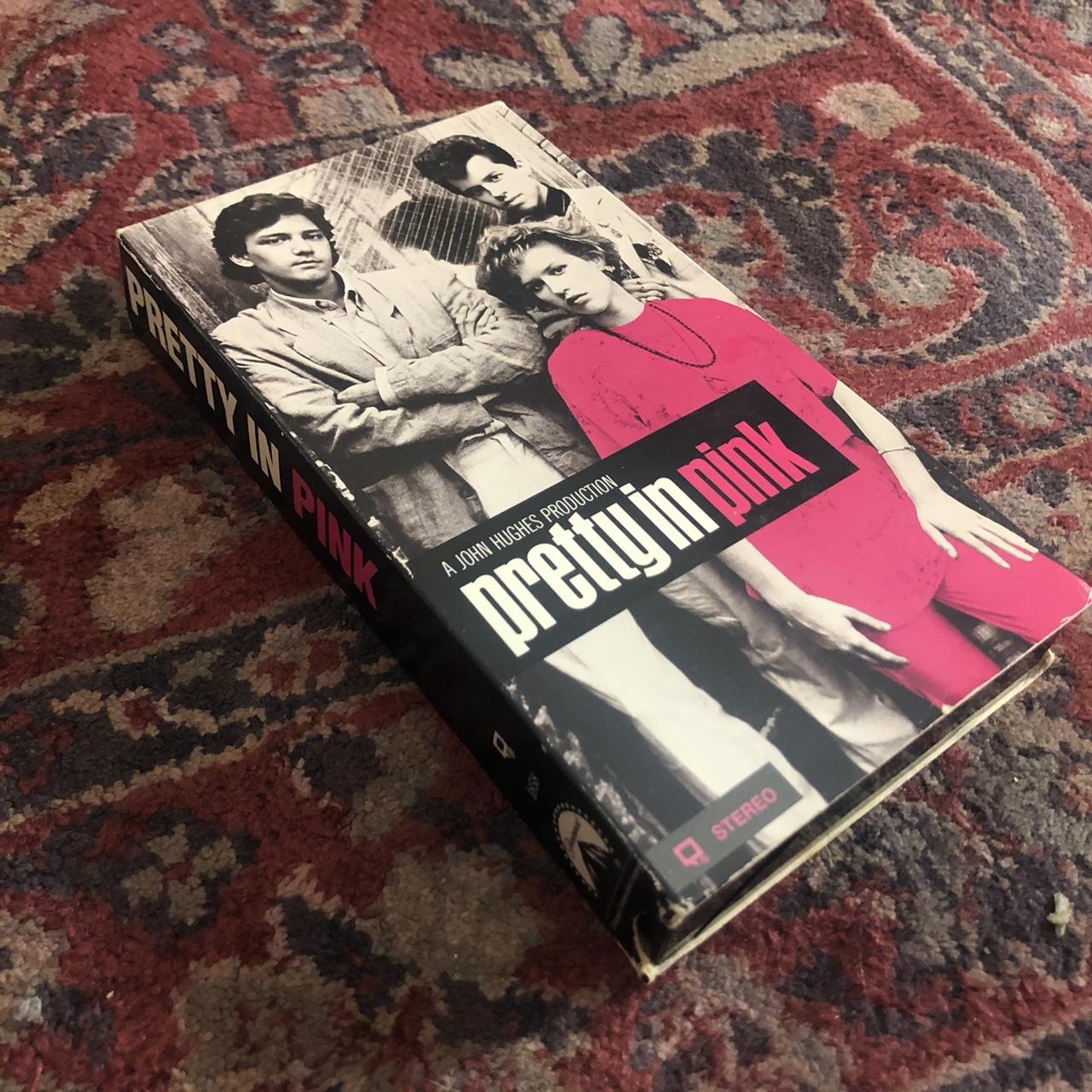
John Hughes wrote the original screenplay for the 1986 film Pretty in Pink. While Hughes was the sole screenwriter, the project was a multi-layered creative collaboration: Howard Deutch directed the film, Richard Butler of The Psychede...
John Hughes wrote the original screenplay for the 1986 film Pretty in Pink. While Hughes was the sole screenwriter, the project was a multi-layered creative collaboration: Howard Deutch directed the film, Richard Butler of The Psychedelic Furs wrote the inspiring song, and H.B. Gilmour authored the official novelization based on Hughes' original script.
Contents
As of 2026, Pretty in Pink remains a cornerstone of 1980s cinema, celebrating four decades as a definitive exploration of social class, teenage identity, and unrequited love. Understanding who "wrote" the story requires looking beyond the film credits to the music that sparked the idea and the literature that preserved the author's original, controversial vision.
The Visionary Architect: John Hughes and the Screenplay
John Hughes is the primary answer to who wrote Pretty in Pink. By the mid-1980s, Hughes had established himself as the voice of a generation, having already written and directed hits like Sixteen Candles (1984) and The Breakfast Club (1985). Pretty in Pink was the third installment in what fans often call his "teen trilogy" starring Molly Ringwald.
Unlike his previous hits, Hughes chose not to direct this film, handing the reins to Howard Deutch. However, Hughes' signature is visible in every line of dialogue. His writing style was revolutionary because it treated teenage problems with the same gravity as adult dramas. In Pretty in Pink, Hughes focused on the "wrong side of the tracks" narrative, centering on Andie Walsh, a working-class girl navigating a high school divided by wealth.
Hughes wrote the role of Andie specifically for Molly Ringwald. His ability to capture the nuance of 1980s subcultures—from the "Richies" in their linen suits to the "New Wave" outsiders—made the screenplay more than just a rom-com; it was a sociological study of the American high school hierarchy.
The Musical Catalyst: Richard Butler and The Psychedelic Furs
While John Hughes wrote the dialogue and plot, the "soul" of the movie was written by Richard Butler, the frontman of the British post-punk band The Psychedelic Furs. The film’s title and central theme were directly inspired by the band’s 1981 song, "Pretty in Pink."
Hughes was famously a "music-first" writer. He often built entire scenes around specific tracks, and he became obsessed with the imagery in Butler’s lyrics. Interestingly, the song's original meaning was much darker than the movie's Cinderella-story aesthetic. Richard Butler has noted in various interviews that the "pink" in the lyrics referred to nudity or vulnerability, and the song was a somewhat cynical take on a girl who thinks she is popular but is actually being exploited.
Hughes reinterpreted the title to represent Andie’s individuality and her literal pink prom dress. To align the song with the film’s 1986 production, The Psychedelic Furs re-recorded a more polished, "pop-friendly" version of the track for the soundtrack. Without Butler’s songwriting, the film as we know it—including its name and aesthetic—would not exist.
The Novelization: H.B. Gilmour’s Written Record
For many fans, the definitive version of the story isn't on screen, but in the book. The novelization of Pretty in Pink was written by H.B. Gilmour (born Heidy Gilmour), a prolific author of movie tie-ins.
Published in 1986 alongside the film’s release, Gilmour’s book is significant because it was based on John Hughes’ original first draft of the screenplay. Because the book was written and sent to print before the film’s ending was changed during production, it serves as a historical record of Hughes' initial creative intent.
In Gilmour’s book, the internal monologues of the characters are expanded, providing deeper insight into Andie’s poverty and Duckie’s heartbreak. For readers looking to understand the "literary" version of these characters, Gilmour’s work is the primary source.
The Great Rewrite: Changing the Ending
One cannot discuss the writing of Pretty in Pink without addressing the most famous rewrite in Hollywood history. John Hughes originally wrote the film with a very different conclusion: Andie was supposed to end up with Duckie Dale (Jon Cryer), not Blane McDonough (Andrew McCarthy).
In the original script, the story was a triumph of friendship over social climbing. Andie and Duckie were meant to dance together at the prom, proving that they didn't need the validation of the wealthy "Richies." However, when this version was shown to test audiences, the reaction was overwhelmingly negative. Audiences wanted the "fairy tale" ending where the girl gets the handsome prince, regardless of his social standing.
The Conflict of Intent
- John Hughes’ Original Vision: A grounded story about loyalty to one’s roots and the strength of platonic love.
- The Director’s Reality: Howard Deutch and the producers realized that the "Duckie ending" left audiences feeling unsatisfied and sad.
- The Result: Hughes was forced to rewrite the ending during the final weeks of production. Paramount Pictures called the actors back for reshoots. Because Andrew McCarthy had already lost weight and shaved his head for a different role (the play The Boys of Winter), he had to wear a noticeably poor-quality wig in the final scene where he reconciles with Andie in the parking lot.
This rewrite caused a rift among fans that persists in 2026. While Hughes wrote the "Blane ending" to satisfy the studio, he reportedly remained disappointed that his original message about class solidarity was diluted.
Comparing the Versions of Pretty in Pink
To understand the different "authors" of this story, it is helpful to compare how the narrative changed across different formats.
| Feature | The Original Screenplay (Hughes) | The Final Film (1986) | The Novelization (Gilmour) |
|---|---|---|---|
| Primary Writer | John Hughes | John Hughes / Howard Deutch | H.B. Gilmour |
| The Ending | Andie ends up with Duckie | Andie ends up with Blane | Andie ends up with Duckie |
| Social Commentary | Heavy focus on class struggle | Romanticized teen drama | Detailed internal monologues |
| Tone | Melancholic and gritty | Glossy and optimistic | Emotional and descriptive |
| Duckie's Fate | The hero/romantic lead | The tragic "best friend" | The central emotional core |
The Influence of the "Brat Pack" Era Writing
John Hughes’ writing in Pretty in Pink is often studied for its mastery of "teen speak." He didn't just write lines; he created a lexicon. Terms like "Richies" became part of the 80s vernacular. His writing also leaned heavily into the "New Wave" fashion scene of the era.
By 2026, the technical depth of Hughes’ scripts is recognized for its structural perfection. He followed a classic three-act structure but populated it with "archetypes" rather than "stereotypes."
- The Heroine (Andie): Written as a girl with agency who refuses to be a victim of her economic status.
- The Outsider (Duckie): A character written with frantic, "Otis Redding-inspired" energy to mask deep insecurity.
- The Villain (Steff): Played by James Spader, Steff was written not as a cartoon villain, but as a bored, cynical product of extreme wealth.
Hughes’ ability to write these distinct voices is why the movie remains relevant. Even if the fashion and music are tied to the 80s, the "writing" of the social dynamics feels timeless.
Frequently Asked Questions
Did John Hughes direct Pretty in Pink?
No. Although John Hughes wrote the screenplay and was heavily involved in the production, the film was directed by Howard Deutch. This was Deutch's directorial debut; he would go on to direct another Hughes-written film, Some Kind of Wonderful (1987), which many consider to be Hughes’ way of "fixing" the ending of Pretty in Pink.
Why is the book ending different from the movie?
The book was written by H.B. Gilmour based on the original screenplay. Because the movie’s ending was changed at the last minute due to poor test screenings, the book preserves John Hughes' original vision where Andie and Duckie stay together.
Is the song "Pretty in Pink" about the movie?
No, the song was released by The Psychedelic Furs in 1981, five years before the movie came out. John Hughes loved the song and wrote the movie around the title and the "feeling" of the music. The band re-recorded the song in 1986 to give it a bigger, more cinematic sound for the film's opening credits.
Who played the characters John Hughes wrote?
Molly Ringwald played Andie Walsh, Jon Cryer played Duckie Dale, Andrew McCarthy played Blane McDonough, and James Spader played the antagonist Steff McKee. Harry Dean Stanton played Andie’s father, Jack Walsh, providing a soulful performance that Hughes wrote to represent the struggling working class.
Did Molly Ringwald help write the story?
While Molly Ringwald did not have a writing credit, she was John Hughes’ "muse." Hughes often consulted with her about how teenagers actually spoke and felt, which helped give the dialogue its authentic ring. Ringwald was instrumental in casting Andrew McCarthy as Blane, as she felt he was the only actor who made the romance feel believable.
Final Summary and Recommendation
If you are looking for the definitive answer to who wrote Pretty in Pink, the credit belongs to John Hughes. His screenplay defined the characters and the plot that became a global phenomenon. However, for a complete understanding of the work, one must also acknowledge Richard Butler for the musical inspiration and H.B. Gilmour for the novelization that captures the author's original intent.
Next Steps for Fans:
- Watch: The 1986 film to see the "Blane ending" and the iconic fashion.
- Listen: To the original 1981 version of "Pretty in Pink" by The Psychedelic Furs to hear the song that started it all.
- Read: The H.B. Gilmour novelization if you want to experience the story as John Hughes originally intended it to end.
- Compare: Watch Some Kind of Wonderful (1987), also written by Hughes, to see how he finally got his "wrong side of the tracks" ending right.
Image Gallery