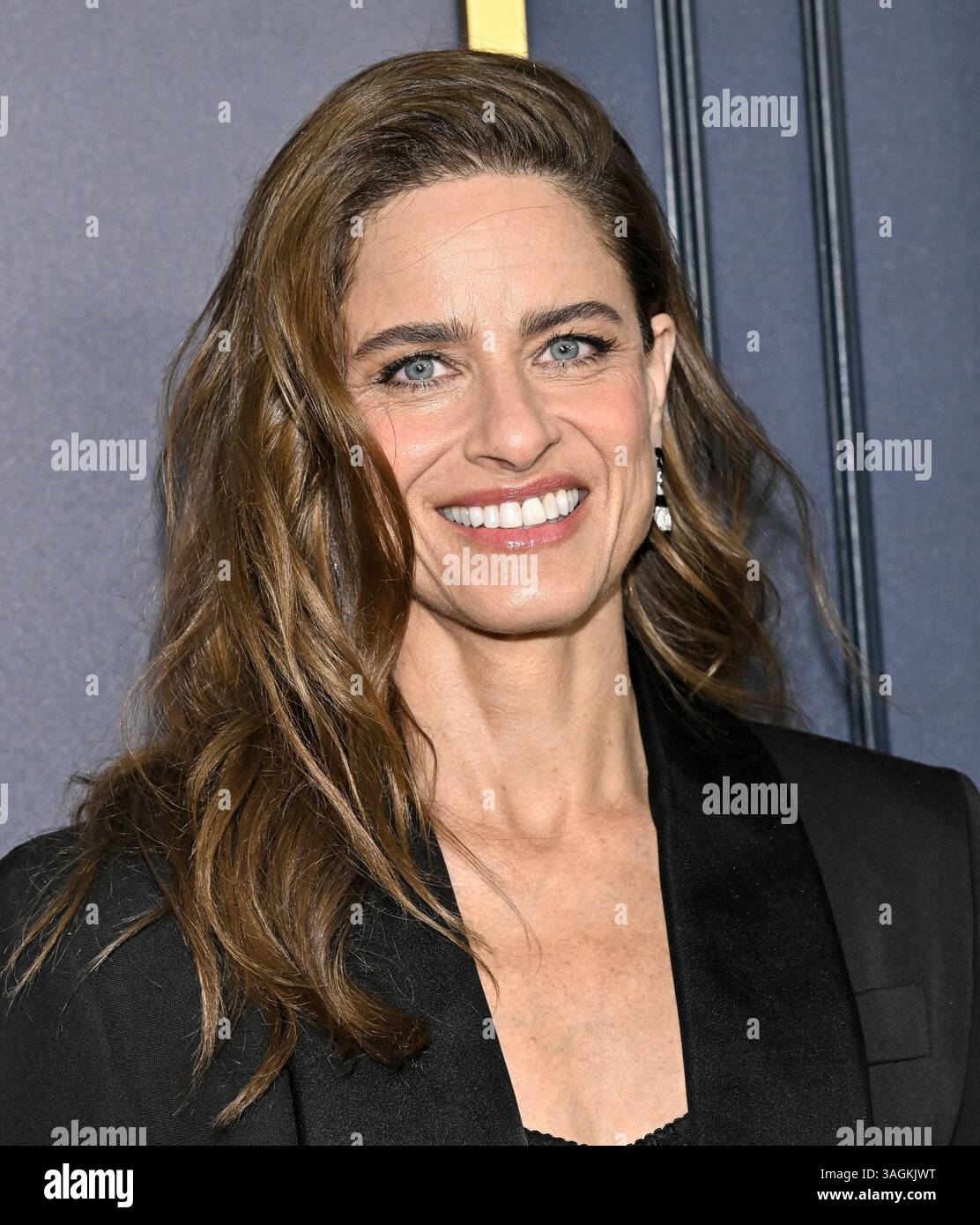
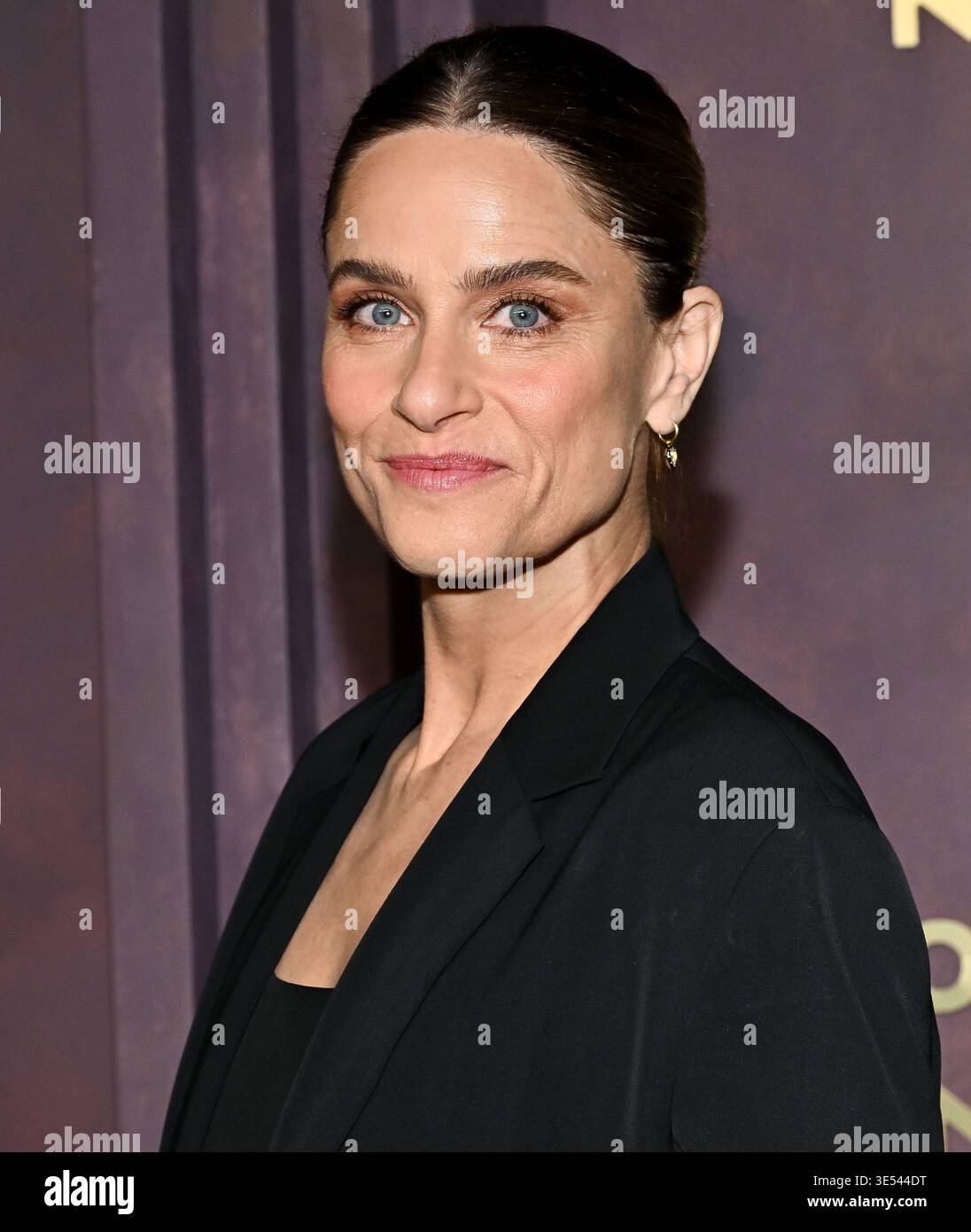
Amanda Peet: A Comprehensive Biography and Career Highlights
Amanda Peet is a versatile American actress and writer whose career spans over three decades, marked by a balance between mainstream Hollywood comedies, critically acclaimed television dramas, and intimate stage performances. Known for...
Amanda Peet is a versatile American actress and writer whose career spans over three decades, marked by a balance between mainstream Hollywood comedies, critically acclaimed television dramas, and intimate stage performances. Known for her range, she successfully transitioned from early ensemble sitcom roles to leading parts in major films and complex characters in prestige television series, later expanding her professional scope into screenwriting and executive production.
Contents
Early Life and Academic Foundations
Born on January 11, 1972, in New York City, Amanda Peet was raised in an environment that prioritized education and the arts. Her mother, Penny Levy, worked as a social worker, and her father, Charles Peet Jr., was a corporate lawyer. Raised in a Quaker household, Peet attended the prestigious Friends Seminary in Manhattan. Her early interest in performance was not sparked by traditional child-actor trajectories but rather through an appreciation for storytelling and the craft of acting.
She pursued higher education at Columbia University, where she majored in American history. While her academic focus was rigorous, her passion for theater persisted. During her time at Columbia, she studied under the legendary acting coach Uta Hagen. This training provided the technical foundation that allowed her to tackle both comedic timing and the emotional weight required for dramatic roles in her later career.
The Rise to Prominence: Late 1990s and Early 2000s
Peet’s entry into the professional acting sphere began with regional theater and guest appearances on television series such as Law & Order. Her breakthrough arrived in 1999 when she was cast as Jacqueline Barrett in the WB comedy series Jack & Jill. The show, which explored the lives of young adults navigating relationships in New York, served as a springboard for her transition into feature films.
Her cinematic breakout occurred in 2000 with the role of Jill St. Claire in the dark comedy The Whole Nine Yards, starring opposite Bruce Willis and Matthew Perry. The film’s commercial success placed Peet on the radar of major casting directors. She followed this with a series of roles that solidified her "leading lady" status in the early 2000s, including appearances in Saving Silverman (2001), Igby Goes Down (2002), and the critically lauded romantic comedy Something’s Gotta Give (2003), where she held her own alongside Jack Nicholson and Diane Keaton.
Diversification: Comedy, Drama, and Prestige Television
As her career progressed, Peet demonstrated a consistent ability to avoid typecasting. She moved between high-concept studio films and character-driven indie projects. In 2005, she starred in the thriller Syriana, a stark departure from her previous comedic work, which demonstrated her ability to navigate complex, politically charged narratives.
The mid-2010s marked a significant shift in her career trajectory as she moved toward long-form, prestige television. In 2014, she starred in HBO’s Togetherness, a comedy-drama created by the Duplass brothers. Her performance as Tina Morris, a woman struggling with professional failure and personal transitions, was widely praised for its raw vulnerability and comedic precision. This role served as a bridge to her next phase: writing and producing.
Behind the Camera: Writing and Creative Direction
In recent years, Peet has increasingly focused on the collaborative and creative side of television production. She served as a co-creator and executive producer for the Netflix original series The Chair (2021). The show, a dramedy centered on the first woman of color to chair the English department at a major university, showcased Peet’s sharp wit and her ability to weave sociopolitical commentary into a narrative structure.
This pivot to writing reflects an evolving industry trend where established actors leverage their experience to influence the stories being told on screen. Her work on The Chair underscored a commitment to nuanced character development, moving beyond the superficial tropes often found in workplace comedies.
Career Milestones and Theatrical Contributions
Peet’s body of work is extensive, touching upon film, television, and the stage. Her theatrical credits remain a significant component of her identity as an artist. She has appeared in various Off-Broadway productions, including a 2006 revival of Neil Simon’s Barefoot in the Park. Her stage presence provides a unique texture to her screen performances, as she frequently brings a level of theatrical discipline to her film work.
| Project Title | Role/Contribution | Medium | Notable Year |
|---|---|---|---|
| The Whole Nine Yards | Jill St. Claire | Film | 2000 |
| Something’s Gotta Give | Marin Barry | Film | 2003 |
| Syriana | Julie Woodman | Film | 2005 |
| Togetherness | Tina Morris | Television | 2014-2016 |
| The Chair | Co-Creator/Writer | Television | 2021 |
| Dirty John | Betty Broderick | Television | 2020 |
Impact and Legacy
The career of Amanda Peet is defined by sustained longevity and adaptability. Unlike many performers who struggle to bridge the gap between "starring roles" and "character work," Peet has remained relevant by seeking out projects that prioritize complex female perspectives. Her ability to navigate the demanding cycles of television production while maintaining a presence in independent film highlights a strategic approach to her career.
By moving into executive production and writing, she has solidified her standing in the industry as a storyteller rather than just an interpreter of text. As of 2026, she remains a respected figure in Hollywood, particularly for her influence on contemporary television narratives that explore the domestic and professional anxieties of the modern era.
Frequently Asked Questions
1. What was Amanda Peet’s major breakthrough role? Her breakthrough is widely considered to be the 2000 film The Whole Nine Yards, where she played Jill St. Claire. This performance brought her significant mainstream attention and led to a series of high-profile film roles throughout the early 2000s.
2. Is Amanda Peet still acting as of 2026? Yes, Peet continues to work in the entertainment industry. She balances her time between acting roles and her burgeoning career as a writer and producer for television and streaming platforms.
3. What inspired Amanda Peet to become a writer? Peet has noted in various interviews that her transition into writing was driven by a desire to have more agency over the types of stories being told. The Chair was a result of this transition, allowing her to explore themes related to academia, age, and identity that were less prevalent in roles offered to her as an actor.
4. Did Amanda Peet have formal training? Yes. Before finding major success, Peet attended Columbia University and studied acting under Uta Hagen, a renowned acting coach known for teaching the "Hagen technique," which emphasizes emotional memory and realism.
5. How has Amanda Peet’s work in theater influenced her screen acting? Her theater background—including performances in Broadway and Off-Broadway plays—has instilled a high level of technical precision and stamina. This allows her to sustain long, dialogue-heavy scenes common in prestige television dramas like Togetherness and Dirty John.
Recommendation for Further Research
To gain a deeper understanding of Peet’s creative voice, viewers are encouraged to watch The Chair (2021) in its entirety. It serves as the most comprehensive example of her narrative perspective, combining her comedic roots with a sophisticated approach to writing. For a review of her early dramatic range, Syriana (2005) remains a quintessential study of her ability to hold ground in high-stakes ensemble pieces.
Image Gallery