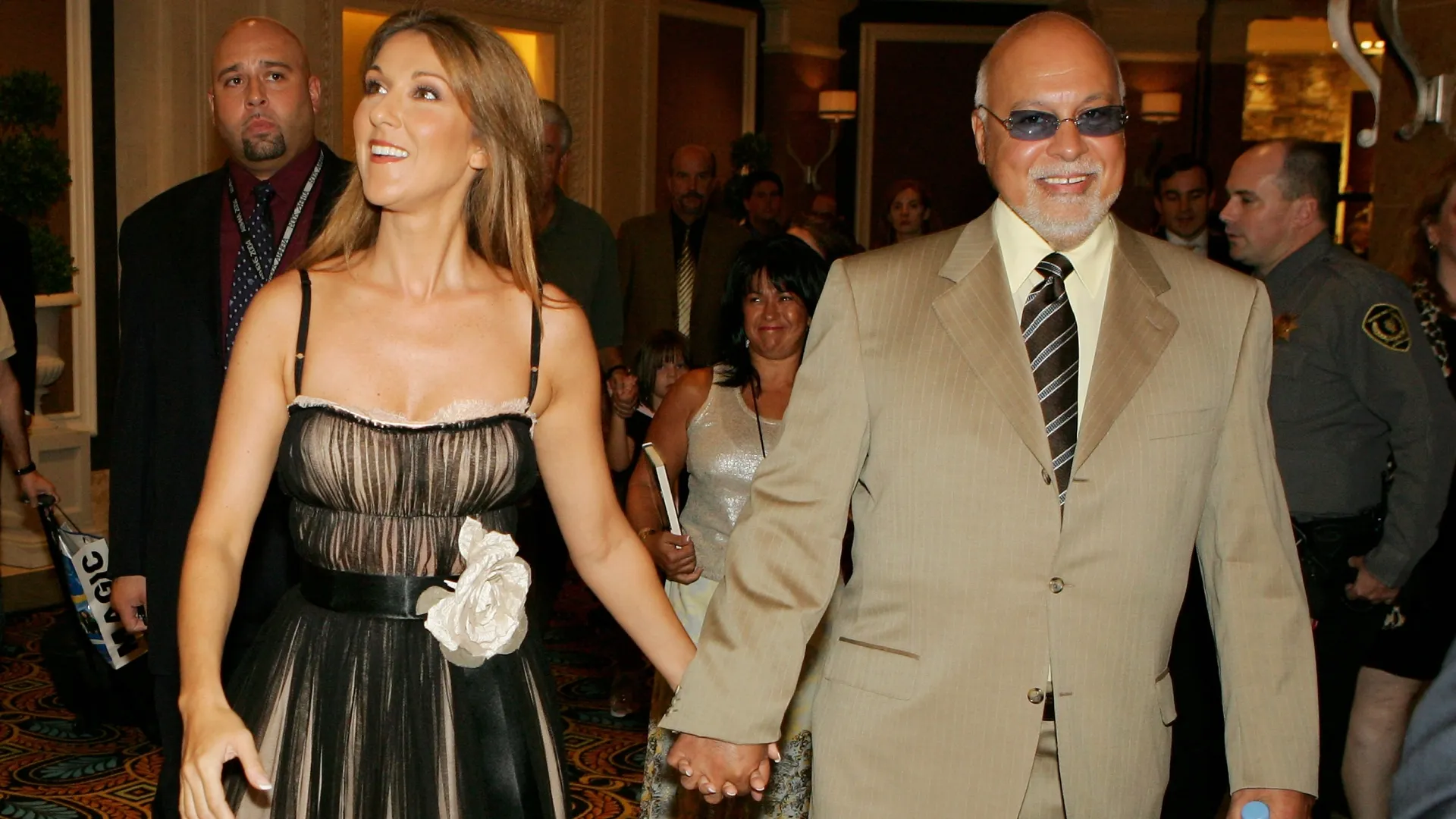
The Enduring Legacy of the Celine Dion and Rene Angelil Marriage
The partnership between Celine Dion and René Angélil remains one of the most studied and significant unions in modern entertainment history. Beyond their marriage, the two established a professional template for artist management, long...
The partnership between Celine Dion and René Angélil remains one of the most studied and significant unions in modern entertainment history. Beyond their marriage, the two established a professional template for artist management, long-term brand building, and the navigation of high-stakes global celebrity, transforming Dion from a regional Quebec talent into a definitive, multi-generational global icon.
Contents
The Foundation of a Musical Dynasty
The origin of the relationship between Celine Dion and René Angélil is rooted in a professional discovery that began in 1980. Angélil, an established music manager in Quebec, famously mortgaged his home to fund Dion’s first album after hearing her demo tape. This initial act of financial risk established a core tenet of their legacy: the total, unwavering commitment to an artist's potential.
Their professional relationship evolved into a personal one in 1987, eventually leading to their marriage in 1994 at the Notre-Dame Basilica in Montreal. The legacy of this marriage is defined by the blurring of lines between personal devotion and professional strategy. Angélil acted not merely as a manager but as the primary architect of Dion’s career trajectory, emphasizing linguistic versatility—moving from French to English markets—and the pursuit of high-production, world-class vocal showcases.
Strategic Management and Global Expansion
The impact of Angélil’s management style, particularly in the context of their marriage, fundamentally changed how superstar careers were sustained. During the 1990s and early 2000s, the music industry underwent rapid shifts toward hyper-commercialization. Angélil navigated these waters by prioritizing longevity over trends.
Key strategies employed during their partnership included:
- Market Diversification: Successfully bridging the gap between Francophone audiences in Europe and Canada and the massive English-language markets in North America and Asia.
- The Las Vegas Residency Model: In 2003, they pioneered the modern residency concept with A New Day... at The Colosseum at Caesars Palace. This move, initially criticized by industry peers, revolutionized the business model for aging legacy acts, providing stability and a high-revenue floor that allowed for creative control.
- Brand Alignment: Ensuring that Dion’s public persona was inseparable from her work ethic, which mirrored the disciplined approach Angélil instilled in his business dealings.
Professional vs. Personal Dynamics
The marriage faced intense public scrutiny, particularly regarding the 26-year age gap. However, the legacy they left behind is largely viewed through the lens of their mutual resilience. Angélil’s ability to secure lucrative contracts and shield Dion from industry pitfalls allowed the singer to focus entirely on the artistic demands of her craft.
This symbiotic relationship was tested during periods of personal health crises, including Angélil's long battle with throat cancer. Their openness regarding his illness toward the end of his life served to humanize their public image, transitioning their legacy from one of clinical, calculated success to one of domestic endurance.
Historical Overview of Milestone Years
The following timeline tracks critical moments that defined the professional and personal arc of their lives together.
| Year | Milestone | Impact on Legacy |
|---|---|---|
| 1980 | Professional Partnership Begins | Angélil discovers Dion; commits financial resources. |
| 1994 | Marriage Ceremony | Solidifies the public face of the partnership. |
| 1997 | My Heart Will Go On | Achieved global peak as a cultural and industry phenomenon. |
| 2003 | A New Day... Launch | Redefined the profitability of Las Vegas residencies. |
| 2016 | Death of René Angélil | Marks the conclusion of their collaborative partnership. |
The Blueprint for Future Generations
Today, in 2026, the blueprint established by Dion and Angélil remains a standard in the music industry. Many modern artists look to the longevity of their brand as a model for how to cultivate a career that survives shifting musical tastes. The emphasis on "quality control" and the willingness to take non-traditional paths—such as the move to Las Vegas—are now fundamental parts of the business-of-music curriculum.
Furthermore, the management principles implemented by Angélil taught the industry that the artist is the primary asset, and protecting that asset requires a long-term fiscal vision. By treating Dion’s voice and image as a singular, evolving brand, they moved away from the "one-hit wonder" cycle that defined much of the music industry in previous decades.
Challenges and Criticism
It would be inaccurate to state that their partnership did not face criticism. The perceived "top-down" management style often led to claims that Dion’s public persona was overly controlled. During the late 1990s, some critics argued that the heavy branding of Dion as an "international diva" stripped away the authentic, spontaneous elements of her early Francophone roots.
However, looking back with a decade of historical context since Angélil’s passing, the prevailing view is that this controlled image was necessary to achieve the level of global dominance they reached. The "legacy" here is the intersection of high-level business strategy with authentic, vocal-centric performance—a combination that is increasingly rare in the era of streaming-first, viral-moment music.
Frequently Asked Questions
What was René Angélil’s specific role in the success of Celine Dion? Angélil served as manager, mentor, and visionary. He handled the high-level negotiations, financial structuring, and long-term planning that allowed Dion to focus exclusively on performance. His biggest contribution was his ability to visualize Dion as an international, rather than just a regional, star.
Did the marriage affect Celine Dion’s music style? The marriage ensured professional continuity. Because Angélil was both husband and manager, the creative direction of Dion’s albums was rarely subject to the conflicting interests of label executives. This consistency allowed her to maintain a signature sound that became instantly recognizable globally.
How did the Las Vegas residency affect their combined legacy? The residency at Caesars Palace changed their legacy from that of traditional pop stars to "industry pioneers." It proved that a pop artist could maintain a consistent, high-revenue career without the physical toll of grueling, non-stop global touring, thereby setting a precedent for artists like Adele or U2 to follow in later years.
What is the current state of their business ventures? As of 2026, the management structures and estates established during their time together continue to oversee the extensive catalog and intellectual property rights associated with Dion’s career. The focus remains on maintaining the integrity of the brand while managing legacy assets effectively.
How is their marriage remembered in the context of celebrity culture? They are remembered as one of the few high-profile couples whose personal and professional lives were perfectly integrated, avoiding the common pitfalls of scandal that frequently disrupt the careers of entertainment power couples.
Recommendations for Further Study
For those interested in the structural impact of this marriage on the music business, it is recommended to review historical music industry journals from the early 2000s regarding the "Vegas shift." Analyzing the transition from the traditional tour-and-promote model to the residency model provides the clearest insight into why the Dion-Angélil partnership was so commercially successful. Their story serves as a definitive case study in the necessity of long-term vision in the volatile world of entertainment management.
Image Gallery