What Happens When Your Child's Name is Not on the Auto Insurance ID Card?
When a child’s name does not appear on your auto insurance identification card, it generally means the insurance carrier has not officially added them to the policy, raising potential questions regarding coverage validity, legal compli...
When a child’s name does not appear on your auto insurance identification card, it generally means the insurance carrier has not officially added them to the policy, raising potential questions regarding coverage validity, legal compliance, and claims processing during an accident.
Contents
Auto insurance policies operate under strict underwriting guidelines, contractual definitions, and state-specific regulatory frameworks. Understanding how insurance companies handle household drivers, permissive users, and dependent minors helps vehicle owners navigate policy requirements safely. Whether your child is a newly licensed teenager, a college student away from home, or an occasional driver of the household vehicles, missing names on a physical ID card demand prompt administrative review and communication with your insurance provider.
Understanding Auto Insurance Identification Cards and Household Drivers
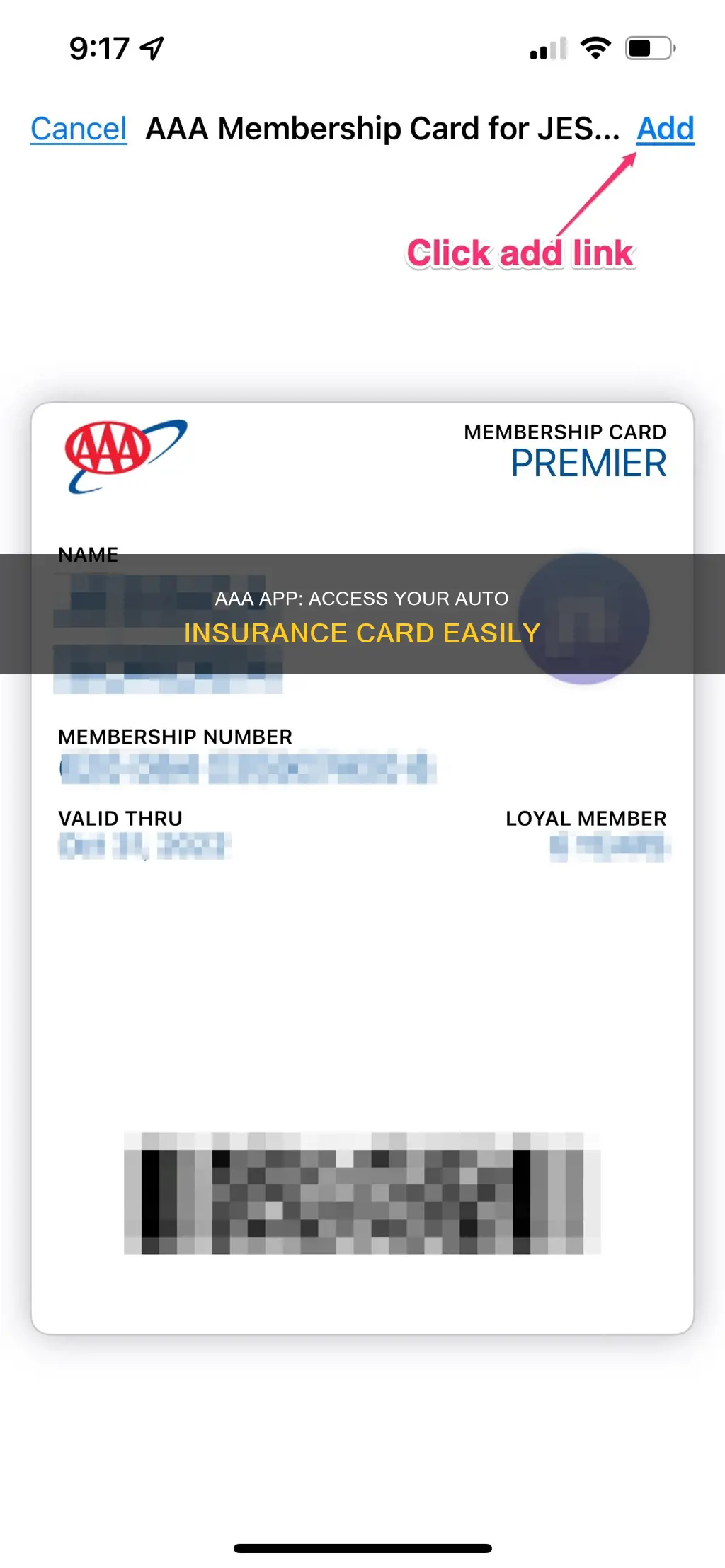
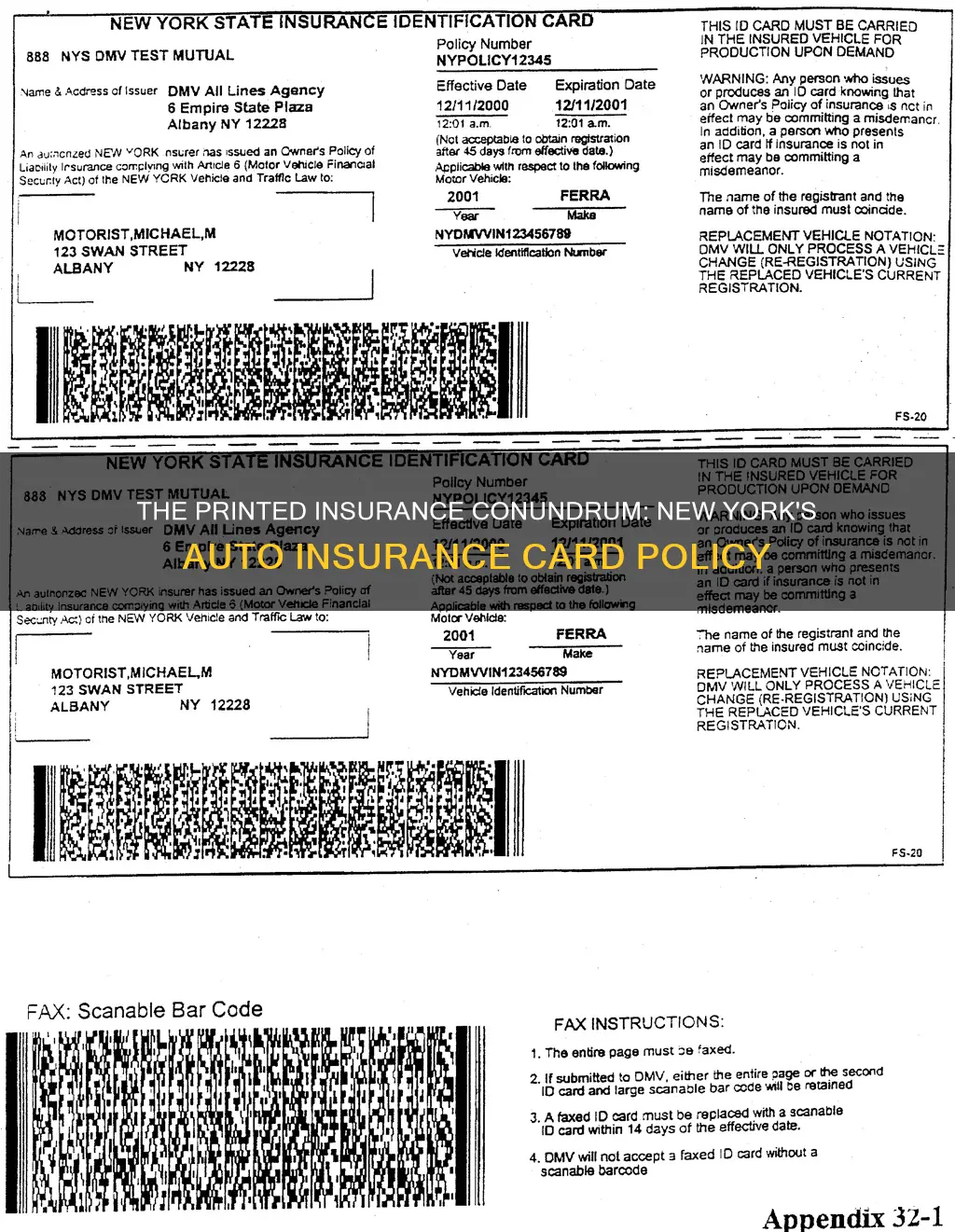
An auto insurance identification card serves as a primary proof-of-insurance document required by law in most jurisdictions during traffic stops, vehicle registrations, and accident investigations. This card displays essential policy details, including the policyholder's name, the policy number, effective dates, the insurance company's NAIC code, and a description of the covered vehicles. However, space constraints and underwriting practices mean that physical insurance cards rarely list every single driver covered under a policy.
Instead of listing every individual, many standard personal auto insurance policies utilize a "named insured" and "resident relative" structure. Under these provisions, anyone related to the named insured by blood, marriage, or adoption who resides in the same household is often extended coverage. Despite this structural inclusion, major auto insurance carriers maintain strict policy rules regarding licensed drivers residing in a household. Underwriting guidelines typically mandate that all licensed household members of driving age must be formally disclosed to the carrier and either explicitly listed on the declarations page or formally excluded in writing.
Therefore, discovering that a child's name is absent from the ID card can stem from several distinct administrative states:
- The child has been added to the policy declarations page, but the insurer does not print individual driver names on the standard physical ID card.
- The child resides in the household, is of driving age, but has not yet been reported to the insurance company.
- The child is an occasional or away-at-school driver whose primary residence status creates complex underwriting classifications.
- The child is a permissive user who does not live in the household and only drives the vehicle occasionally.
Legal and Regulatory Requirements for Driver Disclosure
Insurance contracts are built on the principle of utmost good faith and accurate risk assessment. When an insurer prices an auto policy, the premium reflects the statistical risk profile of the household. A licensed teenager or young adult represents a high-risk demographic due to statistical averages regarding accident frequencies and lack of driving experience. Failing to disclose a licensed child living in the home can carry severe contractual and legal implications.
Most standard auto insurance contracts contain material misrepresentation clauses. If an insurance carrier discovers that a licensed driver of driving age was residing in the household and operating the insured vehicles without being disclosed, the consequences can include:
- Retroactive Premium Adjustments: The insurer may calculate and bill the policyholder for the back-premiums that should have been paid from the date the child became licensed or joined the household.
- Claim Denial: In the event of an accident involving an undisclosed household driver, the insurance carrier may investigate whether the omission constituted material misrepresentation, potentially leading to a denial of coverage for the collision or liability claims.
- Policy Cancellation or Non-Renewal: Discovering an undisclosed driver often triggers an immediate underwriting review, resulting in a notice of cancellation or a refusal to renew the policy at the next term.
Household Residents vs. Occasional Drivers
Insurance companies draw a sharp legal distinction between permanent household residents and temporary or occasional operators. If a child lives full-time with the parent, underwriters generally require them to be rated on the policy. Conversely, if a child is away at college without a vehicle, many insurers offer away-at-school discounts or permit them to remain on the parent's policy without paying the full local rate, provided they only drive when home for holidays or summer breaks.
| Driver Category | Typical Underwriting Status | Impact on ID Card / Policy Documentation |
|---|---|---|
| Resident Licensed Child | Must be rated or formally excluded | Usually listed on declarations page; rarely on ID card |
| College Student (Away) | Listed with distant student discount | Retained on policy; address updated in underwriting file |
| Permissive User (Non-Resident) | Covered under permissive user clause | Not listed on declarations or ID card |
| Formally Excluded Child | Explicitly barred from operating vehicles | Excluded by endorsement; strictly prohibited from driving |
Checking Policy Declarations Versus ID Cards
To determine whether a child is properly covered, policyholders must look past the physical wallet-sized or digital ID card and examine the Declarations Page (often called the "Dec Page"). The Dec Page is the summary document that outlines the active coverages, limits, deductibles, premium amounts, and—crucially—the List of Insured Drivers.
If the child’s name appears on the Declarations Page under the designated drivers section, the child is formally covered under the contract, regardless of whether their name is printed on the physical ID card. Insurance card formats vary widely by carrier; many companies issue cards displaying only the primary policyholder's name followed by phrases like "And Household Residents" or simply list the vehicle VINs without enumerating every driver.
If the child's name does not appear on either the ID card or the Declarations Page, the policyholder must take immediate action. Assuming that general permissive user clauses will protect a resident child is a frequent and costly mistake. Permissive user coverage generally applies to friends, extended family members, or non-resident guests who borrow a car on an infrequent basis, not to resident family members who have regular access to the vehicle.
Steps to Take If Your Child Needs to Be Added
Resolving an omission on your insurance policy requires direct communication with your insurance agent or carrier. Delaying this process leaves the household exposed to financial liability and potential regulatory penalties for operating an uninsured or improperly insured vehicle.
- Review Current Policy Documentation: Locate your most recent declarations page and policy contract to verify which drivers are currently rated and whether any exclusions are active.
- Gather Necessary Information: Prepare your child's legal name, date of birth, driver's license number, date of licensing, and details regarding their primary vehicle usage (e.g., whether they drive a dedicated car or share a family vehicle).
- Contact Your Insurance Provider: Call your agent or use the carrier's customer service portal to report that a household member has reached driving age or obtained a license.
- Inquire About Discounts: Ask your provider about potential premium reductions, such as good student discounts (typically requiring a "B" average or 3.0 GPA for high school or college students), driver's education course completion discounts, or telematics-based safe driving programs.
- Request Updated Documentation: Once the endorsement is processed, request a revised declarations page and updated ID cards (or digital PDF versions) reflecting the updated risk profile.
Financial and Premium Impacts of Adding a Young Driver
Adding a young driver to an auto insurance policy invariably increases the premium. Teenagers and drivers under the age of 25 face the highest insurance rates in the industry because actuarial data indicates a higher statistical probability of claims. Understanding how insurers calculate these costs helps families budget effectively.
Insurers evaluate several factors when pricing coverage for a newly licensed child:
- Vehicle Assignment: Assigning the teen to an older, safety-rated vehicle with high safety ratings and lower collision and comprehensive repair costs is significantly cheaper than listing them as the primary driver on a brand-new vehicle or sports car.
- Deductible Adjustments: Raising comprehensive and collision deductibles can offset a portion of the premium spike, though policyholders must ensure they can afford the out-of-pocket expense in the event of a claim.
- Liability Limits: While managing costs is essential, maintaining adequate liability limits (such as 100/300/100 coverage) protects family assets against catastrophic lawsuits resulting from accidents involving inexperienced drivers.
According to industry data compiled by organizations like the Insurance Information Institute (III), adding a teen driver to an existing parent policy is almost always more affordable than purchasing a separate, standalone policy for a minor, who lacks an established credit history and prior insurance score.
Common Mistakes and Misconceptions
Misunderstandings regarding auto insurance rules for children frequently lead to denied claims and canceled policies. Avoiding these common pitfalls ensures continuous compliance and financial protection.
- The "Permissive User" Fallacy: Believing that a resident child can be classified as a permissive user indefinitely. Insurers review household driving records during claims investigations; if a resident child living at the same address has an accident while driving a family car, the insurer will discover they reside in the home and may deny coverage for misrepresentation.
- Failing to Update Away-at-School Status: Assuming that a college student away at school does not need to be reported. While their rate may be adjusted downward, keeping the carrier informed ensures that coverage remains active when they return home for breaks.
- Hiding a Teen Driver to Save Money: Omitting a licensed teen from the policy to avoid premium increases constitutes insurance fraud in many jurisdictions. If discovered post-accident, the carrier can rescind the policy entirely, leaving the family entirely financially responsible for all damages and injuries.
- Ignoring Good Student Discounts: Failing to submit high school or college report cards to qualify for available academic discounts, leaving money on the table.
Frequently Asked Questions
Does an auto insurance ID card need to list every driver's name?
No. Most auto insurance companies do not list every driver's name on the physical ID card due to space limitations and format standardization. The ID card primarily validates that the vehicle is insured, displaying the policyholder, policy number, and vehicle descriptions. Driver names are maintained internally on the policy's Declarations Page.
Can my child drive my car if their name is not on the insurance card?
It depends entirely on whether they reside in your household and whether they are disclosed on the policy. If the child lives elsewhere and borrows the car occasionally, they are typically covered as a permissive user. If the child is a resident family member of driving age, they must be disclosed and rated on the policy; driving without being disclosed risks claim denial.
What should I do if my child gets pulled over and their name isn't on the card?
Law enforcement officers verify auto insurance by checking the vehicle's registration and policy status through state electronic databases, not by cross-referencing driver names against the physical ID card. As long as the vehicle is insured and the policy is active, presenting the valid ID card is legally sufficient, provided the driver is properly authorized under the policy terms.
How soon must I add a teenager to my auto insurance policy?
You should contact your insurance carrier as soon as your child obtains a learner's permit or driver's license. While some insurers do not require learner's permit holders to be rated until they receive a full license, policies vary. Reporting license issuance immediately prevents accidental gaps in coverage or compliance issues.
Can I exclude my child from my auto insurance policy to avoid high rates?
In many states, yes, you can sign a named driver exclusion endorsement that explicitly bars your child from operating your vehicles. However, if an excluded child drives your car and gets into an accident, zero coverage will apply for that incident, leaving the family personally liable for all property damage and medical bills.
Conclusion
Finding that your child's name is missing from your auto insurance ID card requires verifying your policy declarations page rather than relying solely on wallet cards. If your child is a resident household driver, ensuring they are formally rated or correctly classified on the policy protects your family from claim denials, retroactive premium penalties, and severe financial liability. Contact your insurance agent today to review your declarations page, confirm your household driver roster, and secure appropriate coverage for your young driver.
Image Gallery