Ted McGinley’s Role as Stan Gable in Revenge of the Nerds
In the 1984 cult classic Revenge of the Nerds, Ted McGinley portrays Stan Gable, the quintessential "Alpha Male" antagonist and leader of the Alpha Beta fraternity. As the film's primary foil to the social outcasts, McGinley’s performa...
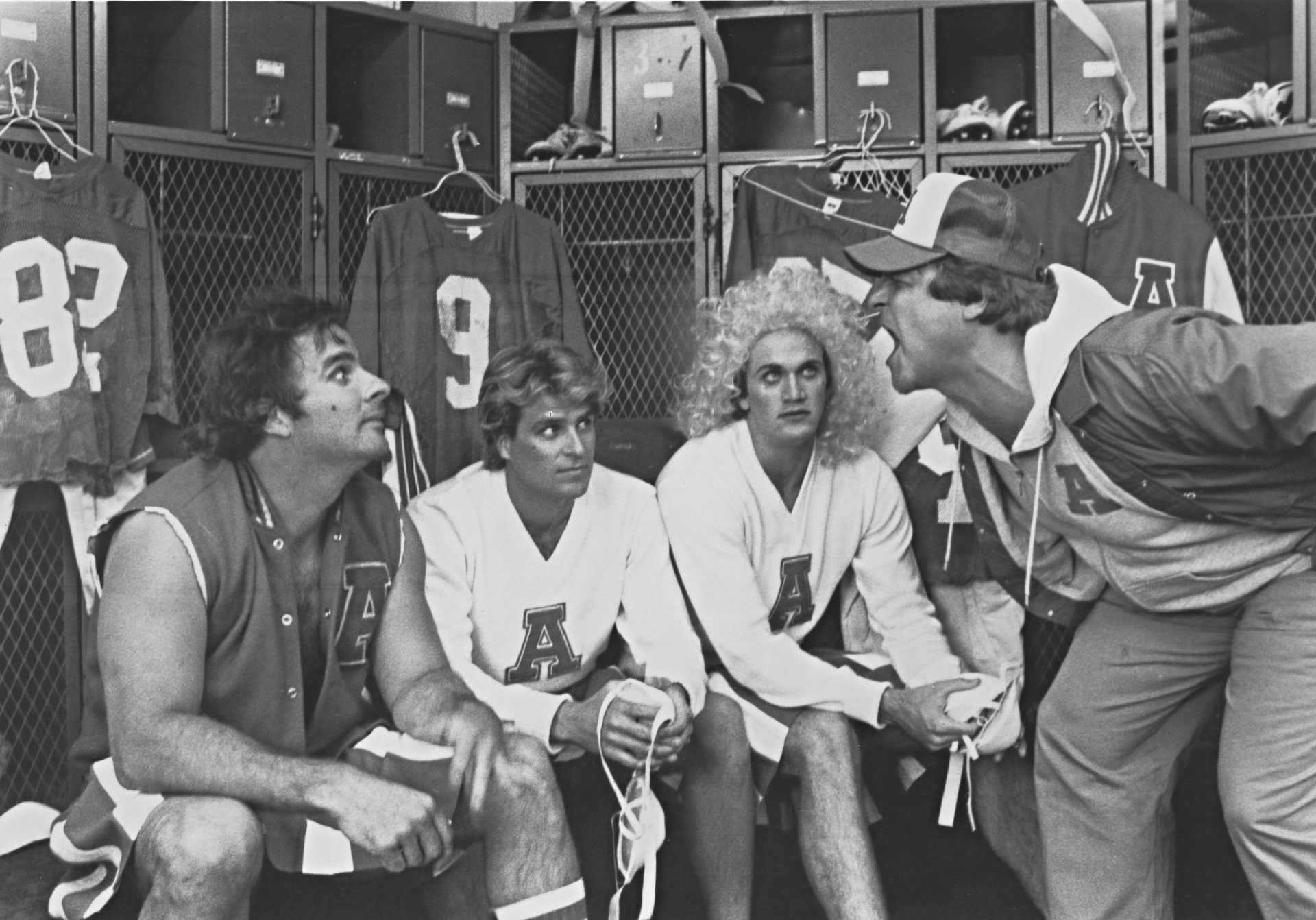
In the 1984 cult classic Revenge of the Nerds, Ted McGinley portrays Stan Gable, the quintessential "Alpha Male" antagonist and leader of the Alpha Beta fraternity. As the film's primary foil to the social outcasts, McGinley’s performance established the blueprint for the arrogant, high-status campus athlete archetype, providing the essential conflict required to drive the movie’s narrative of social retribution.
Contents
The Significance of Stan Gable in Cinematic Archetypes
To understand Ted McGinley’s impact in Revenge of the Nerds, one must analyze the role of Stan Gable within the 1980s "college comedy" genre. In 1984, the transition from late-70s raunchy humor to the more structured narrative arcs of the mid-80s was well underway. Stan Gable serves as the living embodiment of the "Greek system" hierarchy that the film seeks to dismantle.
McGinley, who had already gained significant television exposure, brought a specific physicality to the role. He played Gable not merely as a bully, but as a man whose entire self-worth was predicated on institutional prestige. By portraying Gable with a mixture of practiced charm and casual cruelty, McGinley allowed the audience to clearly identify the "villain" without the need for excessive exposition. His performance provided the necessary friction for the "Nerds"—Lewis Skolnick and Gilbert Lowell—to overcome. Without a credible antagonist who represented the pinnacle of social acceptance, the victory of the Tri-Lambda fraternity would have lacked its requisite catharsis.
Character Development and Narrative Function
Stan Gable’s function in the film is to serve as the gatekeeper of social status at Adams College. When Lewis and Gilbert arrive on campus, Gable is the one who initiates the degradation of their status, highlighting the unfair divide between the jocks and the outsiders.
McGinley’s portrayal is particularly effective because he maintains an air of indifference toward his victims. He does not view the nerds as rivals; he views them as background noise, beneath his notice. This apathy is what makes the final act of the movie—the talent show and the subsequent student body vote—so satisfying for the viewer. As the narrative progresses, Gable’s frustration mounts as his absolute control over the social order begins to fracture. McGinley expertly navigates this transition, shifting from a confident, untouchable leader to a man whose status is being stripped away by the very people he deemed irrelevant.
The Casting Choice: Beyond the Typical Bully
Ted McGinley’s casting was a deliberate choice by the production team. By 1984, McGinley was already known for his work on Happy Days and The Love Boat. He possessed the "All-American" aesthetic—a chiseled jawline, an athletic build, and a charismatic, albeit smug, smile. In the context of Revenge of the Nerds, this aesthetic was weaponized.
By casting a conventionally attractive actor, the film forced the audience to confront the absurdity of the "jock vs. nerd" dichotomy. Gable represents the facade of perfection. McGinley understood that for the film to work, Gable had to be believable as someone who would be elected class president or fraternity leader. If the character had been played as a cartoonish villain, the stakes of the nerds' struggles would have been diminished. McGinley provided the grounded, realistic, and occasionally toxic presence that made the nerds’ triumph meaningful.
Comparative Analysis of Campus Antagonists
It is helpful to contrast Gable with other cinematic bullies of the same era. While characters like Biff Tannen in Back to the Future rely on physical intimidation, Gable relies on institutional power.
| Feature | Stan Gable (Revenge of the Nerds) | Conventional Bullies (e.g., Biff Tannen) |
|---|---|---|
| Primary Method | Social exclusion, fraternity power | Physical threats, intimidation |
| Status Source | Fraternal status, athletic success | Aggression, brute strength |
| Motivation | Maintaining the social status quo | Personal gratification/dominance |
| Relationship to Hero | Dismissive; ignores their humanity | Active hostility; direct confrontation |
As shown in the table above, McGinley’s character is distinct because his power is rooted in the structure of the university. This makes him a more complex antagonist than a simple thug, as he believes, genuinely, that he is the rightful leader of the campus.
The Cultural Legacy of the Performance
Looking back from 2026, the character of Stan Gable has become a shorthand for a specific era of collegiate entitlement. Ted McGinley’s performance is frequently cited in retrospectives because it transcended the typical "bad guy" role. He managed to create a character that audiences loved to hate.
The film's exploration of social hierarchies—while dated in its execution—remains a case study in how antagonistic roles can anchor a comedy. McGinley’s work in this film cemented his status as a go-to character actor for roles that required a mix of vanity and arrogance, a skill set he would utilize in later high-profile roles throughout the 1990s and early 2000s. His performance serves as a reminder that the "straight man" (or the villain in this instance) is often the glue that holds a comedic ensemble together.
Frequently Asked Questions
Did Ted McGinley improvise his lines in Revenge of the Nerds? While the script for the film was quite structured, McGinley often brought a level of naturalistic arrogance to the character through subtle facial expressions and delivery tweaks, which added depth beyond the written dialogue.
Is Stan Gable the only role of this type that Ted McGinley played? While he is best known for this role, McGinley often played variations of the "arrogant, handsome guy" early in his career, though he later diversified his resume significantly with roles in Married... with Children and other projects.
How did the audience respond to Stan Gable in 1984? Contemporary reviews and audience reactions characterized Gable as the perfect foil for the nerds. His performance was widely praised for being detestable in exactly the way the script demanded, ensuring the audience was fully invested in the nerds' success.
Does Stan Gable appear in the sequels? Yes, Ted McGinley reprised his role in Revenge of the Nerds II: Nerds in Paradise, continuing the narrative of his rivalry with the protagonists, albeit in a different setting.
Why does the role of Stan Gable matter to film historians? It serves as a prime example of the "80s College Comedy" archetype. It demonstrated how casting a conventionally attractive actor as a villain could enhance the themes of social commentary and class struggle within the film.
Next Steps for Enthusiasts
If you are interested in further exploring the impact of Revenge of the Nerds, consider viewing contemporary behind-the-scenes documentaries or reading critical retrospectives published on the 40th anniversary of the film. Comparing the campus culture depicted in 1984 to modern representations of university life can provide additional context on how the "Alpha" archetype has evolved or persisted in media.
Image Gallery