The Role of Preiss in Automotive Design: Engineering, Composites, and Cost Optimization
In automotive design, preiss references key material and structural engineering disciplines—most prominently the integration of glass fiber composite solutions from industrial suppliers like Preiss-Daimler (P-D Group) for vehicle light...
In automotive design, preiss references key material and structural engineering disciplines—most prominently the integration of glass fiber composite solutions from industrial suppliers like Preiss-Daimler (P-D Group) for vehicle lightweighting, press tooling constraints in body-in-white (BIW) stamping, and target cost ("Preis") engineering frameworks that balance styling aesthetics with mass-production feasibility.
Contents
Disambiguating Preiss in Automotive Engineering
The term preiss within the automotive domain intersects three distinct engineering and manufacturing functions. Understanding how these disciplines converge is essential for vehicle designers, body-in-white (BIW) engineers, and program managers working on modern automotive platforms.
- Composite Materials Integration (Preiss-Daimler / P-D Group): Industrial glass fibers, technical textiles, and roving manufactured by suppliers such as Preiss-Daimler play a critical role in composite lightweighting, structural reinforcements, thermal insulation, and battery enclosures for electric vehicles (EVs).
- Press Tooling and Sheet Metal Stamping Constraints: Commonly referred to phonetically or typographically as press engineering, this domain governs how exterior styling surfaces (A-Class surfaces) are translated into manufacturable stamped metal or aluminum panels without material splitting, wrinkling, or excessive springback.
- Design-to-Cost ("Preis"-Driven Engineering): Rooted in German automotive engineering frameworks, target pricing (Preiskalkulation) and Design-to-Cost (DtC) dictate the financial boundaries of vehicle development. Cost targets set during concept definition dictate material selection, part consolidation, and tooling investments.
Evaluating these three facets reveals how material capability, manufacturing limits, and financial metrics continuously shape modern vehicle architecture.
Preiss-Daimler Composites and Automotive Lightweighting
As global emissions regulations tighten and electric vehicle range optimization becomes paramount, reducing curb weight without compromising structural rigidity is a core engineering objective. Composite materials, particularly high-performance glass fibers provided by specialized manufacturers like the Preiss-Daimler Group (P-D Group), provide essential material characteristics for modern vehicle structures.
- Raw Glass Filament / Roving
- Textile Processing (Woven Fabrics, Non-Crimp Fabrics, Mats)
- Molding Processes (RTM, SMC, Structural Compression Molding)
- Automotive Component Application (EV Trays, Body Panels, Bumper)
Technical Glass Fiber Applications
Glass fibers manufactured for automotive applications are supplied in several functional forms:
- Direct Rovings: Used in filament winding and pultrusion processes to manufacture structural tubes, drive shafts, and composite cross-members.
- Non-Crimp Fabrics (NCF): Multiaxial fiber layers stitched without yarn crimp, optimizing load-bearing performance along primary stress vectors in structural body parts.
- Chopped Strand Mats and Sheet Molding Compounds (SMC): Used for molding exterior body panels, tailgates, and underbody aerodynamic shields where multidirectional mechanical strength and rapid cycle times are required.
Electric Vehicle Battery Enclosures and Structural Reinforcements
In electric vehicle architecture, glass fiber reinforced polymers (GFRP) offer key functional advantages over traditional stamped steel or extruded aluminum:
- Thermal and Fire Insulation: High thermal resistance prevents rapid thermal runaway propagation between battery cells and the passenger cabin.
- Corrosion and Environmental Resistance: Composite floor structures resist road salts, moisture, and chemical exposure without requiring secondary anti-corrosion coatings.
- Dielectric Insulation: Glass fiber composites serve as an electrical insulator, preventing short circuits between high-voltage battery modules and the vehicle chassis.
- Mass Reduction: GFRP components deliver weight savings of 20% to 40% compared to equivalent steel assemblies, directly extending vehicle battery range.
Press Tooling and Stamping Feasibility in Body Design
A major challenge in automotive design is translating a concept designer's aesthetic vision into press-feasible sheet metal panels. Press tooling engineering acts as the physical bridge between styling studios and mass assembly plants.
A-Class Surfacing and Draw Feasibility
Exterior panels—such as hoods, fenders, door skins, and quarter panels—are modeled as A-Class surfaces, requiring flawless optical reflections. However, a deep styling crease or aggressive curve may exceed the strain limits of the selected material during stamping.
When evaluating press feasibility, stamping engineers analyze several crucial parameters:
- Draw Depth and Stretch Limits: Deeply sculpted panels require high material ductility. If the draw depth exceeds the Formability Limit Diagram (FLD) threshold of the alloy, the metal will tear or neck during the press stroke.
- Minimum Radius Constraints: Sharp styling lines require tight punch and die radii. Radii that are too tight create localized stress concentrations, causing surface micro-cracking or tool wear.
- Springback Elasticity: Advanced High-Strength Steels (AHSS) and Ultra-High-Strength Steels (UHSS) exhibit elastic recovery after the press unloads. Tooling dies must be compensated using computer-aided engineering (CAE) algorithms to counteract springback and achieve true panel geometry.
Press Line Operations and Tooling Architecture
Automotive stamping operates across specialized press line configurations:
- Tandem Press Lines: A sequence of individual mechanical or servo-hydraulic presses performing consecutive operations (draw, trim, pierce, bend, flange).
- Transfer Presses: A single large press frame containing multiple die stations, where mechanical transfer arms move the panel through sequential forming stages at high stroke rates.
- Servo-Electric Presses: Modern press technology allowing precise velocity and force control throughout the stroke, enabling complex deep-drawing of difficult materials like aluminum 6000-series alloys.
Design-to-Cost (Preis) Frameworks in Vehicle Architecture
Vehicle manufacturing relies heavily on target cost engineering—frequently designated as Preis-management in European OEM product creation processes. Design-to-Cost (DtC) enforces cost targets early in the concept development stage, ensuring that creative designs align with financial return metrics.
Capital Expenditure (CapEx) vs. Operational Expenditure (OpEx)
Every automotive design decision carries dual financial consequences:
- Tooling CapEx: Stamping dies, injection molds, and assembly jigs represent significant upfront investments. A single complex quarter panel stamping die set can cost millions of dollars.
- Piece Price OpEx: The recurring cost of raw materials, cycle time, labor, and scrap rates for every vehicle produced.
Target cost frameworks require engineering teams to evaluate trade-offs between part consolidation and tooling expense. For example, replacing a five-piece welded steel inner door assembly with a single, complex resin-transfer-molded composite panel increases initial tooling tooling costs but dramatically reduces sub-assembly labor, joining fasteners, and overall vehicle weight.
Modularity and Scalable Tooling Strategies
To balance strict cost boundaries, automotive OEMs employ platform modularity:
- Shared Hard Points: Critical structural dimensions (such as front bulkhead-to-axle distance) are standardized across multiple model variants, enabling shared stamping dies and press lines.
- Flexible Carry-Over Parts (COP): Non-visible structural stampings, bracketry, and internal reinforcement channels are reused across vehicle lines to amortize tooling expenditure over higher production volumes.
Technical Comparison of Automotive Forming and Composite Technologies
Selecting the appropriate material and manufacturing route requires balancing mechanical properties, mass, cycle time, and tooling investment. The following comparison outlines the primary structural materials utilized in contemporary automotive design.
| Parameter / Feature | Glass Fiber Composites (P-D Group Type) | Stamped High-Strength Steel (AHSS/UHSS) | Formed Aluminum Sheet (6000-Series) | Structural Molded Thermoplastics |
|---|---|---|---|---|
| Density (g/cm³) | 1.8 – 2.0 | 7.85 | 2.70 | 1.2 – 1.5 |
| Tensile Strength (MPa) | 400 – 1,200 | 600 – 1,500 | 250 – 380 | 100 – 250 |
| Tooling Investment | Moderate (RTM / Compression Molds) | Very High (Multi-Stage Press Tooling Sets) | High (Specialized Hardened Stamping Dies) | Moderate to High (Injection Molds) |
| Production Cycle Time | 60 – 240 seconds | 2 – 5 seconds | 3 – 8 seconds | 30 – 90 seconds |
| Corrosion Resistance | Excellent (Inherent) | Poor (Requires Galvanizing & E-Coat) | Good (Passivation Layer) | Excellent (Inherent) |
| Springback / Distortion Risk | Low (Thermal Shrinkage Only) | High to Very High (Requires Die Compensation) | Moderate to High | Low to Moderate |
| Recyclability | Complex (Thermal/Chemical Pyrolysis) | Excellent (Direct Scrap Melting) | Excellent (Closed-Loop Sorting) | Good (Mechanical Regrind/Remelt) |
Integrating Preiss Principles Across the Vehicle Lifecycle
Implementing structural composites, press feasibility, and target cost discipline requires a structured approach throughout the Automotive Product Creation Process (APCP).
- Phase 1: Concept & Styling
- Phase 2: CAE Simulation & Feasibility
- Phase 3: Tooling Tryout & Pre-Series
- Phase 4: Full-Scale Mass Production
Phase 1: Concept Definition and Target Setting
- Styling studios generate initial vehicle proportions and A-Class digital surface models using tools such as Autodesk Alias or ICEM Surf.
- Target cost engineering establishes piece-price (Preis) ceilings, maximum tool investment budgets, and target curb weight limits based on market positioning.
- Material selection frameworks determine where metallic stampings, aluminum extrusions, or glass fiber composites will be deployed across the body structure.
Phase 2: Computer-Aided Engineering (CAE) and Feasibility Simulation
- Stamping engineers perform incremental sheet-metal forming simulations using software like AutoForm or PAM-STAMP to identify thinning, wrinkling, and springback risks on A-Class surfaces.
- Structural engineers run Finite Element Analysis (FEA) using tools like Altair OptiStruct or LS-DYNA to optimize fiber orientation in composite parts and simulate crashworthiness (e.g., Euro NCAP and IIHS safety impacts).
- Design iterations adjust panel draw depths, flange angles, and corner radii to align styling intent with manufacturing limits before steel is cut for dies.
Phase 3: Tooling Tryout and Pre-Series Validation
- Toolmakers fabricate prototype stamping dies and composite compression molds.
- Pre-series production runs validate actual material flow, springback characteristics, resin cure times, and assembly fit-up tolerances.
- Quality assurance teams inspect panel geometry using 3D laser scanning and coordinate measuring machines (CMM) to compare physical parts against original CAD nominal data.
Phase 4: Full-Scale Mass Production
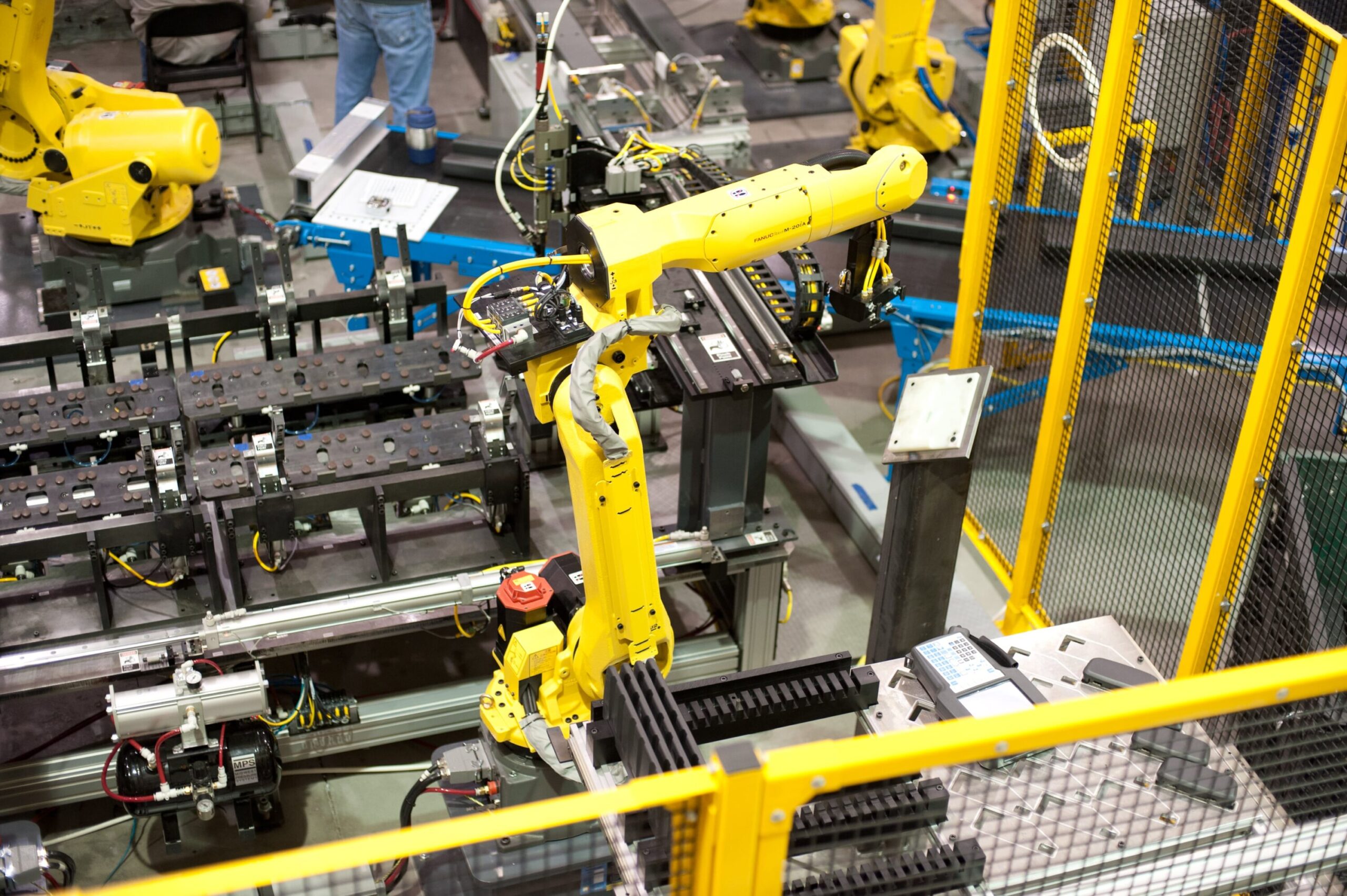
- Stamping lines operate under automated robotic transfer setups, achieving high strokes-per-minute (SPM) efficiency.
- Automated resin transfer molding (RTM) or compression molding cells produce structural glass fiber composite components.
- Continuous inline vision monitoring and statistical process control (SPC) ensure dimensional stability across thousands of production cycles.
Frequently Asked Questions
What does "Preiss" mean in the context of automotive design?
"Preiss" primary applies to three areas in automotive engineering: glass fiber reinforcement materials from suppliers such as Preiss-Daimler (P-D Group) used in vehicle lightweighting; press tooling engineering, which governs the stamping feasibility of sheet metal surfaces; and target cost engineering ("Preis"-management), which manages cost boundaries throughout vehicle development.
How do glass fiber composites contribute to electric vehicle (EV) design?
Glass fiber composites from specialized producers offer high strength-to-weight ratios, intrinsic electrical insulation, corrosion resistance, and thermal insulation. These properties make them ideal for structural EV battery enclosures, underbody protective shields, and lightweight structural body components that help extend battery driving range.
How do press forming limits constrain car exterior styling?
Sheet metal and aluminum alloys have physical ductility boundaries. If an exterior styling design incorporates excessively sharp creases, extreme draw depths, or tight corner radii, the panel may split or wrinkle during the stamping process. Stamping simulation ensures surface designs remain manufacturable while preserving aesthetic quality.
What is Design-to-Cost (Preis-oriented design) in auto manufacturing?
Design-to-Cost (DtC) is a disciplined engineering methodology where pre-determined cost targets directly influence design decisions. Instead of calculating costs after a vehicle is designed, target pricing dictates material selection, component consolidation, and manufacturing complexity right from the initial sketch phase.
How is springback compensated during press tooling design?
When high-strength steel or aluminum panels are stamped, the elastic properties of the metal cause the panel to spring back slightly after press pressure is released. Engineers use non-linear finite element simulation tools to calculate springback behavior in advance, intentionally distorting the press die surfaces in reverse so the finished stamped part relaxes into its precise target shape.
Practical Recommendations for Automotive Engineering Teams
To optimize material performance, structural integrity, and production efficiency across upcoming vehicle programs, design and engineering departments should adhere to the following recommendations:
- Conduct Early Cross-Functional Feasibility Reviews: Connect concept stylists, stamping engineers, composite specialists, and cost estimators during the pre-concept phase (Phase 0/1). Resolving surface draw feasibility and material selection early prevents costly late-stage tooling modifications.
- Deploy Advanced Forming and Mold Flow Simulations: Mandate full digital validation—including stamping thinning analysis, springback compensation, and composite resin flow simulation—prior to signing off on hard tooling capital expenditure.
- Leverage Hybrid Material Strategies: Rather than relying exclusively on traditional steel stampings or expensive carbon fiber, deploy multi-material body-in-white (BIW) concepts. Utilize high-volume stamped steel for core safety cells, aluminum for closure panels, and glass fiber composites (such as Preiss-Daimler structural textiles) for EV battery trays and non-structural covers.
- Enforce Target Cost Management at the Part-Number Level: Integrate Preis (cost target) tracking directly into product lifecycle management (PLM) workflows. Ensure every engineering change request (ECR) evaluates both tooling CapEx and piece-price OpEx against the baseline program business case.
Image Gallery