Understanding Whole Life Insurance Investment Rights in 2026
Whole life insurance investment rights refer to the contractual entitlements granted to a policyholder regarding the cash value accumulation, dividend participation, and capital access within a permanent life insurance contract. These...
Whole life insurance investment rights refer to the contractual entitlements granted to a policyholder regarding the cash value accumulation, dividend participation, and capital access within a permanent life insurance contract. These rights allow owners to manage the policy’s living benefits, including the right to borrow against equity, dictate dividend reinvestment strategies, and exercise non-forfeiture options to preserve the investment's value.
Contents
Whole life insurance is often misunderstood as a simple protection product, but for the sophisticated policyholder in 2026, it serves as a complex financial instrument. Unlike term insurance, which provides coverage for a specific duration without any residual value, whole life insurance creates a "bundle of rights." These rights are legally binding and are outlined in the policy contract issued by the mutual or stock insurance carrier. As interest rates have stabilized in the mid-2020s, understanding how to exercise these investment rights is crucial for maximizing the internal rate of return (IRR) and ensuring the policy aligns with broader wealth management goals.
The Foundation of Policy Ownership Rights
When you purchase a whole life insurance policy, you are not merely buying a death benefit; you are acquiring an asset with specific ownership rights. The "owner" of the policy—who may or may not be the "insured"—holds the legal authority to execute all investment-related decisions.
The Right to Designate and Change Beneficiaries
While often viewed as a death benefit feature, the right to name a beneficiary is a core ownership right. In an investment context, this allows for strategic estate planning. Policyholders can name individuals, trusts, or charitable organizations. By 2026, many investors use irrevocable life insurance trusts (ILITs) to house these policies, effectively transferring the ownership rights to a trustee to remove the asset from the grantor's taxable estate while still funding the policy for its investment growth.
The Right to Assign the Policy
One of the most powerful investment rights is the right to "assignment." This allows the policyholder to use the policy as collateral for a loan from a third-party lender, such as a bank. This is known as a collateral assignment. Because whole life policies have a guaranteed cash value growth trajectory, banks often view them as high-quality collateral, frequently offering lower interest rates on lines of credit than they would for unsecured loans.
The Right to Surrender for Cash Value
The policyholder has the absolute right to cancel the contract and receive the "net cash surrender value." While surrendering a policy is often a last resort, it represents the ultimate liquidity right. In 2026, the calculations for surrender values remain governed by the Standard Nonforfeiture Law, ensuring that the insurance company provides a fair equity return to the policyholder upon termination of the contract.
Navigating the Cash Value Component
The cash value is the "investment" side of a whole life policy. Your rights regarding this component are what distinguish whole life from other forms of insurance.
Guaranteed Growth Rights
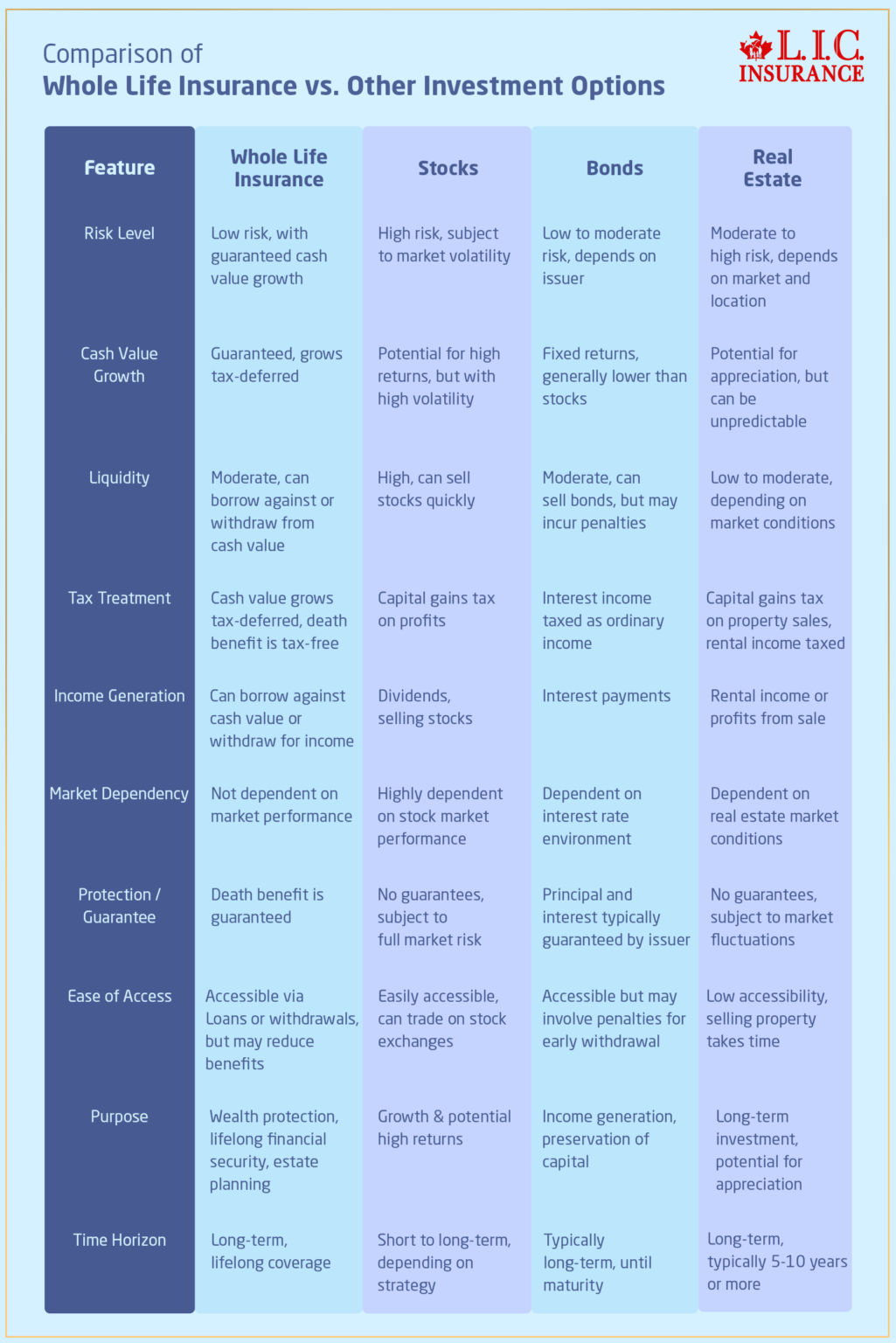
A hallmark of whole life insurance is the contractual guarantee that the cash value will grow at a minimum specified rate. In the current 2026 economic environment, these guaranteed rates typically range between 2% and 3.5%, depending on when the policy was issued. The insurance company is legally obligated to credit these gains regardless of stock market performance, making this a "right to principal preservation" that few other investment vehicles offer.
The Right to Non-Forfeiture Options
If a policyholder decides they can no longer pay premiums, they do not simply lose their investment. They have the right to exercise non-forfeiture options. These include:
- Reduced Paid-Up Insurance: The cash value is used as a single premium to purchase a smaller death benefit that is fully paid up. No further premiums are due, but the investment continues to grow.
- Extended Term Insurance: The cash value is used to purchase term insurance for the full original death benefit for as long a period as the cash value allows.
- Cash Surrender: As mentioned, taking the lump sum of the accumulated equity.
Exercising Dividend Options in Participating Policies
For those holding policies with mutual insurance companies, the "right to participate" is perhaps the most significant investment right. Dividends are essentially a return of excess premium and a share of the company’s profits. While dividends are never guaranteed, the right to choose how they are applied is a critical lever for policy performance.
Dividend Selection Options in 2026
| Option | Description | Investment Impact |
|---|---|---|
| Paid-Up Additions (PUA) | Uses dividends to buy additional "mini" whole life policies. | High: Compounds growth and increases both death benefit and cash value. |
| Accumulate at Interest | Dividends are held in a side account that earns interest. | Moderate: Earns interest (taxable), but does not increase the insurance base. |
| Premium Reduction | Dividends are applied toward the annual premium. | Neutral: Reduces out-of-pocket costs but slows cash value growth. |
| Cash Payment | The company sends a check directly to the policyholder. | Low: Provides immediate liquidity but ends the compounding of that capital. |
| One-Year Term | Dividends purchase one-year term insurance. | Low: Maximizes temporary death benefit; minimal investment utility. |
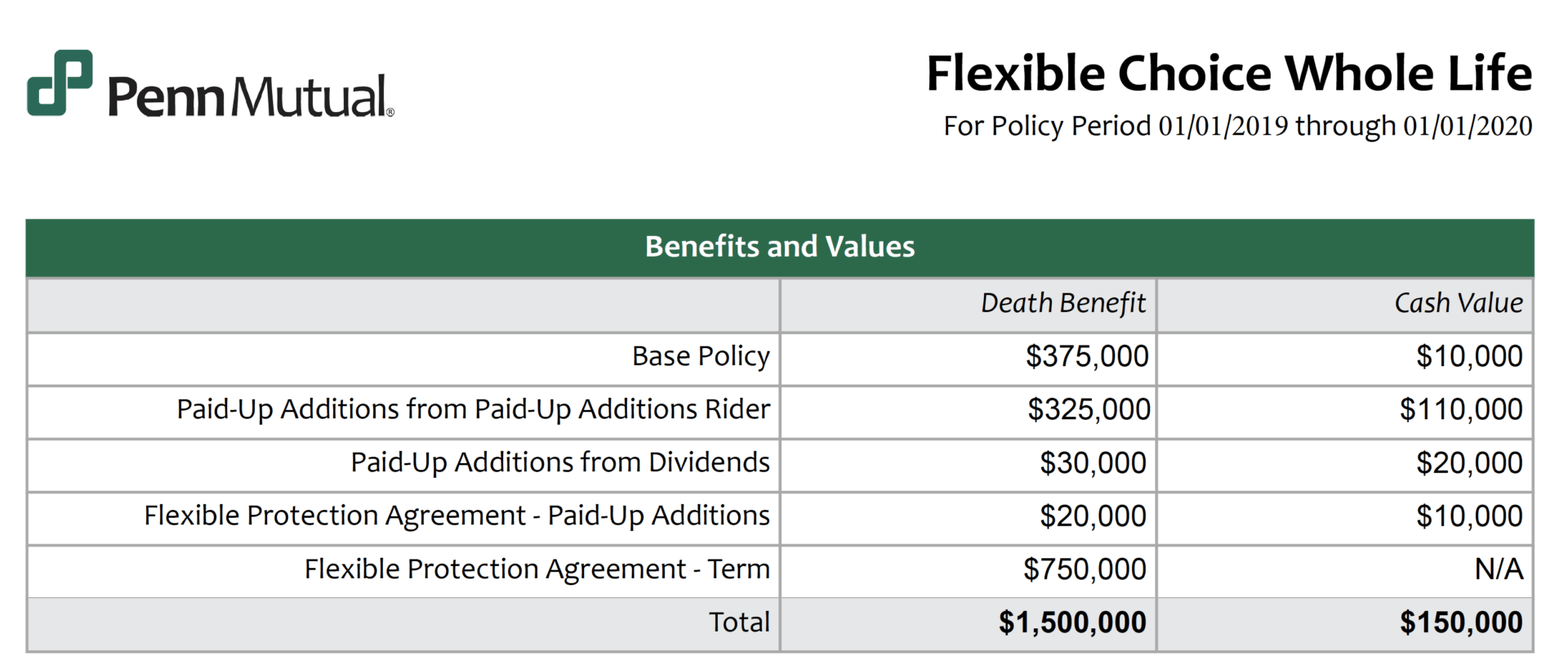
The "Right to Paid-Up Additions" is the primary strategy used by investors to "overfund" a policy. By selecting this option, the policyholder ensures that every dollar of dividends is reinvested into the policy’s tax-advantaged shell, accelerating the compounding effect.
Accessing Capital: Policy Loan Rights
A unique "investment right" of whole life insurance is the right to access capital without technically withdrawing it. This is achieved through policy loans.
The Mechanics of Policy Loans
When you take a policy loan, you are not borrowing your money; you are borrowing from the insurance company's general fund, using your cash value as collateral. Because your cash value remains inside the policy, it continues to earn interest and potentially dividends.
In 2026, carriers typically offer two types of loan interest structures:
- Fixed Interest: A set rate defined in the contract (e.g., 5% or 6%).
- Variable Interest: A rate tied to an index, such as the Moody’s Corporate Bond Yield.
The "Right to Borrow" is non-recourse, meaning it does not require a credit check, and there is no mandatory repayment schedule. However, if the loan balance plus accrued interest exceeds the cash value, the policy will lapse, potentially triggering a significant tax liability.
Legal and Tax Frameworks Governing Investment Rights
The investment rights within a whole life policy are protected and limited by federal and state laws. In the United States, the primary governing body for the tax-advantaged status of these rights is the Internal Revenue Code, specifically Section 7702.
Tax-Deferred Growth
Policyholders have the right to tax-deferred growth on all cash value accumulations. Unlike a brokerage account where capital gains and dividends are taxed annually, the internal growth of a whole life policy is not taxed as long as the funds remain within the policy.
The FIFO Accounting Advantage
When withdrawing cash (rather than borrowing), the IRS allows for "First-In, First-Out" (FIFO) treatment. This means you have the right to withdraw your "basis"—the total amount of premiums paid—tax-free before any of the growth is considered taxable income.
Modified Endowment Contract (MEC) Limits
It is vital to note that "investment rights" are capped by the 7-Pay Test. If a policyholder injects too much cash into a policy too quickly, the IRS reclassifies it as a Modified Endowment Contract (MEC). If this occurs, the policy loses its FIFO status and loans become taxable, effectively stripping away many of the primary investment advantages. In 2026, insurance carriers use automated systems to alert policyholders before they exceed these limits, but the ultimate responsibility for maintaining the policy's tax status rests with the owner.
Common Mistakes When Exercising Rights
Despite having these robust rights, many policyholders fail to optimize them due to a few common errors:
- Neglecting Dividend Options: Many older policies default to "Accumulate at Interest." Failing to switch to "Paid-Up Additions" can result in tens of thousands of dollars in lost compounding over a 20-year period.
- Unstructured Policy Loans: Because there is no "required" repayment, some investors allow interest to accrue indefinitely. This "eats" the investment from the inside out, reducing the eventual death benefit and the available equity for future needs.
- Ignoring the Right of Rescission: New policyholders have a "Free Look" period (usually 10-30 days, depending on the state). This is the right to cancel the policy for a full refund if the contract terms do not match their investment expectations.
FAQs About Whole Life Investment Rights
Can the insurance company change my investment rights after I buy the policy?
No. Whole life insurance is a unilateral contract. As long as you pay the required premiums, the insurance company is bound by the terms in place at the time of issuance. They cannot unilaterally reduce your guaranteed interest rate, remove your right to dividends, or increase your fixed loan rate.
Is the "Right to Dividends" a guarantee of payment?
No. The "Right to Participate" means that if a dividend is declared by the board of directors, you have a legal right to your proportional share. However, the declaration of a dividend itself is not guaranteed. That said, many major mutual carriers have paid dividends every year for over 160 consecutive years, including through 2026.
What happens to my investment rights if the insurance company goes bankrupt?
In the rare event of carrier insolvency, your rights are protected by State Guaranty Associations. These associations provide a safety net, usually covering up to $300,000 or $500,000 in cash value per policyholder, depending on the state of residence. Furthermore, the "right to transfer" allows you to move your cash value to a stronger carrier via a Section 1035 Exchange without triggering taxes.
Can I sell my "Investment Rights" to a third party?
Yes. This is known as a Life Settlement. If you no longer need the coverage, you have the right to sell the policy to an institutional investor for an amount greater than the cash surrender value but less than the death benefit. This is a common strategy for seniors in 2026 looking to monetize their life insurance assets.
How does the 2026 interest rate environment affect my policy loans?
If you have a variable-rate loan provision, your borrowing costs may fluctuate with the market. However, many policies issued prior to 2026 have "recognition" features. "Direct Recognition" carriers adjust the dividend rate on the portion of your cash value that is collateralizing a loan, whereas "Non-Direct Recognition" carriers pay the same dividend regardless of whether you have an outstanding loan.
Final Recommendation
To fully capitalize on whole life insurance investment rights, policyholders should conduct an annual "Policy Performance Review." Ensure your dividend election is set to Paid-Up Additions to maximize compounding, and monitor your loan-to-value ratio to prevent policy lapse. If you are using the policy as a volatility buffer or a source of "opportunity fund" capital, verify whether your carrier uses direct or non-direct recognition to understand the true cost of your capital.
Image Gallery