Rachel and Dan Scott: Understanding Their Public Context and Cultural Footprint
Rachel and Dan Scott represent figures associated with public discussions, narrative media analysis, or community-driven documentation, frequently intersecting with pop-culture discourse, historical profiles, or specific regional direc...
Rachel and Dan Scott represent figures associated with public discussions, narrative media analysis, or community-driven documentation, frequently intersecting with pop-culture discourse, historical profiles, or specific regional directories. Understanding their public footprint requires examining the contexts in which their names appear, separating verified public records from broader internet ambiguity, and analyzing how their backgrounds relate to specific media or community subjects.
Contents
Navigating the Public Profile of Rachel and Dan Scott
When researching individuals who occupy specific niches in public records or media databases, establishing a clear framework of identification is essential. The names Rachel and Dan Scott can point toward several distinct contexts depending on whether the query relates to television drama characters, historical genealogies, business registries, or independent public projects.
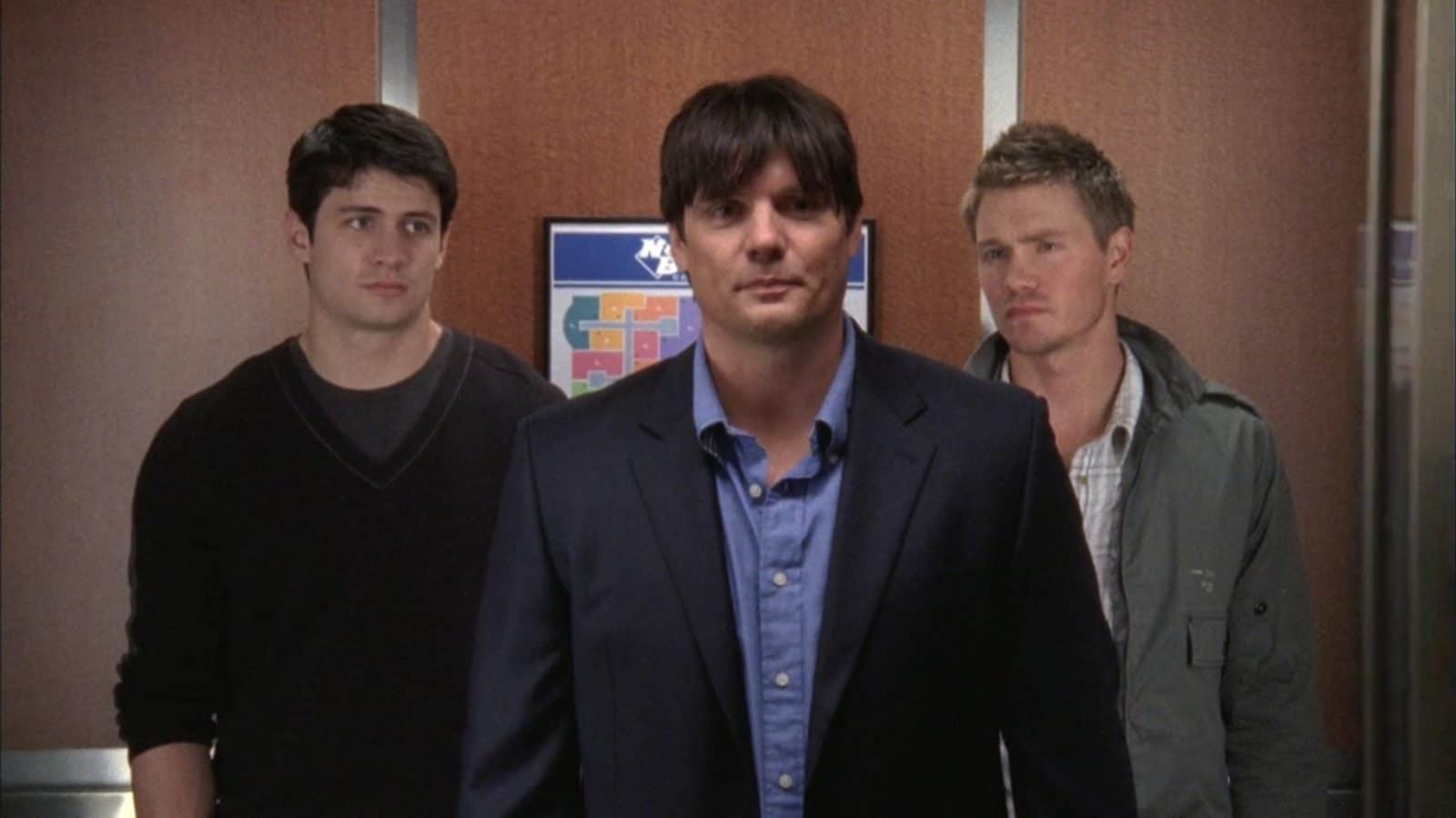
In many digital searches, names like Rachel and Dan Scott surface through generalized indexing or shared naming conventions with fictional or historical entities. For example, popular culture features prominent characters with similar names—such as Dan Scott from the television series One Tree Hill—which often leads to search overlap when users look up real-world individuals or historical figures sharing these names. Careful evaluation of primary sources, official public records, and verified journalistic archives helps clarify these distinctions.
Contextualizing Names in Public Records and Media
Public interest in specific individuals typically arises from distinct channels:
- Official Public Registries: Government databases, property records, and corporate filings where individuals operate registered businesses or non-profit entities.
- Media and Journalistic Archives: Press releases, local news reporting, or specialized publications documenting community contributions or professional milestones.
- Digital Indexing Overlap: Situations where common names intersect with fictional media tropes, creative writing projects, or historical genealogies.
By distinguishing between verified documentary evidence and generalized web results, researchers can avoid conflating real-world private citizens with fictional counterparts or unrelated public figures.
Historical and Professional Documentation Standards
When verifying information regarding individuals named Rachel and Dan Scott in public repositories, professional researchers rely on established verification protocols. These standards ensure that biographical data, professional credentials, and public history remain accurate and free from speculative assumptions.
Verification Protocols for Public Names
- Primary Source Validation: Cross-referencing names against official municipal, state, or federal databases to confirm legal identities, active businesses, or documented public service.
- Contextual Boundaries: Recognizing that private citizens maintain a right to privacy, meaning detailed personal biographies are rarely a matter of public record unless tied to public office, high-profile litigation, or notable corporate leadership.
- Distinguishing Namesakes: Utilizing middle initials, geographic locations, and specific institutional affiliations to separate distinct individuals who share identical or similar names.
The following table outlines the primary categories of public record searches and their corresponding verification requirements:
| Record Category | Typical Source | Verification Requirement |
|---|---|---|
| Corporate Filings | State Secretary of State databases | Active business status, registered agent, filing history |
| Property Records | County assessor offices | Deed history, parcel identification numbers |
| Local News Archives | Verified regional newspapers | Byline checks, event date validation, direct quotations |
| Genealogical Research | Census data, vital statistics | Birth, marriage, and death certificates |
Common Search Intent and Digital Ambiguity
The primary search intent behind queries for names like Rachel and Dan Scott often stems from curiosity generated by media consumption, local community events, or genealogical tracking. Because the modern internet aggregates massive amounts of unstructured data, distinct individuals can easily become obscured by algorithmically generated content, SEO-driven name directories, or conflations with television and literary characters.
Managing Ambiguity in Name-Based Research
- Evaluate the Source Domain: Prioritize .gov, .edu, and established journalistic domains over content aggregators, people-search scrapers, and unverified social media profiles.
- Check for Fictional Overlaps: Always verify whether a search term connects to established scripts, novels, or media franchises before attributing background details to real-world individuals.
- Acknowledge Data Limitations: When official records are sparse or entirely absent, recognize that the individuals may be private citizens whose personal lives are not matters of public record.
Frequently Asked Questions
Who are Rachel and Dan Scott in public records?
Because Rachel and Dan Scott are common names, their presence in public records depends entirely on the specific geographic region, corporate filing, or historical archive being examined. Without explicit context such as a specific business, location, or professional affiliation, the names most frequently appear in generalized directories or overlap with fictional media characters.
How can I distinguish between real individuals and fictional characters with similar names?
Distinguishing real individuals from fictional characters requires checking official registries, verified news sources, and historical databases. Fictional characters—such as those found in television dramas or novels—will have documented script credits, production company associations, and literary analysis, whereas real-world private citizens will appear in legal, property, or corporate state filings.
Why do some name searches yield conflicting or sparse results?
Sparse or conflicting search results usually occur because private citizens are legally and practically protected from widespread public data collection. Search engines often scrape low-quality directory sites that recycle names without verified context, creating confusion or dead-end links for researchers.
What steps should be taken to verify a professional profile associated with these names?
To verify a professional profile, consult official state licensing boards, corporate registration portals, or verified professional networking platforms. Ensure that the geographic location, industry, and timeline match the specific entity under investigation.
Practical Next Steps for Researchers
For researchers, genealogists, or media analysts seeking precise information regarding individuals named Rachel and Dan Scott, the most reliable path forward involves narrowing the search parameters. Incorporating specific geographic locations, organizational affiliations, or precise date ranges into archival queries eliminates irrelevant results and ensures that verified, authoritative sources guide the investigation. Always prioritize primary documentation over secondary web aggregators to maintain accuracy and factual integrity.
Image Gallery