Traveling Safely When Pregnant: A Guide for Expectant Mothers
Traveling while pregnant is generally safe for most individuals, provided there are no underlying medical complications and the pregnancy is progressing normally. The key to a successful journey lies in careful planning, understanding...
Traveling while pregnant is generally safe for most individuals, provided there are no underlying medical complications and the pregnancy is progressing normally. The key to a successful journey lies in careful planning, understanding your specific healthcare needs, and timing your trip to align with the safest window of gestation—typically the second trimester—while respecting carrier regulations and destination-specific health risks.
Contents
Understanding the Optimal Window for Travel
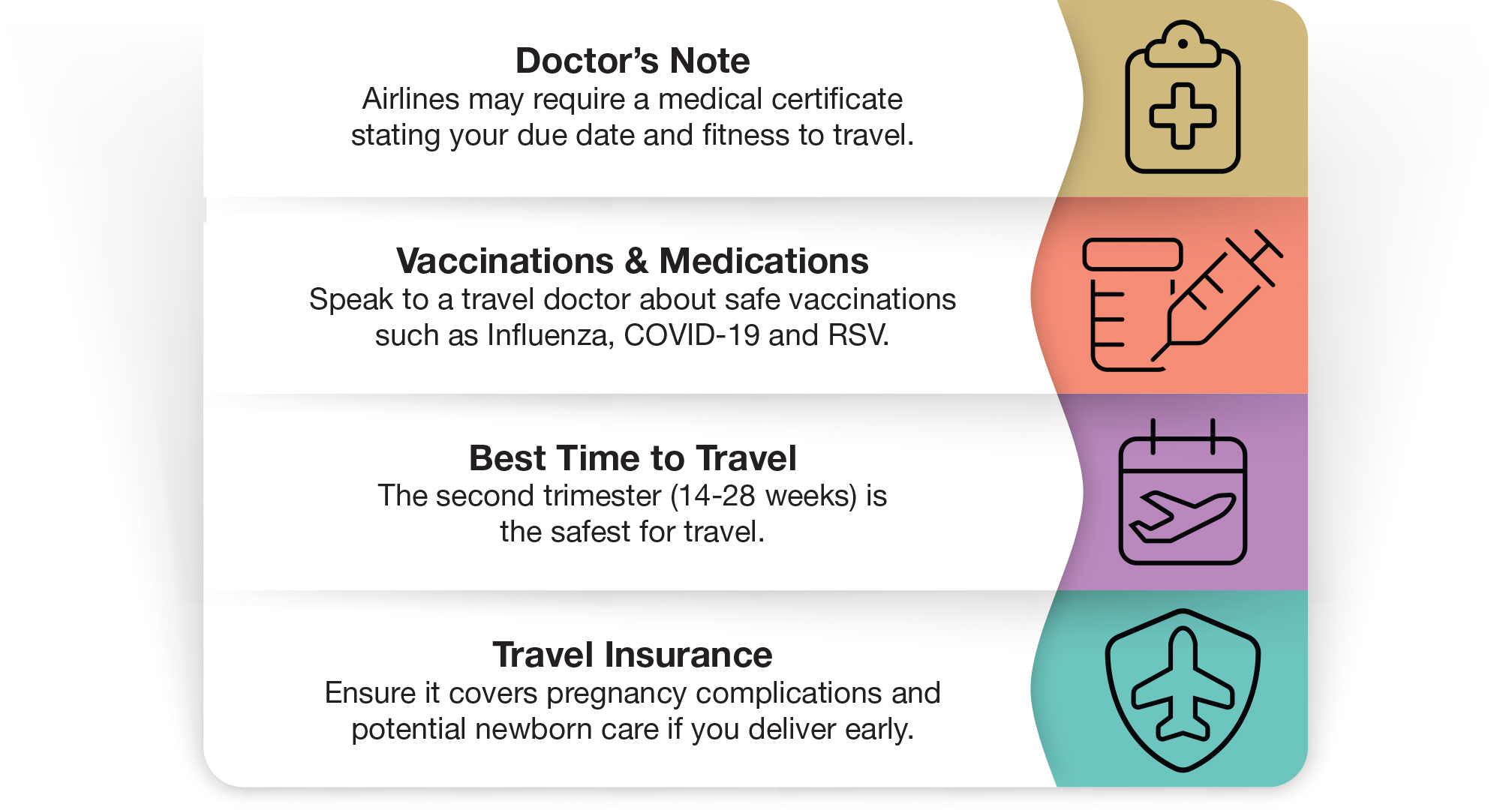
The most recommended time for pregnant individuals to travel is during the second trimester, specifically between weeks 14 and 28. During this period, the nausea and fatigue common in the first trimester have often subsided, and the physical discomforts associated with the third trimester—such as pelvic pressure and limited mobility—are not yet as pronounced.
Before embarking on any journey, it is essential to consult your obstetrician or midwife. Your healthcare provider can evaluate your specific health status, assess the risk of conditions like preeclampsia or gestational diabetes, and provide a letter of clearance if required by airlines or international border authorities. Always keep a copy of your prenatal records, including blood type, rh-factor, and a summary of your medical history, readily available during your trip.
Air Travel: Guidelines and Airline Policies
Most major airlines allow pregnant passengers to fly until the 36th week of gestation for domestic flights. However, policies vary significantly by carrier and destination. Some international airlines may require medical documentation as early as the 28th week.
Essential Air Travel Precautions
- Medical Documentation: Even if not strictly required by an airline, carry a recent note from your doctor confirming your due date and stating you are fit to fly.
- Circulation: The risk of deep vein thrombosis (DVT) is higher during pregnancy. To mitigate this, wear compression stockings as recommended by your physician, remain hydrated, and perform ankle exercises or walk the cabin aisle periodically.
- Seat Selection: If possible, choose an aisle seat to allow for easier access to the restroom and more frequent movement throughout the flight.
- Seatbelt Positioning: Always secure the seatbelt low, under your abdomen and across your hip bones, rather than across the middle of your belly.
| Carrier Type | Typical Restriction Period | Documentation Requirement |
|---|---|---|
| Domestic Airlines | 36+ Weeks | Usually optional up to 36 weeks |
| International Flights | 28–35 Weeks | Often required via MEDIF form |
| Budget Carriers | 32–36 Weeks | Strictly enforced at check-in |
Note: Always verify the specific policy of your chosen airline in 2026, as regulations are subject to internal company updates.
Road Travel and Vehicle Safety
Traveling by car is often more flexible than flying, but it presents its own set of safety considerations. If you are the driver, ensure the steering wheel is adjusted to a comfortable distance from your abdomen. As your pregnancy progresses, you may find that the steering wheel sits too close to your midsection; in such cases, having a passenger drive is the safer alternative.
If you are a passenger, the same seatbelt rule applies: the lap belt must sit snugly beneath your belly. Avoid turning off the airbag, as it provides crucial protection in the event of a collision. When embarking on long road trips, plan for frequent stops every 90 to 120 minutes to stretch your legs, improve circulation, and use the restroom.
Destination Considerations and Health Risks
Not all destinations are suitable for travel during pregnancy. Beyond physical comfort, you must consider the quality of medical infrastructure at your destination. Avoid travel to regions with high rates of infectious diseases for which vaccination is required or recommended, particularly those transmitted by mosquitoes, such as Zika, malaria, or yellow fever.
Many common vaccines are not recommended during pregnancy, and travel to remote areas where medical facilities are limited or non-existent is generally discouraged. If you are traveling internationally, research the proximity of high-quality hospitals and ensure your health insurance policy provides comprehensive coverage for maternity-related emergencies abroad.
Dietary and Hydration Strategies
Maintaining proper nutrition and hydration is significantly more challenging while traveling. Changes in routine can lead to digestive issues, and the stress of travel can impact appetite.
- Hydration: Carry a reusable water bottle and prioritize bottled or purified water. Dehydration can trigger Braxton-Hicks contractions and increase the risk of urinary tract infections, which can be more severe during pregnancy.
- Food Safety: Stick to thoroughly cooked foods. Avoid street food, raw shellfish, unpasteurized dairy products, and unwashed produce. If you are prone to morning sickness, pack familiar, bland snacks like crackers or ginger chews to manage symptoms.
- Sanitation: Frequent handwashing or the use of alcohol-based hand sanitizer is vital, as the immune system is naturally modulated during pregnancy, making you more susceptible to foodborne illnesses.
FAQ: Frequently Asked Questions
Can I fly if I have high blood pressure?
If you have a history of preeclampsia, chronic hypertension, or other cardiovascular issues, your doctor will likely advise against air travel. Changes in cabin pressure and prolonged sitting can exacerbate these conditions. Always seek professional clearance before booking.
What should I look for in travel insurance?
Standard travel insurance often excludes pregnancy-related complications unless a specific "cancel for any reason" or "pregnancy-complications" rider is added. Ensure the policy specifically covers prenatal care and emergency delivery if you are traveling close to your due date.
Is it safe to go through the airport security scanner?
Yes. Airport body scanners, such as Advanced Imaging Technology (AIT) or metal detectors, do not use ionizing radiation. They are considered safe for pregnant individuals and their developing fetuses.
What should I do if I experience abdominal pain while traveling?
Any persistent pain, vaginal bleeding, leaking fluid, or severe headaches during travel should be treated as a medical emergency. Locate the nearest hospital with an obstetric unit immediately. Do not wait until you return home to seek care.
When is the absolute latest I should travel?
Most obstetricians advise stopping all travel by week 34 to 36. This buffer accounts for the risk of premature labor, which can occur unexpectedly. Traveling beyond this point may also result in airlines denying boarding at the gate.
Next Actions and Expert Recommendations
Before you finalize any travel plans, sit down with your care provider and map out your itinerary. Create a "travel kit" that includes your medical records, a list of emergency contacts, and a basic medical kit containing doctor-approved prenatal vitamins and mild medications for indigestion or pain.
By prioritizing your health, understanding the logistical limitations of your stage of pregnancy, and choosing destinations with reliable medical access, you can navigate the world with confidence and peace of mind. Always remember that your comfort and the health of your baby take precedence over any travel itinerary.
Image Gallery