Griffin Foundation Repair Explained: Understanding Structural Integrity Solutions
Griffin Foundation Repair is a professional service specialized in stabilizing and restoring residential and commercial building foundations. The process typically involves structural assessment, soil analysis, and the implementation o...
Griffin Foundation Repair is a professional service specialized in stabilizing and restoring residential and commercial building foundations. The process typically involves structural assessment, soil analysis, and the implementation of specific engineering techniques, such as piering or slab jacking, to correct settling, cracking, or water-related degradation, thereby restoring the structural integrity of the property.
Contents
The Role of Professional Foundation Assessment
Foundation stability is the cornerstone of any property’s longevity. When a building’s foundation shifts, the consequences can be catastrophic, ranging from minor cosmetic fissures to significant structural failure. Griffin Foundation Repair operates on the principle that identifying the root cause of movement—whether it is hydrostatic pressure, soil erosion, or inadequate drainage—is as important as the physical repair itself.
Before any corrective work begins, professionals conduct a comprehensive site inspection. This usually involves measuring the elevation of different points across the foundation to determine the extent of "differential settlement." They also examine the surrounding landscape to assess how water management, or the lack thereof, is impacting the earth supporting the structure. Understanding these environmental factors is critical because repairing a foundation without addressing the underlying soil conditions often results in recurring issues.
Common Signs of Foundation Distress
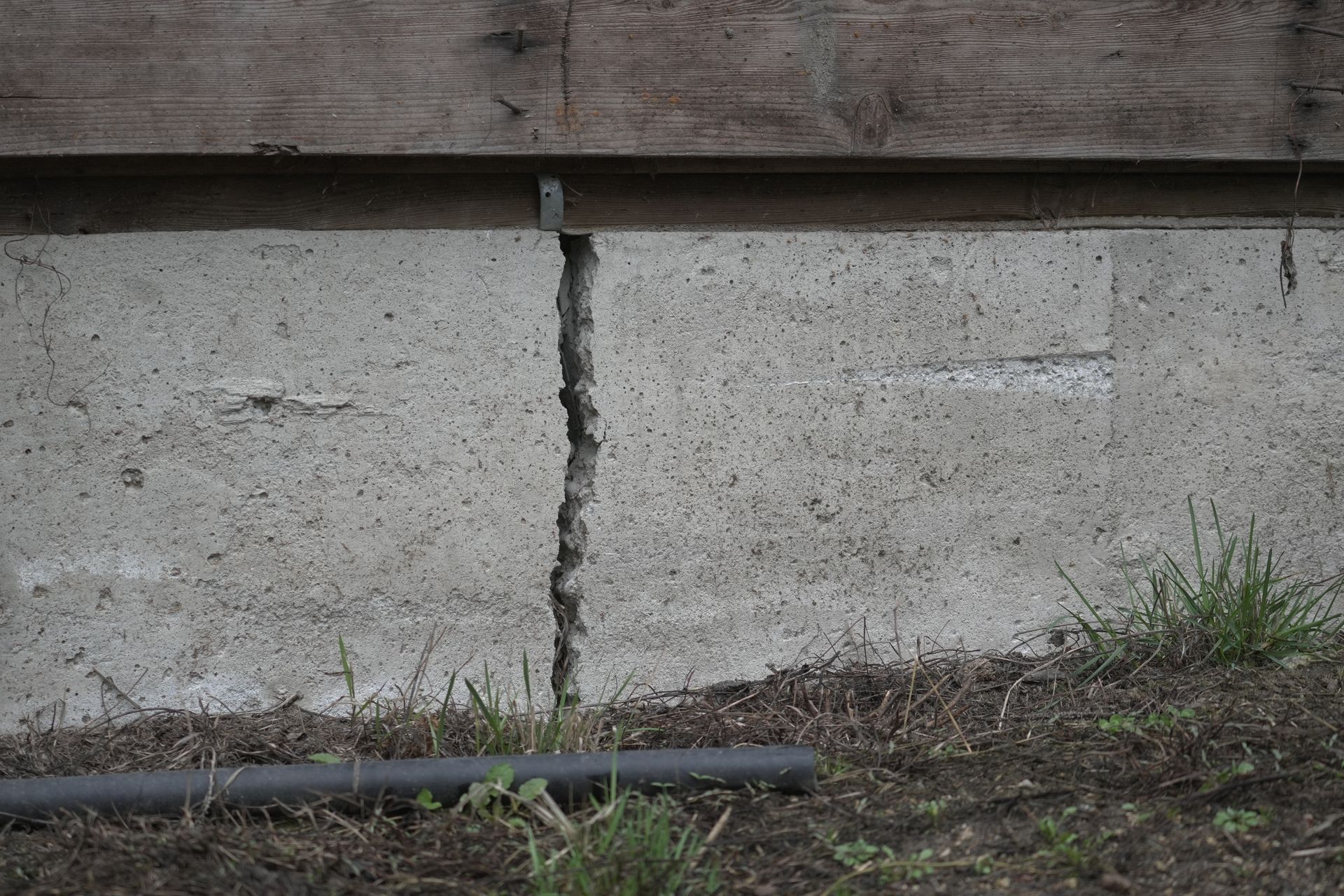
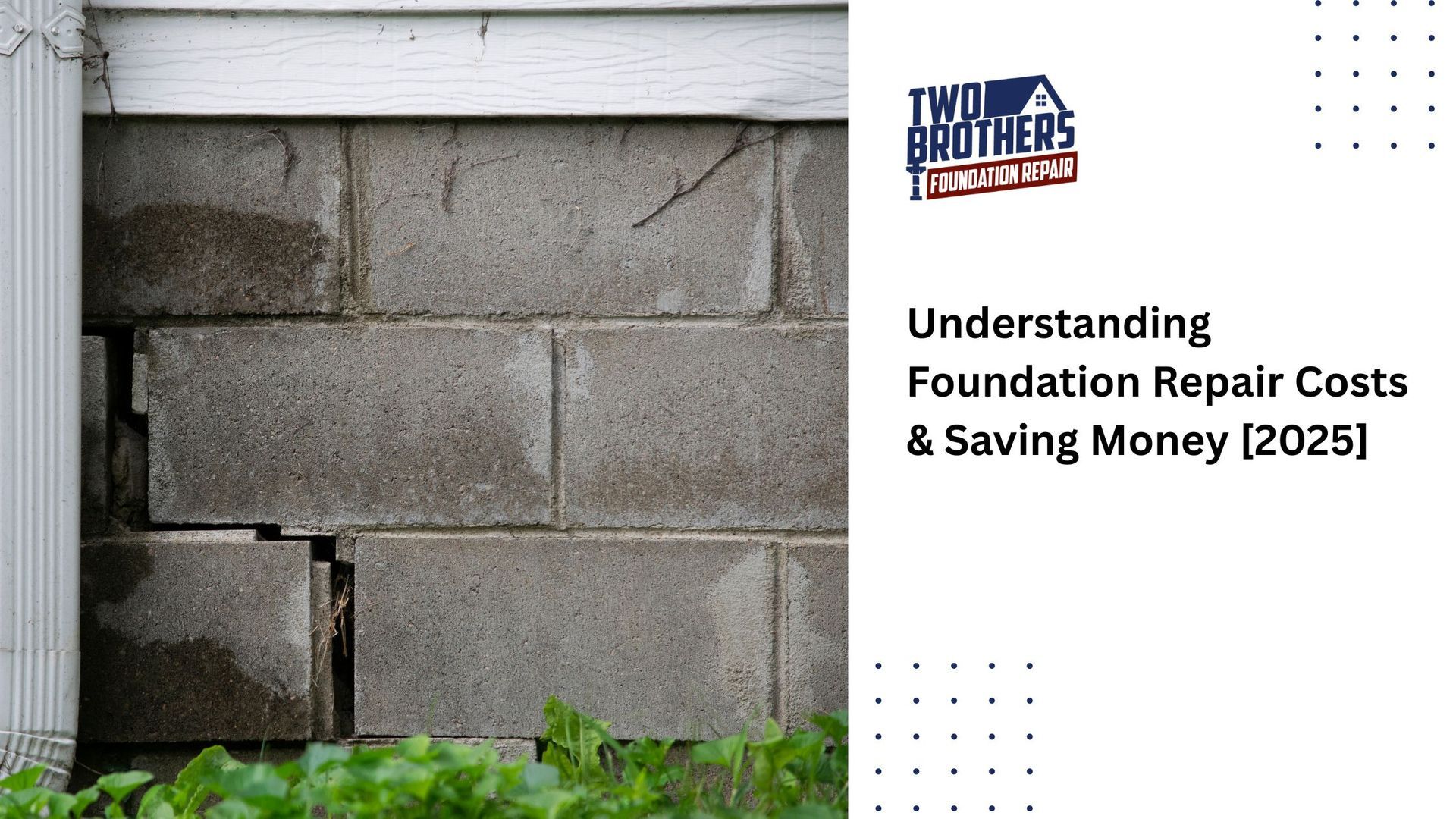
Homeowners and property managers should be proactive in identifying signs of distress. While hairline cracks in basement walls or exterior brickwork are common in older homes, specific patterns indicate a need for professional intervention:
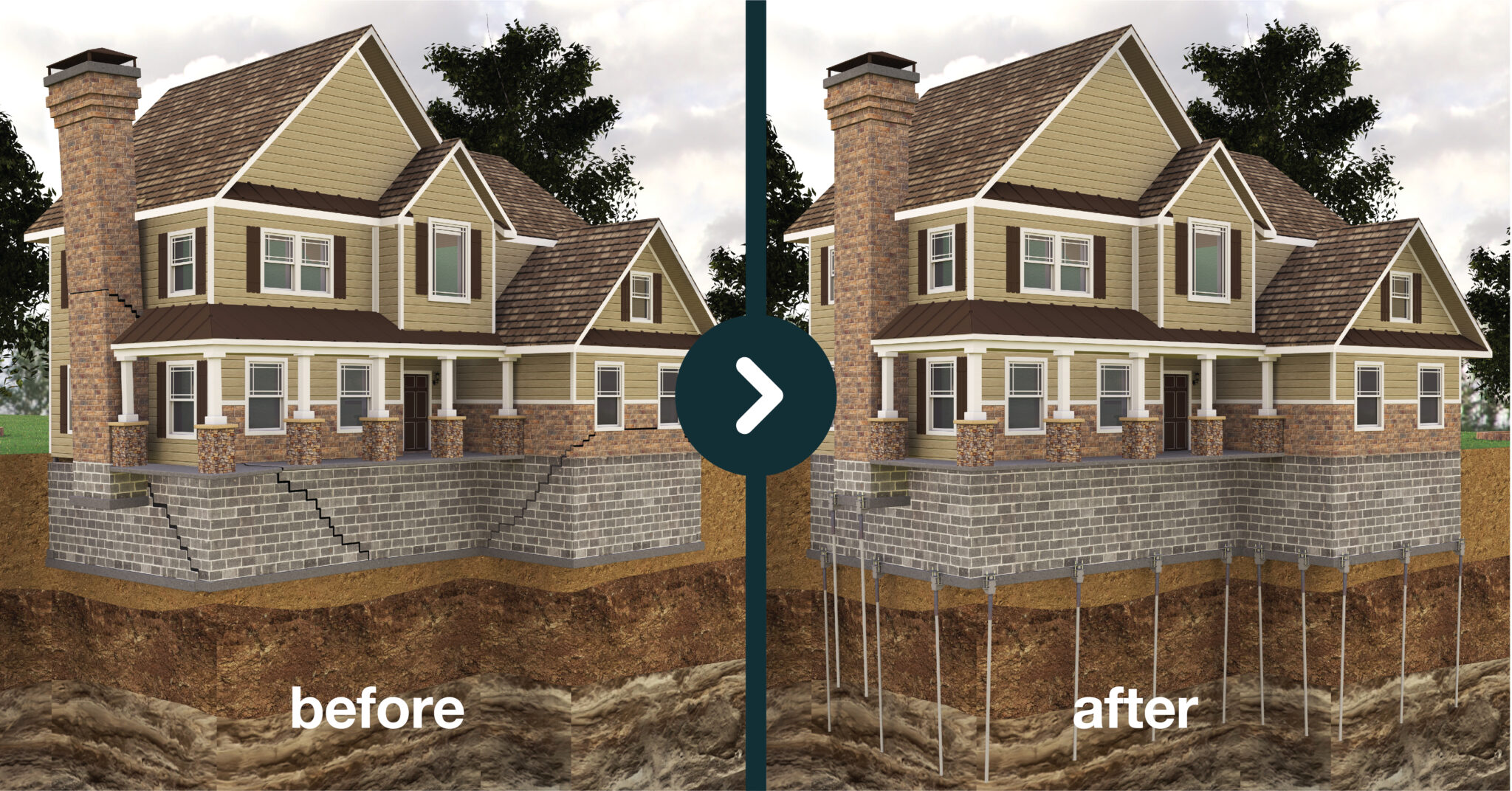
- Step Cracking: Diagonal cracks appearing in masonry or brickwork that resemble stairs, often indicating that one corner of the building is sinking faster than the rest.
- Door and Window Jamming: If interior doors or windows start sticking or won't latch properly, it is frequently a sign that the frame has been racked or distorted due to shifting soil.
- Floor Incline: A noticeable slope in the floor of a ground-level room suggests significant settling beneath a load-bearing wall.
- Gaping: Visible separation between the foundation and the sill plate or between chimneys and the exterior siding indicates movement that requires immediate attention.
Standard Repair Methodologies
Depending on the diagnosis, Griffin Foundation Repair professionals employ various industry-standard techniques to return the structure to a stable elevation.
Piering Systems
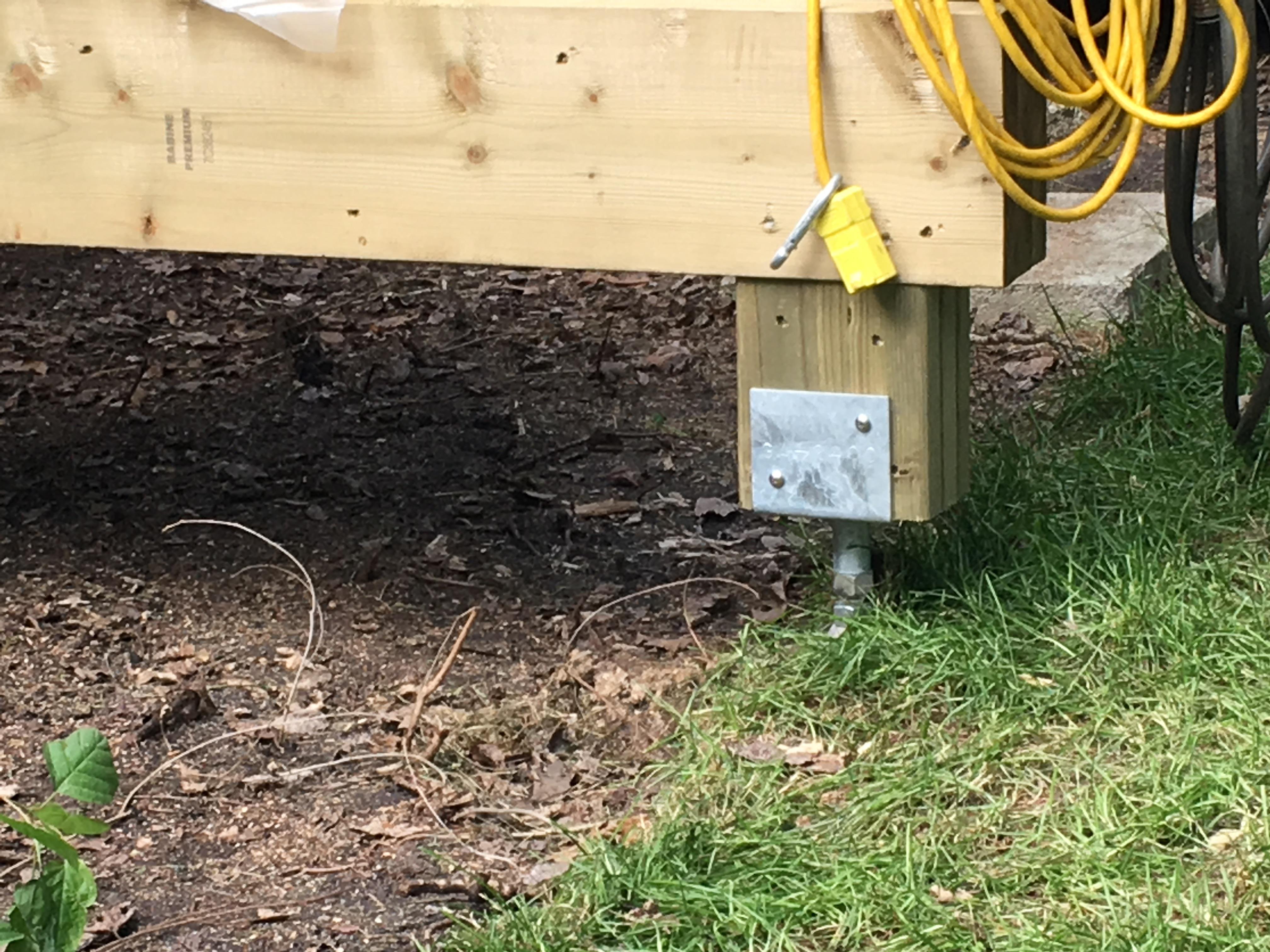
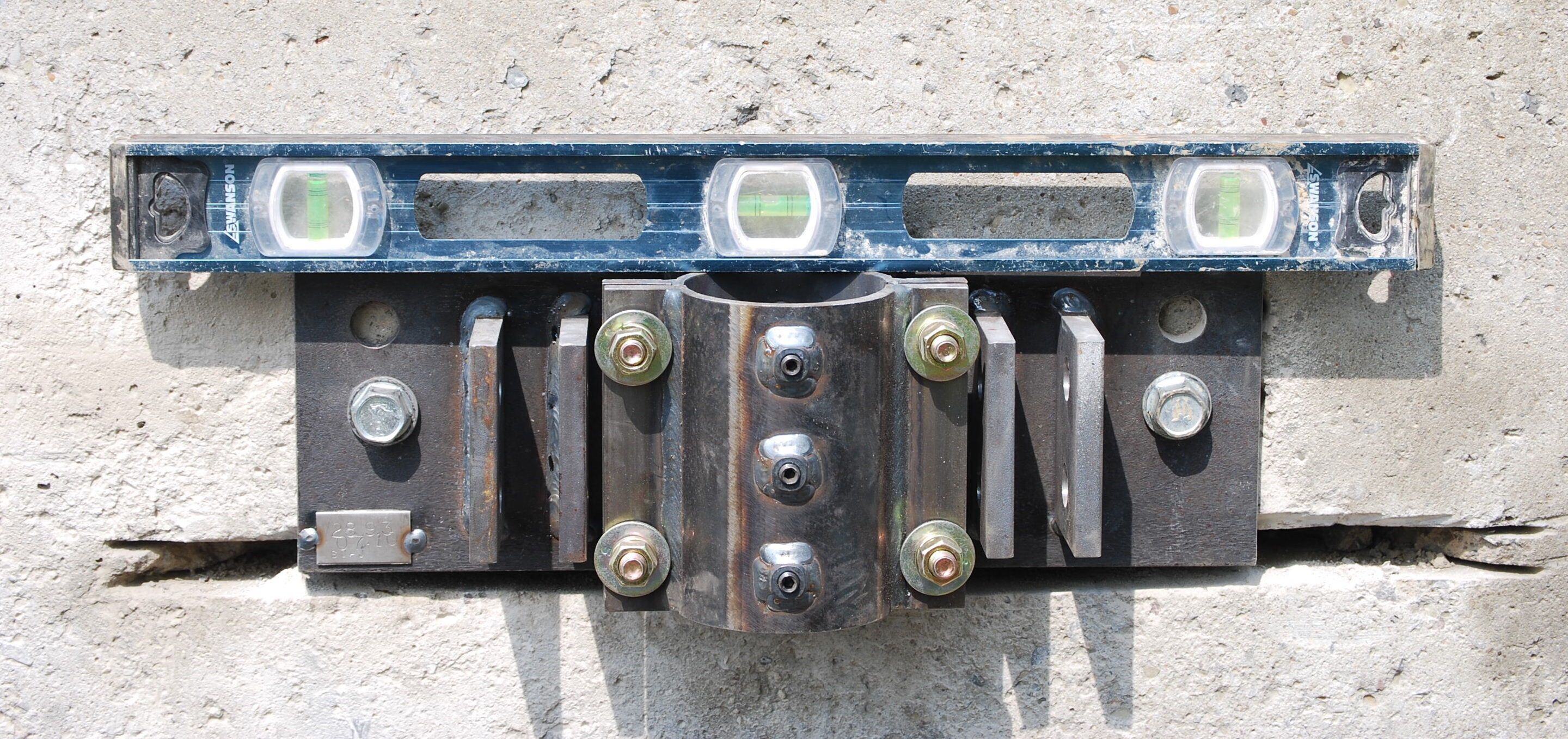
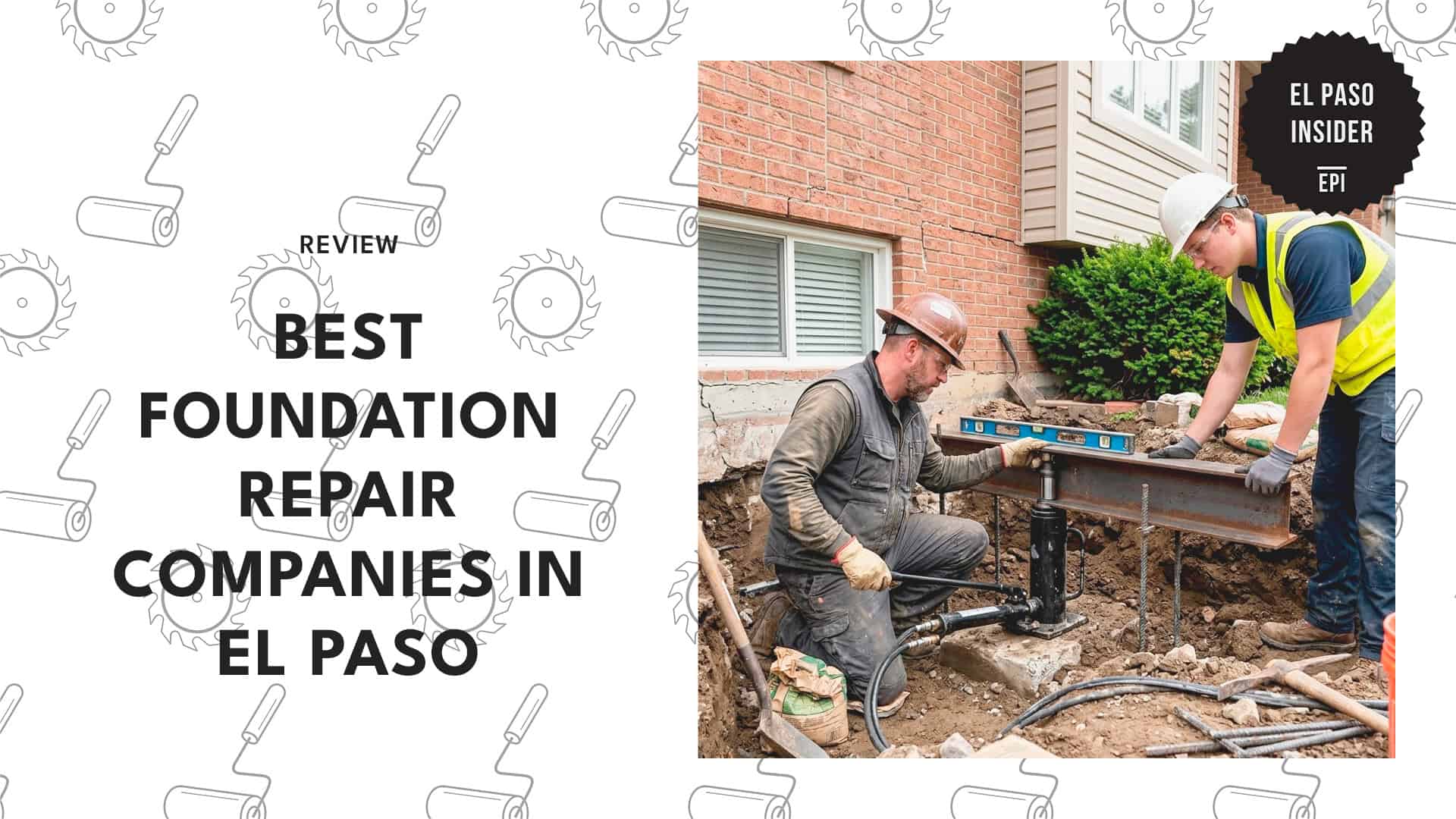
Piering is the most robust method for stabilizing a home that is sinking. Steel piers—typically push piers or helical piers—are driven deep into the ground until they reach load-bearing strata (bedrock or very dense soil). The weight of the structure is then transferred from the failing soil to the pier system. This process often allows for a "lift," where hydraulic jacks are used to attempt to bring the foundation back toward its original level.
Slab Jacking (Mudjacking or Polyjacking)
For concrete slabs that have settled, slab jacking is often the preferred solution. This involves drilling small holes into the concrete and injecting a material underneath—traditionally a cement grout (mudjacking) or, more recently, high-density polyurethane foam (polyjacking). As the material expands or fills the void, it lifts the slab back to a level position, providing immediate support.
Basement Waterproofing and Drainage
In many cases, foundation damage is exacerbated by poor water management. Griffin Foundation Repair may recommend installing an interior or exterior French drain system to divert water away from the foundation perimeter. By controlling hydrostatic pressure—the force exerted by water against the foundation wall—the soil remains more consistent, preventing future shifting.
Comparative Analysis of Foundation Repair Techniques
The following table outlines the most common methods used for foundation remediation to assist in understanding which approach is suitable for various soil and structural conditions.
| Repair Method | Primary Application | Advantage | Typical Constraint |
|---|---|---|---|
| Steel Push Piers | Heavily settled foundations | Can reach extreme depths | High material costs |
| Helical Piers | Lighter structures/porches | Deep torque-based installation | Limited for very heavy loads |
| Polyjacking | Sinking slab-on-grade | Fast cure time, clean | Not for structural shifting |
| French Drains | Excess water/moisture | Prevents future erosion | Does not lift structure |
| Wall Anchors | Bowing basement walls | Permanent reinforcement | Requires exterior access |
Requirements and Preparation for Homeowners
Once a professional assessment identifies the need for repair, property owners should prepare for the logistics of the project. Foundation repair is an invasive procedure, often requiring significant heavy machinery and local excavation.
- Site Access: Clear all vegetation, decks, or obstructions near the work area. Heavy equipment needs a clear path to the foundation perimeter.
- Interior Protection: If internal work is required, such as in a basement or crawlspace, remove stored items to provide the crew with a clean, safe working environment.
- Permitting and Utilities: Professional repair firms should handle local building permits. However, homeowners are typically responsible for marking private utility lines, such as irrigation systems, pet fences, or exterior lighting conduits, which may be damaged during excavation.
- Timeline Expectations: Depending on the scale, projects can take anywhere from two days to two weeks. Weather plays a significant role in scheduling, as saturated ground can complicate the installation of piers or drainage.
Common Pitfalls and Considerations
One of the most common mistakes is attempting to bridge or cover cracks without fixing the foundation itself. Cosmetic repairs, such as epoxy injections or patching concrete, will fail if the underlying soil remains unstable. Always prioritize structural stabilization before investing in aesthetic improvements like drywall repair or painting.
Additionally, ensure that the company providing the repair offers a clear warranty. Foundation work involves complex geological variables, and reputable contractors will stand behind their work with a transferrable warranty, which is an important asset when selling a property.
Frequently Asked Questions
Does a cracked foundation always require expensive repairs? Not necessarily. Many older homes experience minor settlement that is within acceptable engineering tolerances. If the cracks are hairline and have not increased in size over several years, monitoring may be sufficient. A professional inspection determines whether the movement is active or historical.
What is the difference between mudjacking and polyjacking? Mudjacking uses a slurry of soil, sand, and cement, which is heavy and can add stress to already weak soil. Polyjacking uses high-density polyurethane foam that is lightweight, expands to fill voids completely, and cures in minutes, making it more popular for modern slab repairs.
Can foundation repair be performed during the winter? Yes, though frozen ground can make excavation more difficult and costly. In most climates, foundation work is a year-round service, provided the contractor has the equipment to break through frozen soil and the expertise to handle concrete pouring in colder temperatures.
How does soil type affect my foundation? Expansive soils (clay-rich) are notorious for causing foundation issues because they swell significantly when wet and shrink when dry. This cycle puts immense pressure on foundation walls and creates voids beneath footings. Understanding the soil composition is a mandatory step in any professional repair plan.
Next Steps for Property Owners
If you suspect foundation issues, do not wait for the damage to progress. The longer a structure sits on unstable soil, the higher the risk of collateral damage to plumbing lines, electrical wiring, and framing. Contact a licensed structural professional to conduct a foundation assessment. Request a detailed report that outlines the findings, the proposed repair method, and a warranty statement. Acting early can often mitigate the need for extensive, high-cost underpinning by correcting minor drainage issues before they lead to catastrophic structural failure.
Image Gallery